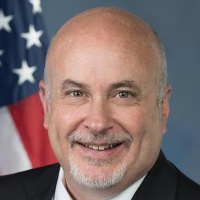
Legislative Activity
Track Mark's sponsored bills, co-sponsored legislation, and voting record
This Act mandates that most private firearm transfers must go through a licensed dealer to ensure background checks are performed on all purchasers.
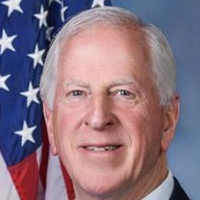
Mike Thompson
Representative
CA
Mike Thompson
Representative
CA
The Bipartisan Background Checks Act of 2025 aims to strengthen existing federal background check systems to prevent prohibited persons from acquiring firearms. This bill primarily mandates that most private firearm transfers must be facilitated through a licensed dealer who will conduct a background check. The legislation includes specific exceptions for family gifts, law enforcement, and temporary transfers under emergency circumstances.
This Act improves Medicare coverage for seniors by ensuring clinical social worker mental health services are billed separately from nursing home payments and expanding the scope of billable services to include health and behavior assessments.
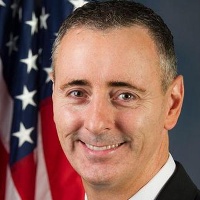
Brian Fitzpatrick
Representative
PA
Brian Fitzpatrick
Representative
PA
The Expanding Seniors Access to Mental Health Services Act aims to improve mental health care access for seniors under Medicare. This bill separates clinical social worker services from standard skilled nursing facility payments, ensuring they are billed distinctly. Furthermore, it expands Medicare coverage for clinical social workers to include health and behavior assessment and intervention services, effective January 1, 2026.
This bill officially renames the Department of Veterans Affairs women's health clinic in Milwaukee, Wisconsin, as the Anna Mae Robertson VA Well Woman Clinic.
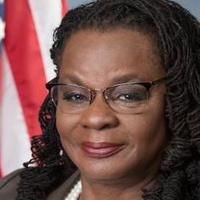
Gwen Moore
Representative
WI
Gwen Moore
Representative
WI
This bill officially renames the Department of Veterans Affairs women's health clinic in Milwaukee, Wisconsin. The clinic will now be known as the Anna Mae Robertson VA Well Woman Clinic. This change ensures all official records reflect the new designation.
This bill expands Medicare coverage for diabetes self-management training by removing patient costs, broadening provider eligibility, and mandating a test of virtual training options.
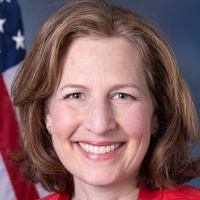
Kim Schrier
Representative
WA
Kim Schrier
Representative
WA
The Expanding Access to Diabetes Self-Management Training Act of 2025 aims to significantly improve Medicare coverage for diabetes self-management training by eliminating patient out-of-pocket costs and expanding the pool of qualified providers. The bill establishes a new structure for training hours, granting patients an initial block of 10 hours plus two additional hours annually. Furthermore, it mandates that the Secretary of HHS test models for covering virtual diabetes self-management training services to evaluate their impact on health outcomes and costs.
The Pride In Mental Health Act of 2025 establishes grants and federal initiatives to improve mental health services and research specifically for LGBTQ+ youth while explicitly prohibiting the use of funds for conversion therapy.
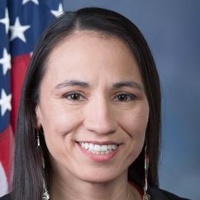
Sharice Davids
Representative
KS
Sharice Davids
Representative
KS
The Pride In Mental Health Act of 2025 establishes a new grant program to improve mental health and substance abuse outcomes for LGBTQ+ youth through culturally competent care and resource development. These grants strictly prohibit funding for conversion therapy practices. The bill also mandates federal data collection on LGBTQ+ youth mental health and requires a report on the needs of those in foster care.
This bill removes certain numerical caps on specific employment-based immigrant visas to better allocate green cards.
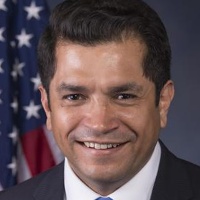
Jimmy Gomez
Representative
CA
Jimmy Gomez
Representative
CA
The Protect Vulnerable Immigrant Youth Act aims to reform employment-based immigration by eliminating certain numerical caps for specific visa categories. This legislation amends existing law to adjust how preference statuses are allocated for these immigrant visas. The overall goal is to streamline the process for certain employment-based immigrants.
This Act mandates comprehensive, no-cost-sharing coverage for prenatal, childbirth, neonatal, perinatal, and postpartum health care under the Affordable Care Act.

Jared Golden
Representative
ME
Jared Golden
Representative
ME
The Supporting Healthy Moms and Babies Act mandates that essential health benefits under the ACA must comprehensively cover prenatal, childbirth, neonatal, perinatal, and postpartum care for one full year. This legislation explicitly bans all cost-sharing, including copays and deductibles, for these essential maternity and newborn health services. The bill ensures robust coverage, including specific requirements like mandatory ultrasounds and mental health services for new parents.
This resolution urgently calls for the immediate delivery of humanitarian aid to address the severe hunger crisis in Gaza and demands the administration use all diplomatic means to secure hostage release and end the fighting.
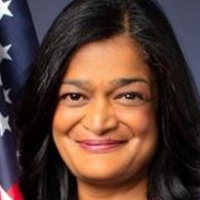
Pramila Jayapal
Representative
WA
Pramila Jayapal
Representative
WA
This resolution formally expresses the House of Representatives' grave concern over the severe humanitarian crisis and widespread suffering of civilians in Gaza, alongside the plight of hostages. It urgently calls on the Administration to use all diplomatic tools to secure the release of all hostages. Furthermore, the bill demands the immediate delivery and secure distribution of essential humanitarian aid to address the catastrophic hunger crisis in Gaza.
This Act immediately repeals specific Executive Orders that harm LGBTQI+ individuals and prohibits the use of federal funds to enforce them, while preserving the President's constitutional authority.
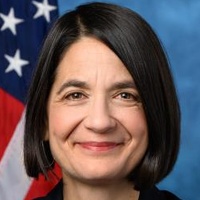
Becca Balint
Representative
VT
Becca Balint
Representative
VT
The No Place for LGBTQ+ Hate Act immediately repeals specific Executive Orders that reportedly targeted or limited the rights of LGBTQI individuals across federal areas like employment and healthcare. This legislation also prohibits the use of any federal funds to enforce or carry out these canceled orders. The bill includes a savings provision to ensure it does not infringe upon the President's existing constitutional authority.
The BARK Act of 2025 shields good-faith donors of pet food and supplies from liability unless gross negligence or intentional harm is proven.
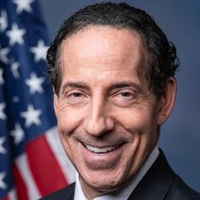
Jamie Raskin
Representative
MD
Jamie Raskin
Representative
MD
The BARK Act of 2025 aims to encourage the donation of pet food and supplies during emergencies and for charitable purposes. It provides liability protection to donors and distributing organizations against lawsuits related to the condition of donated items, provided there is no gross negligence or intentional harm. This protection applies to items that appear fit for use, even if they don't meet all commercial sales standards, provided proper disclosure and reconditioning procedures are followed.
This act repeals certain provisions of the Protection of Lawful Commerce in Arms Act and allows federal gun trace information to be discoverable and admissible in civil proceedings.
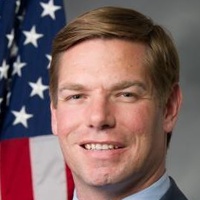
Eric Swalwell
Representative
CA
Eric Swalwell
Representative
CA
The Equal Access to Justice for Victims of Gun Violence Act of 2025 repeals key provisions of the Protection of Lawful Commerce in Arms Act. This legislation allows federal gun trace information to be discoverable and admissible as evidence in civil lawsuits and administrative hearings. The bill aims to provide victims of gun violence with greater access to relevant data in legal proceedings.
This act establishes a federal tax credit of up to \$5,000 to reimburse living organ donors for related travel, lodging, medical, and lost wage expenses.
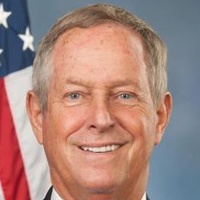
Joe Wilson
Representative
SC
Joe Wilson
Representative
SC
The Living Organ Donor Tax Credit Act establishes a new federal tax credit of up to \$5,000 for living donors who incur expenses related to donating a qualified life-saving organ. This credit is designed to reimburse costs such as travel, lodging, lost wages, and medical expenses associated with the donation process. The bill ensures this tax benefit coordinates with existing federal support programs and clarifies that it does not constitute illegal payment for organs.
This resolution expresses strong support for designating June 6, 2025, as National Gun Violence Awareness Day and June 2025 as National Gun Violence Awareness Month to honor victims and promote awareness.
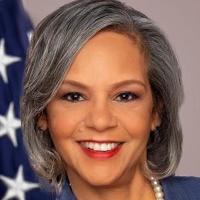
Robin Kelly
Representative
IL
Robin Kelly
Representative
IL
This resolution expresses strong support for designating June 6, 2025, as "National Gun Violence Awareness Day" and June 2025 as "National Gun Violence Awareness Month." It highlights the devastating scale of gun violence in the U.S., recognizing the thousands of annual deaths and injuries across all demographics. The bill encourages Americans to wear orange on the designated day to honor victims and promote increased awareness and community action regarding gun safety.
The Menstrual Equity For All Act of 2025 mandates the provision of free menstrual products across schools, correctional facilities, federal buildings, and workplaces, while also expanding coverage under Medicaid and eliminating sales tax on these essential items.

Grace Meng
Representative
NY
Grace Meng
Representative
NY
The Menstrual Equity For All Act of 2025 aims to eliminate period poverty by ensuring access to free menstrual products across various sectors of society. This comprehensive bill mandates the availability of these essential supplies in K-12 schools, colleges, correctional facilities, federal buildings, and workplaces with over 100 employees. Furthermore, it expands coverage under Medicaid, allocates specific funding through social service block grants and TANF programs, and prohibits states from taxing menstrual products.
This act bans the interstate transportation of horses using vehicles with two or more stacked levels.

Steve Cohen
Representative
TN
Steve Cohen
Representative
TN
The Horse Transportation Safety Act of 2025 prohibits the interstate transport of horses using any truck or trailer with two or more stacked levels. This measure aims to enhance animal welfare during cross-state travel by banning multilevel transport configurations. Violators who knowingly break this rule face civil penalties ranging from $\$100$ to $\$500$ per violation.
This resolution expresses Congressional support for designating May 2025 as Progressive Supranuclear Palsy Awareness Month to promote awareness, support patients, and encourage research for this devastating brain disease.
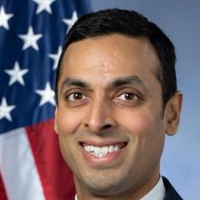
Suhas Subramanyam
Representative
VA
Suhas Subramanyam
Representative
VA
This resolution expresses the support of Congress for designating May 2025 as Progressive Supranuclear Palsy (PSP) Awareness Month. The designation aims to bring national attention to the serious, progressive brain disease that currently has no cure. By raising awareness, the bill seeks to support patients, improve diagnosis, and boost research efforts for better treatments.
This resolution supports recognizing May as "Sex Ed For All Month" to promote equitable access to comprehensive, medically accurate, and inclusive sexual health education for all young people.
Pramila Jayapal
Representative
WA
Pramila Jayapal
Representative
WA
This resolution officially recognizes May as "Sex Ed For All Month" to promote honest and inclusive sexual health education for all young people. It highlights the need to address current disparities and barriers that prevent youth from accessing vital health information. The bill urges federal, state, and local officials to support evidence-based, medically accurate sex education programs. Ultimately, it champions the right of every young person to receive comprehensive education necessary for making healthy decisions about their bodies and futures.
This bill clarifies that contractors providing services to educational organizations must be treated as employees when determining the organization's responsibility to offer health coverage under the Affordable Care Act.
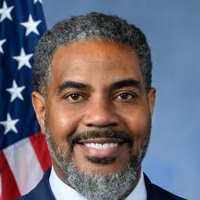
Steven Horsford
Representative
NV
Steven Horsford
Representative
NV
The SCHOOL Professionals Act of 2025 clarifies how certain contractors providing services to educational organizations are treated under the Affordable Care Act's employer mandate rules. This legislation ensures that individuals working substantially like regular staff for a school are counted when determining if the educational organization must offer health coverage. This change aims to prevent schools from avoiding their employer responsibilities by classifying essential workers as contractors.
The Real Education and Access for Healthy Youth Act of 2025 establishes federal grant programs to fund comprehensive, evidence-informed, and culturally responsive sex education and youth-friendly sexual health services, prioritizing underserved communities.
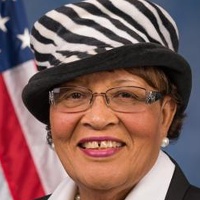
Alma Adams
Representative
NC
Alma Adams
Representative
NC
The Real Education and Access for Healthy Youth Act of 2025 aims to establish comprehensive, evidence-based, and culturally responsive sex education and health services for young people aged 10 to 29. The bill creates competitive grant programs to fund sex education in K-12 schools and higher education, support educator training, and improve access to youth-friendly sexual health services, especially for underserved communities. It explicitly mandates that all funded programs must be medically accurate, inclusive of all identities, and centered on principles of consent and reproductive justice. The Act authorizes $100 million annually and repeals prior funding streams dedicated to abstinence-only education.
This bill protects striking and locked-out workers by preventing employers from terminating or altering their group health plan coverage during a labor dispute and establishes significant civil penalties for violations.

Chris Deluzio
Representative
PA
Chris Deluzio
Representative
PA
The Striking and Locked Out Workers Healthcare Protection Act ensures that employers cannot terminate or alter group health plan coverage for employees during a lawful strike or an employer-initiated lockout. This legislation aims to prevent employers from using health benefits as leverage during labor disputes. The bill also establishes significant civil penalties, including fines up to \$150,000 per violation, for employers who interfere with this coverage, and allows for individual liability for directors and officers involved in such violations.