Legislative Activity
Track Mark's sponsored bills, co-sponsored legislation, and voting record
This bill restricts the transfer of specific offensive military articles and defense services to Israel until Congress authorizes their use for specified purposes and Israel provides written assurances of compliance with international law.
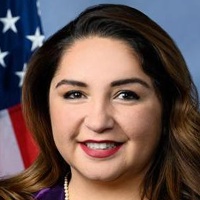
Delia Ramirez
Representative
IL
Delia Ramirez
Representative
IL
This bill imposes significant restrictions on the transfer of specific defense articles and services to Israel. Transfers of listed military equipment, such as certain bombs and ammunition, are prohibited unless Congress first passes a law detailing their specific authorized use. Furthermore, Israel must provide satisfactory written assurances that the items will only be used for those stated purposes and in compliance with international law.
This Act mandates the inclusion of Asian American, Native Hawaiian, and Pacific Islander history across federally supported K-12 American history and civics education programs and assessments.
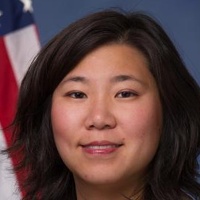
Grace Meng
Representative
NY
Grace Meng
Representative
NY
This Act mandates the inclusion of Asian American, Native Hawaiian, and Pacific Islander (AANHPI) history across federally supported K-12 American history and civics education programs. It recognizes the vital, yet often omitted, contributions of AANHPI communities while addressing historical exclusion and systemic racism. The legislation directs educational programs to partner with the Smithsonian's Asian Pacific American Center to develop accurate and comprehensive curricula. This ensures AANHPI history is integrated into national assessments and teacher training.
The Fit to Serve Act prohibits discrimination against service members and recruits in the Armed Forces based on their gender identity.
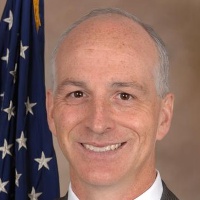
Adam Smith
Representative
WA
Adam Smith
Representative
WA
The Fit to Serve Act prohibits the U.S. Armed Forces from discriminating against service members based on their gender identity. This means military branches cannot set different standards, involuntarily discharge personnel, or deny medically necessary healthcare due to a service member's gender identity. The bill ensures equal opportunity for joining, serving, and receiving care regardless of one's internal sense of self.
The College for All Act of 2025 establishes federal-state partnerships and grants to eliminate tuition and fees at public and tribal colleges, boosts Pell Grants, and increases funding for minority-serving institutions.
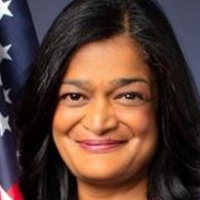
Pramila Jayapal
Representative
WA
Pramila Jayapal
Representative
WA
The College for All Act of 2025 establishes a Federal-State partnership to eliminate tuition and required fees at public and Tribal colleges for eligible students, while significantly increasing Federal Pell Grant maximum awards and expanding eligibility to include many "Dreamer students." The bill also creates new grant programs to cover tuition at private non-profit HBCUs and MSIs, and funds initiatives to improve student success and support for low-income and first-generation students. Finally, it increases overall appropriations for HBCUs, Tribal Colleges, and other Minority-Serving Institutions.
This Act establishes mandatory ethics codes, recusal standards, and enhanced financial disclosure requirements for Supreme Court Justices and federal judges.
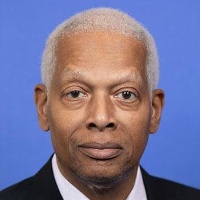
Henry Johnson
Representative
GA
Henry Johnson
Representative
GA
The Supreme Court Ethics, Recusal, and Transparency Act of 2025 establishes a mandatory, public code of conduct and a formal complaint process for Supreme Court Justices, modeled after procedures for lower federal judges. The bill also institutes stricter disclosure requirements for gifts and financial ties, and mandates judicial disqualification in cases involving recent lobbying contact or significant financial relationships with involved parties. Furthermore, it creates new review panels for disqualification motions and requires parties and *amici* to disclose financial supporters connected to the case.
This bill amends Medicare to require standardized cognitive impairment detection during the annual wellness visit and the initial preventive physical examination starting in 2026.
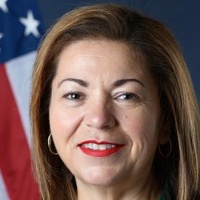
Linda Sánchez
Representative
CA
Linda Sánchez
Representative
CA
This bill amends Medicare to require cognitive impairment screening during the Annual Wellness Visit and the Initial Preventive Physical Examination. It mandates the use of specific, approved screening tools to detect potential issues like Alzheimer's disease early. The goal is to ensure timely diagnosis, allowing patients and caregivers to access necessary planning and support services sooner.
This Act establishes a new federal grant program to provide operating support for high-quality public transit that prioritizes service improvements in underserved communities, while also increasing the federal share for rural transit operating costs.
Henry Johnson
Representative
GA
Henry Johnson
Representative
GA
The Stronger Communities through Better Transit Act establishes a new federal grant program to provide operating support for high-quality public transit services. This funding is specifically targeted to improve mobility and environmental outcomes, with a requirement that the majority of funds benefit underserved communities or areas of persistent poverty. The Act also increases the federal share for rural transit operating assistance up to 80%.
This bill establishes mandatory minimum registered nurse-to-patient staffing ratios in hospitals to enhance patient safety, enforces these standards across federal healthcare programs, and funds initiatives to support the nursing workforce.

Janice Schakowsky
Representative
IL
Janice Schakowsky
Representative
IL
The Nurse Staffing Standards for Hospital Patient Safety and Quality Care Act of 2025 establishes mandatory minimum registered nurse-to-patient ratios across various hospital units to enhance patient safety and care quality. This legislation requires hospitals to implement detailed staffing plans, ensures enforcement through federal programs like Medicare and Medicaid, and supports the nursing workforce through expanded financial aid and retention initiatives. Furthermore, the bill protects nurses who refuse unsafe assignments and establishes clear mechanisms for reporting violations.
The Water Affordability, Transparency, Equity, and Reliability Act of 2025 establishes a dedicated trust fund financed by a corporate tax increase to improve water infrastructure, mandate affordability and equity reporting, and expand job training and assistance for underserved communities.
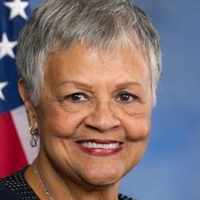
Bonnie Watson Coleman
Representative
NJ
Bonnie Watson Coleman
Representative
NJ
The Water Affordability, Transparency, Equity, and Reliability Act of 2025 establishes a dedicated federal Trust Fund, financed by an increase in the corporate tax rate, to support water infrastructure and affordability programs nationwide. The bill mandates a comprehensive EPA report analyzing water affordability, civil rights compliance, and public participation in water planning. It also significantly increases funding for household water well systems and revises state revolving loan fund rules to expand eligible projects, including lead line replacement and PFAS contamination cleanup. Finally, the Act creates new job training grants for the water sector and enhances drinking water assistance for colonias.
This resolution supports designating May 10, 2025, as "National Asian American, Native Hawaiian, and Pacific Islander Mental Health Day" to raise awareness and encourage action to address the mental health crisis in these communities.
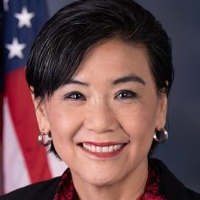
Judy Chu
Representative
CA
Judy Chu
Representative
CA
This resolution supports designating May 10, 2025, as "National Asian American, Native Hawaiian, and Pacific Islander Mental Health Day." It highlights the severe mental health disparities and lack of access to care within AANHPI communities. The bill encourages federal agencies to improve culturally and linguistically appropriate services to better address the unique needs of these diverse populations.
This bill prohibits the use of federal funds to implement Executive Order 14160, which sought to limit birthright citizenship guaranteed by the Fourteenth Amendment.
Delia Ramirez
Representative
IL
Delia Ramirez
Representative
IL
The Born in the USA Act of 2025 declares that Executive Order 14160, which attempted to restrict birthright citizenship, is unconstitutional and contrary to the 14th Amendment. This Act prohibits the use of any federal funds to implement or enforce that Executive Order. It affirms the established constitutional right to birthright citizenship for nearly everyone born on U.S. soil.
This bill prohibits individuals under 18 from having direct contact with tobacco plants or dried tobacco leaves on farms to strengthen child labor protections in tobacco agriculture.
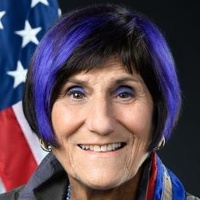
Rosa DeLauro
Representative
CT
Rosa DeLauro
Representative
CT
The Children Don't Belong on Tobacco Farms Act amends child labor laws to prohibit individuals under 18 from having direct contact with tobacco plants or dried tobacco leaves. This change ensures that agricultural work involving direct handling of tobacco falls under federal child labor protections. The bill specifically updates exemptions to reflect this new restriction on youth employment in tobacco agriculture.
This Act mandates that health plans cover medically necessary treatment for congenital anomalies or birth defects affecting the eyes, ears, teeth, mouth, or jaw to restore normal function and appearance.
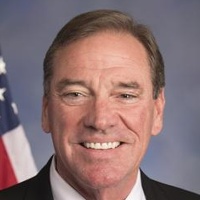
Neal Dunn
Representative
FL
Neal Dunn
Representative
FL
The Ensuring Lasting Smiles Act mandates that group health plans and insurance policies provide comprehensive coverage for medically necessary treatment related to congenital anomalies or birth defects affecting the eyes, ears, teeth, mouth, or jaw. This coverage must include services needed to restore normal function and appearance, including necessary dental and orthodontic support. Plans must apply cost-sharing rules no more restrictive than those for other medical benefits, excluding purely cosmetic procedures.
The Protecting our Students in Schools Act of 2025 nationwide prohibits corporal punishment in federally funded schools while establishing grants to help states implement positive behavior support systems.
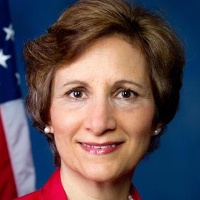
Suzanne Bonamici
Representative
OR
Suzanne Bonamici
Representative
OR
The Protecting our Students in Schools Act of 2025 establishes a nationwide prohibition on corporal punishment in all federally funded educational programs. It creates strong enforcement mechanisms, allowing parents to sue and authorizing the Attorney General to intervene in cases of abuse. Furthermore, the Act establishes a grant program to incentivize states to adopt positive behavior support systems to reduce harsh disciplinary actions and improve school climate.
This Act prohibits the advertising and provision of paid conversion therapy intended to change an individual's sexual orientation or gender identity, empowering the FTC and State Attorneys General to enforce these prohibitions.
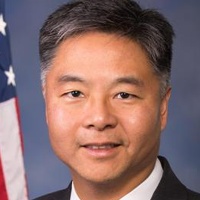
Ted Lieu
Representative
CA
Ted Lieu
Representative
CA
The Therapeutic Fraud Prevention Act of 2025 declares that practices attempting to change an individual's sexual orientation or gender identity for payment constitute an unfair and deceptive business practice. Citing professional consensus on the ineffectiveness and harm of such "conversion therapy," the bill prohibits its provision and advertising. Enforcement authority is granted to the Federal Trade Commission (FTC), and the law allows both the U.S. Attorney General and State Attorneys General to file civil actions against violators.
This bill expands the definition of "law enforcement officer" for federal retirement purposes under FERS and CSRS to include specific IRS, Postal Inspection, and VA police employees, and establishes rules for how current employees can count prior service under the new designation.
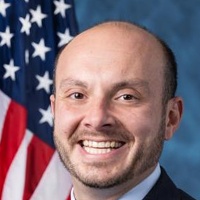
Andrew Garbarino
Representative
NY
Andrew Garbarino
Representative
NY
The Law Enforcement Officers Equity Act expands the definition of "law enforcement officer" for federal retirement purposes under both the Federal Employees Retirement System (FERS) and the Civil Service Retirement System (CSRS). This change adds specific IRS, Postal Inspection Service, and VA police roles to those eligible for enhanced retirement benefits. The bill also establishes procedures for current officers to elect to have their prior service counted under these new definitions, which may require a payment from the employee and their employing agency.
The VA Employee Fairness Act of 2025 streamlines collective bargaining rules for Veterans Health Administration employees by modifying existing statutes while preserving the Secretary's authority regarding incentive pay and expedited hiring.
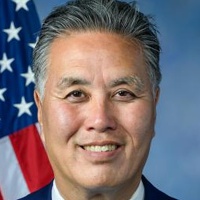
Mark Takano
Representative
CA
Mark Takano
Representative
CA
The VA Employee Fairness Act of 2025 modifies the collective bargaining rules for employees of the Veterans Health Administration (VHA) by streamlining existing statutes. This act removes outdated subsections related to bargaining and renumbers the remaining relevant section. Importantly, these changes do not affect the Secretary of Veterans Affairs' existing authority regarding incentive pay or expedited hiring processes.
The HOME Act of 2025 establishes federal prohibitions against housing price gouging during declared affordable housing crises and mandates investigations into market manipulation, excessive institutional purchasing, and unfair rental screening practices.
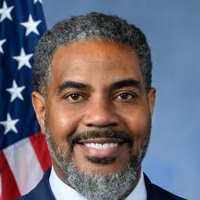
Steven Horsford
Representative
NV
Steven Horsford
Representative
NV
The HOME Act of 2025 aims to combat the affordable housing crisis by prohibiting price gouging on rentals and sales during officially declared crisis periods. It mandates investigations into housing market manipulation, including excessive purchases by large investors, and establishes a new HUD unit to monitor and enforce fair housing practices. Furthermore, the bill directs regulators to set standards for Fannie Mae and Freddie Mac investments to protect renters from unfair rent hikes and requires a review of anti-competitive behavior in housing markets.
This Act establishes federal penalties for assaulting hospital personnel and creates a grant program to help medical facilities improve workforce safety.
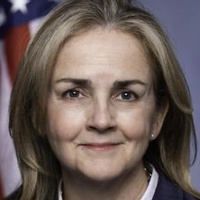
Madeleine Dean
Representative
PA
Madeleine Dean
Representative
PA
The Save Healthcare Workers Act aims to protect hospital personnel by making assault against them a federal crime with severe penalties. It also establishes a new federal grant program to help hospitals implement crucial safety measures, such as violence prevention training and physical security upgrades. This legislation seeks to reduce workplace violence in healthcare settings across the nation.
This act establishes research grants and training programs to develop and implement PFAS-free, next-generation turnout gear to protect firefighters from occupational illness and injury.

Debbie Dingell
Representative
MI
Debbie Dingell
Representative
MI
The PFAS Alternatives Act aims to protect firefighters by funding research and development for next-generation turnout gear that eliminates harmful PFAS chemicals. The bill establishes grants through NIOSH to create safer, PFAS-free protective equipment and separate funding for training programs on the proper care of this new gear. Ultimately, this legislation seeks to reduce occupational illness and injury among fire and EMS personnel.