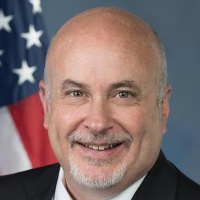
Legislative Activity
Track Mark's sponsored bills, co-sponsored legislation, and voting record
This Act prohibits the destruction of U.S. foreign aid supplies like food and medicine, mandating their delivery or donation to intended recipients before expiration to save lives and taxpayer dollars.
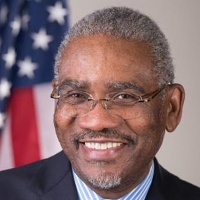
Gregory Meeks
Representative
NY
Gregory Meeks
Representative
NY
The Saving Lives and Taxpayer Dollars Act aims to ensure that U.S. foreign assistance commodities, such as food and medicine, are delivered to those in need rather than being destroyed. This legislation mandates that aid supplies must be distributed before they expire or spoil, thereby maximizing the humanitarian impact of U.S. aid. Furthermore, it establishes strict reporting requirements to track and prevent the waste of these vital resources. The bill highlights that effective foreign aid supports global health, strengthens the U.S. economy, and benefits American agriculture.
This resolution declares the Trump administration's fossil fuel directives a health and safety emergency disproportionately harming children's fundamental rights by worsening climate change and suppressing climate science.

Janice Schakowsky
Representative
IL
Janice Schakowsky
Representative
IL
This resolution declares a health and safety emergency disproportionately affecting children due to prior administration directives that promoted fossil fuels and suppressed climate science. Congress asserts that these actions harm children's fundamental rights to life and a stable environment by worsening climate change impacts. The bill demands the current administration cease policies that increase greenhouse gases and restore access to suppressed climate research. Ultimately, it calls for aligning all energy and climate laws with the duty to protect the rights and future of young people.
This Act mandates that federal agencies must provide current and former employees with easy and timely access to their official personnel files.
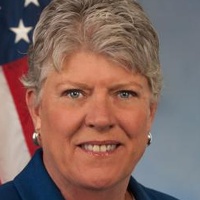
Julia Brownley
Representative
CA
Julia Brownley
Representative
CA
The Protecting Federal Employee Rights to Personnel Files Act of 2025 ensures current and former federal employees have a right to easily access their official personnel records. The bill mandates that agencies must provide electronic and physical copies of these files within seven days upon request for current employees. Furthermore, separating employees will automatically receive their file within seven days of their departure.
This Act mandates federal standards requiring employers to implement comprehensive heat illness and injury prevention programs to protect workers from dangerous heat stress.
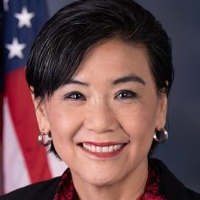
Judy Chu
Representative
CA
Judy Chu
Representative
CA
The Asunción Valdivia Heat Illness, Injury, and Fatality Prevention Act of 2025 mandates that employers protect workers from dangerous heat stress by establishing comprehensive safety standards. This Act requires the Secretary of Labor to create evidence-based rules covering engineering controls, administrative procedures, required training, and paid rest breaks to prevent heat-related illness. Furthermore, the law establishes strict enforcement mechanisms, whistleblower protections, and specific timelines for the implementation of these new federal heat protection standards.
The Housing Is a Human Right Act of 2025 shifts federal focus from penalizing homelessness to investing in supportive alternatives, increasing housing infrastructure funding, and ensuring equitable access to housing and voting rights.

Pramila Jayapal
Representative
WA
Pramila Jayapal
Representative
WA
The Housing Is a Human Right Act of 2025 aims to combat homelessness and housing instability through comprehensive federal action. It establishes new funding streams and infrastructure investments to build affordable housing and provide direct support services while shifting local responses away from criminalizing poverty. Furthermore, the Act introduces new taxes on high-value real estate transactions to fund these initiatives and mandates stronger civil rights protections across federal housing and assistance programs.
This bill reauthorizes the Public Health and Bio-Preparedness Workforce Loan Repayment Program through fiscal year 2030.
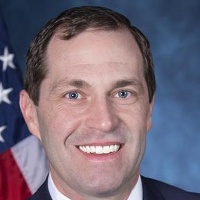
Jason Crow
Representative
CO
Jason Crow
Representative
CO
This bill reauthorizes the Public Health and Bio-Preparedness Workforce Loan Repayment Program through fiscal year 2030. It ensures continued support for professionals working in public health and bio-preparedness by extending their eligibility for loan repayment. This action secures the program for five additional years.
This act enables states to apply for federal waivers to create and implement their own comprehensive, budget-neutral universal healthcare systems.
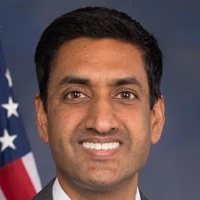
Ro Khanna
Representative
CA
Ro Khanna
Representative
CA
The State-Based Universal Health Care Act of 2025 empowers individual states to design and implement their own comprehensive universal health coverage systems. States can apply for a federal waiver to bypass most existing federal health insurance rules, including major parts of the ACA, Medicare, and Medicaid. In exchange for waiving federal funding, the federal government will transfer equivalent funds to the state, provided the state commits to covering at least 95% of its residents within five years and maintains budget neutrality for the federal government.
This comprehensive act establishes federal entitlements and grants to ensure access to affordable, high-quality child care and universal preschool for young children while significantly increasing compensation for early childhood educators.
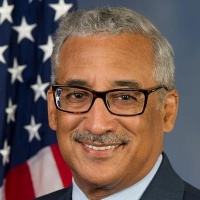
Robert Scott
Representative
VA
Robert Scott
Representative
VA
The Child Care for Working Families Act establishes comprehensive federal programs to ensure access to high-quality, affordable child care and universal preschool for young children. The legislation creates an entitlement program for child care, mandates that provider reimbursement rates cover actual costs and ensure living wages for staff, and establishes free, universal preschool for 3- and 4-year-olds. Additionally, it provides dedicated funding to stabilize childcare providers and extend the operating hours and compensation for Head Start staff.
This Act establishes strict transparency and consent requirements for businesses using automatic renewals and free-to-paid trial conversions, empowering the FTC to enforce against deceptive practices like "dark patterns."

Yvette Clarke
Representative
NY
Yvette Clarke
Representative
NY
The Consumer Online Payment Transparency and Integrity Act establishes strict new rules for businesses using automatic renewals and free-to-paid trial conversions. It mandates clear upfront disclosures, requires express consent for annual renewals, and demands easy, comparable cancellation methods for consumers. The Federal Trade Commission is empowered to enforce these provisions, treating violations as unfair or deceptive practices and specifically targeting the use of "dark patterns."
This Act phases out the use of aircraft in wild horse and burro roundups, mandates camera recording during any remaining aerial operations, and requires a GAO report on humane management alternatives.
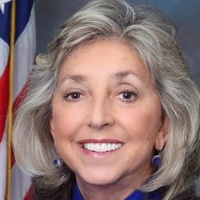
Dina Titus
Representative
NV
Dina Titus
Representative
NV
The Wild Horse and Burro Protection Act of 2025 aims to reform the management of wild horses and burros on federal lands by phasing out the use of helicopters in roundups over two years. This legislation mandates increased transparency through camera requirements on any remaining aircraft used during this transition. Furthermore, it directs the GAO to report on humane, non-aircraft population management alternatives and their economic impacts.
This resolution expresses support for designating July 10th as Journeyman Lineworkers Recognition Day to honor the dangerous and essential service provided by these workers, especially during crises.

Linda Sánchez
Representative
CA
Linda Sánchez
Representative
CA
This resolution expresses support for designating July 10th as Journeyman Lineworkers Recognition Day. It honors the essential and dangerous work performed by these skilled professionals, especially their heroic efforts in restoring power after major disasters. The day serves to recognize their service and remember those who have lost their lives performing this vital work.
This bill establishes a Special Envoy for Humanitarian Aid Workers to investigate incidents, improve coordination, and mandates the suspension of security aid to countries that unlawfully harm aid workers.

Chellie Pingree
Representative
ME
Chellie Pingree
Representative
ME
This bill establishes a new Special Envoy for Humanitarian Aid Workers within the State Department to investigate serious incidents involving U.S.-supported aid workers abroad. It mandates the suspension of security assistance to foreign countries that unlawfully kill or injure aid workers and refuse to cooperate with investigations. Furthermore, the bill creates an interagency group, led by the Envoy, to conduct detailed inquiries into every death or detention of an aid worker during an active mission.
This act modernizes the Fairness to Contact Lens Consumers Act by requiring online sellers to accept electronic prescription transfers, mandating encrypted email for health information, and updating required seller contact information.
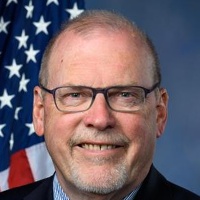
H. Griffith
Representative
VA
H. Griffith
Representative
VA
The Contact Lens Prescription Verification Modernization Act updates existing law to ensure consumers can easily obtain and use their contact lens prescriptions. This bill specifically requires online sellers to provide a HIPAA-compliant method for electronically receiving prescriptions and mandates encryption for any protected health information sent via email. Additionally, it updates seller record-keeping requirements to include customer email addresses.
This bill establishes a grant program to help high-need school districts hire, retain, and diversify mental health professionals to expand student access to services.

Rosa DeLauro
Representative
CT
Rosa DeLauro
Representative
CT
The Expanding Access to Mental Health Services in Schools Act of 2025 establishes a new federal grant program to increase the number of mental health professionals in high-need school districts. This funding is specifically designed to help eligible agencies recruit, hire, and retain school counselors, psychologists, and social workers. Grantees must demonstrate a plan to improve student-to-provider ratios and report annually on staffing improvements and provider retention.
This Act establishes a federal grant program to fund travel and logistical support for individuals accessing abortion services, explicitly excluding payment for the procedure itself.
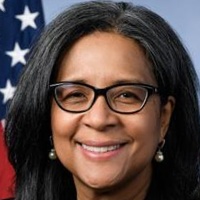
Marilyn Strickland
Representative
WA
Marilyn Strickland
Representative
WA
The Reproductive Health Travel Fund Act of 2025 establishes a federal grant program to help cover the logistical costs associated with accessing abortion services. This funding is specifically designated for travel, lodging, childcare, and other support services for individuals, but explicitly excludes payment for the procedure itself. Priority for these grants will be given to established community organizations that assist people living in states with abortion bans or heavy restrictions. The Act also includes provisions to protect grant recipients and users from state or local interference related to the funded activities.
This Act prohibits the use of Medicaid funding for any paid service aimed at changing an individual's sexual orientation or gender identity.

Shri Thanedar
Representative
MI
Shri Thanedar
Representative
MI
This bill, the Prohibition of Medicaid Funding for Conversion Therapy Act, prohibits Medicaid plans from using federal funds to pay for conversion therapy services. Conversion therapy is defined as any paid practice aimed at changing an individual's sexual orientation or gender identity. This legislation ensures that taxpayer dollars do not support efforts to alter a person's core identity.
This Act mandates annual appropriations law training for certain federal employees in covered positions and establishes penalties for noncompliance.

Marcy Kaptur
Representative
OH
Marcy Kaptur
Representative
OH
The Appropriations Compliance and Training Act mandates annual training on federal appropriations law for certain high-level government employees in covered positions. This ensures employees handling federal funds understand key spending rules, such as the bona fide needs rule and relevant statutes. Agencies must track completion, and non-compliant employees face escalating penalties, including loss of spending authority and IT access.
The Treat and Reduce Obesity Act of 2025 expands Medicare coverage for intensive behavioral therapy for obesity and mandates Part D coverage for certain weight management medications for eligible beneficiaries.
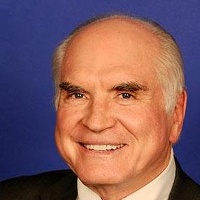
Mike Kelly
Representative
PA
Mike Kelly
Representative
PA
The Treat and Reduce Obesity Act of 2025 aims to combat the growing obesity epidemic, particularly among older adults, by expanding access to intensive behavioral therapy under Medicare. This bill mandates that Medicare Part D plans begin covering FDA-approved medications for obesity and weight management in individuals with related health conditions. Finally, it requires the Secretary of HHS to report regularly to Congress on the implementation and coordination of these new obesity treatment strategies.
The GLOBE Act of 2025 mandates comprehensive U.S. government action to protect and promote the human rights of LGBTQI people globally through diplomatic strategies, targeted sanctions, foreign aid reform, and immigration protections.
Dina Titus
Representative
NV
Dina Titus
Representative
NV
The GLOBE Act of 2025 establishes a comprehensive U.S. strategy to champion and protect the human rights of LGBTQI people globally through diplomacy, targeted sanctions, and foreign assistance reforms. The bill mandates enhanced reporting on violence and discrimination while creating new interagency roles and funds to support international advocacy and development efforts. Furthermore, it reforms immigration law to better protect LGBTQI asylum seekers and ensures inclusive implementation of U.S. global health programs like PEPFAR.
This resolution formally recognizes the history, achievements, and ongoing struggles of the LGBTQIA+ community while encouraging the celebration of Pride Month and affirming that LGBTQIA+ rights are human rights.

Al Green
Representative
TX
Al Green
Representative
TX
This resolution formally recognizes the history, achievements, and ongoing struggles of the LGBTQIA+ community in the United States. It serves as a declaration by Congress affirming that LGBTQIA+ rights are human rights and encouraging the celebration of Pride Month. The bill highlights key historical milestones, legal victories, and acknowledges the persistent challenges and violence faced by the community. Ultimately, it commits the U.S. to continuing the pursuit of full equality for all citizens.