Legislative Activity
Track Mark's sponsored bills, co-sponsored legislation, and voting record
This resolution urges the Centers for Medicare & Medicaid Services to immediately halt its AI-driven pilot program for determining Medicare coverage to protect seniors' access to critical healthcare.
Greg Landsman
Representative
OH
Greg Landsman
Representative
OH
This resolution expresses the sense of the House of Representatives that the Centers for Medicare & Medicaid Services (CMS) must immediately halt its pilot program utilizing artificial intelligence to determine Medicare coverage. Congress is urging CMS to stop using AI in coverage decisions to ensure seniors' access to critical healthcare is not jeopardized. Furthermore, the resolution requires CMS to review any coverage decisions made under the suspended pilot program.
The RESULTS Act reforms how Medicare determines payment rates for clinical diagnostic laboratory tests by mandating the use of comprehensive, real-world private payor claims data collected from an independent entity.
Richard Hudson
Representative
NC
Richard Hudson
Representative
NC
The Reforming and Enhancing Sustainable Updates to Laboratory Testing Services Act of 2025 (RESULTS Act) aims to improve Medicare payment rates for clinical lab tests by mandating the collection of more accurate, real-world payment data directly from large, independent private insurance claims databases. This legislation updates definitions, collection timelines, and calculation methods to ensure Medicare payments for widely available tests reflect current market rates. It also establishes default payment rules if sufficient private payor data cannot be secured.
This resolution expresses support for designating September 9, 2025, as "National Firearm Suicide Prevention Day" to raise awareness about firearm suicide and promote safe and secure firearm storage as a key suicide prevention measure.
Julia Brownley
Representative
CA
Julia Brownley
Representative
CA
This resolution expresses support for designating September 9, 2025, as "National Firearm Suicide Prevention Day." The goal is to raise awareness about the growing crisis of firearm suicides across the United States. It emphasizes that safe and secure firearm storage is a critical component of suicide prevention efforts. The resolution encourages professionals to discuss gun safety and suicide prevention with their patients.
This Act establishes a framework for striking workers to access unemployment insurance benefits after a two-week waiting period or the hiring of permanent replacements.
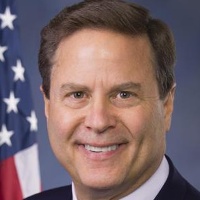
Donald Norcross
Representative
NJ
Donald Norcross
Representative
NJ
The Empowering Striking Workers Act of 2025 establishes a pathway for workers involved in a strike or lockout to receive unemployment insurance benefits after a mandatory 14-day waiting period. This legislation also exempts striking workers from the standard requirement to actively search for new employment while they are unable to work due to the labor dispute.
This Act allocates \$2.165 billion in dedicated funding for the CDC's National Center for HIV, Viral Hepatitis, STD, and Tuberculosis Prevention for the 2026 fiscal year.

Maxine Waters
Representative
CA
Maxine Waters
Representative
CA
The HIV Prevention Now Act secures **\$2.165 billion** in dedicated funding for the CDC's National Center for HIV, Viral Hepatitis, STD, and Tuberculosis Prevention for Fiscal Year 2026. This appropriation is specifically earmarked to support the center's prevention programs and activities. This funding is supplemental to, and cannot be transferred from, other existing appropriations.
This resolution affirms Congress's strong support for the Federal Reserve's independence from political interference, particularly from the Executive Branch.
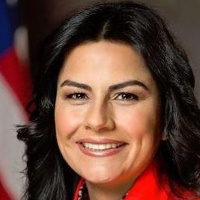
Nanette Barragán
Representative
CA
Nanette Barragán
Representative
CA
This resolution affirms strong Congressional support for the independence of the Federal Reserve System, its Chairman, and the Board of Governors. It emphasizes that the Fed must be free from political pressure to effectively manage monetary policy and maintain financial stability. The bill specifically warns against any executive interference that could undermine the Fed's integrity or global trust in the U.S. financial system.
The PrEP and PEP are Prevention Act mandates no-cost coverage for HIV prevention services, including FDA-approved drugs, testing, and counseling, across private insurance, Medicare, Medicaid, CHIP, and the Federal Employees Health Benefits Program.
Maxine Waters
Representative
CA
Maxine Waters
Representative
CA
The PrEP and PEP are Prevention Act mandates that essential HIV prevention services, including FDA-approved medications like PrEP and PEP, must be covered at no cost to the patient across private insurance, Medicare, Medicaid, CHIP, and the Federal Employees Health Benefits program. This law eliminates financial barriers such as deductibles, copays, and prior authorization requirements for these preventive treatments and necessary related care. The goal is to ensure universal, barrier-free access to critical HIV prevention tools.
This Act strengthens privacy protections for Farm Service Agency borrowers by prohibiting the disclosure of their personal loan and payment information to certain government employees, with limited exceptions.
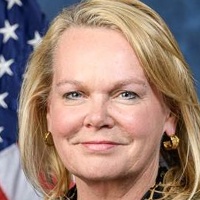
April McClain Delaney
Representative
MD
April McClain Delaney
Representative
MD
The Protecting Agricultural Borrower Information Act strengthens privacy protections for individuals receiving loans or payments from the Farm Service Agency (FSA). This legislation prohibits FSA employees from sharing specific borrower data with certain government personnel unless the information is aggregated or the borrower provides voluntary consent. The Act establishes significant penalties, including fines and imprisonment, for intentional violations of these new privacy standards.
This Act bans Members of Congress and their immediate families from trading or owning specific investments while in office, requiring divestment within 90 to 180 days or facing significant financial penalties.

Chip Roy
Representative
TX
Chip Roy
Representative
TX
The Restore Trust in Congress Act establishes strict new rules prohibiting Members of Congress and their immediate families from owning or trading specific financial assets, referred to as "covered investments," while in office. Covered individuals must divest existing prohibited holdings within a set timeframe or face significant financial penalties, including fines and forfeiture of profits. The legislation aims to eliminate conflicts of interest arising from personal financial trading while serving in federal office.
The MORE Act seeks to federally decriminalize cannabis, expunge past non-violent federal cannabis convictions, establish reinvestment programs, and open up SBA access for cannabis-related businesses.
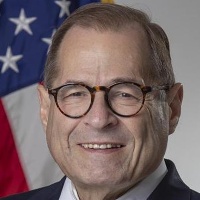
Jerrold Nadler
Representative
NY
Jerrold Nadler
Representative
NY
The Marijuana Opportunity Reinvestment and Expungement (MORE) Act seeks to federally decriminalize cannabis by removing it from the Controlled Substances Act, which will retroactively apply to past offenses. The bill establishes an Opportunity Trust Fund, financed by new cannabis taxes, to reinvest in communities harmed by prohibition. Furthermore, it mandates the expungement of non-violent federal cannabis convictions and opens up Small Business Administration (SBA) programs to legitimate cannabis businesses.
This act officially designates the Peter J. McGuire Memorial and gravesite in New Jersey as a National Commemorative Site to honor the labor leader who proposed the first Labor Day.
Donald Norcross
Representative
NJ
Donald Norcross
Representative
NJ
The Peter J. McGuire Labor Day Landmark Act officially designates the Peter J. McGuire Memorial and gravesite in Pennsauken, New Jersey, as the Peter J. McGuire Memorial National Commemorative Site. This designation honors McGuire's pivotal role in founding major labor organizations and proposing the concept of Labor Day. The bill allows for partnerships to support educational programming at the site without altering existing property rights.
The Dont STEAL Act mandates that employers pay employees the highest rate among their contract, federal, or state requirements, and it introduces stricter criminal penalties for willful wage theft.
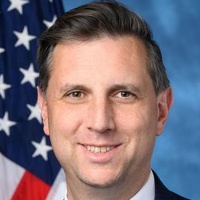
Seth Magaziner
Representative
RI
Seth Magaziner
Representative
RI
The Dont STEAL Act ensures employees are paid at least the highest amount guaranteed by their contract or federal/state law. It strengthens the Fair Labor Standards Act by establishing new criminal penalties, including potential prison time, for employers who willfully commit wage theft exceeding $1,000. Furthermore, fines collected from these new criminal penalties will fund the Department of Labor's enforcement efforts.
This resolution formally states Congress's commitment to upholding the current retirement ages for Social Security and Medicare, affirming the President's promise not to raise them.

Marcy Kaptur
Representative
OH
Marcy Kaptur
Representative
OH
This resolution formally affirms Congress's commitment to maintaining the current retirement ages for Social Security and Medicare benefits. It declares that raising the eligibility age would constitute an unfair cut to the earned benefits of current and future retirees. The measure highlights the reliance of millions on these programs and rejects any proposals to push back access to earned retirement security and healthcare.
This Act prohibits grocery stores from price gouging, using personal surveillance data to set individualized prices, and mandates disclosure of facial recognition use, while banning electronic shelf labels in larger stores.
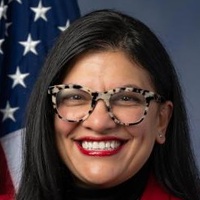
Rashida Tlaib
Representative
MI
Rashida Tlaib
Representative
MI
The Stop Price Gouging in Grocery Stores Act of 2025 aims to protect consumers by prohibiting grocery stores from charging "grossly excessive" prices for food items. The bill also bans stores from adjusting prices based on personal tracking data, such as facial recognition, and requires clear signage if facial recognition technology is used. Furthermore, it mandates that large physical grocery stores must use printed signs instead of electronic shelf labels for displaying prices.
The Keep Seniors Fed Act amends the Food and Nutrition Act of 2008 to include Title II Social Security payments when calculating eligibility for food assistance benefits.
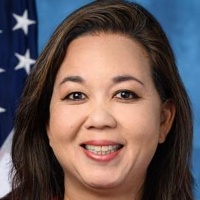
Jill Tokuda
Representative
HI
Jill Tokuda
Representative
HI
The Keep Seniors Fed Act makes technical amendments to the Food and Nutrition Act of 2008 regarding how income is calculated for food assistance eligibility. Specifically, it mandates that income received under Title II of the Social Security Act must now be counted when determining eligibility for benefits. These changes will take effect 90 days after the bill is signed into law.
This bill establishes a competitive grant program to fund the creation and operation of pet-friendly interim and permanent housing for unhoused individuals, ensuring access to necessary supportive and veterinary care for both people and their companion animals.
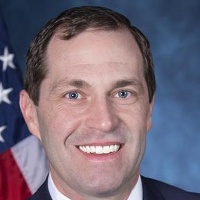
Jason Crow
Representative
CO
Jason Crow
Representative
CO
The Providing for Unhoused People and Pets Act of 2025 (PUPP Act) establishes a grant program to fund the creation and upgrading of interim and permanent housing that accommodates unhoused individuals along with their pets. Managed jointly by the Secretaries of Agriculture and HUD, these grants support construction, renovation, and essential pet-related operating costs. Grantees must ensure housing provides necessary supportive services for occupants and basic veterinary care for their companion animals.
This act mandates that the Department of Veterans Affairs must provide abortion care, counseling, and related services and medication to eligible veterans and certain other individuals.
Julia Brownley
Representative
CA
Julia Brownley
Representative
CA
The Reproductive Freedom for Veterans Act mandates that the Department of Veterans Affairs (VA) must now provide abortion care, counseling, and related medication as part of the medical services offered to eligible veterans and certain other beneficiaries. This legislation formally amends existing VA health care provisions to include these reproductive health services.
This act mandates that employers provide employees with at least two hours of paid leave to vote in federal elections, with the employer determining the specific time the leave is taken.
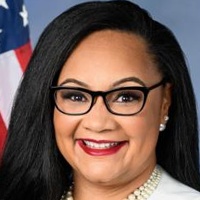
Nikema Williams
Representative
GA
Nikema Williams
Representative
GA
The Time Off to Vote Act mandates that employers provide employees with at least two consecutive hours of paid leave to vote in federal elections. Employers retain control over when this paid leave is taken, which can include early voting periods if permitted by state law. This Act prohibits employers from penalizing employees for utilizing this required voting leave.
This bill updates voting rights requirements by expanding language assistance definitions, creating incentive grants for voluntary translation services, and mandating a study on lowering language assistance thresholds.
Nikema Williams
Representative
GA
Nikema Williams
Representative
GA
The Expanding the VOTE Act updates language assistance requirements under the Voting Rights Act by modernizing the definition of "voting materials" to include digital information. It also establishes new state responsibilities for providing language assistance and creates a grant program to incentivize voluntary language support beyond current mandates. Furthermore, the bill includes special provisions for unwritten American Indian and Alaska Native languages and mandates a study on lowering thresholds for language assistance coverage.
This Act mandates that the U.S. government's annual human rights reports abroad must include detailed findings on the status of reproductive rights, aligning U.S. foreign policy with international human rights standards.
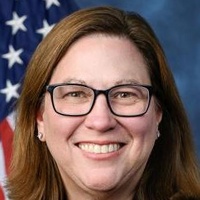
Julie Johnson
Representative
TX
Julie Johnson
Representative
TX
The Reproductive Rights are Human Rights Act of 2025 establishes that reproductive rights are fundamental human rights based on international commitments. This bill mandates that the State Department must include a detailed, required section on the status of reproductive rights in every country within its annual human rights reports. These reports must cover access to contraception, abortion services, and instances of reproductive coercion or discrimination against marginalized groups. The Act aims to ensure robust U.S. monitoring and accountability regarding global reproductive health and autonomy.