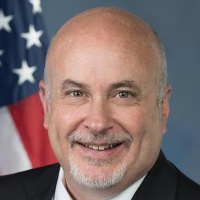
Legislative Activity
Track Mark's sponsored bills, co-sponsored legislation, and voting record
This bill prohibits the Secretary of Health and Human Services from implementing the Wasteful and Inappropriate Services Reduction (WISeR) Model under Medicare.
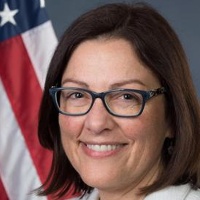
Suzan DelBene
Representative
WA
Suzan DelBene
Representative
WA
The Seniors Deserve SMARTER Care Act of 2025 prohibits the Secretary of Health and Human Services from implementing the Wasteful and Inappropriate Services Reduction (WISeR) Model under Medicare. This legislation specifically blocks the implementation of the prior authorization requirements associated with the WISeR Model. The goal is to prevent the adoption of this particular payment and service delivery model.
This Act establishes strict standards, training, and reporting requirements for federal immigration enforcement personnel regarding the use of force, identification, and equipment.
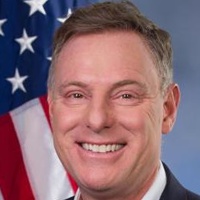
Scott Peters
Representative
CA
Scott Peters
Representative
CA
The Stop Excessive Force in Immigration Act of 2025 establishes strict new standards for the use of non-deadly force by federal immigration personnel, requiring proportionality and de-escalation efforts. The bill mandates identification requirements, restricts the use of certain crowd-control equipment, and imposes new body camera and detailed reporting mandates. Furthermore, it creates affirmative duties for officers to intervene against excessive force and requires annual training on these new policies.
This resolution urges the USDA to use its contingency funds and interchange authority to ensure continued funding for the Supplemental Nutrition Assistance Program (SNAP), especially during potential government shutdowns.
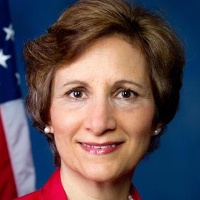
Suzanne Bonamici
Representative
OR
Suzanne Bonamici
Representative
OR
This resolution expresses the sense of the House that the Department of Agriculture should utilize its existing contingency funds and interchange authority to ensure the Supplemental Nutrition Assistance Program (SNAP) remains fully funded. The bill specifically urges the administration to immediately use these resources to finance SNAP operations, particularly during potential government funding lapses. This action is deemed crucial to support millions of vulnerable Americans, including children, seniors, and veterans, who rely on these benefits.
This resolution supports the goals of National Domestic Violence Awareness Month, highlights the pervasive and devastating impact of intimate partner violence across all demographics, and calls for increased funding for prevention and support programs.
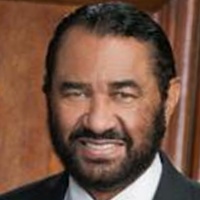
Al Green
Representative
TX
Al Green
Representative
TX
This resolution designates October as National Domestic Violence Awareness Month to highlight the widespread and devastating impact of intimate partner violence across all demographics. It recognizes the urgent need to eliminate domestic violence and supports increased funding for intervention and prevention programs. The resolution underscores the severe physical, emotional, and economic toll this abuse takes on individuals, families, and communities.
This bill extends and modifies various tax credits for energy production, efficiency improvements, and clean vehicle adoption to lower energy costs and support American energy leadership.
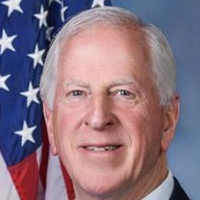
Mike Thompson
Representative
CA
Mike Thompson
Representative
CA
The American Energy Independence and Affordability Act is a comprehensive bill designed to lower energy costs by extending and adjusting key tax incentives across energy production, efficiency, and clean vehicle adoption. It stabilizes support for renewable energy manufacturing, extends deadlines for energy-efficient building credits, and ensures consumer incentives for electric vehicles remain available through 2032. Overall, the legislation aims to provide long-term certainty for energy investments and consumer adoption of cleaner technologies.
This resolution expresses support for recognizing October 26, 2025, as Intersex Awareness Day and advocates for the bodily autonomy and human rights of intersex individuals, particularly by opposing nonconsensual early medical interventions.
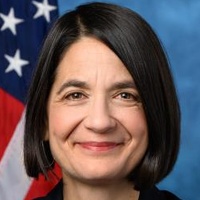
Becca Balint
Representative
VT
Becca Balint
Representative
VT
This resolution expresses the House's support for recognizing October 26th as Intersex Awareness Day and affirms the goals of the observance. It highlights the reality of natural variations in sex characteristics and strongly condemns nonconsensual, irreversible medical procedures performed on intersex infants and children. The bill encourages federal, state, and local entities to promote awareness, ensure culturally sensitive healthcare, and prioritize the bodily autonomy and human rights of intersex individuals.
This resolution formally honors the extraordinary life, groundbreaking scientific contributions, and enduring global legacy of Dr. Jane Goodall.

Mike Quigley
Representative
IL
Mike Quigley
Representative
IL
This resolution formally honors the extraordinary life, leadership, and enduring legacy of Dr. Jane Goodall. It celebrates her groundbreaking scientific contributions to primatology and her tireless global advocacy for wildlife conservation and environmental education. The bill recognizes her founding of the Roots and Shoots program and extends sympathy to her family and colleagues.
The BALL Act prohibits the use of federal funds for any construction or renovation at the White House or its grounds during a lapse in appropriations, except for essential health and safety repairs.
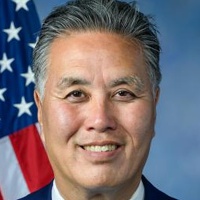
Mark Takano
Representative
CA
Mark Takano
Representative
CA
The BALL Act, or White House Building Activities Locked-out in Lapse Act, prohibits the use of federal funds for any construction or renovation projects at the White House or its grounds during a government shutdown caused by a lapse in appropriations. This spending ban remains in effect until new funding is enacted. The only exception allows for work deemed immediately necessary for health or safety reasons.
This bill prohibits placing names, logos, or endorsements inside or on White House property without explicit approval from the Speaker and Minority Leader of the House.
Mark Takano
Representative
CA
Mark Takano
Representative
CA
This bill, the White House NOT FOR SALE Act, prohibits placing any individual's or organization's name on permanent or semi-permanent displays within the White House or its grounds without express approval from both the Speaker and Minority Leader of the House. This approval process requires consultation with the White House Curator and the Committee for the Preservation of the White House. However, displays that qualify as "commemorative works" are governed by existing federal law instead.
This act ensures that state and local funds used to keep Head Start and Early Head Start programs running during a federal government shutdown are fully reimbursed.
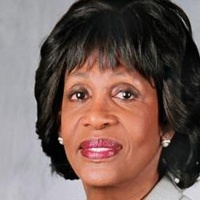
Maxine Waters
Representative
CA
Maxine Waters
Representative
CA
The Head Start Shutdown Protection Act of 2025 ensures that states, local governments, or school districts are reimbursed for any of their own funds used to keep Head Start and Early Head Start programs operational during a lapse in federal appropriations. This legislation protects these vital early childhood education services from disruption caused by government shutdowns. By guaranteeing reimbursement, the Act encourages local entities to maintain program continuity without bearing the financial burden.
This resolution expresses the House of Representatives' support for designating the second Monday in October 2025 as "Indigenous Peoples' Day" to honor the history, culture, and contributions of Indigenous Peoples.
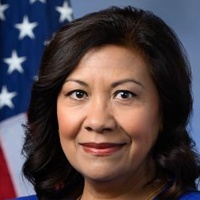
Norma Torres
Representative
CA
Norma Torres
Representative
CA
This resolution expresses the strong support of the House of Representatives for designating the second Monday in October 2025 as "Indigenous Peoples' Day." It aims to formally recognize and honor the history, culture, and enduring contributions of Indigenous Peoples in the United States. The measure encourages public observance and supports the eventual establishment of this day as an official Federal holiday.
This Act mandates that all states must operate the WIC program and guarantees necessary funding through permanent appropriation starting in fiscal year 2026.
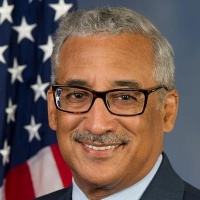
Robert Scott
Representative
VA
Robert Scott
Representative
VA
The WIC Benefits Protection Act mandates that all states must operate the Special Supplemental Nutrition Program for Women, Infants, and Children (WIC). This legislation also guarantees permanent, mandatory funding for WIC starting in fiscal year 2026, ensuring the program has the necessary resources annually. Furthermore, it clarifies eligibility language within the program's governing statute.
The School Food Modernization Act provides federal loan guarantees, grants, and training to upgrade school food facilities and improve staff skills for serving healthier meals.
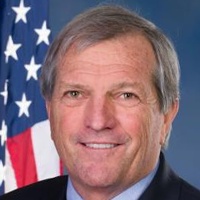
Mark DeSaulnier
Representative
CA
Mark DeSaulnier
Representative
CA
The School Food Modernization Act aims to improve school meal programs by providing financial assistance for facility upgrades and equipment purchases through loan guarantees and grants. It also establishes a new grant program to fund third-party training for school food service staff on nutrition standards and efficiency. Finally, the bill requires reports to Congress on program implementation and a study on how states use administrative funds for workforce training.
This act ensures federal employees furloughed due to a lapse in government funding are reimbursed for childcare expenses incurred during that period.

Ilhan Omar
Representative
MN
Ilhan Omar
Representative
MN
The Federal Worker Childcare Protection Act of 2025 aims to reimburse federal employees for childcare expenses incurred during periods of government shutdown or lapse in funding. Eligible employees who were furloughed or unpaid due to a funding lapse can receive reimbursement by submitting proof of payment to the GSA. This provision is contingent upon Congress appropriating the necessary funds.
This act expands physical therapists' participation in the National Health Service Corps loan repayment program and ensures Medicare coverage for their services at Rural Health Clinics and Federally Qualified Health Centers.

Diana DeGette
Representative
CO
Diana DeGette
Representative
CO
The Physical Therapist Workforce and Patient Access Act of 2025 aims to increase patient access to physical therapy, recognizing its importance in pain management and recovery. This bill integrates physical therapists into the National Health Service Corps, making them eligible for loan repayment in underserved areas. Furthermore, it mandates that Medicare Rural Health Clinics and Federally Qualified Health Centers cover physical therapy services starting in 2027.
The No Shame at School Act of 2025 mandates that schools must eliminate meal debt stigma by prohibiting overt identification of students who owe fees and ensuring immediate action to certify eligible children for free or reduced-price meals.
Ilhan Omar
Representative
MN
Ilhan Omar
Representative
MN
The No Shame at School Act of 2025 mandates that schools must stop shaming students over unpaid meal debt by prohibiting overt identification or segregation of students who owe fees. This law requires local agencies to actively pursue free meal certification for students with outstanding balances and prevents schools from taking food away after it has been served. Furthermore, it establishes strict rules for debt collection, forbidding communication directed at the child and banning the use of third-party debt collectors.
The Trust Through Transparency Act of 2025 mandates body camera usage for immigration enforcement agents, establishes specific video retention schedules, and requires annual public reporting on compliance and disciplinary actions.
Donald Norcross
Representative
NJ
Donald Norcross
Representative
NJ
The Trust Through Transparency Act of 2025 mandates that federal immigration enforcement agents wear body cameras during public-facing duties. The bill establishes specific rules for retaining video footage, generally requiring deletion after six months unless exceptions like use of force or a filed complaint apply. Furthermore, it requires annual public reporting to Congress on compliance and establishes an advisory panel to recommend best practices for camera usage and data management.
This resolution formally reaffirms the foundational principle of the separation of church and state while opposing extreme right-wing Christian nationalism, citing key historical addresses and anniversaries.
Yassamin Ansari
Representative
AZ
Yassamin Ansari
Representative
AZ
This resolution formally reaffirms the foundational American principle of the separation of church and state, citing historical context and key figures. It strongly opposes the rise of extreme right-wing Christian nationalism as a threat to religious diversity and democracy. The measure also commemorates the 65th anniversary of President Kennedy's address on this separation and the 150th anniversary of a speech by President Grant. Ultimately, this is a statement recognizing core values rather than enacting new law.
This Act provides appropriations and mandates contract price adjustments to compensate federal contractor employees for losses incurred due to funding lapses or government shutdowns.
Ayanna Pressley
Representative
MA
Ayanna Pressley
Representative
MA
The Fair Pay for Federal Contractors Act of 2025 ensures that employees of federal contractors are compensated for losses incurred due to government funding lapses or shutdowns. It requires federal agencies to adjust existing contracts to cover reasonable costs associated with furloughs, pay cuts, or mandatory leave taken by contractor employees. The bill appropriates necessary funds to cover these contract price adjustments and mandates public reporting on the compensation provided.
This bill mandates that certain new medical devices must be designed to be fully usable by individuals who are blind or have low vision.

Janice Schakowsky
Representative
IL
Janice Schakowsky
Representative
IL
The Medical Device Nonvisual Accessibility Act of 2025 mandates that certain new medical devices must be designed to be fully usable by individuals who are blind or have low vision. This ensures that users can access information and operate life-saving equipment independently and privately, similar to sighted users. The FDA is tasked with establishing specific nonvisual accessibility standards for these covered devices within a set timeline. Devices failing to meet these standards after the effective date will be deemed adulterated.