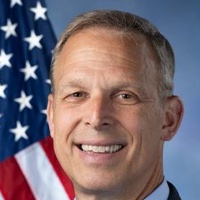
Legislative Activity
Track Scott's sponsored bills, co-sponsored legislation, and voting record
This bill mandates the designation of the Council on American-Islamic Relations (CAIR) as a Specially Designated Global Terrorist, requiring the freezing of its assets and the revocation of its tax-exempt status.

Chip Roy
Representative
TX
Chip Roy
Representative
TX
The Designating Hamas Affiliates in America Act of 2026 mandates the designation of the Council on American-Islamic Relations (CAIR) as a Specially Designated Global Terrorist under Executive Order 13224. This legislation requires the freezing of all CAIR assets, prohibits transactions with the organization, and revokes its tax-exempt status. Additionally, it directs the Secretary of State and the Secretary of the Treasury to submit a formal report to Congress regarding CAIR’s eligibility for this designation.
The Federal Building Threat Notification Act mandates the development and implementation of standardized emergency communication protocols to better inform and protect occupants of federal buildings during life safety events.
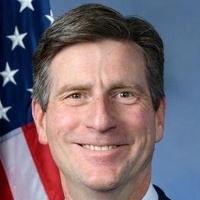
Greg Stanton
Representative
AZ
Greg Stanton
Representative
AZ
The Federal Building Threat Notification Act mandates the development of standardized emergency communication protocols for federal buildings to ensure occupants are promptly informed during life safety events. This legislation requires the General Services Administration and the Federal Protective Service to provide facility security committees with clear best practices for threat notification and safety procedures. Ultimately, the act aims to enhance occupant safety by ensuring consistent, actionable guidance is implemented across all applicable federal facilities.
This bill requires the General Services Administration to submit an annual report to Congress detailing the status, financial performance, and utilization of the federal real estate portfolio.
Greg Stanton
Representative
AZ
Greg Stanton
Representative
AZ
This bill requires the Administrator of General Services to submit an annual report to Congress detailing the status of the Public Building Service’s real estate portfolio. The report must provide comprehensive data on leasing activities, building ownership, occupancy rates, financial performance, and ongoing construction or disposal projects. This oversight measure aims to increase transparency regarding federal space utilization and maintenance liabilities.
This Act establishes new federal standards and requirements for states issuing commercial driver's licenses (CDLs) to individuals who are not residents of that issuing state, particularly focusing on drivers from foreign countries and U.S. territories.
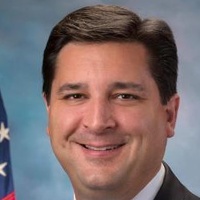
David Rouzer
Representative
NC
David Rouzer
Representative
NC
The Non-Domiciled CDL Integrity Act establishes new federal standards for states issuing Commercial Driver's Licenses (CDLs) to individuals who do not reside in that state. This bill sets specific, strict requirements for foreign nationals seeking a CDL, including proof of lawful status and job-related visas, while also outlining distinct procedures for applicants residing in U.S. territories. The legislation mandates enhanced record-keeping and reporting by states to the Secretary of Transportation regarding these non-domiciled licenses.
This bill amends the Federal Funding Accountability and Transparency Act to require federal award information to be posted publicly within three days of issuance rather than thirty.
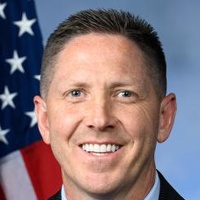
Josh Brecheen
Representative
OK
Josh Brecheen
Representative
OK
This bill amends the Federal Funding Accountability and Transparency Act of 2006 to increase government transparency. It mandates that information regarding federal awards be published online within three days of issuance, significantly accelerating the current 30-day reporting requirement to provide the public with near real-time access.
The Enhanced Iran Sanctions Act of 2025 mandates broad economic and immigration sanctions on foreign individuals, entities, and financial institutions that support Iran’s nuclear, missile, drone, or terrorist activities, while specifically targeting the country's petroleum and petrochemical sectors.
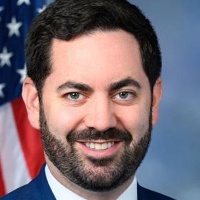
Michael Lawler
Representative
NY
Michael Lawler
Representative
NY
The Enhanced Iran Sanctions Act of 2025 strengthens U.S. policy by imposing mandatory sanctions on foreign persons and financial institutions that support Iran’s nuclear, ballistic missile, drone, and terrorist activities. The bill specifically targets Iran’s petroleum and petrochemical sectors to cut off funding for these malign programs. Additionally, it expands the State Department’s "Rewards for Justice" program to incentivize the reporting of individuals who evade these sanctions.
The Interstate Milk Freedom Act of 2026 prohibits federal interference with the interstate sale and transport of raw milk between states where such products are legally permitted.
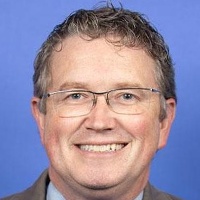
Thomas Massie
Representative
KY
Thomas Massie
Representative
KY
The Interstate Milk Freedom Act of 2026 prohibits federal interference in the interstate sale and transportation of unpasteurized milk and milk products. This protection applies when both the state of origin and the destination state permit the distribution of raw milk for human consumption and all state-level packaging and labeling laws are met. The bill preserves individual state authority while ensuring that compliant producers can move their products across state lines without federal restriction.
This bill prohibits the use of federal health insurance innovation waiver funds to provide coverage or benefits to individuals who are not U.S. citizens or lawfully present in the United States.
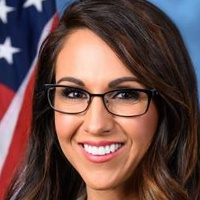
Lauren Boebert
Representative
CO
Lauren Boebert
Representative
CO
The "No Federal Tax Dollars for Illegal Aliens Health Insurance Act of 2026" prohibits the use of federal health insurance innovation waiver funds to provide coverage or benefits to individuals who are not U.S. citizens or lawfully present in the United States. Additionally, the bill mandates the rescission of any existing state waivers that do not comply with these new eligibility requirements.
This legislation reforms FISA to mandate warrants for searching U.S. person data and closes the legal loophole that allows government agencies to purchase sensitive personal information from data brokers.
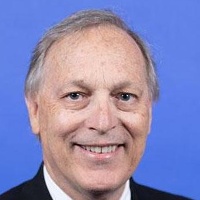
Andy Biggs
Representative
AZ
Andy Biggs
Representative
AZ
The Protect Liberty and End Warrantless Surveillance Act of 2026 strengthens privacy protections by requiring warrants for searching U.S. person data under FISA and prohibiting government agencies from purchasing sensitive personal information from data brokers. The legislation enhances judicial oversight of surveillance programs and closes legal loopholes that previously allowed agencies to bypass Fourth Amendment requirements. By mandating stricter court procedures, the bill ensures that digital records remain protected from unauthorized government access.
The One Nation, One Visa Policy Act prohibits the admission of Chinese nationals into the U.S. through any visa waiver program, requiring all individuals from the People's Republic of China, including Hong Kong and Macau, to possess a valid visa for entry.
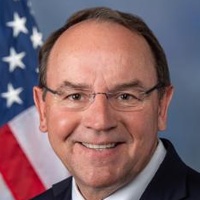
Thomas Tiffany
Representative
WI
Thomas Tiffany
Representative
WI
The One Nation, One Visa Policy Act mandates that all nationals of the People’s Republic of China, including those from Hong Kong and Macau, must possess a valid visa for entry into the United States. This legislation prohibits the Department of Homeland Security from using federal funds to allow Chinese nationals to participate in any visa waiver programs.
This bill prohibits federal agencies from providing funding or support for the creation or maintenance of state-level firearm ownership databases, with exceptions for records of lost or stolen weapons.

Paul Gosar
Representative
AZ
Paul Gosar
Representative
AZ
The Gun Owner Registration Information Protection Act prohibits federal agencies from providing funding or support for the creation and maintenance of state-level firearm ownership databases. This legislation ensures that federal resources cannot be used to track lawful gun owners, with a specific exception for databases tracking lost or stolen firearms.
The No Tax on Takings Act excludes gains from property seized through eminent domain from federal income taxation.

Ben Cline
Representative
VA
Ben Cline
Representative
VA
The "No Tax on Takings Act" provides property owners with a federal tax exclusion on gains realized from property taken through eminent domain. This legislation ensures that individuals are not penalized by the IRS when their property is involuntarily converted for public use. Taxpayers maintain the flexibility to opt out of this exclusion if they prefer to follow standard tax reporting rules.
This act prohibits federal funding for state or local governments that ban dog ownership, asserting the right of Americans to own dogs against foreign legal concepts.
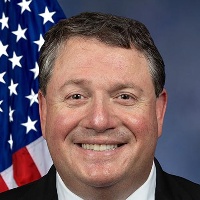
Randall Fine
Representative
FL
Randall Fine
Representative
FL
The "Protecting Puppies from Sharia Act" aims to prevent state and local governments from banning dog ownership by restricting federal funding to any jurisdiction that implements such a prohibition. Congress asserts that the right to own a dog is an American right and that Sharia law is a foreign concept contrary to the pursuit of happiness.
This bill officially renames the United States Postal Service facility in Mahaffey, Pennsylvania, as the "Robert Allen Bishop, Sr. Post Office Building."
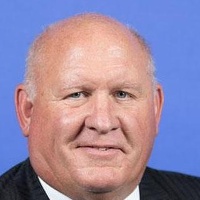
Glenn Thompson
Representative
PA
Glenn Thompson
Representative
PA
This bill officially renames the United States Postal Service facility located at 10 East Main Street in Mahaffey, Pennsylvania. The facility will now be known as the "Robert Allen Bishop, Sr. Post Office Building." This designation will apply to all future official federal references to the building.
This bill mandates that unspent federal agency funds be split, with most going to debt reduction, some rolled over for one year, and a small portion used for employee retention bonuses, while also limiting future budget requests.
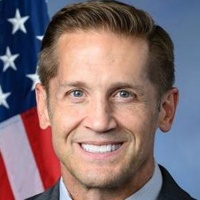
Rich McCormick
Representative
GA
Rich McCormick
Representative
GA
The Incentivize Savings Act mandates how federal agencies must handle unspent appropriations by dedicating the majority to debt reduction and allowing a portion for employee retention bonuses. This legislation also restricts future budget requests to only account for inflation unless the agency fully spends its prior allocation. Ultimately, the bill aims to encourage fiscal responsibility by linking unspent funds to debt reduction and limiting budget growth.
This bill mandates proof of U.S. citizenship for federal voter registration and requires photo identification showing citizenship status for voting in federal elections.
Chip Roy
Representative
TX
Chip Roy
Representative
TX
The Safeguard American Voter Eligibility Act (SAVE America Act) mandates that individuals must provide documentary proof of U.S. citizenship to register to vote in federal elections. It also establishes a federal requirement for voters to present a photo ID indicating U.S. citizenship when casting a ballot in federal elections. The bill outlines specific acceptable forms of proof and requires states to implement verification programs to ensure only citizens are registered and voting.
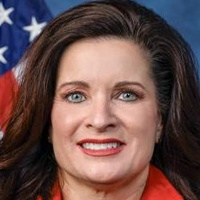
This Act mandates that federal agencies use specific sex-based terms like "female" or "mother" instead of "birthing person" in official communications.
Sheri Biggs
Representative
SC
Sheri Biggs
Representative
SC
The Protecting Motherhood Act mandates that federal agencies use specific, sex-based terminology such as "mother," "woman," or "female" instead of the term "birthing person" in all official documents. This legislation defines the required terms to ensure consistency in federal communications regarding pregnancy and parenthood.
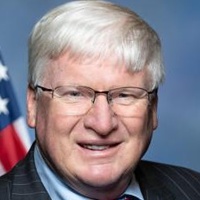
This bill mandates that U.S. citizenship or nationality, verified through documentation submitted to the SSA and DHS, is required for most federal public assistance benefits.
Glenn Grothman
Representative
WI
Glenn Grothman
Representative
WI
The Safeguarding Benefits for Americans Act of 2026 establishes U.S. citizenship or nationality as a mandatory requirement for receiving most federal public assistance benefits. This law mandates that applicants must attest to their citizenship status and provide documentation for verification against Social Security Administration and Department of Homeland Security records. These new citizenship verification rules will supersede existing eligibility laws unless those laws are more restrictive. Eligibility determinations under this new standard will begin one year after enactment.
This act removes the gray wolf from the endangered and threatened wildlife list and prohibits judicial review of that decision.
Lauren Boebert
Representative
CO
Lauren Boebert
Representative
CO
The Pet and Livestock Protection Act officially removes the gray wolf from the federal list of endangered and threatened wildlife. This legislation mandates the reissuance of the November 3, 2020, final rule concerning the gray wolf's delisting within 60 days of enactment. Furthermore, the reissuance of this rule is explicitly barred from judicial review.
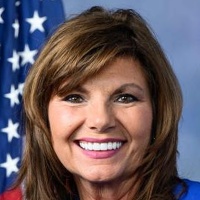
This bill grants motor vehicle owners secure, real-time access and joint control over their vehicle data while restricting manufacturers and fleet owners from selling that data without explicit opt-out consent.
Diana Harshbarger
Representative
TN
Diana Harshbarger
Representative
TN
The Data Rights for Information and Vehicle Electronics in Real-time (DRIVER) Act mandates that vehicle manufacturers provide owners with secure, real-time access to their vehicle's data at no extra cost. This bill also prohibits manufacturers and fleet owners from selling covered vehicle data without giving the owner or driver a clear opportunity to opt out. The Federal Trade Commission is granted authority to enforce these provisions against unfair or deceptive practices.