
Legislative Activity
Track Chellie's sponsored bills, co-sponsored legislation, and voting record
The PREDICT Act prohibits federal officials and their associates from trading in prediction markets tied to political event outcomes.
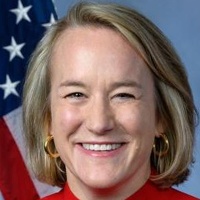
Nicole (Nikki) Budzinski
Representative
IL
Nicole (Nikki) Budzinski
Representative
IL
The PREDICT Act prohibits federal officials, including members of Congress, the President, and high-level executive and judicial employees, from trading in prediction markets tied to political events. The bill mandates financial penalties for violations, requires the disgorgement of any profits, and ensures public transparency by requiring ethics offices to disclose all assessed fines.
This bill eliminates interest on existing federal student loans, sets new federal loans to 0% interest starting in 2026, and establishes a Trust Fund to support zero-interest loans and supplemental Pell Grants.
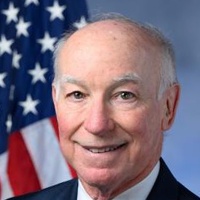
Joe Courtney
Representative
CT
Joe Courtney
Representative
CT
The Student Loan Interest Elimination Act aims to significantly reduce student debt burdens by automatically stopping interest accrual on existing federal loans starting in 2026 and setting interest rates for new federal loans to 0%. The bill also establishes a dedicated Trust Fund, funded by loan repayments, to support zero-interest loans and provide supplemental Pell Grants to eligible students. Furthermore, it allows certain borrowers to refinance non-federal loans into interest-free federal consolidation loans, while granting the Secretary of Education expedited authority to implement these sweeping changes.
This resolution designates March 21, 2026, as "National Women in Agriculture Day" to honor the vital contributions and leadership of women across the U.S. agricultural sector.
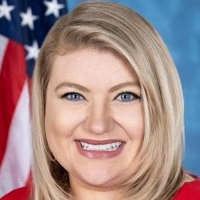
Katherine Cammack
Representative
FL
Katherine Cammack
Representative
FL
This resolution designates March 15–21, 2026, as a period to celebrate the vital contributions of women across the U.S. agricultural sector. It honors the millions of female producers, researchers, and educators who drive innovation and sustain the nation's food supply. By recognizing these leaders, the bill aims to inspire the next generation of women to pursue careers in agriculture and agribusiness.
The Energy Bills Relief Act aims to lower energy costs for families by reversing clean energy rollbacks, expanding assistance programs, streamlining grid upgrades, and increasing transparency in utility regulation.
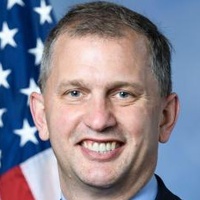
Sean Casten
Representative
IL
Sean Casten
Representative
IL
The Energy Bills Relief Act is a comprehensive bill designed to lower energy costs for American families, accelerate the deployment of low-cost, clean energy, and modernize the nation's electricity grid. It achieves this by reversing harmful policies against renewables, expanding energy assistance programs, streamlining grid connection processes, and increasing transparency in utility regulation. Ultimately, the legislation aims to create a more reliable, affordable, and cleaner energy system while ensuring communities have a stronger voice in energy development.
The Momnibus Act is a comprehensive legislative package designed to improve maternal health outcomes and reduce racial disparities by addressing social determinants, expanding nutritional and mental health support, diversifying the perinatal workforce, and investing in data-driven, community-based care.
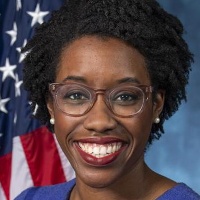
Lauren Underwood
Representative
IL
Lauren Underwood
Representative
IL
The Momnibus Act is a comprehensive legislative package designed to end preventable maternal mortality and close racial and ethnic disparities in maternal health outcomes. By addressing social determinants of health, expanding nutritional and mental health support, and investing in a diverse, culturally competent workforce, the bill provides a holistic framework for improving care. Through targeted federal grants, enhanced data collection, and innovative technology, the Act aims to ensure that all pregnant and postpartum individuals receive the equitable, high-quality care they deserve.
This bill imposes a 50% excise tax on the windfall profits of major oil companies when oil prices exceed 2025 averages, with revenues funding quarterly, income-limited gasoline price rebates for eligible individuals.
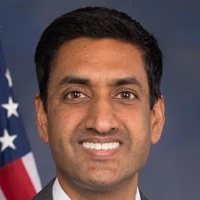
Ro Khanna
Representative
CA
Ro Khanna
Representative
CA
This bill imposes a 50% excise tax on the windfall profits of major oil companies when crude oil prices exceed a 2025 average benchmark. Revenue generated funds a new trust, which is then used to provide quarterly, refundable gasoline price rebates to eligible individuals. The rebate amount is subject to income phase-outs and requires a valid Social Security number for full credit.
This bill protects the Chí’chil Biłdagoteel Historic District by prohibiting mineral extraction and land transfers to ensure the preservation of this sacred site for Native American tribes.
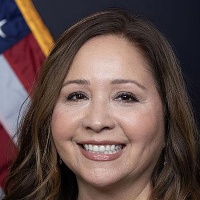
Adelita Grijalva
Representative
AZ
Adelita Grijalva
Representative
AZ
The Preserve the Traditional Cultural Place Chí’chil Biłdagoteel Historic District Act seeks to protect the sacred Oak Flat area by prohibiting all mineral exploration, development, and extraction activities on National Forest System land within the district. The bill mandates that the Secretary of Agriculture manage the area to preserve its cultural and historical integrity in consultation with affected Indian Tribes. Additionally, it prevents the transfer of these lands to Resolution Copper, ensuring the site remains protected from industrial development.
This bill reauthorizes and updates the Integrated Coastal and Ocean Observation System Act of 2009 to expand oceanographic research capabilities and authorize $47.5 million in annual funding through 2030.
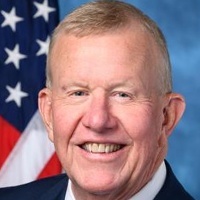
Mike Ezell
Representative
MS
Mike Ezell
Representative
MS
This bill reauthorizes the Integrated Coastal and Ocean Observation System Act of 2009, updating its governing structure and expanding the scope of its oceanographic research and data-sharing capabilities. It also mandates improved collaboration between regional and federal observing systems to enhance data integration. Additionally, the legislation authorizes $47.5 million in annual funding for these initiatives from fiscal years 2026 through 2030.
This bill establishes a $50 million grant program to provide stabilization payments to farm, meat processing, and grocery workers during times of disaster.
Nicole (Nikki) Budzinski
Representative
IL
Nicole (Nikki) Budzinski
Representative
IL
The Grocery, Farm, and Food Worker Stabilization Grant Program Act of 2026 establishes a $50 million grant program to provide financial stabilization payments to essential food, farm, and grocery workers during disasters. Administered by the Secretary of Agriculture, the program distributes funds through labor unions and membership organizations to support these workers when they are most vulnerable.
This act expands Medicaid recognition of podiatrists as physicians and streamlines Medicare documentation requirements for diabetic therapeutic shoes.
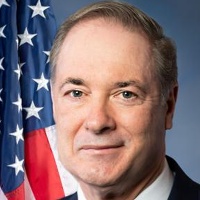
John Joyce
Representative
PA
John Joyce
Representative
PA
The Diabetes Foot Health Access and Modernization Act of 2026 improves patient care by officially recognizing doctors of podiatric medicine as physicians within the Medicaid program. Additionally, the bill streamlines Medicare documentation requirements to ensure patients with diabetes have better access to essential therapeutic footwear.
This bill amends the Fair Labor Standards Act to extend minimum wage and overtime protections to home care workers by removing certain exemptions for casual babysitting and caregiving services.
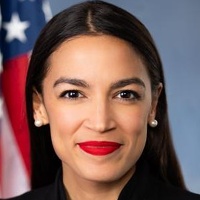
Alexandria Ocasio-Cortez
Representative
NY
Alexandria Ocasio-Cortez
Representative
NY
The Fair Wages for Home Care Workers Act amends the Fair Labor Standards Act to ensure essential wage and overtime protections for caregivers. By updating definitions and removing outdated exemptions, the bill guarantees that home care workers receive the fair compensation and labor standards they deserve.
The Interstate Milk Freedom Act of 2026 prohibits federal interference with the interstate sale and transport of raw milk between states where such products are legally permitted.
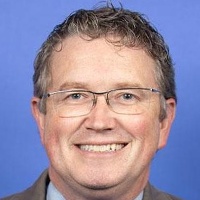
Thomas Massie
Representative
KY
Thomas Massie
Representative
KY
The Interstate Milk Freedom Act of 2026 prohibits federal interference in the interstate sale and transportation of unpasteurized milk and milk products. This protection applies when both the state of origin and the destination state permit the distribution of raw milk for human consumption and all state-level packaging and labeling laws are met. The bill preserves individual state authority while ensuring that compliant producers can move their products across state lines without federal restriction.
This resolution directs the President to remove U.S. Armed Forces from unauthorized hostilities against Iran, pursuant to the War Powers Resolution.
Thomas Massie
Representative
KY
Thomas Massie
Representative
KY
This resolution directs the President, under the authority of the War Powers Resolution, to immediately remove U.S. Armed Forces from unauthorized hostilities against the Islamic Republic of Iran. It asserts that military action must cease unless Congress has formally declared war or passed a specific authorization for the use of force. The bill explicitly states that it does not authorize new military action nor does it impede necessary self-defense against an immediate attack.
The Supplemental Security Income Restoration Act of 2026 updates and expands the SSI program by increasing benefit amounts, raising income and resource limits, eliminating marriage penalties, and extending coverage to U.S. territories.
Adelita Grijalva
Representative
AZ
Adelita Grijalva
Representative
AZ
The Supplemental Security Income (SSI) Restoration Act of 2026 aims to modernize and expand the SSI program by significantly increasing income and resource limits, which will be adjusted annually for inflation. The bill eliminates marriage penalties, excludes retirement accounts and certain tribal payments from resource calculations, and simplifies administrative requirements for beneficiaries. Additionally, it extends full SSI program eligibility to Puerto Rico, the U.S. Virgin Islands, Guam, and American Samoa.
The PrEP Access and Coverage Act of 2026 mandates comprehensive, cost-free insurance coverage for HIV prevention services across public and private health plans while prohibiting discriminatory insurance practices and funding national education and outreach programs.
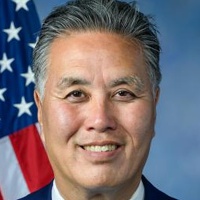
Mark Takano
Representative
CA
Mark Takano
Representative
CA
The PrEP Access and Coverage Act of 2026 mandates comprehensive, cost-free insurance coverage for HIV prevention services (PrEP and PEP) across private health plans, Medicare, Medicaid, TRICARE, and veteran health programs. The bill prohibits insurers from denying coverage or increasing premiums based on the use of HIV prevention medication and establishes robust patient confidentiality protections. Additionally, it authorizes national public health education campaigns and provides grant funding to expand access to prevention services for uninsured and underinsured populations.
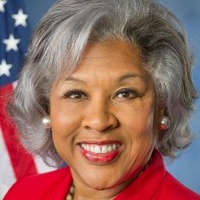
This resolution urges the President to order U.S. flags flown at half-staff to honor the life and legacy of civil rights leader Reverend Jesse Jackson.
Joyce Beatty
Representative
OH
Joyce Beatty
Representative
OH
This resolution formally honors the life and enduring legacy of civil rights leader Reverend Jesse Louis Burns Jackson, Sr. It recognizes his significant contributions to the Civil Rights Movement, including his work with Dr. Martin Luther King, Jr. and his founding of Operation PUSH. The bill specifically urges the President to order that the U.S. flag be flown at half-staff in his memory.
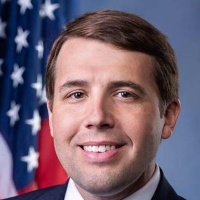
This bill strengthens democracy by banning foreign spending in U.S. elections, increasing transparency for "dark money" in politics, and mandating clear disclosure of funders in political advertising.
Chris Pappas
Representative
NH
Chris Pappas
Representative
NH
The Democracy Is Strengthened by Casting Light On Spending in Elections Act of 2026 aims to increase transparency and security in U.S. elections. It closes loopholes to ban foreign national spending in elections, mandates disclosure for "dark money" political spending, and requires clear funding disclosures on political ads. The bill also centralizes legal challenges to campaign finance laws in Washington, D.C., for faster resolution.
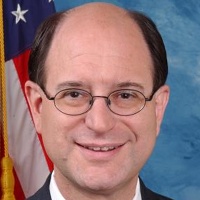
The Direct File Act of 2026 establishes a permanent, free, government-owned online tax filing system within the IRS while prohibiting agreements that restrict the government from providing tax preparation services.
Brad Sherman
Representative
CA
Brad Sherman
Representative
CA
The Direct File Act of 2026 establishes a permanent, free, government-owned online tax filing system within the IRS, ensuring taxpayers have a simplified and accessible way to file their returns. The bill prohibits the Treasury from entering into agreements that restrict the government's ability to provide these services and mandates the integration of state tax filing options. Additionally, it streamlines the tax process by setting new filing deadlines for employer information returns to improve efficiency for all taxpayers.
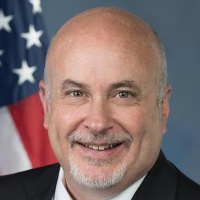
This act renames Medicare Advantage to the Alternative Private Health Plan program and imposes a $\$100,000$ civil money penalty for advertising plans using the term "Medicare" in their title.
Mark Pocan
Representative
WI
Mark Pocan
Representative
WI
The Save Medicare Act renames the Medicare Advantage program to the "Alternative Private Health Plan program." It also establishes a significant civil money penalty of \$100,000 for any entity that advertises a Part C plan using the term "Medicare" in its title. The bill mandates an orderly transition to the new program name by October 15, 2023.
The African American History Act of 2026 authorizes the National Museum of African American History and Culture to develop and support educational programs, resources, and curricula to enhance the teaching of African American history nationwide.
Kweisi Mfume
Representative
MD
Kweisi Mfume
Representative
MD
The African American History Act of 2026 authorizes the National Museum of African American History and Culture to develop and expand educational resources, curricula, and digital programming for students and educators nationwide. By providing $10 million in annual funding through 2030, the Act aims to promote a deeper understanding of African American history through a social justice and anti-bias lens. Additionally, the legislation encourages the development of similar educational initiatives across other Smithsonian museums dedicated to diverse American histories.