
Legislative Activity
Track Eleanor's sponsored bills, co-sponsored legislation, and voting record
This Act establishes a comprehensive U.S. policy to condemn China's repression of Uyghurs and other minorities in Xinjiang, demands international access to detention facilities, and directs the State Department to prioritize protecting their rights and combating transnational harassment.
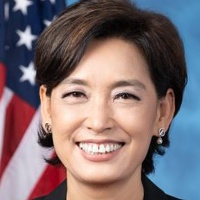
Young Kim
Representative
CA
Young Kim
Representative
CA
The Uyghur Policy Act of 2025 formally condemns the People's Republic of China's repression and cultural erasure of Uyghurs and other minorities in the Xinjiang Uyghur Autonomous Region. It directs the U.S. government to prioritize protecting Uyghur identity, demanding immediate access to detention facilities, and coordinating international pressure to secure the release of political prisoners. Furthermore, the Act mandates strengthening State Department efforts, including Uyghur language training and public diplomacy funding, to counter transnational harassment and raise global awareness of these human rights abuses.
This resolution expresses the House's support for designating September 22nd as National Military and Veterans Suicide Awareness Day to highlight the mental health struggles of service members and veterans.
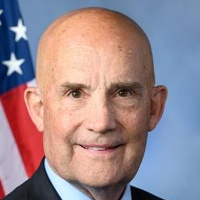
Keith Self
Representative
TX
Keith Self
Representative
TX
This resolution expresses the strong support of Congress for designating September 22nd as "National Military and Veterans Suicide Awareness Day." The goal is to formally recognize the sacrifices of service members and veterans while raising crucial awareness about the mental health challenges and suicide risks they face. By establishing this day, the resolution aims to reduce stigma and encourage greater focus on providing necessary support and resources to this population.
This resolution calls for prioritizing mental health equally with physical health to combat the national epidemics of suicide and drug overdose by expanding resources, enforcing parity, and reducing stigma.
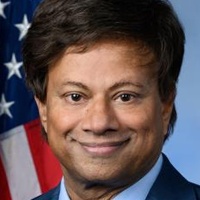
Shri Thanedar
Representative
MI
Shri Thanedar
Representative
MI
This resolution calls for prioritizing mental health with the same seriousness as physical health to combat rising suicide and overdose rates across the United States. It emphasizes the need to eliminate stigma, enforce mental health parity in insurance coverage, and significantly boost resources for prevention and treatment. Key actions include expanding the mental health workforce, improving crisis care, and supporting evidence-based strategies to address these national health crises.
The Telehealth Modernization Act extends key Medicare telehealth flexibilities, enhances program integrity for DME, and expands access to remote care options like hospital-at-home and cardiac rehabilitation.
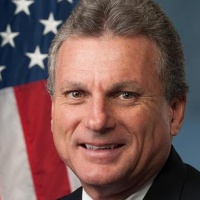
Earl Carter
Representative
GA
Earl Carter
Representative
GA
The Telehealth Modernization Act primarily extends critical Medicare telehealth flexibilities, such as location and audio-only options, through September 30, 2027. It also extends the "Hospital Care at Home" waiver until 2030 and mandates a comprehensive study comparing home-based versus traditional hospital care. Furthermore, the bill enhances program integrity for Durable Medical Equipment claims and requires new guidance to ensure telehealth services are accessible to individuals with limited English proficiency.
This Act repeals recent changes to Medicaid cost-sharing requirements and the exclusion of orphan drugs from the Drug Price Negotiation Program.
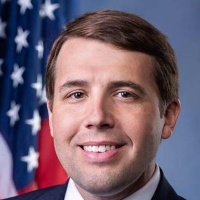
Chris Pappas
Representative
NH
Chris Pappas
Representative
NH
The Protect Patients from Costly Care Act aims to reverse recent changes to Medicaid cost-sharing requirements and the Drug Price Negotiation Program. This bill effectively deletes specific sections from a previous reconciliation act that altered these healthcare provisions. By repealing these changes, the Act restores the original rules regarding Medicaid cost-sharing and the exclusion of orphan drugs from price negotiations.
This act prohibits discrimination in federal jury service based on disability or age, ensuring individuals are not excluded if they can perform the essential functions of jury duty with reasonable accommodation.
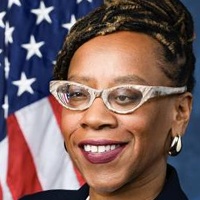
Lateefah Simon
Representative
CA
Lateefah Simon
Representative
CA
This Act prohibits discrimination against individuals based on disability or age in federal jury service. It amends federal law to ensure that a disability cannot be used as a basis for exclusion from a jury unless the individual cannot perform the essential functions of service even with a reasonable accommodation. The legislation updates existing jury qualification standards to reflect this nondiscrimination principle.
The INFORM Act of 2025 mandates that Homeland Security must notify the immediate family of a transferred immigration detainee within 24 hours, providing details about the relocation and the new facility's contact information.
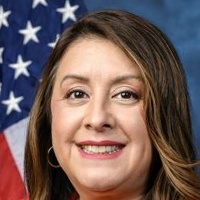
Luz Rivas
Representative
CA
Luz Rivas
Representative
CA
The INFORM Act of 2025 mandates that Homeland Security must notify the immediate family of any individual transferred between immigration detention facilities within 24 hours. This notification must include the reason for the transfer and contact information for the new location. The Act broadly defines "immediate family" to cover a wide range of relatives, including step- and foster-family members.
The MORE Act seeks to federally decriminalize cannabis, expunge past non-violent federal cannabis convictions, establish reinvestment programs, and open up SBA access for cannabis-related businesses.
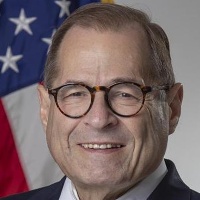
Jerrold Nadler
Representative
NY
Jerrold Nadler
Representative
NY
The Marijuana Opportunity Reinvestment and Expungement (MORE) Act seeks to federally decriminalize cannabis by removing it from the Controlled Substances Act, which will retroactively apply to past offenses. The bill establishes an Opportunity Trust Fund, financed by new cannabis taxes, to reinvest in communities harmed by prohibition. Furthermore, it mandates the expungement of non-violent federal cannabis convictions and opens up Small Business Administration (SBA) programs to legitimate cannabis businesses.
This bill amends the SNAP program to extend certification periods for low-income seniors, simplify medical expense deductions, and streamline income verification for long-term benefits.
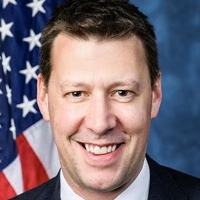
Josh Riley
Representative
NY
Josh Riley
Representative
NY
The Increasing Nutrition Access for Seniors Act of 2025 aims to streamline and improve SNAP benefits for eligible seniors and disabled individuals. This bill extends certification periods up to 36 months for households with no earned income and introduces greater flexibility for medical expense deductions, including a self-attestation option. These changes are designed to reduce administrative burdens for long-term recipients while ensuring continued access to necessary food assistance.
The Dont STEAL Act mandates that employers pay employees the highest rate among their contract, federal, or state requirements, and it introduces stricter criminal penalties for willful wage theft.
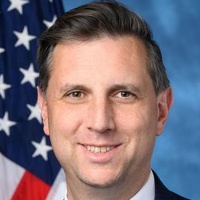
Seth Magaziner
Representative
RI
Seth Magaziner
Representative
RI
The Dont STEAL Act ensures employees are paid at least the highest amount guaranteed by their contract or federal/state law. It strengthens the Fair Labor Standards Act by establishing new criminal penalties, including potential prison time, for employers who willfully commit wage theft exceeding $1,000. Furthermore, fines collected from these new criminal penalties will fund the Department of Labor's enforcement efforts.
This act amends federal law to allow states to use Emergency Solutions Grant Program funds for operating and supporting designated safe parking areas that connect people living in vehicles with re-housing services.
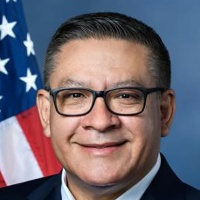
Salud Carbajal
Representative
CA
Salud Carbajal
Representative
CA
The Naomi Schwartz and Susan Rose Safe Parking Act of 2025 amends federal law to officially designate "safe parking" as an eligible activity under the Emergency Solutions Grant (ESG) Program. This allows states to use ESG funds to operate secure overnight parking locations for individuals experiencing homelessness in vehicles. These designated sites must connect residents with re-housing services and supportive assistance to help them transition into stable housing.
This Act bans the use of ten specific artificial food dyes in food products starting in 2027, deeming any food containing them adulterated.

Grace Meng
Representative
NY
Grace Meng
Representative
NY
The Ban Harmful Food Dyes Act prohibits the use of ten specific artificial food color additives, including Red No. 40 and Yellow No. 5, in all food products. Starting January 1, 2027, any food containing these banned dyes will be deemed adulterated under federal law. This legislation aims to remove these potentially harmful colorings from the American food supply.
This Act adjusts corporate income tax rates based on the CEO-to-median-worker pay ratio and grants federal contracting preference to companies with lower executive compensation gaps.
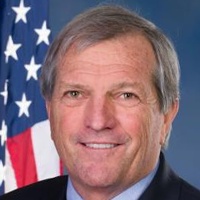
Mark DeSaulnier
Representative
CA
Mark DeSaulnier
Representative
CA
The CEO Accountability and Responsibility Act ties a publicly traded corporation's federal income tax rate directly to the ratio between its CEO's compensation and its median worker's pay. Companies with higher executive-to-worker pay gaps will face higher tax rates, with additional penalties for shifting domestic jobs overseas or to contractors. Furthermore, federal agencies must grant contracting preferences to businesses whose executive pay ratio is less than 50-to-1.
This Act mandates the full staffing and funding of NOAA, reinstates critical weather tracking tools, and prevents cuts to essential climate disaster preparedness programs.
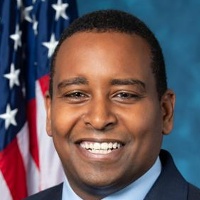
Joe Neguse
Representative
CO
Joe Neguse
Representative
CO
The Protect Americans from Climate Disasters Act addresses the increasing danger from severe weather events driven by climate change. This bill mandates that the National Oceanic and Atmospheric Administration (NOAA) be fully staffed, including reinstating recently departed employees, to ensure accurate forecasting and public alerts. Furthermore, it secures specific funding for NOAA in Fiscal Year 2026 and requires the immediate reinstatement of critical data tools, such as the Billion-Dollar Weather and Climate Disasters tracker.
The SUN Act mandates timely and detailed congressional reporting and oversight for the domestic deployment of National Guard and reserve forces by the President, excluding deployments solely for natural disaster relief.
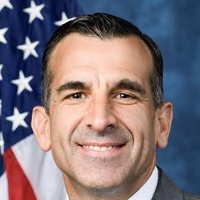
Sam Liccardo
Representative
CA
Sam Liccardo
Representative
CA
The Safeguarding the Use of the National Guard Act (SUN Act) enhances Congressional oversight of the President's domestic deployment of National Guard and reserve forces. It requires the President to submit a detailed report to Congress within 15 days outlining the legal justification, goals, costs, and impact of any domestic deployment. This reporting requirement is waived only when reserve forces are deployed specifically following a Presidential declaration under the Robert T. Stafford Act for a natural disaster.
This Act mandates a comprehensive review by the GAO of the GSA's Fine Arts Program, its collection valuation, management adequacy, and potential relocation options.
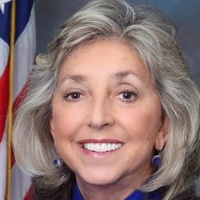
Dina Titus
Representative
NV
Dina Titus
Representative
NV
The Fine Arts Protection Act of 2025 mandates a comprehensive review of the General Services Administration's (GSA) Fine Arts Program by the Comptroller General. This review will survey the entire art collection, establish its monetary value, and assess the adequacy of current staffing and budget for preservation. The final report will include recommendations on whether the GSA should continue managing this significant public art collection.
This Act mandates the phase-out and eventual ban of engine bleed air systems in new and existing aircraft designs to improve cabin air quality.
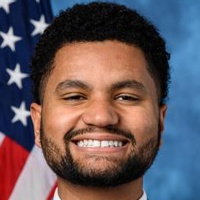
Maxwell Frost
Representative
FL
Maxwell Frost
Representative
FL
The Safe Air on Airplanes Act mandates the phase-out of "bleed air systems" in new aircraft designs to improve cabin air quality. This legislation requires the FAA to ban these systems in future aircraft designs within six months. For existing aircraft designs still in production, the bill requires the installation of specialized filters within seven years, followed by a 30-year timeline for completely eliminating bleed air systems from newly manufactured planes.
The Enduring Welcome Act of 2025 establishes a permanent Office of the Coordinator for Afghan Relocation Efforts within the State Department to streamline and support the resettlement of Afghan allies and their families.
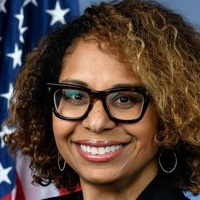
Sydney Kamlager-Dove
Representative
CA
Sydney Kamlager-Dove
Representative
CA
The Enduring Welcome Act of 2025 establishes a permanent Office of the Coordinator for Afghan Relocation Efforts within the State Department to streamline and support the resettlement of Afghan allies. This Act mandates the creation of a secure, centralized database to track all applicants, beneficiaries, and relocation progress, ensuring accountability to Congress. The Coordinator will manage interagency efforts, resolve family reunification roadblocks, and provide integration support for covered persons. This entire framework is set to automatically expire five years after enactment unless otherwise specified.
This bill mandates a study to review and recommend improvements for protecting children in schools and childcare settings from wildfire smoke exposure.
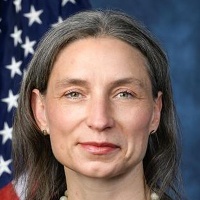
Maxine Dexter
Representative
OR
Maxine Dexter
Representative
OR
The Shielding Students from Wildfire Smoke Act directs the EPA to commission a comprehensive study on how K-12 schools and childcare facilities currently manage wildfire smoke exposure for children. This review will assess existing policies, identify gaps in protection, and recommend actionable strategies to Congress for improving safeguards, especially for resource-limited settings.
This Act establishes a pilot program to provide grants to states for creating electronic services that identify ticks, assess disease risk, and offer public guidance.
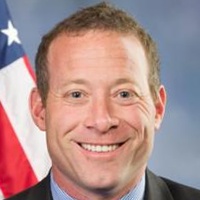
Josh Gottheimer
Representative
NJ
Josh Gottheimer
Representative
NJ
The Tick Identification Pilot Program Act of 2025 establishes a pilot program to provide grants to states for creating electronic tick identification services. These state programs will allow residents to submit photos of ticks for review by qualified biologists within 72 hours. The goal is to rapidly inform the public about the tick species, potential disease risk, and necessary next steps to combat tick-borne illnesses.