
Legislative Activity
Track Eleanor's sponsored bills, co-sponsored legislation, and voting record
The Judicial FOIA Expansion Act amends federal law to subject the judicial branch to the Freedom of Information Act and the Privacy Act, increasing transparency regarding court operations, personnel, and administrative records.

Dan Goldman
Representative
NY
Dan Goldman
Representative
NY
The Judicial FOIA Expansion Act would extend the Freedom of Information Act and the Privacy Act to the federal judiciary, ending the branch's current exemption. This legislation mandates public access to specific administrative and disciplinary records while establishing a framework for transparency across federal courts and judicial entities.
The Justice is BLIND Act of 2026 mandates that federal judges, their spouses, and dependent children place covered financial investments into qualified blind trusts to prevent conflicts of interest.

Henry Johnson
Representative
GA
Henry Johnson
Representative
GA
The Justice is BLIND Act of 2026 mandates that Supreme Court justices, federal judges, and their immediate families place certain financial investments into qualified blind trusts to prevent conflicts of interest. The bill establishes strict deadlines for asset transfers, prohibits the early dissolution of these trusts, and requires public disclosure of compliance. By limiting a judge's knowledge of their specific trust holdings, the legislation aims to ensure judicial impartiality and increase public transparency.
This bill authorizes the expedited reappointment of qualified, involuntarily separated Foreign Service members without requiring them to retake standard examinations.

Donald Beyer
Representative
VA
Donald Beyer
Representative
VA
The Foreign Service Test-Free Reentry Act of 2026 streamlines the rehiring process for qualified former career Foreign Service members who were involuntarily separated due to reductions in force between 2025 and 2030. This legislation allows the Secretary of State to reappoint these individuals without requiring them to repeat standard written or oral examinations.
The Interagency Council on Affordable Housing Act of 2026 establishes a federal council to coordinate national policy, improve program efficiency, and expand the supply of affordable housing through interagency and cross-governmental collaboration.

Yvette Clarke
Representative
NY
Yvette Clarke
Representative
NY
The Interagency Council on Affordable Housing Act of 2026 establishes a new independent federal agency tasked with coordinating a national strategy to increase the supply of affordable housing and improve rental market fairness. The Council will unite various federal departments to streamline housing programs, provide technical assistance to state and local governments, and ensure better access to housing resources for low-income populations. Through research, reporting, and interagency collaboration, the Council aims to foster a unified national approach to addressing homelessness and housing affordability.
The Stop CHEATERS Act provides significant multi-year funding to the IRS to modernize technology, improve taxpayer services, and enhance tax enforcement efforts focused on high-income individuals and large corporations.

Suzan DelBene
Representative
WA
Suzan DelBene
Representative
WA
The Stop CHEATERS Act provides significant multi-year funding to the IRS to modernize its technology, improve taxpayer services, and strengthen tax enforcement. The bill specifically mandates that the agency prioritize auditing high-income individuals and large corporations to close the tax gap. Additionally, it requires regular reporting to Congress to ensure accountability and progress in these enforcement efforts.
This resolution opposes a proposed OMB rule that would replace merit-based scientific review with political oversight and restrict research into diversity, equity, and inclusion, arguing that such changes would undermine U.S. health research and exacerbate health disparities.

Debbie Dingell
Representative
MI
Debbie Dingell
Representative
MI
This resolution opposes a proposed rule that would grant political appointees oversight of federal research grants and restrict funding for diversity, equity, and inclusion (DEI) initiatives. It argues that these changes would undermine the integrity of the merit-based peer review system and hinder critical research into health disparities. Ultimately, the resolution reaffirms the necessity of inclusive, science-driven research to ensure equitable health outcomes for all Americans.
This bill establishes stricter oversight, transparency requirements, and procedural protections for reductions in force and policy changes across key federal foreign affairs agencies.
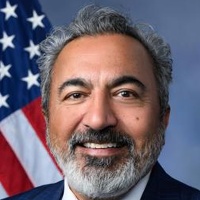
Ami Bera
Representative
CA
Ami Bera
Representative
CA
The Protecting America’s Diplomatic Workforce Act establishes stricter oversight and transparency requirements for significant staff reductions across major U.S. foreign affairs agencies. The bill mandates congressional notification for large-scale layoffs, updates retention procedures for Foreign Service members, and ensures advance notice for personnel changes. These measures aim to protect the stability and effectiveness of the nation’s diplomatic and international development workforce.
The Family Grocery and Farmer Relief Act aims to lower food prices and strengthen the food supply by breaking up dominant meatpacking monopolies, restricting foreign control, and empowering independent farmers and small businesses.

Pramila Jayapal
Representative
WA
Pramila Jayapal
Representative
WA
The Family Grocery and Farmer Relief Act aims to lower food prices and increase market competition by breaking up dominant, multi-protein meatpacking enterprises. The legislation empowers the Federal Trade Commission to enforce divestitures, restrict foreign control, and prevent excessive market concentration in the beef industry. By prioritizing sales to farmer cooperatives and small businesses, the bill seeks to create a more resilient food supply chain that benefits both independent producers and American consumers.
This Act requires large multinational corporations to publicly disclose detailed, country-by-country financial and tax information to the SEC to increase transparency regarding their global operations and tax practices.

Brittany Pettersen
Representative
CO
Brittany Pettersen
Representative
CO
The Disclosure of Tax Havens and Offshoring Act requires large multinational companies to publicly report detailed financial and tax data for each jurisdiction in which they operate. By mandating country-by-country disclosures through the SEC, the bill aims to increase transparency regarding corporate tax practices and offshore business activities.
The Consumer Appeal Rights Enforcement Act amends ERISA to establish civil penalties for group health plans that fail to comply with required claims procedures and external review processes.

Summer Lee
Representative
PA
Summer Lee
Representative
PA
The Consumer Appeal Rights Enforcement Act strengthens ERISA by establishing significant civil penalties for group health plans that fail to follow required claims procedures or external review processes. It expands the Secretary of Labor’s enforcement authority and allows participants to sue for equitable relief regarding plan violations. These measures aim to ensure plans remain accountable to their members through both systemic and individual accountability standards.
The SWIFT Act of 2026 improves financial security for widows, widowers, and surviving divorced spouses by expanding disability eligibility, increasing child-in-care benefit age limits, and creating new opportunities to maximize survivor benefit amounts.

Mary Scanlon
Representative
PA
Mary Scanlon
Representative
PA
The Surviving Widow(er) Income Fair Treatment (SWIFT) Act of 2026 aims to strengthen financial security for surviving spouses by expanding eligibility for disability-based benefits and increasing the age limit for child-in-care benefits to 18. The bill also introduces new delayed retirement credits for survivors and updates benefit calculation rules to ensure fairer compensation for those who wait to claim. Additionally, it mandates improved outreach and educational resources to ensure survivors are fully informed of their benefit options.
This bill mandates electronic prior authorization, increases transparency through required data reporting, and establishes faster decision timelines for Medicare Advantage plans to improve timely access to care for seniors.

Mike Kelly
Representative
PA
Mike Kelly
Representative
PA
The Improving Seniors’ Timely Access to Care Act of 2025 aims to streamline and modernize the prior authorization process within Medicare Advantage plans. This bill mandates the adoption of electronic prior authorization systems and significantly increases transparency regarding approval rates and decision times starting in 2027. Furthermore, it establishes new enrollee protections and grants the Secretary authority to enforce faster decision timeframes for medical services.
The Advanced Coursework Equity Act establishes a federal grant program to expand access to advanced and STEM-focused coursework by promoting equitable enrollment practices, such as universal screening and open enrollment, in under-resourced schools.

Joaquin Castro
Representative
TX
Joaquin Castro
Representative
TX
The Advanced Coursework Equity Act aims to close the opportunity gap by expanding access to advanced and STEM-related courses for historically underrepresented students. The bill establishes a federal grant program to help schools implement universal screening and open enrollment policies, ensuring that all qualified students have the chance to participate in rigorous academic programs. By providing funding for teacher training, student support services, and data-driven equity goals, the Act seeks to prepare more students for success in college and the modern workforce.
The Medicare-X Choice Act of 2026 establishes a government-run public health insurance option on the ACA marketplaces, expands premium tax credits, and empowers the Secretary of Health and Human Services to negotiate prescription drug prices.
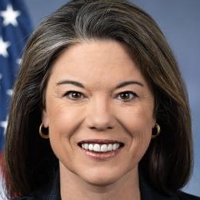
Angie Craig
Representative
MN
Angie Craig
Representative
MN
The Medicare-X Choice Act of 2026 establishes a new, government-run public health insurance option to be offered on Affordable Care Act marketplaces starting in 2028. The bill aims to lower healthcare costs by expanding premium tax credits, authorizing the negotiation of prescription drug prices, and implementing a nationwide reinsurance program. Additionally, it strengthens antitrust enforcement in healthcare markets and requires providers participating in Medicare or Medicaid to also accept the new public plan.
The Mamas First Act mandates that state Medicaid programs provide comprehensive, no-cost coverage for pregnancy and postpartum services delivered by doulas, midwives, and lactation support providers.

Gwen Moore
Representative
WI
Gwen Moore
Representative
WI
The Mamas First Act aims to improve maternal health outcomes and reduce mortality rates by mandating Medicaid coverage for doula, midwife, and lactation support services. This legislation ensures that these essential prenatal, labor, and postpartum care services are provided without out-of-pocket costs to patients. By expanding access to these culturally congruent care providers, the bill seeks to address significant disparities in maternal health across the United States.
The Drug Deal Disclosure Act mandates the creation of a public, searchable database detailing federal agreements with drug manufacturers regarding pricing, special treatment, and import provisions.

Judy Chu
Representative
CA
Judy Chu
Representative
CA
The Drug Deal Disclosure Act requires the Secretary of Health and Human Services to create a public, searchable database of federal agreements with drug manufacturers regarding pricing and special treatment provisions. The bill mandates transparency for these agreements, prohibiting redactions based on political sensitivity or reputational harm. Additionally, it requires the CBO and GAO to conduct a joint analysis on the economic and budgetary impacts of these agreements on the U.S. healthcare system.
The Capping Appointed Positions Act limits the total number of Schedule C and Schedule G federal executive branch positions to 1,600, effective fiscal year 2027.
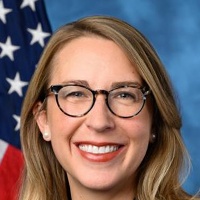
Hillary Scholten
Representative
MI
Hillary Scholten
Representative
MI
The Capping Appointed Positions Act seeks to streamline the federal workforce by limiting the number of Schedule C and Schedule G political appointments. Starting in fiscal year 2027, the bill mandates a cap of 1,600 total positions for these roles within the executive branch.
This resolution reaffirms the commitment to universal accessibility by advocating for the full implementation of disability-inclusive design standards across all federally funded infrastructure and public facilities.

Jahana Hayes
Representative
CT
Jahana Hayes
Representative
CT
This resolution reaffirms the federal commitment to ensuring equal access to public facilities and rights-of-way for all individuals, including the more than 70 million Americans living with disabilities. It supports the full implementation of accessibility guidelines for pedestrian infrastructure and pledges to prioritize universal, inclusive design in all future federal projects. By upholding the principles of the Americans with Disabilities Act, the bill aims to remove systemic barriers and guarantee that all citizens can engage fully and safely in society.
The Chesapeake Bay WATERS Act reauthorizes and modernizes the NOAA Chesapeake Bay Office to enhance scientific research, habitat restoration, coastal observation, and environmental education programs within the watershed.
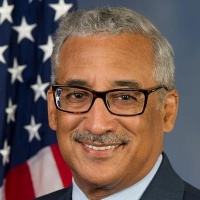
Robert Scott
Representative
VA
Robert Scott
Representative
VA
The Chesapeake Bay WATERS Act reauthorizes and modernizes the NOAA Chesapeake Bay Office to better coordinate regional restoration and research efforts. The bill establishes expanded programs for integrated coastal observation, environmental education, and the management of critical habitats and living resources. Through these initiatives, the Office will work closely with the Chesapeake Executive Council to support the long-term health and sustainability of the Bay watershed.
The Menopausal Workers’ Fairness Act of 2026 mandates that employers provide reasonable accommodations for employees experiencing menopause and its related symptoms to ensure workplace equity and prevent discrimination.
Debbie Dingell
Representative
MI
Debbie Dingell
Representative
MI
The Menopausal Workers’ Fairness Act of 2026 establishes federal protections to ensure employees experiencing menopause or the menopausal transition can access reasonable workplace accommodations. By requiring employers to provide support for symptoms—such as flexible breaks or environmental adjustments—the Act aims to reduce workplace stigma and prevent discrimination. Ultimately, this legislation seeks to promote inclusivity, improve employee retention, and ensure that workers can maintain their health and productivity throughout all stages of their careers.