
Legislative Activity
Track Eleanor's sponsored bills, co-sponsored legislation, and voting record
This bill strengthens federal protections for domestic violence survivors by closing loopholes to prohibit individuals subject to protective orders from purchasing or possessing firearms and establishing a grant program to assist in the removal of firearms from adjudicated abusers.
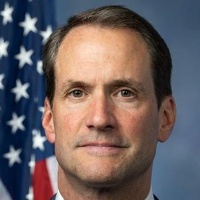
James Himes
Representative
CT
James Himes
Representative
CT
The Lori Jackson-Nicolette Elias Domestic Violence Survivor Protection Act strengthens federal law to better protect victims of domestic violence by closing loopholes that allow abusive dating partners and those under temporary restraining orders to access firearms. The bill expands the definition of "intimate partner" and "misdemeanor crime of domestic violence," while prohibiting individuals subject to qualifying protective orders from purchasing or possessing firearms. Additionally, it establishes a federal grant program to assist states and local governments in implementing effective procedures for the removal and safe storage of firearms from individuals under domestic violence protection orders.
This resolution formally recognizes and honors the service, courage, and sacrifice of both Korean War veterans and Korean Defense Veterans.
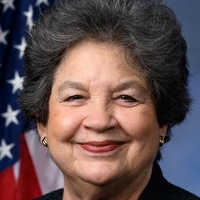
Lois Frankel
Representative
FL
Lois Frankel
Representative
FL
This resolution formally honors the courage and sacrifice of U.S. veterans who served during the Korean War and those who have served in Korea since the 1953 armistice. It seeks to ensure these service members receive the recognition they deserve for their vital role in defending democracy and freedom on the Korean Peninsula.
The Green New Deal for Health Act establishes a comprehensive federal framework to modernize healthcare infrastructure, decarbonize the medical sector, and strengthen community resilience against climate-related health threats.
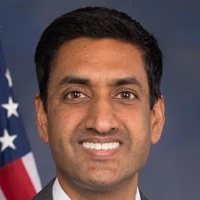
Ro Khanna
Representative
CA
Ro Khanna
Representative
CA
The Green New Deal for Health Act establishes a comprehensive federal framework to address the health impacts of climate change by creating dedicated oversight, investing in resilient infrastructure, and decarbonizing the healthcare sector. The bill prioritizes environmental justice by directing significant funding and resources toward vulnerable communities, expanding the public health workforce, and protecting essential care access. Ultimately, this legislation aims to transform the U.S. healthcare system into a sustainable, climate-ready network capable of safeguarding patient health during extreme weather and public health emergencies.
The Green New Deal for Public Schools Act provides comprehensive federal funding to modernize school infrastructure for climate resilience, expand staffing and educational equity, and increase support for special education and high-poverty districts.
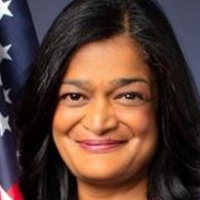
Pramila Jayapal
Representative
WA
Pramila Jayapal
Representative
WA
The Green New Deal for Public Schools Act provides comprehensive federal funding to modernize school infrastructure, transition to zero-carbon facilities, and expand educational staffing. The bill establishes grant programs to improve school climate resiliency, increase support for special education, and provide targeted aid to high-poverty districts. By prioritizing environmental justice communities and community-based planning, the legislation aims to create safer, more equitable learning environments while preparing schools to serve as hubs during climate-related disasters.
This resolution expresses support for designating July as "Disability Pride Month" to promote awareness, celebrate the disability community, and combat discrimination.
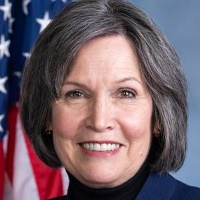
Betty McCollum
Representative
MN
Betty McCollum
Representative
MN
This resolution supports the designation of July as "Disability Pride Month." It encourages communities across the United States to observe the month with celebrations while actively working to end discrimination and exclusion against people with disabilities.
The Eleanor Smith Inclusive Home Design Act of 2026 mandates that all new residential construction receiving federal financial assistance must incorporate "visitability" standards to ensure accessibility for individuals with disabilities.

Janice Schakowsky
Representative
IL
Janice Schakowsky
Representative
IL
The Eleanor Smith Inclusive Home Design Act of 2026 mandates that all new single-family homes and townhouses built with federal assistance must meet "visitable" accessibility standards. The bill establishes strict enforcement mechanisms, including plan reviews and legal remedies, to ensure that federally funded housing is accessible to individuals with disabilities.
The TPS Review Act strengthens judicial oversight and establishes congressional review for decisions to terminate Temporary Protected Status, ensuring that such actions are evidence-based and subject to legal challenge.
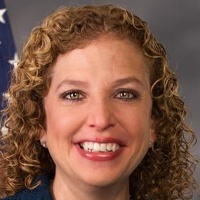
Debbie Wasserman Schultz
Representative
FL
Debbie Wasserman Schultz
Representative
FL
The Temporary Protected Status (TPS) Review Act strengthens oversight of government decisions to terminate TPS designations by reinstating judicial review and requiring that such decisions be supported by a comprehensive administrative record. The bill also subjects TPS terminations to congressional review under the Congressional Review Act, ensuring these decisions are subject to greater accountability. Additionally, it provides legal protections for beneficiaries by automatically staying terminations during the pendency of any legal challenges.
This bill directs the Small Business Administration to develop and distribute multilingual educational resources to help small business owners and their employees understand their rights and responsibilities regarding immigration enforcement and compliance.
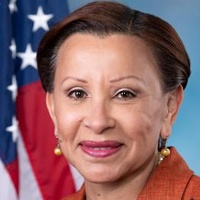
Nydia Velázquez
Representative
NY
Nydia Velázquez
Representative
NY
The Businessowner Immigration Rights and Responsibilities Information Act of 2026 directs the Small Business Administration to develop and distribute comprehensive educational resources regarding immigration enforcement. These materials will provide small business owners and their employees with clear guidance on their legal rights, compliance responsibilities, and best practices for handling enforcement actions. Available in multiple languages, these resources aim to ensure businesses are well-informed and prepared while navigating complex immigration regulations.
The Right to IVF Act of 2026 establishes a nationwide right to fertility care, mandates comprehensive insurance coverage for reproductive services, and expands access to fertility treatments for veterans and federal employees.
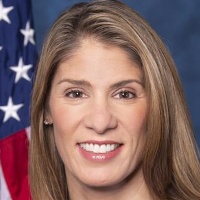
Lori Trahan
Representative
MA
Lori Trahan
Representative
MA
The Right to IVF Act of 2026 establishes a nationwide statutory right to access assisted reproductive technology (ART) and intrauterine insemination (IUI) while prohibiting states from imposing restrictive barriers. The bill further expands family-building support by mandating comprehensive fertility coverage across private insurance, Medicare, Medicaid, and federal employee health plans. Additionally, it guarantees expanded access to fertility services and preservation for military service members and veterans.
The Federal Naming Standards Act prohibits naming federal buildings, facilities, or programs after elected officials or political appointees until at least 10 years after they leave office.
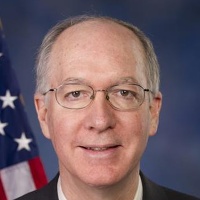
Bill Foster
Representative
IL
Bill Foster
Representative
IL
The Federal Naming Standards Act prohibits federal buildings, facilities, and programs from being named after elected officials or political appointees until at least 10 years after they leave office. This legislation aims to prevent the politicization of public property by establishing strict waiting periods and oversight by agency inspectors general. It includes specific exemptions for deceased individuals and historical or educational contexts.
This bill reauthorizes the Accelerating Access to Critical Therapies for ALS Act through 2031 while enhancing grant oversight, safety reporting requirements, and FDA strategic planning for rare neurodegenerative diseases.

Mike Quigley
Representative
IL
Mike Quigley
Representative
IL
The Accelerating Access to Critical Therapies for ALS Reauthorization Act of 2026 extends vital funding for ALS research and clinical trial programs through 2031. This legislation strengthens oversight by enhancing grant review processes, improving safety reporting requirements, and mandating a comprehensive five-year FDA action plan to accelerate the development of treatments for rare neurodegenerative diseases.
This bill prohibits domestic business entities with significant foreign ownership or influence from contributing to U.S. elections and mandates strict certification requirements to ensure political spending is free from foreign control.
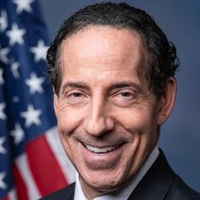
Jamie Raskin
Representative
MD
Jamie Raskin
Representative
MD
The Get Foreign Money Out of United States Elections Act strengthens existing laws to prevent foreign influence in American elections. It expands the ban on foreign contributions to include domestic companies with significant foreign ownership or control and mandates strict certification requirements for corporate political action committees. These measures ensure that foreign entities cannot influence federal, state, or local elections through direct spending, ballot initiatives, or Super PACs.
This resolution condemns all forms of hate-based violence and discrimination while calling for comprehensive federal policies, resources, and support to protect vulnerable communities and uphold an inclusive democracy.
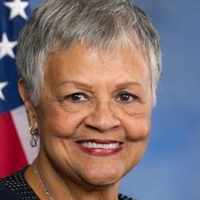
Bonnie Watson Coleman
Representative
NJ
Bonnie Watson Coleman
Representative
NJ
This resolution expresses the sense of Congress that all forms of hate, discrimination, and violence must be condemned to protect the integrity of our democracy. It calls for comprehensive federal and state policies to prevent hate crimes, provide robust support for victims, and ensure equitable resources for vulnerable communities. By prioritizing education, intervention, and community-based advocacy, the bill reaffirms a national commitment to fostering an inclusive society free from bigotry.
This bill officially designates the United States Postal Service facility at 401 North Elm Street in Tuskegee, Alabama, as the "Tuskegee Airmen Memorial Post Office."
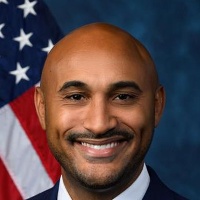
Shomari Figures
Representative
AL
Shomari Figures
Representative
AL
This bill officially renames the United States Postal Service facility at 401 North Elm Street in Tuskegee, Alabama. The facility will now be known as the "Tuskegee Airmen Memorial Post Office." This designation requires all official documents to use the new name for the location.
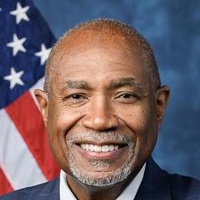
This bill officially renames the United States Postal Service facility in Willingboro, New Jersey, as the "James A. Cotten Post Office."
Herbert Conaway
Representative
NJ
Herbert Conaway
Representative
NJ
This bill officially designates the United States Postal Service facility located at 16 Rev Dr Martin Luther King Jr Drive in Willingboro, New Jersey, as the "James A. Cotten Post Office." This action ensures the facility will be formally known by this name in all federal records and documents.
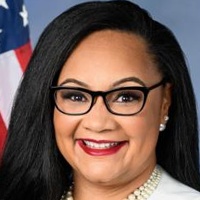
The Polling Place Standards Act establishes federal requirements for minimum polling station density and staffing levels to ensure accessible and efficient voting, supported by a new federal grant program for states.
Nikema Williams
Representative
GA
Nikema Williams
Representative
GA
The Polling Place Standards Act establishes federal requirements for polling place availability, mandating at least one location for every 2,000 registered voters to ensure geographic diversity and efficient access. The bill also sets specific staffing standards to maintain security and minimize wait times, while providing a grant program to help states implement these improvements. These requirements are waived for states that provide universal mail-in or drop-box voting options.
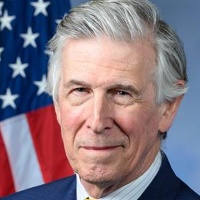
This bill grants Members of Congress and their staff expanded access to federal buildings and contractor facilities to ensure effective oversight of government operations.
Donald Beyer
Representative
VA
Donald Beyer
Representative
VA
The Congressional Oversight and Agency Access Act grants Members of Congress and their staff expanded access to federal buildings and contractor-operated facilities to ensure effective oversight. The bill establishes clear protocols for entry during business hours, emergencies, and secure areas, while prohibiting agencies from obstructing observational access.
The Tuskegee Airmen Memorial Act of 2026 authorizes the establishment of a privately funded commemorative work in Washington, D.C., to honor the Tuskegee Airmen of World War II.
Shomari Figures
Representative
AL
Shomari Figures
Representative
AL
The Tuskegee Airmen Memorial Act of 2026 authorizes Tuskegee Airmen, Inc. to establish a commemorative work on federal land in Washington, D.C., to honor the original Tuskegee Airmen of World War II. The project will be funded entirely through private donations, with no federal funds permitted for its construction or maintenance.
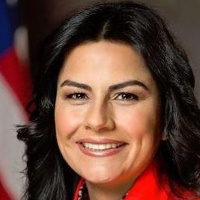
The Medicaid Dental Benefit Act of 2026 mandates comprehensive dental coverage for adults under state Medicaid programs while establishing new federal quality standards, reporting requirements, and outreach initiatives to improve oral health equity.
Nanette Barragán
Representative
CA
Nanette Barragán
Representative
CA
The Medicaid Dental Benefit Act of 2026 mandates that all state Medicaid programs provide comprehensive dental and oral health coverage for adults beginning January 1, 2027. To support this transition, the bill provides three years of 100% federal funding for these core services and establishes new national quality and equity reporting standards. Additionally, the legislation requires federal outreach programs to improve access to care and mandates a comprehensive report on the state of adult oral health in the United States.
This bill prohibits lifetime and annual dollar limits on dental benefits under CHIP and mandates that states provide supplemental dental-only coverage for eligible children.
Nanette Barragán
Representative
CA
Nanette Barragán
Representative
CA
The Ensuring Kids Have Access to Medically Necessary Dental Care Act strengthens dental coverage for children enrolled in the Children's Health Insurance Program (CHIP). This legislation prohibits states from imposing annual or lifetime dollar limits on dental benefits and mandates that states provide dental-only supplemental coverage. These changes ensure that low-income children have consistent, comprehensive access to necessary dental care.