
Legislative Activity
Track Eleanor's sponsored bills, co-sponsored legislation, and voting record
The Inclusive Democracy Act of 2026 protects the right of all citizens to vote in federal elections regardless of criminal conviction and mandates that carceral facilities provide incarcerated individuals with the necessary resources to register and vote.
Ayanna Pressley
Representative
MA
Ayanna Pressley
Representative
MA
The Inclusive Democracy Act of 2026 prohibits the federal government and states from denying any citizen the right to vote in federal elections due to a criminal conviction. The bill mandates that carceral facilities provide incarcerated individuals with access to voter registration, absentee ballots, and election information. Additionally, it establishes enforcement mechanisms to ensure these voting rights are protected and upheld in all federal elections.
The Daycare Not Detentions Act of 2026 reallocates $70 billion from federal immigration enforcement agencies to expand funding for child care, Head Start, and early education programs through 2029.
Suzanne Bonamici
Representative
OR
Suzanne Bonamici
Representative
OR
The Daycare Not Detentions Act of 2026 provides $70 billion in supplemental funding to expand and support child care, Head Start, and early education programs through 2029. This legislation offsets the cost by rescinding an equal amount of unobligated funding previously allocated to U.S. Customs and Border Protection and Immigration and Customs Enforcement.
This bill directs the Government Accountability Office to conduct a comprehensive review of indoor air quality, ventilation, and HVAC performance across all federal facilities to ensure compliance with safety standards and improve building health.

James Walkinshaw
Representative
VA
James Walkinshaw
Representative
VA
The Federal Facilities Indoor Air Quality Assessment Act directs the Government Accountability Office (GAO) to conduct a comprehensive review of indoor air quality, ventilation, and HVAC performance across all federal buildings. This assessment will evaluate agency compliance with industry standards, identify existing deficiencies, and examine the qualifications of personnel performing maintenance and installation. Following the report, agencies with identified issues must submit formal corrective action plans to Congress to ensure safer and more efficient building environments.
The Right to Learn Act of 2026 establishes a federal grant program to provide schools and community organizations with the resources necessary to support students and staff impacted by immigration enforcement actions while protecting their privacy and right to education.
Jesús García
Representative
IL
Jesús García
Representative
IL
The Right to Learn Act of 2026 establishes a federal grant program to support schools and community organizations in providing trauma-informed care and resources to students and families impacted by immigration enforcement. The Act aims to ensure that all children, regardless of immigration status, have access to a safe, stable, and inclusive learning environment. Additionally, it mandates strict privacy protections for student information and prohibits discrimination based on immigration status.
This bill mandates the Federal Energy Regulatory Commission to hold a technical conference and report on strategies to shield residential and small commercial utility customers from rising energy costs driven by large AI data centers.
Greg Landsman
Representative
OH
Greg Landsman
Representative
OH
This bill, the Protecting Families from AI Data Center Energy Costs Act, directs the Federal Energy Regulatory Commission (FERC) to convene a technical conference on strategies to shield residential and small commercial utility customers from rising energy costs driven by large loads like AI data centers. Following the conference, FERC must submit a report to Congress detailing recommendations and best practices. The goal is to ensure utility costs remain manageable for everyday families and small businesses.
Tyler's Law mandates a study and subsequent guidance on the routine testing for fentanyl in hospital emergency departments during overdose treatment.
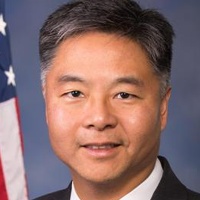
Ted Lieu
Representative
CA
Ted Lieu
Representative
CA
Tyler's Law mandates a comprehensive study by the Secretary of Health and Human Services on the frequency, cost, and impact of fentanyl testing in hospital emergency departments during overdose cases. Following the study, the Secretary must issue guidance on whether routine fentanyl testing should become standard practice for overdose patients. This guidance will also address staff training regarding existing drug test panels and the long-term health implications of such testing.
This resolution recognizes July 21, 2026, as Black Women’s Equal Pay Day to raise awareness of the persistent wage gap and reaffirm the commitment to achieving pay equity.
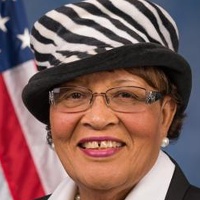
Alma Adams
Representative
NC
Alma Adams
Representative
NC
This resolution recognizes July 21, 2026, as Black Women’s Equal Pay Day to highlight the persistent and significant wage gap between Black women and white, non-Hispanic men. It calls attention to the systemic racial and gender-based barriers contributing to this disparity and reaffirms a commitment to achieving true pay equity.
The Disabled Access Credit Modernization Act expands tax credits for small businesses to cover a broader range of accessibility improvements and reasonable accommodations for individuals with disabilities.
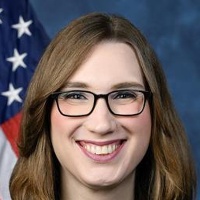
Sarah McBride
Representative
DE
Sarah McBride
Representative
DE
The Disabled Access Credit Modernization Act expands tax incentives for small businesses to invest in accessibility improvements for individuals with disabilities. The bill broadens the scope of qualifying expenses—including communication services and equipment—and clarifies that businesses can claim these credits even for accommodations that exceed ADA requirements. Additionally, the Act mandates new outreach programs to ensure small business owners are informed of these expanded tax benefits.
The MOMMIES Act strengthens maternal health outcomes by extending Medicaid and CHIP postpartum coverage to one year, mandating comprehensive oral health benefits, and establishing demonstration projects to improve maternity care access and equity.
Ayanna Pressley
Representative
MA
Ayanna Pressley
Representative
MA
The MOMMIES Act aims to improve maternal health outcomes by expanding Medicaid and CHIP coverage for pregnant and postpartum individuals to a full year. The bill mandates comprehensive benefits, including oral health services, and establishes a maternity care home demonstration project to provide coordinated, culturally appropriate care. Additionally, it increases provider reimbursement rates for primary care, promotes access to doula services, and requires federal studies to address disparities and improve telehealth access in maternal care.
The No Passes for Polluters Act of 2026 requires Congressional approval for executive branch exemptions from Clean Air Act emission standards and eliminates specific compliance waivers for hazardous air pollutants.

Doris Matsui
Representative
CA
Doris Matsui
Representative
CA
The No Passes for Polluters Act of 2026 amends the Clean Air Act to require explicit Congressional approval before the President or federal agencies can grant exemptions from air pollution, vehicle fleet, or ozone-depleting substance regulations. The bill establishes a formal joint resolution process for these approvals and empowers citizens to sue if exemptions are utilized without legislative authorization. Additionally, the legislation repeals existing provisions that allowed for compliance schedule exemptions regarding hazardous air pollutants.
The Justice for Incarcerated Moms Act aims to improve maternal health outcomes for incarcerated individuals by prohibiting the shackling of pregnant prisoners and establishing federal and state programs to provide comprehensive prenatal and postpartum care.
Ayanna Pressley
Representative
MA
Ayanna Pressley
Representative
MA
The Justice for Incarcerated Moms Act aims to improve maternal health outcomes and reduce disparities for pregnant and postpartum individuals in the criminal justice system. The bill mandates the end of shackling for pregnant individuals in federal and state facilities and establishes comprehensive model programs to provide prenatal and postpartum care. Additionally, it creates a grant program for state and local facilities to improve maternal health services and requires a federal report to identify and address systemic barriers to care.
This bill establishes criminal penalties for immigration service fraud, provides relief for victims of "notario" scams, and creates grant programs to increase access to legitimate legal assistance for immigrants.
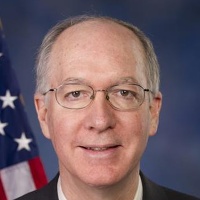
Bill Foster
Representative
IL
Bill Foster
Representative
IL
The Protecting Immigrants From Legal Exploitation Act of 2026 establishes new criminal penalties for fraudulent immigration service providers and creates protections for victims of "notario" fraud. The bill mandates stricter oversight of immigration filings, authorizes civil lawsuits against fraudulent practitioners, and provides relief for immigrants misled by unauthorized legal assistance. Additionally, it funds public outreach programs and grants for nonprofit organizations to provide legitimate legal services to immigrant communities.
The EARLY Act Reauthorization of 2025 extends breast health education for young women and modernizes the National Breast and Cervical Cancer Early Detection Program to improve screening access, equity, and funding through 2030.
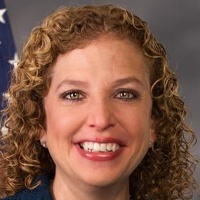
Debbie Wasserman Schultz
Representative
FL
Debbie Wasserman Schultz
Representative
FL
The EARLY Act Reauthorization of 2025 extends critical breast health education initiatives through 2031 and bolsters the National Breast and Cervical Cancer Early Detection Program. By streamlining grant requirements and increasing funding through 2030, this legislation aims to reduce health disparities, improve access to life-saving screenings, and enhance patient support services. Additionally, it mandates a GAO study to identify and address barriers to equitable cancer care.
The NIH IMPROVE Act directs the National Institutes of Health to fund and conduct research aimed at reducing maternal mortality and addressing health disparities for pregnant and postpartum women.
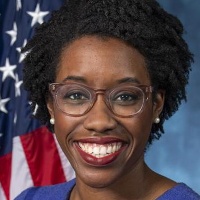
Lauren Underwood
Representative
IL
Lauren Underwood
Representative
IL
The NIH IMPROVE Act directs the National Institutes of Health to continue and expand research aimed at reducing preventable maternal deaths and severe pregnancy-related complications. By prioritizing health equity and community-based interventions, the initiative seeks to address the biological and behavioral factors contributing to maternal health disparities across the United States. The bill authorizes $63.4 million in annual funding from 2026 through 2030 to support these critical research efforts.
The DeOndra Dixon INCLUDE Project Act of 2025 establishes a federally coordinated NIH research program dedicated to advancing the study, treatment, and quality of life for individuals with Down syndrome.

Diana DeGette
Representative
CO
Diana DeGette
Representative
CO
The DeOndra Dixon INCLUDE Project Act of 2025 establishes a federally coordinated research program at the National Institutes of Health (NIH) dedicated to advancing the understanding and treatment of Down syndrome. The initiative focuses on long-term health studies, expanding clinical trial access, and investigating co-occurring conditions to improve the quality of life for individuals with Down syndrome. By fostering collaboration across NIH institutes and consulting with patient advocates, the program aims to accelerate medical breakthroughs and provide biennial progress reports to Congress.
The AADAPT Act expands grant eligibility and funding to integrate dementia care services into health centers through 2031.

Troy Balderson
Representative
OH
Troy Balderson
Representative
OH
The AADAPT Act expands access to specialized dementia care by authorizing grants for public and nonprofit health centers to integrate these services into their programs. Additionally, the bill extends federal funding authorization through 2031 to ensure the continued growth and sustainability of these critical health outcomes.
This bill reauthorizes the C.W. Bill Young Cell Transplantation Program and the National Cord Blood Inventory through 2031 to ensure a high-quality, scientifically managed supply of stem cell units for patients in need.
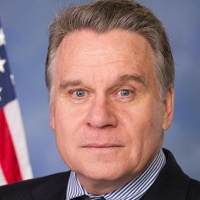
Christopher Smith
Representative
NJ
Christopher Smith
Representative
NJ
The Stem Cell Therapeutic and Research Reauthorization Act of 2025 extends critical funding and support for the C.W. Bill Young Cell Transplantation Program and the National Cord Blood Inventory through 2031. This legislation modernizes the management of cord blood supplies by prioritizing clinical utility, genetic diversity, and the use of the latest scientific standards. By streamlining inventory operations, the bill ensures that life-saving transplant resources remain accessible and effective for patients in need.
The FDA Modernization Act 3.0 mandates updates to federal regulations to replace references to animal testing with broader "nonclinical" terminology and corrects technical errors in the Federal Food, Drug, and Cosmetic Act.
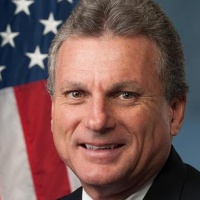
Earl Carter
Representative
GA
Earl Carter
Representative
GA
The FDA Modernization Act 3.0 directs the FDA to update federal regulations by replacing references to "animal testing" with the broader term "nonclinical tests." This update ensures regulatory consistency with modern testing standards and includes a technical correction to the Federal Food, Drug, and Cosmetic Act.
The Choices for Increased Mobility Act of 2026 establishes new Medicare billing codes and payment standards for ultralightweight manual wheelchairs, including specific provisions for titanium and carbon fiber models.
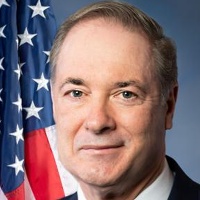
John Joyce
Representative
PA
John Joyce
Representative
PA
The Choices for Increased Mobility Act of 2026 updates Medicare coverage requirements for ultralightweight manual wheelchairs, effective January 1, 2028. The bill mandates the creation of distinct billing codes based on frame material, specifically allowing suppliers to charge patients the difference in cost for premium titanium or carbon fiber models. These provisions aim to provide clearer payment structures and enhanced transparency for patients selecting high-performance mobility equipment.
The Judicial Integrity Act expands federal conflict-of-interest prohibitions to include judicial branch officers and employees, while authorizing the Judicial Conference to establish specific regulatory exemptions.
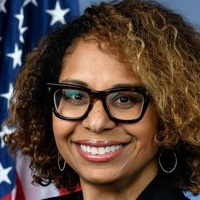
Sydney Kamlager-Dove
Representative
CA
Sydney Kamlager-Dove
Representative
CA
The Judicial Integrity Act amends federal law to prohibit judicial branch officers and employees from participating in government matters where they hold a personal financial interest. The bill also empowers the Judicial Conference of the United States to establish formal, transparent regulations for granting exemptions in cases where a financial interest is deemed too remote or inconsequential to impact judicial integrity.