Legislative Activity
Track April's sponsored bills, co-sponsored legislation, and voting record
This resolution designates January 13th as Korean American Day to honor the contributions of Korean Americans and recognize the anniversary of the first Korean immigrants' arrival.
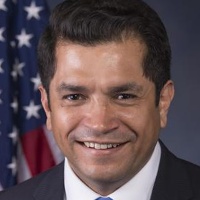
Jimmy Gomez
Representative
CA
Jimmy Gomez
Representative
CA
This resolution officially designates January 13th as Korean American Day. It expresses support for the day's ideals and encourages Americans to observe it. The resolution also honors the 123rd anniversary of the first Korean immigrants arriving in the United States.
This bill modifies deposits into the Crime Victims Fund by excluding certain False Claims Act recoveries and mandates an Inspector General audit of the Fund's sustainability.
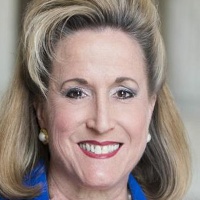
Ann Wagner
Representative
MO
Ann Wagner
Representative
MO
This bill amends the Victims of Crime Act of 1984 to temporarily exclude certain False Claims Act recoveries from being deposited into the Crime Victims Fund through fiscal year 2029. It also mandates a comprehensive audit by the Department of Justice Inspector General on the Fund's sustainability and the impact of recent legislative changes. The resulting report will provide recommendations for improving the Fund's effectiveness and oversight.
This act prohibits the use of federal funds and official action for any invasion of NATO member territory.
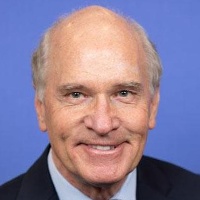
William Keating
Representative
MA
William Keating
Representative
MA
The **No Funds for NATO Invasion Act** prohibits the use of any federal funds for an invasion of any territory belonging to a member nation of the North Atlantic Treaty Organization (NATO). Furthermore, the bill bars U.S. officials from taking any action to execute such an invasion.
This act authorizes eligible public libraries to become passport acceptance facilities and retain the associated execution fees.
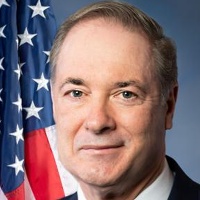
John Joyce
Representative
PA
John Joyce
Representative
PA
The Community Passport Services Access Act authorizes eligible public libraries to serve as official passport acceptance facilities. This allows these libraries to collect and retain the associated execution fee for processing passport applications. The bill ensures that libraries already performing this function can continue to do so.
This act establishes a ten-year, \$50 billion program to fund grants for recruiting, hiring, and training public health nurses, particularly in underserved areas.
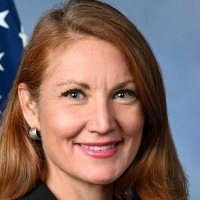
Melanie Stansbury
Representative
NM
Melanie Stansbury
Representative
NM
The Public Health Nursing Act establishes a ten-year, \$50 billion program to fund and expand the public health nursing workforce across the nation. This funding will provide grants to state, local, and territorial health departments to recruit, hire, and train registered nurses for essential public health services. Priority will be given to applicants serving medically underserved areas facing high rates of chronic disease, infant mortality, or maternal morbidity.
This resolution recognizes the 15th anniversary of the 2011 Tucson shooting, honoring the victims, survivors, and the ongoing advocacy of Gabby Giffords.
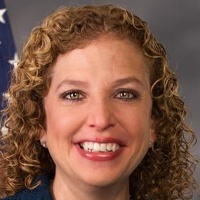
Debbie Wasserman Schultz
Representative
FL
Debbie Wasserman Schultz
Representative
FL
This resolution commemorates the 15th anniversary of the tragic January 8, 2011, Tucson shooting, honoring the six lives lost and the thirteen injured. It specifically commends the courage and ongoing advocacy of gun violence survivor and former Congresswoman Gabby Giffords. The resolution also recognizes the resilience of the community and reaffirms a commitment to ending political violence.
This act allows Byrne JAG funds to be used for programs that help individuals with speech, hearing, or developmental disabilities communicate effectively with law enforcement during traffic stops.
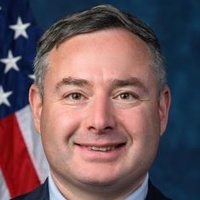
Eugene Vindman
Representative
VA
Eugene Vindman
Representative
VA
The Blue Envelope Awareness Act amends federal law to allow states and local governments to use Byrne Justice Assistance Grant (JAG) funds for "blue envelope programs." These programs assist individuals with speech, hearing, or developmental disabilities by providing them with a blue envelope to present disability documentation during traffic stops. The funding also supports necessary training for law enforcement officers on interacting effectively with these individuals.
This bill establishes a digital system for military beneficiaries to file and track complaints about access to care at military medical facilities and mandates an annual report analyzing these issues.
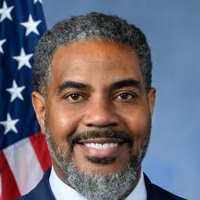
Steven Horsford
Representative
NV
Steven Horsford
Representative
NV
The Military CARE Act establishes a digital system for military beneficiaries to easily file and track complaints regarding access to care at military medical facilities. It mandates the creation of an annual report analyzing these complaints to identify trends and inform improvements. This aims to enhance transparency and accountability in military healthcare access.
This act increases federal funding to 90% of administrative costs for states operating summer food assistance programs via electronic benefit transfers.
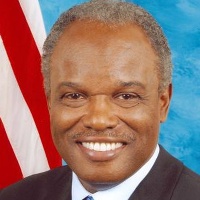
David Scott
Representative
GA
David Scott
Representative
GA
The Bridge to Summer Nutrition Act of 2025 aims to strengthen summer food assistance programs by increasing federal support for state administrative costs. Specifically, it mandates that the USDA reimburse states 90% of their monthly administrative expenses for operating summer electronic benefit transfer (EBT) programs for children. This increased funding also applies to administrative costs for regular SNAP operations.
This act restricts senior government officials and their families from owning or trading specific investments, requiring divestment of existing holdings to restore public trust.
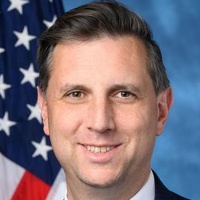
Seth Magaziner
Representative
RI
Seth Magaziner
Representative
RI
The Restore Trust in Government Act establishes strict new federal restrictions on senior government officials and their immediate families regarding the ownership and trading of specific financial investments. Covered individuals must divest existing investments that fall under the law's definition within a set timeframe, with limited exceptions. Violators face significant financial penalties, including a 10% fee on the investment value and disgorgement of any profits earned from prohibited transactions.
This bill extends the 2026 open enrollment period, creates a special enrollment period for low-income individuals, modifies Navigator grant rules, and provides dedicated funding for Navigators on federal exchanges.
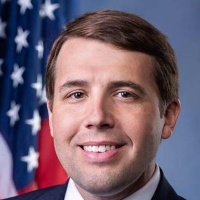
Chris Pappas
Representative
NH
Chris Pappas
Representative
NH
The Protecting Access to Affordable Coverage Act of 2025 aims to make health insurance enrollment easier and more accessible. It extends the 2026 open enrollment period and establishes a monthly special enrollment period for certain low-income individuals. The bill also revises rules for Navigator grants, ensuring local entities receive funding and prohibiting Navigators from charging fees.
This bill mandates federal agencies to create detailed software inventories, undergo a government-wide assessment to find savings, and develop modernization plans to reduce software costs and reinvest savings into IT.

Shontel Brown
Representative
OH
Shontel Brown
Representative
OH
This Act mandates that federal agencies create and maintain detailed inventories of all their software assets to identify inefficiencies and waste. The Office of Management and Budget (OMB) will then conduct a comprehensive assessment of these inventories to find government-wide savings opportunities. Agencies must use these findings to develop plans to consolidate licenses and reinvest at least 25% of resulting savings into IT modernization.
This bill authorizes Congress to award Congressional Gold Medals to the 1980 U.S. Men's Olympic Ice Hockey team for their historic "Miracle on Ice" victory.
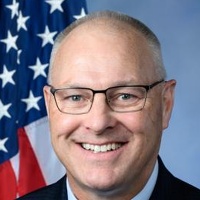
Pete Stauber
Representative
MN
Pete Stauber
Representative
MN
This bill, the Miracle on Ice Congressional Gold Medal Act, officially authorizes Congress to award Congressional Gold Medals to the 1980 U.S. Men's Olympic Ice Hockey Team for their historic "Miracle on Ice" victory. The medals will be struck by the Treasury and permanently displayed at specific national sports museums. The Act also permits the sale of duplicate bronze medals to cover production costs.
This act nullifies a recent Executive Order regarding federal labor relations and ensures existing collective bargaining agreements remain in effect.
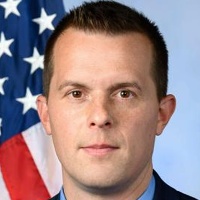
Jared Golden
Representative
ME
Jared Golden
Representative
ME
The Protect America's Workforce Act nullifies a specific Executive Order issued in March 2025 concerning exclusions from federal labor-management relations programs. This legislation ensures that any existing collective bargaining agreements between federal agencies and employee unions remain fully in effect until their stated expiration dates. The Act also prohibits the use of federal funds to implement the overturned Executive Order.
The Endometriosis CARE Act establishes a comprehensive program to advance research, improve awareness, analyze access barriers, and study disparities related to endometriosis.
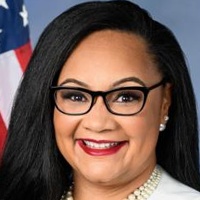
Nikema Williams
Representative
GA
Nikema Williams
Representative
GA
The Endometriosis CARE Act aims to improve the understanding and management of endometriosis through increased research funding and data collection at the NIH. The bill also mandates studies to identify barriers to treatment access and requires the development of public education campaigns and provider information resources. Furthermore, it calls for a comprehensive study on disparities in endometriosis prevalence, detection, and treatment outcomes.
This act increases the annual and aggregate loan limits for Federal Direct Unsubsidized Stafford Loans for graduate and professional students, effective July 1, 2026.
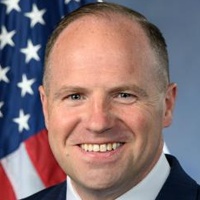
Timothy Kennedy
Representative
NY
Timothy Kennedy
Representative
NY
The Loan Equity for Advanced Professionals Act raises the federal student loan limits for graduate and professional students. Effective July 1, 2026, the annual borrowing limit for Federal Direct Unsubsidized Stafford Loans will increase to \$50,000, and the aggregate limit will rise to \$200,000. This aims to provide greater financial support for advanced degree candidates.
This bill significantly increases civil penalties across various federal labor laws, strengthens enforcement for health plan compliance, establishes penalties for employer unfair labor practices, and treats certain recordkeeping failures as continuing violations.
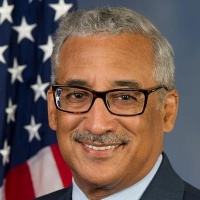
Robert Scott
Representative
VA
Robert Scott
Representative
VA
The Labor Enforcement to Securely Protect Workers (LETS Protect Workers) Act significantly increases civil penalties for violations across major federal labor laws, including child labor, wage and hour, and workplace safety standards. It strengthens enforcement mechanisms for mine safety violations and retaliation against miners, while also establishing new penalties for employer unfair labor practices under the National Labor Relations Act. Furthermore, the bill enhances enforcement for health plan parity and makes certain recordkeeping failures under OSHA and FLSA continuing violations.
This resolution commends state and local governments for championing reproductive rights as human rights while condemning abortion restrictions and criminalization following the *Dobbs* decision.
Nikema Williams
Representative
GA
Nikema Williams
Representative
GA
This concurrent resolution commends state and local governments for championing reproductive rights as human rights following the overturning of *Roe v. Wade*. It declares that denying abortion care leads to severe health risks and highlights the criminalization of pregnancy outcomes across the U.S. The resolution urges states to repeal abortion restrictions and affirm that reproductive rights are fundamental human rights.
This bill officially names the World War II Women's Memorial at Arlington National Cemetery and adjusts location restrictions for a related commemorative work in Washington, D.C.

Debbie Dingell
Representative
MI
Debbie Dingell
Representative
MI
This Act officially names the memorial at the entrance to Arlington National Cemetery as the "World War II Women's Memorial." It also designates this memorial as a "commemorative work" under existing federal law. Furthermore, the bill allows a specific World War II home front women's commemorative work to be placed in designated areas within Washington, D.C., overriding standard location restrictions.
This bill establishes new requirements, time limits, and Congressional approval for Department of Defense support to civilian law enforcement, prohibits dual service in the DoD and civilian law enforcement, and creates a private right of action for violations.
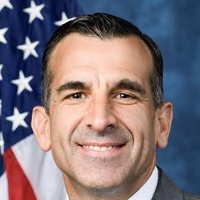
Sam Liccardo
Representative
CA
Sam Liccardo
Representative
CA
The Military in Law Enforcement Accountability Act establishes new requirements and strict time limits for the Department of Defense when providing support to civilian law enforcement agencies, requiring prior Congressional notification and justification. It also prohibits Department of Defense personnel from simultaneously serving in civilian law enforcement roles, with limited exceptions for reservists. Furthermore, the bill broadens the circumstances under which military and federal law enforcement can assist civil authorities and creates a private right of action for violations of the Act.