Legislative Activity
Track April's sponsored bills, co-sponsored legislation, and voting record
This Act establishes the National Biopharmaceutical Center of Excellence to advance domestic biomanufacturing science, scale production, and strengthen the national supply chain and workforce.
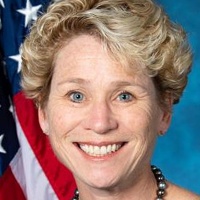
Chrissy Houlahan
Representative
PA
Chrissy Houlahan
Representative
PA
The Biomanufacturing Excellence Act of 2025 aims to bolster U.S. leadership in biotechnology by establishing a National Biopharmaceutical Center of Excellence. This Center will accelerate manufacturing innovation, strengthen domestic supply chains, and ensure adherence to quality standards. It will also facilitate crucial workforce training to support the growing biomanufacturing sector.
This act modernizes water infrastructure by defining and funding the adoption of intelligent technologies for improved water and wastewater management.
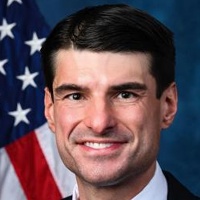
Robert Bresnahan
Representative
PA
Robert Bresnahan
Representative
PA
The Water Infrastructure Modernization Act of 2025 updates federal water pollution control grants to prioritize and fund "intelligent water infrastructure technology." This technology utilizes real-time monitoring, AI, and advanced sensors to improve the efficiency, reliability, and resilience of water and wastewater systems. The bill modifies grant uses to specifically cover the implementation of these smart technologies and increases the authorization of appropriations.
This Act establishes grant programs to coordinate investments and provide technical assistance for rural development, while also restructuring the Rural Partners Network to improve federal support efficiency for rural communities.
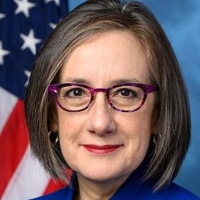
Andrea Salinas
Representative
OR
Andrea Salinas
Representative
OR
The Rural Partnership and Prosperity Act establishes new grant programs to coordinate federal, nonprofit, and private investments in rural areas. It creates the Rural Partnership Program to fund comprehensive development projects and a separate Technical Assistance Grant program to help rural organizations manage grants and plan development. Furthermore, the Act reforms the existing Rural Partners Network to streamline federal assistance and reduce administrative burdens for rural communities.
This bill designates Farm Services Agency services as essential during government shutdowns to ensure continued support for rural communities.
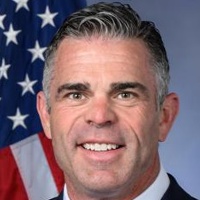
Tony Wied
Representative
WI
Tony Wied
Representative
WI
The Bringing Assistance for Rural Needs During Shutdowns Act designates services provided by the Farm Services Agency (FSA) as essential during a government shutdown. This ensures that FSA officers and employees can continue their work, recognizing their services as necessary for protecting human life and property.
This Act ensures uninterrupted funding and operation for the SNAP and WIC programs through fiscal year 2026, even if appropriations for the Department of Agriculture are delayed.
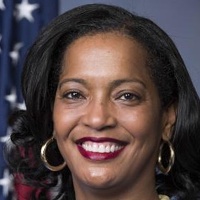
Jahana Hayes
Representative
CT
Jahana Hayes
Representative
CT
The Keep SNAP and WIC Funded Act of 2025 ensures that the Supplemental Nutrition Assistance Program (SNAP) and the Special Supplemental Nutrition Program for Women, Infants, and Children (WIC) continue to operate without interruption in fiscal year 2026 if standard appropriations are delayed. If funding lapses, the Secretary of Agriculture is authorized to use funds from the Treasury to provide benefits and reimburse state agencies. This special funding remains in effect until full appropriations are enacted or until September 30, 2026.
This Act establishes strict standards, training, and reporting requirements for federal immigration enforcement personnel regarding the use of force, identification, and equipment.
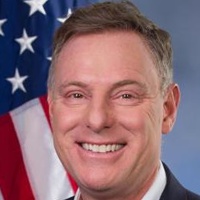
Scott Peters
Representative
CA
Scott Peters
Representative
CA
The Stop Excessive Force in Immigration Act of 2025 establishes strict new standards for the use of non-deadly force by federal immigration personnel, requiring proportionality and de-escalation efforts. The bill mandates identification requirements, restricts the use of certain crowd-control equipment, and imposes new body camera and detailed reporting mandates. Furthermore, it creates affirmative duties for officers to intervene against excessive force and requires annual training on these new policies.
This bill establishes a five-year pilot program to expand work-study allowance eligibility for student veterans enrolled at least half-time and mandates annual reporting on participant outcomes.
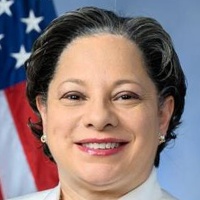
Jennifer McClellan
Representative
VA
Jennifer McClellan
Representative
VA
The Student Veteran Work Study Modernization Act establishes a five-year pilot program to expand eligibility for the VA work-study allowance to veterans pursuing certain educational or training programs at a half-time enrollment level. This allows more student veterans to benefit from work-study opportunities without meeting the current three-quarter-time enrollment requirement. Additionally, the Secretary of Veterans Affairs is required to submit annual reports detailing participation and outcomes for veterans in the work-study program.
This bill establishes the Ohio River Basin Restoration Program within the EPA to fund projects focused on the large-scale protection and restoration of the Ohio River Basin.
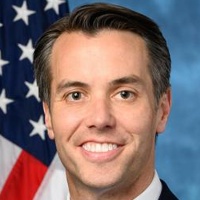
Morgan McGarvey
Representative
KY
Morgan McGarvey
Representative
KY
The Ohio River Restoration Program Act establishes a new program within the EPA dedicated to the large-scale protection and restoration of the Ohio River Basin. This program will be managed by a dedicated office and guided by an advisory council to develop and implement a comprehensive action plan. Funds will be authorized through 2030 to support eligible activities such as improving water quality, restoring habitats, and increasing community resilience.
This resolution supports the goals of National Domestic Violence Awareness Month, highlights the pervasive and devastating impact of intimate partner violence across all demographics, and calls for increased funding for prevention and support programs.

Al Green
Representative
TX
Al Green
Representative
TX
This resolution designates October as National Domestic Violence Awareness Month to highlight the widespread and devastating impact of intimate partner violence across all demographics. It recognizes the urgent need to eliminate domestic violence and supports increased funding for intervention and prevention programs. The resolution underscores the severe physical, emotional, and economic toll this abuse takes on individuals, families, and communities.
This bill extends and modifies various tax credits for energy production, efficiency improvements, and clean vehicle adoption to lower energy costs and support American energy leadership.
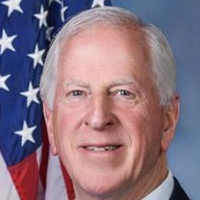
Mike Thompson
Representative
CA
Mike Thompson
Representative
CA
The American Energy Independence and Affordability Act is a comprehensive bill designed to lower energy costs by extending and adjusting key tax incentives across energy production, efficiency, and clean vehicle adoption. It stabilizes support for renewable energy manufacturing, extends deadlines for energy-efficient building credits, and ensures consumer incentives for electric vehicles remain available through 2032. Overall, the legislation aims to provide long-term certainty for energy investments and consumer adoption of cleaner technologies.
This bill mandates that group health plans and insurers provide comprehensive coverage for all stages and modalities of breast or chest wall reconstruction, including symmetry procedures and complication treatment, following breast cancer treatment.
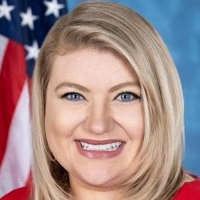
Katherine Cammack
Representative
FL
Katherine Cammack
Representative
FL
The Women’s Health and Cancer Rights Modernization Act of 2025 mandates that group health plans and issuers provide comprehensive coverage for all stages of breast or chest wall reconstruction following breast cancer treatment. This coverage must include every modality, type, and procedural variation of reconstruction, as well as treatment for related complications like lymphedema. Furthermore, the bill requires plans to ensure in-network access to providers for these services and prohibits discrimination against patients seeking reconstruction.
This resolution officially recognizes the religious and historical significance of the festival of Diwali for Indian-American communities across the United States.
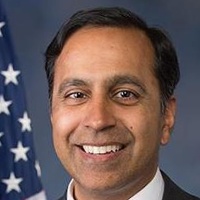
Raja Krishnamoorthi
Representative
IL
Raja Krishnamoorthi
Representative
IL
This resolution formally recognizes the significant religious and historical importance of the festival of Diwali to Indian-American communities across the nation. Congress acknowledges Diwali as the festival of lights, celebrated by Hindus, Sikhs, and Jains for its symbolism of knowledge, peace, and the triumph of good over evil. By passing this, the House expresses respect for the Indian diaspora and appreciates the strong partnership between the United States and India.
This resolution demands the President swiftly provide the House with unredacted communications regarding agency messaging during a potential government shutdown and alleged violations of federal employee political activity rules.
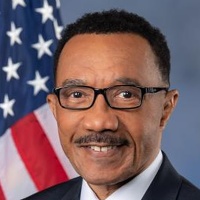
Kweisi Mfume
Representative
MD
Kweisi Mfume
Representative
MD
This resolution is an official request from the House of Representatives demanding the President promptly transmit specific documents related to government communications during a funding lapse. Congress seeks records detailing directives from the OMB and messaging used by agencies like HUD and Education that explicitly blamed political opponents for a potential shutdown. The inquiry also requires information on whether these communications potentially violated federal rules regarding political activity by government employees.
This act establishes a federal grant program to fund colleges located in economically distressed communities to implement local economic development projects.

Jim Costa
Representative
CA
Jim Costa
Representative
CA
The Boosting University Investments in Low-Income Districts Act (BUILD Act) establishes a new federal grant program administered by the Department of Commerce. This program aims to revitalize economically struggling areas by providing substantial funding to eligible colleges located within designated "distressed communities." Colleges must first secure a planning grant to develop an approved revitalization strategy before receiving implementation grants ranging from $25 million to $50 million to execute local economic development projects.
This act ensures that state and local funds used to keep Head Start and Early Head Start programs running during a federal government shutdown are fully reimbursed.
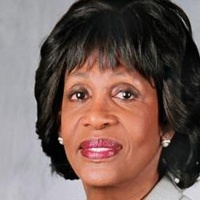
Maxine Waters
Representative
CA
Maxine Waters
Representative
CA
The Head Start Shutdown Protection Act of 2025 ensures that states, local governments, or school districts are reimbursed for any of their own funds used to keep Head Start and Early Head Start programs operational during a lapse in federal appropriations. This legislation protects these vital early childhood education services from disruption caused by government shutdowns. By guaranteeing reimbursement, the Act encourages local entities to maintain program continuity without bearing the financial burden.
This resolution demands the President promptly transmit all documents related to potential furloughs, pay withholding, and legal justifications concerning federal employees affected by a funding lapse starting October 1, 2025.
Kweisi Mfume
Representative
MD
Kweisi Mfume
Representative
MD
This resolution is an official request demanding the President transmit specific, unredacted documents to the House of Representatives within 14 days. Congress is seeking all communications and records related to potential furloughs, layoffs, or the withholding of pay for federal employees due to a funding lapse beginning October 1, 2025. The request specifically targets documents concerning legal opinions that might undermine the requirement to pay furloughed workers after appropriations resume.
This Act mandates that all states must operate the WIC program and guarantees necessary funding through permanent appropriation starting in fiscal year 2026.
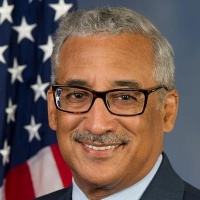
Robert Scott
Representative
VA
Robert Scott
Representative
VA
The WIC Benefits Protection Act mandates that all states must operate the Special Supplemental Nutrition Program for Women, Infants, and Children (WIC). This legislation also guarantees permanent, mandatory funding for WIC starting in fiscal year 2026, ensuring the program has the necessary resources annually. Furthermore, it clarifies eligibility language within the program's governing statute.
This bill mandates that the House of Representatives convene daily during a government shutdown, requiring recorded quorum calls with fines for non-attendance.
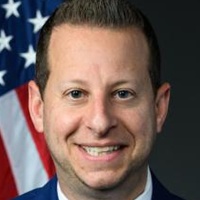
Jared Moskowitz
Representative
FL
Jared Moskowitz
Representative
FL
This bill mandates that the House of Representatives must convene daily during a government shutdown, limiting their ability to adjourn. It requires recorded quorum calls on session days, imposing escalating fines on members who fail to check in electronically for two consecutive days. These fines must be paid by the member personally, with procedures established for appeals and automatic salary deduction for non-payment.
This resolution condemns the October 7th Hamas attacks, demands the immediate and unconditional surrender of Hamas and the release of all hostages, and reaffirms support for Israel's right to self-defense while condemning global antisemitism.
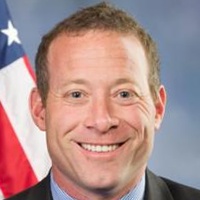
Josh Gottheimer
Representative
NJ
Josh Gottheimer
Representative
NJ
This resolution strongly condemns the brutal October 7th attacks by Hamas, demanding the immediate and unconditional surrender of the terrorist group and the release of all hostages, including Americans. It reaffirms Israel's right to self-defense while urging international action against Hamas and condemning the global surge in antisemitism. The measure serves as a formal statement of U.S. policy and support following the attacks.
This act ensures federal employees furloughed due to a lapse in government funding are reimbursed for childcare expenses incurred during that period.

Ilhan Omar
Representative
MN
Ilhan Omar
Representative
MN
The Federal Worker Childcare Protection Act of 2025 aims to reimburse federal employees for childcare expenses incurred during periods of government shutdown or lapse in funding. Eligible employees who were furloughed or unpaid due to a funding lapse can receive reimbursement by submitting proof of payment to the GSA. This provision is contingent upon Congress appropriating the necessary funds.