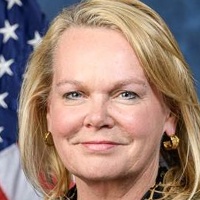
Legislative Activity
Track April's sponsored bills, co-sponsored legislation, and voting record
This bill directs the Secretary of Transportation to develop and fund a comprehensive 10-year plan to modernize the aging infrastructure and facilities of the United States Merchant Marine Academy.
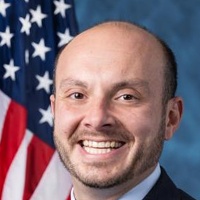
Andrew Garbarino
Representative
NY
Andrew Garbarino
Representative
NY
This bill directs the Secretary of Transportation to develop and implement a comprehensive 10-year Campus Modernization Plan for the United States Merchant Marine Academy. The plan must address critical infrastructure needs, including new training facilities, updated housing, and essential utility overhauls, to support modern maritime education and national security requirements. Congress authorizes up to \$1.02 billion from the Maritime Security Trust Fund between fiscal years 2026 and 2035 to execute this modernization effort.
This bill authorizes specific funding levels for the United States to support the United Nations Population Fund (UNFPA) in its global efforts to improve sexual and reproductive health, reduce maternal mortality, and combat gender-based violence.
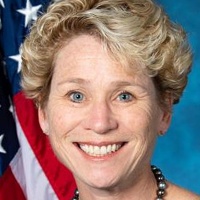
Chrissy Houlahan
Representative
PA
Chrissy Houlahan
Representative
PA
The Support UNFPA Funding Act authorizes specific funding levels for the United Nations Population Fund (UNFPA) for fiscal years 2026 and 2027. This legislation affirms that supporting UNFPA is in the U.S. strategic interest because it advances global health, reduces preventable maternal deaths, and combats gender-based violence. The bill emphasizes that UNFPA's work on voluntary family planning promotes stability and economic growth worldwide.
This act requires federal agencies to conduct detailed cost-benefit analyses for significant job relocations, which are then reviewed by the Inspector General and reported to Congress to ensure transparency.
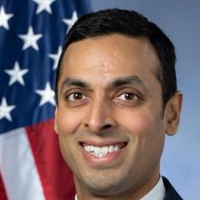
Suhas Subramanyam
Representative
VA
Suhas Subramanyam
Representative
VA
The COST of Relocations Act mandates that Federal agencies conduct a detailed, OMB-guided cost-benefit analysis before executing any "covered relocation" of jobs. Agencies must submit this analysis to their Inspector General (OIG), who then reviews the methodology and findings before reporting directly to Congress. This process ensures transparency and rigorous economic justification for significant federal job moves.
This Act removes existing restrictions and clarifies eligibility requirements for striking workers seeking Supplemental Nutrition Assistance Program (SNAP) benefits.
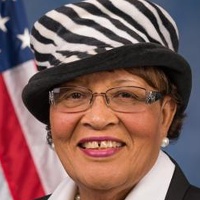
Alma Adams
Representative
NC
Alma Adams
Representative
NC
The Food Secure Strikers Act of 2025 aims to clarify and simplify eligibility rules for striking workers seeking Supplemental Nutrition Assistance Program (SNAP) benefits. This legislation removes outdated restrictions and clarifies the precise conditions under which participation in a labor strike affects a worker's SNAP eligibility. The goal is to streamline the existing law regarding striker access to food assistance.
This Act raises the minimum age for Federal Firearms Licensees to sell certain semiautomatic rifles and shotguns to 21, with exceptions for qualified individuals aged 18-20, and mandates an FBI report on its public access line operations.
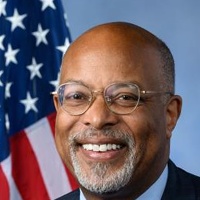
Glenn Ivey
Representative
MD
Glenn Ivey
Representative
MD
The Raise the Age Act of 2025 generally prohibits Federal Firearms Licensees from selling certain semiautomatic centerfire rifles or shotguns capable of holding magazines over five rounds to anyone under 21, with exceptions for qualified military or government personnel. The bill also maintains the existing minimum age of 18 for general firearm purchases, excluding the newly restricted categories. Finally, it mandates that the FBI Director report on the operational procedures of its public access line within 90 days of enactment.
This resolution formally recognizes the persistent gender wage gap and reaffirms Congress's commitment to achieving pay equity.
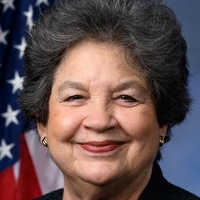
Lois Frankel
Representative
FL
Lois Frankel
Representative
FL
This resolution formally recognizes the significant and persistent wage gap between men and women in the United States, highlighting statistics that show women earn substantially less. It serves as a strong public statement reaffirming Congress's commitment to achieving pay equity. The measure does not enact new laws but emphasizes the economic harm caused by unequal pay for women and their families.
The Paycheck Fairness Act strengthens equal pay enforcement by tightening defenses against pay discrimination, expanding protections against retaliation, increasing penalties for violations, and requiring comprehensive data collection and training initiatives.
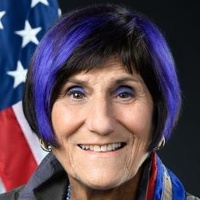
Rosa DeLauro
Representative
CT
Rosa DeLauro
Representative
CT
The Paycheck Fairness Act significantly strengthens federal equal pay protections by broadening definitions of sex discrimination, tightening employer defenses against pay disparities, and increasing penalties for violations. It also prohibits employers from using salary history in hiring decisions and mandates new data collection by the EEOC to better enforce anti-discrimination laws. Furthermore, the bill establishes new training and outreach programs to combat systemic wage bias.
This bill expands Medicare coverage under Part B to pay qualified home infusion suppliers for augmentation therapy kits and nursing services for Medicare beneficiaries with Alpha-1 Antitrypsin Deficiency Disorder who require emphysema treatment in their homes.

Maria Salazar
Representative
FL
Maria Salazar
Representative
FL
The John W. Walsh Alpha-1 Home Infusion Act of 2025 amends Medicare to specifically cover augmentation therapy for individuals with severe Alpha-1 Antitrypsin Deficiency Disorder when administered in the home. This legislation establishes new payment rules under Medicare Part B for the necessary intravenous kits and associated nursing services. The goal is to ensure qualified home infusion suppliers are reimbursed directly for providing this essential, ongoing maintenance treatment.
This bill mandates the National Weather Service to replace its current instant messaging system with a modern, commercially available, public cloud-hosted solution by October 1, 2027, funded through existing appropriations.
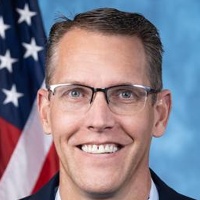
Randy Feenstra
Representative
IA
Randy Feenstra
Representative
IA
This bill, the National Weather Service Communications Improvement Act, mandates the replacement of the current NWSChat instant messaging system with a modern, commercially available, public cloud-hosted solution by October 1, 2027. The new system must meet standards for scalability and usability. Funding for this upgrade, up to \$3 million annually from 2026 to 2029, will be sourced from the existing NWS Operations, Research, and Facilities budget.
This bill officially ratifies the Equal Rights Amendment, validating its inclusion in the Constitution regardless of any prior ratification deadlines.
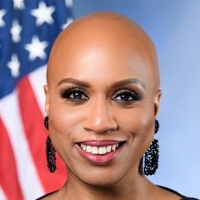
Ayanna Pressley
Representative
MA
Ayanna Pressley
Representative
MA
This bill officially ratifies the Equal Rights Amendment, declaring it a valid part of the U.S. Constitution. It specifically removes any previously imposed deadlines for state ratification. If three-fourths of the states have approved the amendment, this law confirms its official status regardless of past time constraints.
This Act authorizes the Treasury to mint and sell commemorative gold, silver, and clad coins honoring the National Fallen Firefighters Memorial, with surcharges benefiting the National Fallen Firefighters Foundation.
Andrew Garbarino
Representative
NY
Andrew Garbarino
Representative
NY
The National Fallen Firefighters Memorial Coin Act authorizes the Secretary of the Treasury to mint and issue special commemorative gold, silver, and clad coins honoring the National Fallen Firefighters Memorial. These coins will be sold to the public, with surcharges from the sales benefiting the National Fallen Firefighters Foundation. The Treasury must ensure that the production and issuance of these coins result in no net cost to the U.S. Government.
The Puppy Protection Act of 2025 establishes stricter housing, daily care, veterinary, and breeding standards for dog dealers under the Animal Welfare Act.
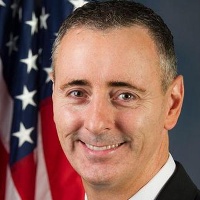
Brian Fitzpatrick
Representative
PA
Brian Fitzpatrick
Representative
PA
The Puppy Protection Act of 2025 significantly increases humane treatment standards for dog dealers under the Animal Welfare Act. This legislation mandates specific minimum space requirements, daily exercise access, and mandatory socialization for housed dogs. Furthermore, it establishes strict limits on female dog breeding frequency and age, alongside enhanced veterinary care protocols.
The House of Representatives affirms every person's basic right to emergency health care, including abortion care.
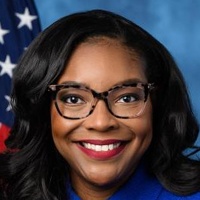
Emilia Sykes
Representative
OH
Emilia Sykes
Representative
OH
This bill affirms the House of Representatives' belief that every person has the right to emergency health care, including abortion care. It argues that abortion restrictions endanger lives, force doctors to make impossible choices, and disproportionately harm people of color, low-income individuals, and LGBTQI individuals. The bill emphasizes that delays in emergency care due to abortion bans can lead to life-threatening situations and that everyone, including pregnant individuals, should have access to necessary medical care without discrimination.
The Air America Act of 2025 authorizes one-time monetary awards to former Air America employees or their survivors for service supporting the CIA between 1950 and 1976.
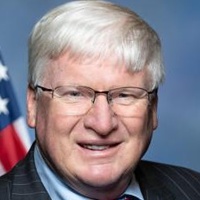
Glenn Grothman
Representative
WI
Glenn Grothman
Representative
WI
The Air America Act of 2025 recognizes the sacrifices of former Air America employees who served the U.S. Government between 1950 and 1976. This Act authorizes a one-time monetary award, up to $40,000 plus potential additional amounts, for qualifying service members or their survivors. The CIA Director is responsible for administering these payments, which are capped at a total of $60 million, and establishing the application procedures. Decisions made by the Director regarding these awards are final and not subject to judicial review.
This act places a temporary moratorium on layoffs at NASA until the Fiscal Year 2026 budget is passed, with exceptions only for cause such as misconduct or poor performance.
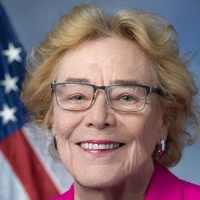
Zoe Lofgren
Representative
CA
Zoe Lofgren
Representative
CA
The Saving NASA’s Workforce Act establishes a temporary moratorium on layoffs at the National Aeronautics and Space Administration (NASA). This freeze prevents the agency from conducting any reduction in force until Congress passes the full Fiscal Year 2026 budget. However, the bill allows NASA to terminate employees for specific reasons such as misconduct or poor performance.
This Act freezes layoffs at the National Oceanic and Atmospheric Administration (NOAA) until Congress passes the full-year funding bill for fiscal year 2026, except for terminations based on cause.
Zoe Lofgren
Representative
CA
Zoe Lofgren
Representative
CA
The Saving NOAA’s Workforce Act establishes a moratorium on job reductions and layoffs at the National Oceanic and Atmospheric Administration (NOAA). This freeze prevents NOAA from initiating or carrying out involuntary reductions in force until Congress passes the full-year funding bill for fiscal year 2026. Career employees are protected from layoffs during this period unless termination is due to specific causes such as misconduct or poor performance.
This Act expands eligibility for certain SNAP benefits for veterans based on specific disability ratings or pension status, effective October 1, 2030.
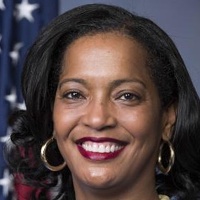
Jahana Hayes
Representative
CT
Jahana Hayes
Representative
CT
The Feed Hungry Veterans Act of 2025 expands eligibility for certain food assistance benefits for veterans. It updates the criteria for veterans based on service-connected disability ratings and adds specific categories of disabled or pensioned veterans who will now qualify. These changes are scheduled to take effect on October 1, 2030.
This act exempts surplus broiler hatching eggs sold to egg breakers from a specific current shell egg rule while mandating a new regulation for their handling and temperature control.
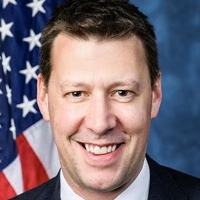
Josh Riley
Representative
NY
Josh Riley
Representative
NY
The Lowering Egg Prices Act of 2025 aims to reduce costs by streamlining the handling of surplus broiler hatching eggs sold to commercial egg breakers for processing into liquid egg products. This bill exempts these specific surplus eggs from certain current shell egg regulations. It also mandates the creation of a new rule within 180 days to establish appropriate temperature and time limits for holding these eggs before processing.
This Act prohibits the Department of Energy from conducting layoffs or workforce reductions until Congress enacts the full-year budget for Fiscal Year 2026, with limited exceptions for cause.
Zoe Lofgren
Representative
CA
Zoe Lofgren
Representative
CA
The Saving DOE’s Workforce Act institutes a moratorium, freezing all non-cause-based layoffs at the Department of Energy (DOE) until Congress enacts the full-year budget for Fiscal Year 2026. This measure protects most career federal employees at the DOE from staff reductions during this period. Exceptions for removal are strictly limited to documented misconduct or poor performance.
This bill temporarily prohibits the National Science Foundation from conducting layoffs until Congress approves its full Fiscal Year 2026 funding, with exceptions only for specific misconduct or performance issues.
Zoe Lofgren
Representative
CA
Zoe Lofgren
Representative
CA
The Saving NSF’s Workforce Act imposes a temporary moratorium on layoffs and reductions in force at the National Science Foundation (NSF). This freeze will remain in effect until Congress enacts the full-year funding bill for Fiscal Year 2026. The bill allows the NSF to proceed with involuntary separations only for specific reasons, such as misconduct or poor performance.