Legislative Activity
Track Seth's sponsored bills, co-sponsored legislation, and voting record
This Act establishes the Youth Mental Health Research Initiative, coordinating national research efforts to improve understanding, prevention, and treatment of mental health challenges in young people.
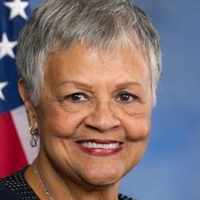
Bonnie Watson Coleman
Representative
NJ
Bonnie Watson Coleman
Representative
NJ
The Youth Mental Health Research Act establishes a new, coordinated research initiative led by the NIMH Director to improve understanding and treatment of youth mental health. This effort will focus on building resilience, improving early identification, and enhancing the accessibility of mental health care in community settings. The Act authorizes $100 million in funding annually through fiscal year 2030 to support this vital research.
This Act imposes sweeping, mandatory sanctions, tariffs, and investment prohibitions on the Russian Federation and its affiliates until Russia negotiates a lasting peace with Ukraine.
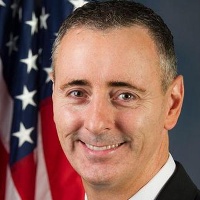
Brian Fitzpatrick
Representative
PA
Brian Fitzpatrick
Representative
PA
The Sanctioning Russia Act of 2025 imposes sweeping economic penalties on the Russian Federation in response to its aggression against Ukraine. This legislation mandates severe, immediate sanctions against key Russian officials, financial institutions, and energy sector entities, including asset freezes and trade prohibitions. Furthermore, the Act dramatically increases import duties on Russian goods and requires the President to review and reimpose these measures until Russia negotiates a lasting peace with Ukraine.
This bill raises the resource limits for Supplemental Security Income (SSI) eligibility starting in 2025 and ties future limits to inflation adjustments.
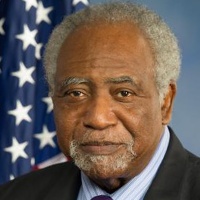
Danny Davis
Representative
IL
Danny Davis
Representative
IL
The SSI Savings Penalty Elimination Act significantly raises the resource limits for individuals and couples applying for Supplemental Security Income (SSI), starting in 2025. This legislation also mandates that these new resource limits will be automatically adjusted annually to keep pace with inflation. The goal is to allow SSI applicants to save more money without losing eligibility for benefits.
The ABC Act mandates a comprehensive review and simplification of processes, forms, and communications across Medicare, Medicaid, CHIP, and Social Security to alleviate burdens on family caregivers.
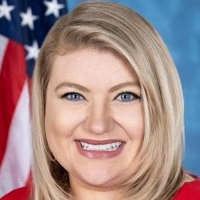
Katherine Cammack
Representative
FL
Katherine Cammack
Representative
FL
The ABC Act mandates a comprehensive review of Medicare, Medicaid, CHIP, and Social Security programs to significantly simplify application processes, forms, and communications for family caregivers. This effort requires federal agencies to streamline requirements, improve customer service, and enhance accessibility across their systems. The goal is to reduce the administrative burden on caregivers while ensuring clear and timely access to essential benefits. Agencies must report their findings and planned actions to Congress within two years of enactment.
The Hot Foods Act of 2025 lifts the general ban on purchasing ready-to-eat hot foods with SNAP benefits while imposing a sales cap on retailers that primarily sell such items.
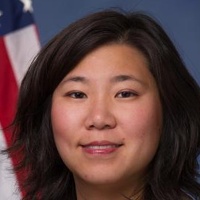
Grace Meng
Representative
NY
Grace Meng
Representative
NY
The Hot Foods Act of 2025 removes the general federal ban on using Supplemental Nutrition Assistance Program (SNAP) benefits to purchase hot, ready-to-eat foods. This legislation clarifies that hot foods are now eligible for purchase with SNAP benefits, while also setting a new rule that limits SNAP-participating retailers to deriving no more than 50% of their gross sales from these ready-to-eat hot items. The act updates existing statutes to reflect this expanded purchasing power for recipients.
This resolution formally recognizes and supports the goals and ideals of the International Transgender Day of Visibility to honor the achievements and acknowledge the ongoing struggles of the transgender community.
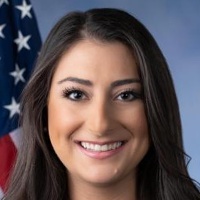
Sara Jacobs
Representative
CA
Sara Jacobs
Representative
CA
This resolution formally recognizes and celebrates the International Transgender Day of Visibility. Congress acknowledges the achievements of transgender individuals while highlighting the ongoing discrimination and violence they face. The resolution encourages appropriate ceremonies and activities to observe the day and celebrate the community's leadership and fight for equality.
This Act establishes federal grant programs to improve medical education, expand community health center capacity, and increase rural provider training in gender-affirming care for transgender individuals.
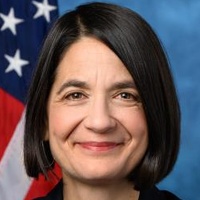
Becca Balint
Representative
VT
Becca Balint
Representative
VT
The Transgender Health Care Access Act aims to improve access to gender-affirming care by addressing critical gaps in medical education and provider capacity. The bill establishes grant programs to develop and implement comprehensive training curricula for medical professionals across various settings, including rural areas. Furthermore, it provides funding to expand the ability of community health centers to deliver culturally competent and necessary care to transgender individuals. Ultimately, this legislation seeks to ensure that healthcare providers are adequately trained and equipped to meet the medical needs of the transgender population.
The INFANTS Act of 2025 mandates rigorous, regular testing for contaminants in infant and toddler food, strengthens recall authority, and imposes new environmental monitoring requirements for powdered infant formula manufacturers.
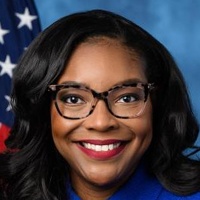
Emilia Sykes
Representative
OH
Emilia Sykes
Representative
OH
The INFANTS Act of 2025 significantly strengthens safety standards for food intended for infants and toddlers up to 24 months old. It mandates that manufacturers implement rigorous, written testing plans to screen for toxic elements like lead, arsenic, mercury, and cadmium in their products quarterly. Furthermore, the bill grants the Secretary mandatory recall authority for contaminated infant food and requires manufacturers of powdered infant formula to establish environmental monitoring programs to test for pathogens like *Cronobacter* and *Salmonella*.
This bill mandates a study comparing the quality of mental health and addiction therapy care provided to veterans by the VA versus non-VA providers.
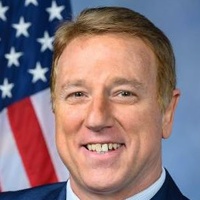
Patrick Fallon
Representative
TX
Patrick Fallon
Representative
TX
This bill mandates a comprehensive, independent study comparing the quality of mental health and addiction therapy provided to veterans by the Department of Veterans Affairs (VA) versus non-VA providers. The study will assess outcomes, treatment methods, coordination, and patient experience across various care settings. The final report will be submitted to Congress and made public to inform future quality improvements.
This bill excludes certain veterinary student loan repayments and forgiveness amounts from taxable income to encourage veterinarians to practice in rural areas.

Adrian Smith
Representative
NE
Adrian Smith
Representative
NE
The Rural Veterinary Workforce Act aims to encourage more veterinarians to serve in underserved rural areas by making participation in certain loan repayment or forgiveness programs more financially appealing. This bill amends the tax code to exclude amounts received through qualifying state or federal veterinary student loan repayment programs from being counted as taxable income. This tax benefit applies to amounts received for taxable years beginning after December 31, 2025.
This bill establishes a temporary federal tax credit of up to \$10,000 for eligible commercial truck drivers to strengthen supply chains.
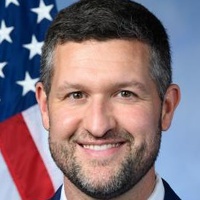
Patrick Ryan
Representative
NY
Patrick Ryan
Representative
NY
The Strengthening Supply Chains Through Truck Driver Incentives Act of 2025 establishes a temporary federal tax credit for qualifying commercial truck drivers to support the supply chain. Eligible drivers who meet specific income and hour requirements can receive a credit of either \$7,500 or \$10,000, depending on their prior year's employment status. This incentive program is scheduled to expire after the 2026 tax year, though the credit amounts will be adjusted annually for inflation until then.
The SCREENS for Cancer Act of 2025 reauthorizes and updates the National Breast and Cervical Cancer Early Detection Program to enhance cancer prevention, reduce disparities, and ensure equitable access to screening services through increased funding and new reporting requirements.
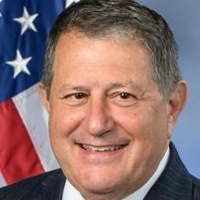
Joseph Morelle
Representative
NY
Joseph Morelle
Representative
NY
The **SCREENS for Cancer Act of 2025** seeks to reauthorize and update the National Breast and Cervical Cancer Early Detection Program (NBCCEDP). This legislation expands the program's focus to include cancer prevention and aims to reduce health disparities in screening access. The bill authorizes $235 million annually for fiscal years 2026 through 2030 and mandates a GAO study on program eligibility and service trends.
This Act removes existing restrictions and clarifies eligibility requirements for striking workers seeking Supplemental Nutrition Assistance Program (SNAP) benefits.
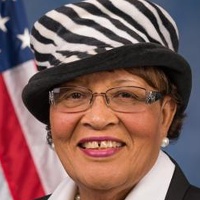
Alma Adams
Representative
NC
Alma Adams
Representative
NC
The Food Secure Strikers Act of 2025 aims to clarify and simplify eligibility rules for striking workers seeking Supplemental Nutrition Assistance Program (SNAP) benefits. This legislation removes outdated restrictions and clarifies the precise conditions under which participation in a labor strike affects a worker's SNAP eligibility. The goal is to streamline the existing law regarding striker access to food assistance.
This bill seeks to restore public faith in elections by imposing contribution limits on Super PACs to curb the influence of large donors and reduce the appearance of corruption.
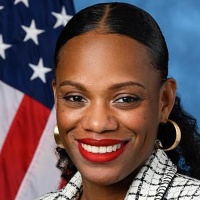
Summer Lee
Representative
PA
Summer Lee
Representative
PA
The Abolish Super PACs Act seeks to curb the influence of large, unlimited political donations by imposing new contribution limits on independent expenditure committees (Super PACs). Congress finds that uncapped spending has led to the appearance of corruption and damaged public trust in elections. This legislation aims to reduce the potential for corrupt deals and restore faith in the fairness of federal campaigns.
This Act raises the minimum age for Federal Firearms Licensees to sell certain semiautomatic rifles and shotguns to 21, with exceptions for qualified individuals aged 18-20, and mandates an FBI report on its public access line operations.
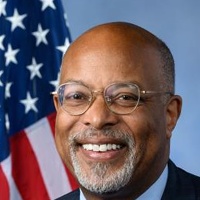
Glenn Ivey
Representative
MD
Glenn Ivey
Representative
MD
The Raise the Age Act of 2025 generally prohibits Federal Firearms Licensees from selling certain semiautomatic centerfire rifles or shotguns capable of holding magazines over five rounds to anyone under 21, with exceptions for qualified military or government personnel. The bill also maintains the existing minimum age of 18 for general firearm purchases, excluding the newly restricted categories. Finally, it mandates that the FBI Director report on the operational procedures of its public access line within 90 days of enactment.
The Worker Relief and Credit Reform Act of 2025 significantly expands the Earned Income Tax Credit to include students, lowers the minimum age for childless claimants, redefines dependents, and establishes an optional program for advance monthly EITC payments.
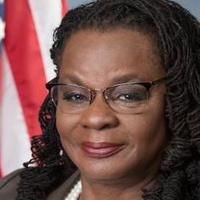
Gwen Moore
Representative
WI
Gwen Moore
Representative
WI
The Worker Relief and Credit Reform Act of 2025 significantly expands eligibility for the Earned Income Tax Credit (EITC), allowing students without children to qualify and lowering the minimum age requirement. It also introduces a major new feature allowing eligible taxpayers to opt into receiving advance monthly EITC payments, capped at 75% of their estimated annual credit. Furthermore, the bill redefines qualifying dependents and adjusts key income thresholds for the credit calculation.
The Paycheck Fairness Act strengthens equal pay enforcement by tightening defenses against pay discrimination, expanding protections against retaliation, increasing penalties for violations, and requiring comprehensive data collection and training initiatives.
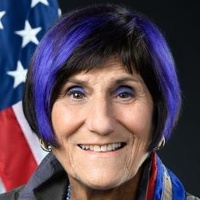
Rosa DeLauro
Representative
CT
Rosa DeLauro
Representative
CT
The Paycheck Fairness Act significantly strengthens federal equal pay protections by broadening definitions of sex discrimination, tightening employer defenses against pay disparities, and increasing penalties for violations. It also prohibits employers from using salary history in hiring decisions and mandates new data collection by the EEOC to better enforce anti-discrimination laws. Furthermore, the bill establishes new training and outreach programs to combat systemic wage bias.
This Act establishes the permanent Office of Children's Health Protection within the EPA and a permanent advisory committee to focus federal efforts on mitigating environmental and safety hazards disproportionately affecting children.
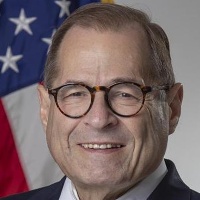
Jerrold Nadler
Representative
NY
Jerrold Nadler
Representative
NY
The Children’s Health Protection Act of 2025 establishes a dedicated Office of Children's Health Protection within the EPA to specifically address environmental and safety hazards disproportionately affecting children. This Act also mandates the continuation of a permanent Children's Health Protection Advisory Committee to advise the EPA Administrator on related programs and rules. The goal is to ensure federal actions actively protect infants, children, and adolescents from environmental dangers.
This resolution formally recognizes the persistent gender wage gap and reaffirms Congress's commitment to achieving pay equity.
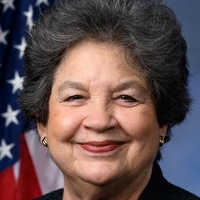
Lois Frankel
Representative
FL
Lois Frankel
Representative
FL
This resolution formally recognizes the significant and persistent wage gap between men and women in the United States, highlighting statistics that show women earn substantially less. It serves as a strong public statement reaffirming Congress's commitment to achieving pay equity. The measure does not enact new laws but emphasizes the economic harm caused by unequal pay for women and their families.
This bill imposes terrorism sanctions on the Popular Resistance Committees (PRC) for their role in the October 7th attacks and mandates a report on designating the PRC and the Lions Den as terrorist entities.
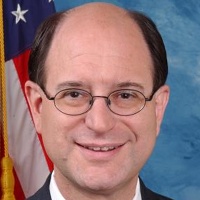
Brad Sherman
Representative
CA
Brad Sherman
Representative
CA
This Act imposes immediate sanctions, including asset freezes and visa bans, on the Popular Resistance Committees (PRC) for their involvement in terrorism, particularly the October 7th attacks. It also mandates a report from the Secretary of State on designating the Lions Den and the PRC as Specially Designated Global Terrorists. Furthermore, the bill requires ongoing reviews to identify and potentially sanction successor or affiliated terrorist groups.