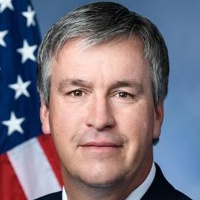
Legislative Activity
Track Barry's sponsored bills, co-sponsored legislation, and voting record
This bill proposes a constitutional amendment to permanently set the number of Supreme Court justices at nine, requiring ratification by three-fourths of the states within seven years.
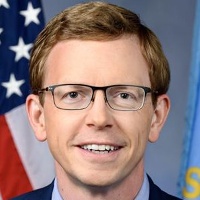
Dusty Johnson
Representative
SD
Dusty Johnson
Representative
SD
This bill proposes a constitutional amendment to fix the number of Supreme Court justices at nine. For this amendment to be valid, three-fourths of the state legislatures must ratify it within seven years of its submission.
The ATF Accountability Act of 2025 establishes a formal, binding appeals process for firearms licensees to challenge Bureau of Alcohol, Tobacco, Firearms and Explosives (ATF) rulings and determinations before an administrative law judge.

Dan Crenshaw
Representative
TX
Dan Crenshaw
Representative
TX
The ATF Accountability Act of 2025 establishes a formal, structured appeals process for licensed firearms businesses to challenge rulings or determinations issued by the ATF. This legislation mandates timely responses from the agency and provides licensees the right to a hearing before an administrative law judge. Additionally, it ensures that any challenged ruling is stayed until the appeals process and subsequent judicial reviews are fully resolved.
The Reining In Federal Licensing Enforcement (RIFLE) Act of 2025 reforms federal firearms licensing by establishing graduated penalty structures, enhancing due process protections for dealers, and limiting the Attorney General's authority in enforcement and revocation proceedings.
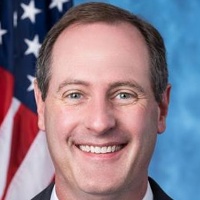
Tracey Mann
Representative
KS
Tracey Mann
Representative
KS
The Reining In Federal Licensing Enforcement (RIFLE) Act of 2025 reforms the federal firearms licensing system by establishing a graduated penalty structure that distinguishes between unintentional and willful violations. The bill mandates increased procedural protections for licensees, including expanded notice requirements, opportunities to cure violations, and the right to formal administrative hearings and judicial review. Additionally, it sets stricter standards for proving "willful" violations, provides a 90-day window for inventory liquidation upon license termination, and requires the Attorney General to establish formal, public standards for inspections and enforcement actions.
The Birthright Citizenship Act of 2025 limits automatic birthright citizenship to children born in the U.S. to at least one parent who is a U.S. citizen, a lawful permanent resident, or an alien serving in the U.S. armed forces.
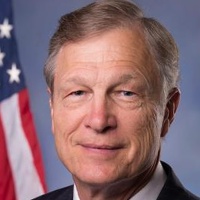
Brian Babin
Representative
TX
Brian Babin
Representative
TX
The Birthright Citizenship Act of 2025 proposes to limit automatic birthright citizenship to children born in the United States who have at least one parent who is a U.S. citizen, a lawful permanent resident, or an alien serving in the U.S. armed forces. This legislation would exclude children born to parents without legal status or those on temporary visas from receiving automatic citizenship. These changes would apply only to individuals born on or after the date of the Act's enactment.
This bill mandates the destruction of existing firearm transaction records from closed businesses and prohibits the ATF from collecting such records in the future.
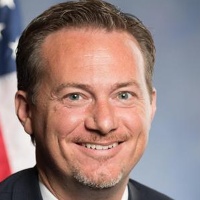
Michael Cloud
Representative
TX
Michael Cloud
Representative
TX
The "No Retaining Every Gun In a System That Restricts Your Rights Act" mandates the destruction of all firearm transaction records currently held by the ATF from discontinued businesses. Furthermore, it amends federal law to prohibit the future collection and transfer of these records to the government when a firearms business ceases operations. The bill also requires the ATF to submit a formal report to Congress confirming the number of records destroyed.
The Offshore Lands Authorities Act of 2025 nullifies previous presidential withdrawals of unleased offshore lands and establishes strict new limitations and congressional oversight procedures for future executive leasing restrictions.
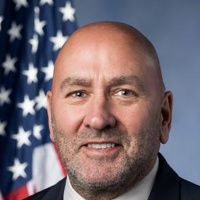
Clay Higgins
Representative
LA
Clay Higgins
Representative
LA
The Offshore Lands Authorities Act of 2025 nullifies several previous Presidential withdrawals of offshore lands, effectively reopening those areas to potential mineral leasing. The bill also establishes strict new limitations on the President’s authority to withdraw unleased offshore lands, including size and duration caps, mandatory resource assessments, and a streamlined congressional disapproval process.
This bill mandates the implementation of the Migrant Protection Protocols, requiring the Secretary of Homeland Security to return qualifying noncitizens arriving from contiguous countries to Mexico or Canada during their immigration proceedings.
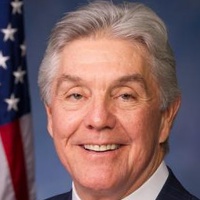
Roger Williams
Representative
TX
Roger Williams
Representative
TX
The Make the Migrant Protection Protocols Mandatory Act of 2025 amends the Immigration and Nationality Act to require, rather than permit, the return of certain noncitizens to Mexico or Canada while their immigration proceedings are pending. This legislation removes discretionary authority from the Department of Homeland Security, effectively mandating the implementation of the "Remain in Mexico" policy.
The Federal Agency Sunset Commission Act of 2025 establishes a bipartisan commission to systematically review, evaluate, and periodically abolish federal agencies unless they are explicitly reauthorized by Congress.
Michael Cloud
Representative
TX
Michael Cloud
Representative
TX
The Federal Agency Sunset Commission Act of 2025 establishes a bipartisan commission tasked with systematically reviewing federal agencies to determine their efficiency and necessity. Under this act, agencies will be subject to periodic review and automatic abolishment unless Congress passes legislation to reauthorize them. The commission is empowered to recommend the consolidation, reorganization, or termination of agencies to improve government efficiency and reduce redundancy.
Affirms states' rights to defend against invasion, citing the influx of cartels and criminal elements across the southern border and criticizing the Biden administration's border security policies.
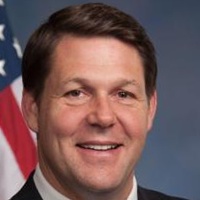
Jodey Arrington
Representative
TX
Jodey Arrington
Representative
TX
This bill asserts the constitutional right of states to defend themselves against invasion, citing the situation at the southern border from 2021-2024 as an invasion by cartels, terrorists, and criminal elements. It criticizes the Biden administration's border policies and claims the federal government failed to protect southern border states, thus empowering states to take defensive action.
The Old Glory Only Act mandates that only the United States flag may be flown at U.S. diplomatic and consular posts.
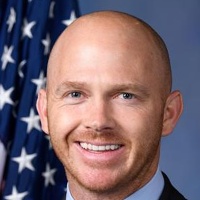
William Timmons
Representative
SC
William Timmons
Representative
SC
The Old Glory Only Act mandates that only the official United States flag may be flown at U.S. diplomatic and consular posts. This legislation prohibits the display of any other flags at these facilities.
This bill reclassifies silencers under federal tax law, removes federal registration requirements for legally transferred silencers, preempts state taxation and registration of silencers in commerce, and mandates the destruction of existing federal silencer registration records.

Ben Cline
Representative
VA
Ben Cline
Representative
VA
The Hearing Protection Act aims to remove silencers from the purview of the National Firearms Act (NFA) by treating them similarly to standard firearms under federal tax law. This legislation preempts certain state and local taxes and registration requirements related to silencers involved in interstate commerce. Furthermore, the bill mandates the destruction of existing federal silencer registration records and updates federal marking requirements for manufacturers.
The Regulation Reduction Act of 2025 mandates that federal agencies repeal at least three existing regulations for every new rule issued, ensuring that the costs of new major rules are fully offset by the elimination of previous ones.
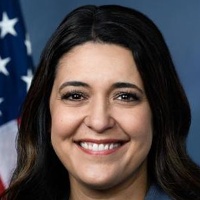
Stephanie Bice
Representative
OK
Stephanie Bice
Representative
OK
The Regulation Reduction Act of 2025 mandates that federal agencies repeal at least three existing regulations before issuing any new rule. For major rules, the legislation further requires that the cost of the new regulation be offset by the cost savings of the repealed rules. Additionally, the bill directs agencies to conduct a comprehensive review to identify and eliminate outdated, duplicative, or ineffective regulatory burdens.
This bill prohibits the United States from providing any assessed or voluntary financial contributions to the World Health Organization.

Chip Roy
Representative
TX
Chip Roy
Representative
TX
The "No Taxpayer Funding for the World Health Organization Act" prohibits the United States government from providing any assessed or voluntary financial contributions to the World Health Organization. This legislation effectively ends all U.S. taxpayer funding for the organization upon the bill's enactment.
This bill proposes the full repeal of the National Firearms Act, eliminating federal taxes, registration requirements, and transfer restrictions on items such as silencers and short-barreled firearms.
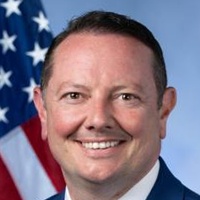
Eric Burlison
Representative
MO
Eric Burlison
Representative
MO
The "Repeal the NFA Act" proposes the complete elimination of the National Firearms Act (NFA). This legislation would remove federal taxes, registration requirements, and transfer restrictions currently imposed on items such as machine guns, short-barreled rifles, short-barreled shotguns, and silencers.
The States’ Education Reclamation Act of 2025 proposes the abolition of the federal Department of Education, transferring its remaining responsibilities to other agencies while providing direct, state-controlled block grants for education funding.
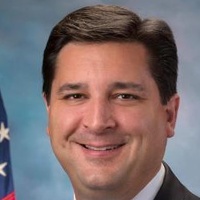
David Rouzer
Representative
NC
David Rouzer
Representative
NC
The States’ Education Reclamation Act of 2025 proposes the abolition of the federal Department of Education to return primary authority over schooling to states and local communities. The bill replaces current federal education programs with direct block grants to states, ensuring funding remains available for elementary, secondary, and postsecondary education while mandating strict fiscal accountability. Certain essential programs would be transferred to other federal agencies, and the legislation requires a formal plan for the Department’s closure.
This bill authorizes the President to enter into negotiations with the Kingdom of Denmark to acquire Greenland, subject to a 60-day congressional review period.
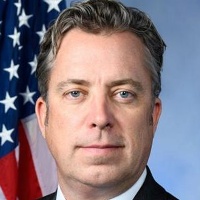
Andrew Ogles
Representative
TN
Andrew Ogles
Representative
TN
The "Make Greenland Great Again Act" authorizes the President to initiate negotiations with the Kingdom of Denmark to acquire Greenland for the United States. The bill establishes a formal process for congressional review, requiring any resulting acquisition agreement to be submitted to specific committees for a 60-day approval period.
Expresses the House's support for the Trump administration's selection of Huntsville, Alabama, as the U.S. Space Command Headquarters location and urges the incoming Trump administration to reinstate this decision, criticizing the Biden administration's consideration of an alternative location.
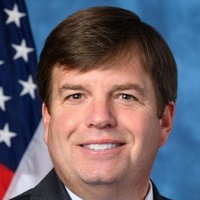
Dale Strong
Representative
AL
Dale Strong
Representative
AL
This bill expresses the House of Representatives' support for the initial 2021 decision to locate the U.S. Space Command Headquarters at Redstone Arsenal in Huntsville, Alabama. It criticizes the Biden administration's plan to move the headquarters to Colorado Springs, Colorado. The bill urges the incoming Trump administration to reinstate Huntsville as the permanent location for the U.S. Space Command Headquarters.
The Border Safety and Security Act of 2025 authorizes the Secretary of Homeland Security to suspend the entry of inadmissible aliens at U.S. borders when detention capacity is unavailable or operational control is compromised.
Chip Roy
Representative
TX
Chip Roy
Representative
TX
The Border Safety and Security Act of 2025 authorizes the Secretary of Homeland Security to suspend the entry of inadmissible aliens at U.S. borders to maintain operational control. It mandates a suspension of entry whenever the government lacks the capacity to properly detain or monitor these individuals. Additionally, the bill empowers state attorneys general to sue the federal government to enforce these border security requirements.
The Legal Workforce Act mandates that all U.S. employers use a phased-in electronic verification system to confirm the employment eligibility of all new and existing employees.
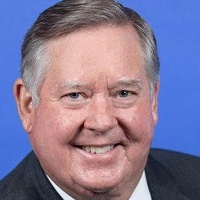
Ken Calvert
Representative
CA
Ken Calvert
Representative
CA
The Legal Workforce Act mandates that all U.S. employers use a new, electronic verification system to confirm the work eligibility of every new hire. This legislation replaces the existing E-Verify program with a phased-in, mandatory process that requires employers to verify both identity and work authorization for all employees. Additionally, the bill increases penalties for hiring unauthorized workers, establishes new fraud prevention measures, and preempts state laws to create a uniform national employment verification policy.
The REMAIN in Mexico Act of 2025 mandates the implementation of the Migrant Protection Protocols, requiring asylum seekers to wait in Mexico while their claims are processed.
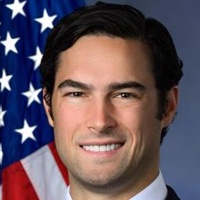
Brandon Gill
Representative
TX
Brandon Gill
Representative
TX
The REMAIN in Mexico Act of 2025 mandates that the Secretary of Homeland Security reinstate the Migrant Protection Protocols (MPP). This legislation requires that asylum seekers be returned to Mexico to await their U.S. immigration proceedings, effectively codifying the 2019 policy guidance into law.