Legislative Activity
Track Seth's sponsored bills, co-sponsored legislation, and voting record
This act establishes universal free breakfast and lunch programs in schools, eliminates meal debt, and updates poverty metrics across various federal education and nutrition programs.
Ilhan Omar
Representative
MN
Ilhan Omar
Representative
MN
The Universal School Meals Program Act of 2026 establishes permanent, universal free breakfast and lunch programs for all enrolled students at participating schools, eliminating income tests and meal debt collection. The bill significantly updates federal funding mechanisms by replacing reliance on free and reduced-price lunch data with new measures for identifying economically disadvantaged students across various education and social programs. Furthermore, it expands access to summer and afterschool meals while making technical amendments across several federal education and nutrition laws.
This bill affirms the strong U.S.-South Korea alliance, emphasizing its importance for security, economic growth, and shared values, while also recognizing the contributions of Korean Americans. It supports stronger ties and celebrates Korean culture.
Thomas Suozzi
Representative
NY
Thomas Suozzi
Representative
NY
This bill reaffirms the strong alliance between the United States and the Republic of Korea, emphasizing its importance for security, economic growth, and shared values. It recognizes the deep economic ties, the contributions of Korean Americans, and continued commitment to the Mutual Defense Treaty. The bill also supports strengthening security, economic, and cultural bonds between the two nations, and celebrates Korean Culture-Kimchi Day.
This resolution recognizes the 75th anniversary of the American College of Obstetricians and Gynecologists and honors its vital role in advancing women's health through clinical excellence, education, advocacy, and research.
Kelly Morrison
Representative
MN
Kelly Morrison
Representative
MN
This resolution celebrates the 75th anniversary of the American College of Obstetricians and Gynecologists (ACOG). It recognizes ACOG's critical role in advancing women's health through excellence in clinical practice, education, advocacy, and research. The bill honors ACOG's dedication to improving maternal health and supporting obstetrician-gynecologists nationwide.
This bill establishes the Combating Organized Retail Crime Act of 2025 to enhance federal prosecution tools against organized retail and supply chain crime and create a DHS-led coordination center to align law enforcement efforts.
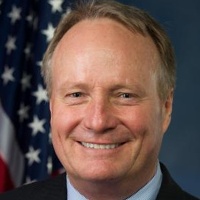
David Joyce
Representative
OH
David Joyce
Representative
OH
The Combating Organized Retail Crime Act of 2025 aims to combat sophisticated, cross-jurisdictional organized retail and supply chain theft. It achieves this by strengthening federal laws regarding money laundering and stolen property offenses, including lowering monetary thresholds for prosecution. Furthermore, the bill establishes a dedicated Center within the Department of Homeland Security to coordinate federal, state, and local enforcement efforts against these criminal organizations.
This resolution reaffirms the foundational U.S. commitment to the Taiwan Relations Act, the three Joint Communiqués, and the Six Assurances, supporting Taiwan's self-defense and opposing any non-peaceful resolution of its future.
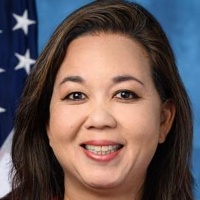
Jill Tokuda
Representative
HI
Jill Tokuda
Representative
HI
This resolution reaffirms the foundational U.S. commitment to the Taiwan Relations Act and longstanding bipartisan policy toward Taiwan. It underscores that peace and stability in the region are vital to U.S. interests and opposes any non-peaceful efforts to determine Taiwan's future. The bill affirms the U.S. commitment to providing Taiwan with defensive arms and maintaining the capacity to resist coercion.
This act prohibits individuals with access to nonpublic campaign information from trading financial contracts based on election outcomes and mandates safeguards for platforms facilitating such trades.
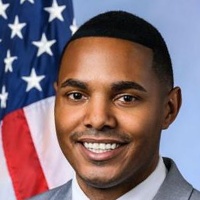
Ritchie Torres
Representative
NY
Ritchie Torres
Representative
NY
The Campaign Event Contract Integrity Act prohibits individuals with access to confidential campaign information from trading financial contracts based on the outcome of federal elections or political events. It mandates that trading platforms establish safeguards to detect and prevent this prohibited insider trading. The Commodity Futures Trading Commission is empowered to enforce these new regulations and penalties.
This bill expresses the Sense of Congress that medication abortion is safe and that federal approval preempts state restrictions on its dispensing, including in-person requirements and telehealth bans.
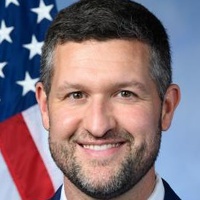
Patrick Ryan
Representative
NY
Patrick Ryan
Representative
NY
This resolution expresses the Sense of Congress that medication abortion is a safe treatment approved by the FDA. It further declares that federal approval preempts state laws attempting to restrict dispensing medication abortion in person or via telehealth.
This act prohibits the use of federal funds for military action in or against Iran through 2026 unless Congress formally declares war or authorizes such force.
Patrick Ryan
Representative
NY
Patrick Ryan
Representative
NY
The No Funds for Iran War Act prohibits the use of federal funds for military action in or against Iran through the end of 2026. This ban remains in effect unless Congress formally declares war or passes a specific authorization for military force. Exceptions are made only for actions consistent with the War Powers Resolution or necessary self-defense against an imminent attack.
This bill mandates that companies registering securities on U.S. exchanges must disclose their use of goods or materials linked to forced labor in the Xinjiang Uyghur Autonomous Region, subject to independent verification and public availability.
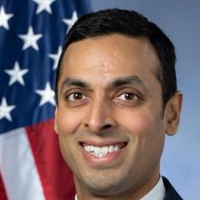
Suhas Subramanyam
Representative
VA
Suhas Subramanyam
Representative
VA
The Uyghur Forced Labor Disclosure Act requires companies listing securities on U.S. exchanges to disclose their supply chain links to goods produced using forced labor in the Xinjiang Uyghur Autonomous Region (XUAR). This mandates detailed public reporting, independent verification of sourcing documentation, and penalties for noncompliance. These disclosure requirements are set to be repealed after eight years or sooner if the President certifies that China has ended human rights abuses in the region.
This bill limits drug costs for TRICARE beneficiaries and veterans to Medicare Part D negotiated prices and caps federal procurement prices for drugs covered under the Medicare Drug Price Negotiation Program.
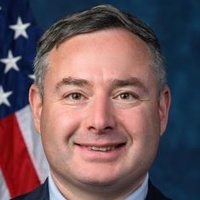
Eugene Vindman
Representative
VA
Eugene Vindman
Representative
VA
The MISSION Rx Act aims to lower prescription drug costs for servicemembers, veterans, and federal procurement programs. It caps the cost-sharing amounts paid by TRICARE beneficiaries and veterans for certain drugs at the level paid by Medicare Part D beneficiaries. Furthermore, the bill limits the price federal agencies pay for these same negotiated drugs under existing procurement agreements.
This resolution recognizes National Postpartum Awareness Week for Communities of Color to highlight and address the disproportionate maternal health crisis and disparities faced by women of color during the postpartum period.
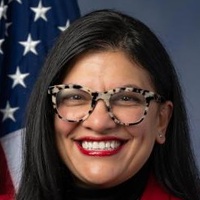
Rashida Tlaib
Representative
MI
Rashida Tlaib
Representative
MI
This resolution officially recognizes the week of May 3-9, 2026, as "National Postpartum Awareness Week for Communities of Color." It highlights the disproportionate maternal health crisis faced by communities of color and the critical need for respectful, culturally competent postpartum care. The bill supports efforts to eliminate racial disparities in maternal health outcomes by improving access to necessary resources and mental health services.
This act establishes a new federal grant program to fund academic enrichment, youth development, and family engagement in afterschool, before-school, and summer learning programs for K-12 students, while also significantly increasing funding for the existing Community Learning Centers program and adjusting the corporate tax rate.

Dan Goldman
Representative
NY
Dan Goldman
Representative
NY
The Afterschool for All Act establishes a new competitive grant program to fund high-quality afterschool, before-school, and summer learning opportunities for K-12 students. These grants will support partnerships between schools and community organizations to provide academic enrichment, youth development, and family engagement services. The bill also significantly increases funding for the existing Community Learning Centers program.
This resolution commends U.S. public servants for their dedication to defending the Constitution, delivering essential services, and supporting the economy, particularly during Public Service Recognition Week.
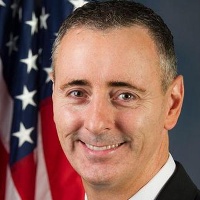
Brian Fitzpatrick
Representative
PA
Brian Fitzpatrick
Representative
PA
This resolution expresses the sense of the House of Representatives commending public servants for their dedication to defending the Constitution and delivering essential services to the American people. It specifically designates the week of May 3 through May 9, 2026, as Public Service Recognition Week. The bill honors the millions of federal, state, and local employees and uniformed service members who support the economy and democratic foundations of the nation.
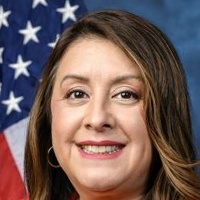
This resolution opposes any rollback of the EPA's Greenhouse Gas Reporting Program, emphasizing its critical role in tracking emissions, protecting public health, and supporting scientific integrity and economic growth.
Luz Rivas
Representative
CA
Luz Rivas
Representative
CA
This resolution strongly opposes any rollback of the EPA's Greenhouse Gas Reporting Program, emphasizing its critical role in tracking U.S. emissions. The program provides essential, transparent data vital for protecting public health, advancing environmental justice, and supporting federal, state, and business climate initiatives. Undermining this system would erode scientific integrity and hinder efforts to address climate change and pollution impacts.
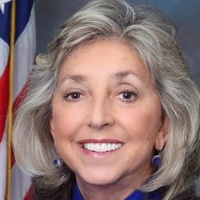
This bill prohibits House members, officers, and employees from participating in certain prediction markets involving excluded commodities, while also encouraging the executive and judicial branches to adopt similar restrictions.
Dina Titus
Representative
NV
Dina Titus
Representative
NV
This bill amends the House of Representatives' rules to prohibit Members, officers, and employees from participating in certain prediction markets involving excluded commodities. The legislation aims to prevent conflicts of interest by banning trades tied to the outcome of specific events. It also expresses the sense of the House that the executive and judicial branches should adopt similar restrictions.
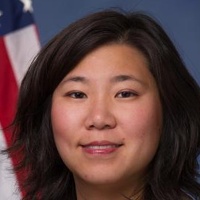
This bill officially designates May 2026 as Asian American, Native Hawaiian, and Pacific Islander Heritage Month to celebrate their significant contributions to U.S. history and culture.
Grace Meng
Representative
NY
Grace Meng
Representative
NY
This bill officially designates May 2026 as Asian American, Native Hawaiian, and Pacific Islander Heritage Month. It calls for nationwide recognition and celebration of the significant contributions, achievements, and history of these communities to the United States. The measure emphasizes that these communities enhance the nation's diversity and strength.
This bill nullifies three specific Department of State rules regarding foreign assistance, effectively voiding their implementation and preventing enforcement of similar future policies.
Grace Meng
Representative
NY
Grace Meng
Representative
NY
This Act nullifies three specific Department of State rules concerning foreign assistance, effectively treating them as if they never existed. It prohibits any federal agency from implementing or enforcing these rules, or any substantially similar future policies. The legislation aims to prevent the enforcement of rules related to "Protecting Life," "Discriminatory Equity Ideology," and "Gender Ideology" in foreign aid.
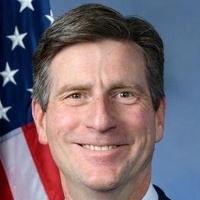
This bill establishes the Short-Term Holding Facility Standards Restoration Act, limiting ICE holding facility detention to 12 hours except in exceptional circumstances, while mandating humane conditions and strict documentation.
Greg Stanton
Representative
AZ
Greg Stanton
Representative
AZ
This bill, the Short-Term Holding Facility Standards Restoration Act, limits the time individuals can be held in U.S. Immigration and Customs Enforcement (ICE) holding facilities to a maximum of 12 hours, except in rare, exceptional circumstances. It also mandates humane conditions, including regular meals and constant access to drinking water, for all detainees. Furthermore, the legislation requires detailed documentation and annual reporting to Congress regarding any instances where the 12-hour limit is exceeded.
This resolution expresses the House's support for the International Atomic Energy Agency's vital role in global nuclear security and urges member states to provide reliable resources for its work.
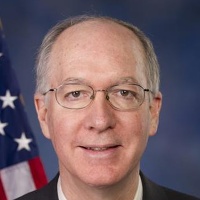
Bill Foster
Representative
IL
Bill Foster
Representative
IL
This resolution expresses the sense of the House of Representatives in strong support of the International Atomic Energy Agency's (IAEA) vital role in global nuclear security. It recognizes the ongoing threat posed by illicit nuclear material and encourages the U.S. and other member states to ensure the IAEA has reliable and sufficient resources, including through the Nuclear Security Fund, to fulfill its mission.
This bill designates April as Community College Month to recognize the vital role of over 1,000 community colleges in advancing accessible higher education, workforce training, and national economic prosperity.
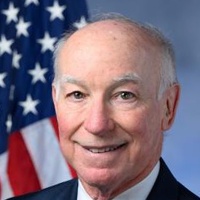
Joe Courtney
Representative
CT
Joe Courtney
Representative
CT
This resolution officially designates April as Community College Month to celebrate the vital role of over 1,000 community colleges nationwide. It recognizes these institutions for providing accessible higher education, workforce training, and significant contributions to the U.S. economy. The bill highlights their affordability, local presence, and impact on student success across the country.