Legislative Activity
Track Seth's sponsored bills, co-sponsored legislation, and voting record
This resolution condemns China's coercive actions against Japan following statements on Taiwan and reaffirms the U.S. commitment to its Indo-Pacific allies.

Young Kim
Representative
CA
Young Kim
Representative
CA
This resolution condemns the People's Republic of China's coercive military and economic actions against Japan following statements regarding Taiwan. It reaffirms the strong U.S.-Japan alliance and commitment to regional stability. Furthermore, the bill calls on the PRC to cease its pressure tactics and urges the U.S. to work with allies to counter such coercion in the Indo-Pacific.
The Perinatal Workforce Act establishes grant programs and national initiatives to grow, diversify, and train a culturally competent maternal health workforce to improve health equity and patient outcomes.
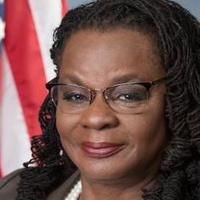
Gwen Moore
Representative
WI
Gwen Moore
Representative
WI
The Perinatal Workforce Act aims to improve maternal health outcomes by expanding and diversifying the perinatal health workforce. The bill establishes grant programs to support training for midwives, nurses, and other perinatal health workers, with a focus on recruiting individuals from underserved and minority communities. Additionally, it mandates national campaigns, federal coordination, and research to promote culturally congruent care and address systemic barriers to maternal health access.
The Data to Save Moms Act directs federal funding and research toward improving maternal health data collection, supporting maternal mortality review committees, and addressing disparities in maternal health outcomes for minority and underserved populations.
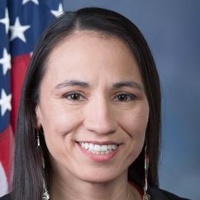
Sharice Davids
Representative
KS
Sharice Davids
Representative
KS
The Data to Save Moms Act aims to improve maternal health outcomes and eliminate disparities by enhancing data collection, research, and public awareness. The bill provides funding for Maternal Mortality Review Committees, supports community-based organizations addressing social determinants of health, and mandates training for providers on implicit bias and culturally congruent care. Additionally, it authorizes comprehensive studies and grant programs focused on high-risk populations, including racial and ethnic minority groups and American Indian and Alaska Native communities.
The Kira Johnson Act establishes grant programs and research initiatives to advance maternal health equity, reduce bias and discrimination in maternity care, and improve health outcomes for high-risk demographic groups.
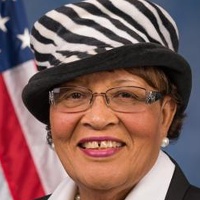
Alma Adams
Representative
NC
Alma Adams
Representative
NC
The Kira Johnson Act aims to eliminate maternal health disparities by funding community-based organizations that provide evidence-based support to high-risk populations. The legislation also establishes grant programs to implement anti-bias training for maternity care providers and creates compliance programs to address racism and discrimination in clinical settings. Through these initiatives, the bill seeks to ensure respectful, culturally congruent care and improve health outcomes for pregnant and postpartum individuals.
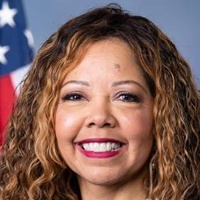
This bill extends WIC eligibility and enhanced food benefits for postpartum and breastfeeding mothers from one year to 24 months.
Lucy McBath
Representative
GA
Lucy McBath
Representative
GA
The Extending WIC for New Moms Act increases the duration of WIC eligibility for postpartum mothers from six months to 24 months. It also extends the period for receiving enhanced breastfeeding food packages to 24 months. Additionally, the bill mandates a comprehensive report to Congress evaluating the impact of these extensions on maternal and infant health outcomes.
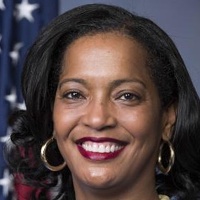
The Social Determinants for Moms Act establishes federal grant programs and a dedicated task force to improve maternal health outcomes by addressing the nonclinical social factors that impact pregnant and postpartum individuals.
Jahana Hayes
Representative
CT
Jahana Hayes
Representative
CT
The Social Determinants for Moms Act aims to reduce maternal mortality and health disparities by addressing the nonclinical factors that impact pregnancy and postpartum outcomes. The bill establishes federal grant programs to provide essential services—such as housing, nutrition, transportation, and childcare—to pregnant and postpartum individuals. Additionally, it creates a federal task force to coordinate cross-agency strategies to improve maternal health and support community-led initiatives across the country.
The Momnibus Act is a comprehensive legislative package designed to improve maternal health outcomes and reduce racial disparities by addressing social determinants, expanding nutritional and mental health support, diversifying the perinatal workforce, and investing in data-driven, community-based care.

Lauren Underwood
Representative
IL
Lauren Underwood
Representative
IL
The Momnibus Act is a comprehensive legislative package designed to end preventable maternal mortality and close racial and ethnic disparities in maternal health outcomes. By addressing social determinants of health, expanding nutritional and mental health support, and investing in a diverse, culturally competent workforce, the bill provides a holistic framework for improving care. Through targeted federal grants, enhanced data collection, and innovative technology, the Act aims to ensure that all pregnant and postpartum individuals receive the equitable, high-quality care they deserve.
This bill establishes a federally funded nutrition assistance program to provide SNAP-equivalent benefits to lawfully present noncitizens who are currently ineligible due to their immigration status.

Shontel Brown
Representative
OH
Shontel Brown
Representative
OH
The Feeding Families Not Fear Act of 2026 establishes a nutrition assistance program for lawfully present noncitizens who are currently ineligible for SNAP benefits due to their immigration status. This initiative provides eligible individuals with monthly food assistance via EBT cards, mirroring the benefits and standards of the regular SNAP program. The bill authorizes $3 billion in annual funding through 2029 to ensure food security for these households.
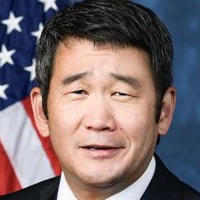
This bill mandates that the Department of Homeland Security provide Congress with comprehensive documentation and evidence regarding officer-involved shootings and deaths occurring in DHS custody.
Dave Min
Representative
CA
Dave Min
Representative
CA
The DHS Use of Force Transparency Act of 2026 mandates that the Department of Homeland Security provide Congress with comprehensive documentation regarding officer-involved shootings and deaths in custody occurring on or after January 20, 2025. This legislation requires the disclosure of all relevant evidence, including video footage, internal reports, communications, and disciplinary records, to ensure rigorous oversight. By requiring these materials in largely unredacted form, the bill aims to increase accountability and transparency within DHS operations.
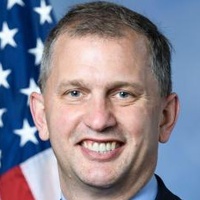
The Energy Bills Relief Act aims to lower energy costs for families by reversing clean energy rollbacks, expanding assistance programs, streamlining grid upgrades, and increasing transparency in utility regulation.
Sean Casten
Representative
IL
Sean Casten
Representative
IL
The Energy Bills Relief Act is a comprehensive bill designed to lower energy costs for American families, accelerate the deployment of low-cost, clean energy, and modernize the nation's electricity grid. It achieves this by reversing harmful policies against renewables, expanding energy assistance programs, streamlining grid connection processes, and increasing transparency in utility regulation. Ultimately, the legislation aims to create a more reliable, affordable, and cleaner energy system while ensuring communities have a stronger voice in energy development.
The FAIR Act accelerates patient access to life-saving therapies and clinical trials by establishing a reciprocal approval process for drugs already authorized by trusted international regulatory authorities.

Pete Sessions
Representative
TX
Pete Sessions
Representative
TX
The FAIR Act (Fast-tracking Approval for Innovative Rare disease therapies Act) aims to accelerate patient access to life-saving treatments by establishing a reciprocal approval process for drugs already authorized by trusted international regulatory agencies. By streamlining the approval of both clinical trials and marketing applications for therapies targeting life-threatening conditions, the bill seeks to reduce regulatory delays and maintain U.S. leadership in biomedical innovation.
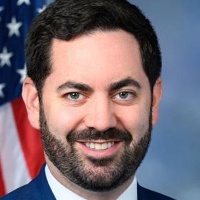
This bill exempts H-1B healthcare workers from a $100,000 entry fee to help address workforce shortages.
Michael Lawler
Representative
NY
Michael Lawler
Representative
NY
The H-1Bs for Physicians and the Healthcare Workforce Act exempts healthcare workers from a $100,000 entry fee requirement currently imposed on certain H-1B nonimmigrant visa petitions. This legislation aims to remove financial barriers for medical professionals, ensuring they are not subject to fees exceeding standard immigration costs.
The Enhanced Iran Sanctions Act of 2025 mandates broad economic and immigration sanctions on foreign individuals, entities, and financial institutions that support Iran’s nuclear, missile, drone, or terrorist activities, while specifically targeting the country's petroleum and petrochemical sectors.
Michael Lawler
Representative
NY
Michael Lawler
Representative
NY
The Enhanced Iran Sanctions Act of 2025 strengthens U.S. policy by imposing mandatory sanctions on foreign persons and financial institutions that support Iran’s nuclear, ballistic missile, drone, and terrorist activities. The bill specifically targets Iran’s petroleum and petrochemical sectors to cut off funding for these malign programs. Additionally, it expands the State Department’s "Rewards for Justice" program to incentivize the reporting of individuals who evade these sanctions.
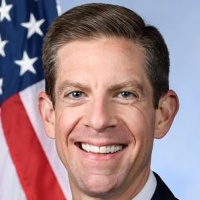
The DEATH BETS Act prohibits the listing or clearing of financial contracts based on war, terrorism, assassination, or the death of an individual.
Mike Levin
Representative
CA
Mike Levin
Representative
CA
The DEATH BETS Act amends the Commodity Exchange Act to prohibit the listing or clearing of event contracts involving sensitive subjects such as terrorism, war, assassination, or an individual's death. This legislation aims to prevent the financial exploitation of tragedies by banning trading entities from offering contracts based on these harmful activities.
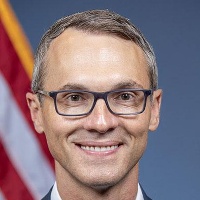
This act extends the prohibition on reducing personnel at service review agencies and mandates a Department of Defense report on the processing times for veterans seeking discharge upgrades due to PTSD or TBI.
James Walkinshaw
Representative
VA
James Walkinshaw
Representative
VA
The Streamline Upgrades for Veterans Act aims to improve the process for veterans seeking to upgrade their military discharge status. This bill extends the prohibition on reducing personnel assigned to service review agencies through 2030. Furthermore, it mandates a Department of Defense report detailing the time required for boards to decide discharge review cases related to PTSD or TBI, along with recommendations for speeding up the process.
The ACTION for National Service Act establishes the AmeriCorps Administration as a new Executive department, increases educational awards and participant living allowances, and sets a goal to expand national service positions to one million by 2036.

John Larson
Representative
CT
John Larson
Representative
CT
The ACTION for National Service Act restructures the existing national service agency by establishing the **AmeriCorps Administration** as a new Executive department, replacing the Corporation for National and Community Service. The bill significantly expands national service by increasing educational award amounts, raising participant living allowances, and setting a goal to serve one million participants by 2036. It also creates an outreach program to inform young adults about service opportunities and makes national service educational awards and living allowances tax-exempt.
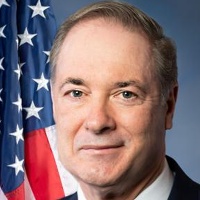
This act expands Medicaid recognition of podiatrists as physicians and streamlines Medicare documentation requirements for diabetic therapeutic shoes.
John Joyce
Representative
PA
John Joyce
Representative
PA
The Diabetes Foot Health Access and Modernization Act of 2026 improves patient care by officially recognizing doctors of podiatric medicine as physicians within the Medicaid program. Additionally, the bill streamlines Medicare documentation requirements to ensure patients with diabetes have better access to essential therapeutic footwear.
This resolution recognizes March 10, 2026, as "Abortion Provider Appreciation Day" to honor the essential care provided by abortion staff and to affirm a commitment to protecting their safety and access to reproductive healthcare.
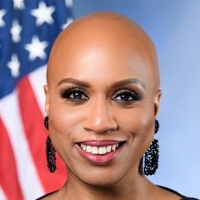
Ayanna Pressley
Representative
MA
Ayanna Pressley
Representative
MA
This resolution recognizes March 10, 2026, as "Abortion Provider Appreciation Day" to honor the essential care and dedication of abortion providers and clinic staff. It highlights the challenges and violence faced by these professionals while affirming a commitment to protecting their safety and ensuring universal access to abortion care. The resolution further condemns legislative and judicial actions that restrict reproductive rights and worsen health inequities.
The Take Back Our Hospitals Act of 2026 prohibits Medicare payments to hospitals and skilled nursing facilities owned or controlled by private equity funds or real estate investment trusts.
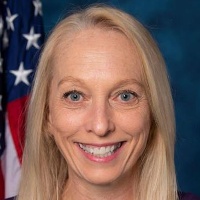
Mary Scanlon
Representative
PA
Mary Scanlon
Representative
PA
The Take Back Our Hospitals Act of 2026 prohibits Medicare payments to hospitals and skilled nursing facilities owned or controlled by private equity funds or real estate investment trusts. This legislation aims to reduce the influence of investment firms in healthcare by mandating divestiture or loss of federal funding. Existing facilities are granted a three-year transition period to comply with these new ownership restrictions.
This bill amends the Fair Labor Standards Act to extend minimum wage and overtime protections to home care workers by removing certain exemptions for casual babysitting and caregiving services.

Alexandria Ocasio-Cortez
Representative
NY
Alexandria Ocasio-Cortez
Representative
NY
The Fair Wages for Home Care Workers Act amends the Fair Labor Standards Act to ensure essential wage and overtime protections for caregivers. By updating definitions and removing outdated exemptions, the bill guarantees that home care workers receive the fair compensation and labor standards they deserve.