Legislative Activity
Track Summer's sponsored bills, co-sponsored legislation, and voting record
The Senior Hunger Prevention Act of 2026 aims to reduce food insecurity among older adults and adults with disabilities by improving SNAP efficacy, streamlining access, expanding nutrition programs, and funding better infrastructure for fresh food access.
Suzanne Bonamici
Representative
OR
Suzanne Bonamici
Representative
OR
The Senior Hunger Prevention Act of 2026 aims to significantly reduce food insecurity among older adults and adults with disabilities. It achieves this by strengthening and streamlining the Supplemental Nutrition Assistance Program (SNAP) through simplified applications, extended certification periods, and new delivery options. The bill also expands eligibility for other nutrition programs and establishes grant programs to improve local food access infrastructure.
This bill establishes federal programs to improve access to affordable drinking water and wastewater services for low-income households while increasing transparency and oversight of state water infrastructure loan funds.
Rashida Tlaib
Representative
MI
Rashida Tlaib
Representative
MI
The Water Access and Affordability Act establishes a federal program to ensure low-income households can afford essential drinking water and wastewater services through direct financial assistance. It mandates the creation of Water Service Access Programs, administered by the EPA, with simplified enrollment and strong consumer protections against shutoffs and fees. Additionally, the bill increases transparency and public input requirements for how states manage their existing drinking water and pollution control revolving loan funds.
The OHH SNAP Act of 2026 expands Supplemental Nutrition Assistance Program (SNAP) eligibility for college students by adjusting financial aid criteria and modifying work requirement exemptions.
Nikema Williams
Representative
GA
Nikema Williams
Representative
GA
The OHH SNAP Act of 2026 aims to reduce food insecurity among college students by expanding eligibility for the Supplemental Nutrition Assistance Program (SNAP). The bill simplifies access for students with a $0 or less student aid index and those classified as independent, while also streamlining work requirement exemptions. These changes are designed to ensure that more students in higher education can access essential nutritional support.
This resolution seeks to nullify the Department of Education’s recent rule regarding the William D. Ford Federal Direct Loan Program.
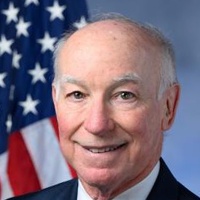
Joe Courtney
Representative
CT
Joe Courtney
Representative
CT
This resolution seeks to exercise congressional disapproval of the Department of Education’s recent rule regarding the William D. Ford Federal Direct Loan Program. If passed, the resolution would nullify the rule, rendering it without force or effect.
The Books Save Lives Act mandates that federally funded libraries maintain diverse collections and establishes civil rights protections against the discriminatory removal of books representing underrepresented communities.
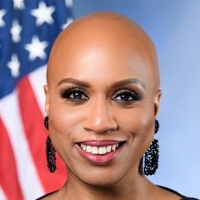
Ayanna Pressley
Representative
MA
Ayanna Pressley
Representative
MA
The Books Save Lives Act mandates that federally funded schools and public libraries maintain diverse book collections and employ trained library staff. It establishes a civil rights enforcement mechanism to address the discriminatory impact of book bans and requires a federal report on the effects of such campaigns on underrepresented communities.
This resolution formally recognizes the persistence of the gender wage gap in the United States and reaffirms a commitment to achieving equal pay for equal work.
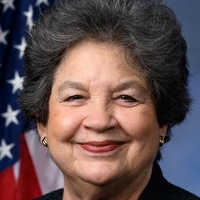
Lois Frankel
Representative
FL
Lois Frankel
Representative
FL
This resolution formally recognizes the persistent gender wage gap in the United States and its significant negative impact on women, families, and the national economy. It highlights the systemic factors contributing to pay disparities across various demographics and occupations. Ultimately, the resolution reaffirms Congress's commitment to achieving equal pay for equal work.
The Ultra-Millionaire Tax Act of 2026 establishes an annual federal wealth tax on individuals with a net worth exceeding $50 million while increasing funding for IRS enforcement and taxpayer services.
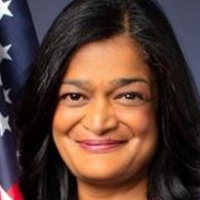
Pramila Jayapal
Representative
WA
Pramila Jayapal
Representative
WA
The Ultra-Millionaire Tax Act of 2026 proposes a new annual federal wealth tax on individuals with a net worth exceeding $50 million, with rates ranging from 2% to 3% based on total assets. The legislation includes robust enforcement measures, such as increased IRS funding and mandatory audit requirements, to ensure compliance among the ultra-wealthy. Additionally, it strengthens foreign asset disclosure requirements to prevent tax avoidance.
The Energy Bills Relief Act aims to lower energy costs for families by reversing clean energy rollbacks, expanding assistance programs, streamlining grid upgrades, and increasing transparency in utility regulation.
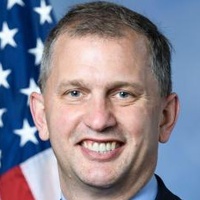
Sean Casten
Representative
IL
Sean Casten
Representative
IL
The Energy Bills Relief Act is a comprehensive bill designed to lower energy costs for American families, accelerate the deployment of low-cost, clean energy, and modernize the nation's electricity grid. It achieves this by reversing harmful policies against renewables, expanding energy assistance programs, streamlining grid connection processes, and increasing transparency in utility regulation. Ultimately, the legislation aims to create a more reliable, affordable, and cleaner energy system while ensuring communities have a stronger voice in energy development.
The Momnibus Act is a comprehensive legislative package designed to improve maternal health outcomes and reduce racial disparities by addressing social determinants, expanding nutritional and mental health support, diversifying the perinatal workforce, and investing in data-driven, community-based care.
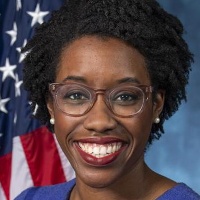
Lauren Underwood
Representative
IL
Lauren Underwood
Representative
IL
The Momnibus Act is a comprehensive legislative package designed to end preventable maternal mortality and close racial and ethnic disparities in maternal health outcomes. By addressing social determinants of health, expanding nutritional and mental health support, and investing in a diverse, culturally competent workforce, the bill provides a holistic framework for improving care. Through targeted federal grants, enhanced data collection, and innovative technology, the Act aims to ensure that all pregnant and postpartum individuals receive the equitable, high-quality care they deserve.
This bill reforms the Espionage Act to narrow the scope of potential prosecutions and establishes new legal defenses for whistleblowers who disclose classified information in the public interest.
Rashida Tlaib
Representative
MI
Rashida Tlaib
Representative
MI
The Daniel Ellsberg Press Freedom and Whistleblower Protection Act of 2026 reforms federal espionage laws to better protect journalists and whistleblowers. The bill narrows the scope of who can be prosecuted for disclosing classified information and introduces new legal defenses for those who expose government misconduct, illegal acts, or threats to public safety.
This bill amends the Fair Labor Standards Act to extend minimum wage and overtime protections to home care workers by removing certain exemptions for casual babysitting and caregiving services.

Alexandria Ocasio-Cortez
Representative
NY
Alexandria Ocasio-Cortez
Representative
NY
The Fair Wages for Home Care Workers Act amends the Fair Labor Standards Act to ensure essential wage and overtime protections for caregivers. By updating definitions and removing outdated exemptions, the bill guarantees that home care workers receive the fair compensation and labor standards they deserve.
This resolution directs the President to remove U.S. Armed Forces from unauthorized hostilities against Iran, pursuant to the War Powers Resolution.
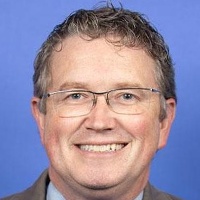
Thomas Massie
Representative
KY
Thomas Massie
Representative
KY
This resolution directs the President, under the authority of the War Powers Resolution, to immediately remove U.S. Armed Forces from unauthorized hostilities against the Islamic Republic of Iran. It asserts that military action must cease unless Congress has formally declared war or passed a specific authorization for the use of force. The bill explicitly states that it does not authorize new military action nor does it impede necessary self-defense against an immediate attack.
The Data Center Community Impact Act establishes a federal grant fund to support infrastructure and community development in areas affected by data centers while mandating a comprehensive study on their environmental and socioeconomic impacts.
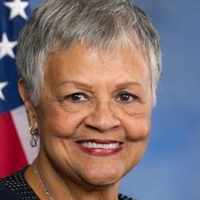
Bonnie Watson Coleman
Representative
NJ
Bonnie Watson Coleman
Representative
NJ
The Data Center Community Impact Act establishes a federal fund to provide grants to state, local, and tribal governments for infrastructure, housing, and environmental projects in communities affected by data center operations. The bill prioritizes support for low-income communities and communities of color, which are often disproportionately impacted by the energy and water demands of these facilities. Additionally, the Act mandates a comprehensive federal study to assess the long-term environmental, economic, and public health effects of data centers on these vulnerable populations.
This resolution urges the President to order U.S. flags flown at half-staff to honor the life and legacy of civil rights leader Reverend Jesse Jackson.
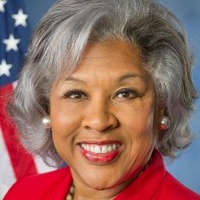
Joyce Beatty
Representative
OH
Joyce Beatty
Representative
OH
This resolution formally honors the life and enduring legacy of civil rights leader Reverend Jesse Louis Burns Jackson, Sr. It recognizes his significant contributions to the Civil Rights Movement, including his work with Dr. Martin Luther King, Jr. and his founding of Operation PUSH. The bill specifically urges the President to order that the U.S. flag be flown at half-staff in his memory.
The Supplemental Security Income Restoration Act of 2026 updates and expands the SSI program by increasing benefit amounts, raising income and resource limits, eliminating marriage penalties, and extending coverage to U.S. territories.
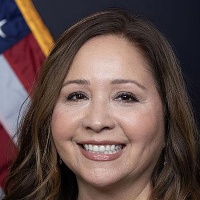
Adelita Grijalva
Representative
AZ
Adelita Grijalva
Representative
AZ
The Supplemental Security Income (SSI) Restoration Act of 2026 aims to modernize and expand the SSI program by significantly increasing income and resource limits, which will be adjusted annually for inflation. The bill eliminates marriage penalties, excludes retirement accounts and certain tribal payments from resource calculations, and simplifies administrative requirements for beneficiaries. Additionally, it extends full SSI program eligibility to Puerto Rico, the U.S. Virgin Islands, Guam, and American Samoa.
The Medicines for the People Act establishes a new National Institute for Biomedical Research and Development to create and manufacture affordable, publicly accessible medical products.
Rashida Tlaib
Representative
MI
Rashida Tlaib
Representative
MI
The Medicines for the People Act establishes a new National Institute for Biomedical Research and Development within the NIH to lead the full-cycle development of drugs, devices, and biological products. By prioritizing public health needs and maintaining federal ownership of resulting patents, the Institute aims to ensure that new medical innovations are transparently developed and sold to the public at equitable, accessible prices.
This act restricts the Department of Defense's sale and purchase of military-grade weapons and ammunition, imposing strict licensing, conduct, and record-keeping requirements on commercial dealers who wish to sell to or buy from the DoD.
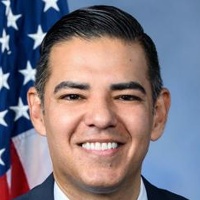
Robert Garcia
Representative
CA
Robert Garcia
Representative
CA
The Stop Militarizing Our Streets Act of 2026 restricts the Department of Defense from selling or purchasing certain military-grade weapons and ammunition from commercial entities. It establishes strict requirements for dealers wishing to sell firearms or ammunition to the DoD, including enhanced background checks, electronic recordkeeping, and limits on ammunition sales. The bill aims to prevent military weaponry from entering the commercial marketplace and ensure accountability among defense contractors.
This Act amends the Fair Housing Act to establish survivors of domestic violence, sexual assault, or severe forms of trafficking as a protected class, prohibiting housing discrimination against them.
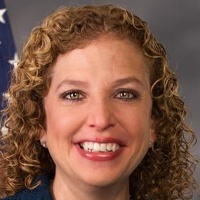
Debbie Wasserman Schultz
Representative
FL
Debbie Wasserman Schultz
Representative
FL
The Fair Housing for Survivors Act of 2026 amends the Fair Housing Act to establish survivors of domestic violence, sexual assault, or severe forms of trafficking as a protected class. This makes it illegal to discriminate against these individuals in housing transactions, including rentals, sales, and financing. The bill aims to ensure survivors can secure and maintain safe housing free from further victimization.
The Direct File Act of 2026 establishes a permanent, free, government-owned online tax filing system within the IRS while prohibiting agreements that restrict the government from providing tax preparation services.
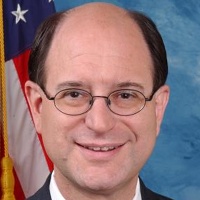
Brad Sherman
Representative
CA
Brad Sherman
Representative
CA
The Direct File Act of 2026 establishes a permanent, free, government-owned online tax filing system within the IRS, ensuring taxpayers have a simplified and accessible way to file their returns. The bill prohibits the Treasury from entering into agreements that restrict the government's ability to provide these services and mandates the integration of state tax filing options. Additionally, it streamlines the tax process by setting new filing deadlines for employer information returns to improve efficiency for all taxpayers.
This resolution honors the life, legacy, and enduring commitment to civil rights and equality of Reverend Jesse Louis Jackson, Sr.
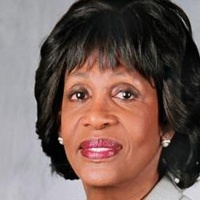
Maxine Waters
Representative
CA
Maxine Waters
Representative
CA
This resolution honors the life, leadership, and enduring legacy of Reverend Jesse Louis Jackson, Sr. It recognizes his pivotal role as a civil rights leader, his groundbreaking political campaigns, and his global advocacy for human rights and equality. The measure encourages all Americans to continue his work by moving forward with hope rather than fear and division.