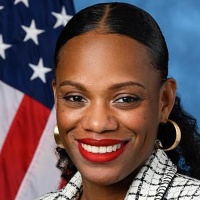
Legislative Activity
Track Summer's sponsored bills, co-sponsored legislation, and voting record
This bill establishes a pilot program to provide federal grants for creating local job guarantee programs in high-unemployment areas, ensuring employment with mandated wages and benefits for all applicants.
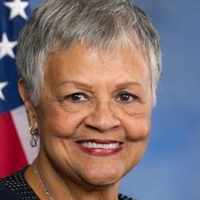
Bonnie Watson Coleman
Representative
NJ
Bonnie Watson Coleman
Representative
NJ
The Federal Jobs Guarantee Development Act of 2026 establishes a pilot program to combat high unemployment by awarding competitive grants for local job guarantee initiatives. These local programs must offer employment to all applicants in the area, providing wages and benefits meeting specific federal standards. The Act also creates a dedicated trust fund and expands tax credits to incentivize the hiring of former program participants.
This bill eliminates a specific work requirement exemption and related state funding provisions within the Supplemental Nutrition Assistance Program (SNAP).
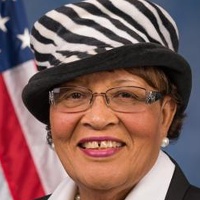
Alma Adams
Representative
NC
Alma Adams
Representative
NC
The Improving Access to Nutrition Act of 2026 addresses the Supplemental Nutrition Assistance Program (SNAP) by eliminating a specific work requirement exemption and related state funding provisions. Congress finds that existing SNAP work requirements are ineffective at reducing poverty and create significant barriers to food assistance, disproportionately affecting vulnerable populations. This legislation aims to streamline access to benefits by removing these administrative hurdles.
This bill establishes a comprehensive Transgender Bill of Rights to codify and protect the rights of transgender and nonbinary people across healthcare, employment, legal recognition, and safety.
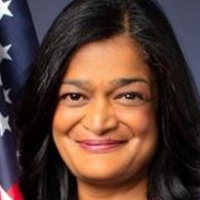
Pramila Jayapal
Representative
WA
Pramila Jayapal
Representative
WA
This resolution establishes a comprehensive Transgender Bill of Rights to codify and protect the rights of transgender and nonbinary people across the United States. It mandates federal action to ensure equal access to healthcare, employment, housing, legal recognition, and safety. The bill aims to eliminate discrimination and affirm bodily autonomy by amending existing federal civil rights laws.
This bill officially renames the United States Postal Service facility in Mahaffey, Pennsylvania, as the "Robert Allen Bishop, Sr. Post Office Building."
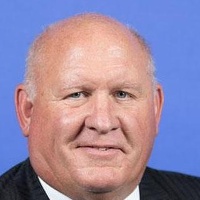
Glenn Thompson
Representative
PA
Glenn Thompson
Representative
PA
This bill officially renames the United States Postal Service facility located at 10 East Main Street in Mahaffey, Pennsylvania. The facility will now be known as the "Robert Allen Bishop, Sr. Post Office Building." This designation will apply to all future official federal references to the building.
This resolution calls for the annulment of the Monroe Doctrine and the establishment of a "New Good Neighbor" policy to foster improved, cooperative relations between the U.S. and its Latin American and Caribbean neighbors.
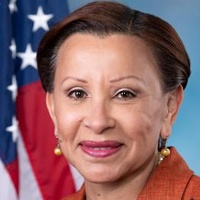
Nydia Velázquez
Representative
NY
Nydia Velázquez
Representative
NY
This resolution calls for the formal annulment of the historical Monroe Doctrine, citing decades of U.S. interventionism in Latin America and the Caribbean. It proposes replacing this doctrine with a "New Good Neighbor" policy focused on fostering genuine partnership and cooperation. Key elements include ending unilateral sanctions, reforming international financial institutions, and respecting regional sovereignty.
This resolution recognizes January 2026 as National Mentoring Month to honor mentors and promote quality mentoring programs for America's youth.
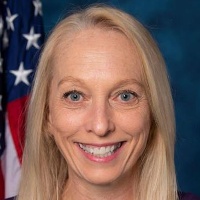
Mary Scanlon
Representative
PA
Mary Scanlon
Representative
PA
This resolution officially recognizes January 2026 as National Mentoring Month to honor the dedicated staff and volunteers in mentoring programs. It highlights the significant benefits of mentoring, such as boosting educational achievement and reducing juvenile delinquency. The bill encourages the growth of quality mentoring programs nationwide to ensure more young people have supportive adult connections.
This bill recognizes the historic significance of the Greensboro Four sit-in, which launched a nationwide movement against racial inequality, and encourages its inclusion in educational curricula.
Alma Adams
Representative
NC
Alma Adams
Representative
NC
This bill recognizes the historic 1960 Greensboro Four sit-in, honoring the students whose peaceful protest launched a nationwide movement against segregation. It designates February 1, 2026, as the 66th anniversary, coinciding with the start of Black History Month. Furthermore, the bill encourages states to include the Greensboro Four's contributions in educational curricula.
This resolution expresses the House's commitment to defending the Fourteenth Amendment's guarantees of birthright citizenship, due process, and equal protection for all Americans.
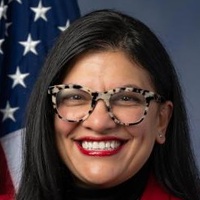
Rashida Tlaib
Representative
MI
Rashida Tlaib
Representative
MI
This resolution expresses the sense of the House that the United States must recommit to defending the rights guaranteed by the Fourteenth Amendment. It affirms the Amendment as the foundation of multiracial democracy, ensuring birthright citizenship, due process, and equal protection under the law. The bill directs Congress to oppose any action that weakens these constitutional guarantees. Ultimately, it calls for upholding the promise of freedom and equality for all Americans.
This Act establishes minimum humane standards for ICE detention facilities, mandates public reporting and real-time health tracking systems, and strengthens oversight to ensure detainee welfare.
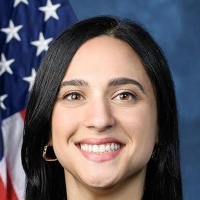
Yassamin Ansari
Representative
AZ
Yassamin Ansari
Representative
AZ
The Stop Inhumane Conditions in ICE Detention Act of 2026 mandates minimum health, safety, and legal standards for all ICE detention facilities, prohibiting funding for non-compliant sites. It establishes rigorous, real-time health reporting systems and requires unannounced inspections with penalties, including contract termination, for facilities that fail to meet these standards. Furthermore, the bill creates anonymous complaint channels and mandates annual audits focusing on gender-related health protections.
This bill mandates that mail-in ballot envelopes for federal elections starting in 2026 must include a U.S. Postal Service barcode for tracking.
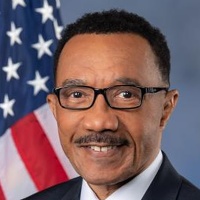
Kweisi Mfume
Representative
MD
Kweisi Mfume
Representative
MD
The Vote by Mail Tracking Act mandates that all mail-in ballot envelopes for federal elections starting in 2026 must include a U.S. Postal Service barcode for tracking. This ensures enhanced transparency and traceability for every mailed ballot. The bill also requires the Postal Service to provide necessary compliance information to election officials annually.
The Rebuild America’s Schools Act of 2026 establishes federal grant and bond programs to provide billions of dollars for the long-term improvement, modernization, and repair of public school facilities, prioritizing health, safety, and environmental conditions in high-need districts.
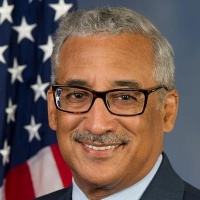
Robert Scott
Representative
VA
Robert Scott
Representative
VA
The **Rebuild America’s Schools Act of 2026** establishes major federal funding streams, including grants and tax-credit bonds, to modernize and repair public school facilities nationwide from 2027 through 2031. The legislation prioritizes districts with the greatest need, focusing on improving student health, safety, and environmental conditions in school buildings. It also mandates increased transparency through public databases tracking facility conditions and requires specific labor and "Buy America" standards for funded construction projects.
The GRAD Act expands existing grant programs for HBCUs and PBIs to include institutions offering specific master's degree programs and adjusts the distribution of leftover funds.
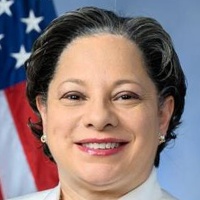
Jennifer McClellan
Representative
VA
Jennifer McClellan
Representative
VA
The Growing Reputable Academic Departments (GRAD) Act expands eligibility for existing federal grant programs benefiting Historically Black Colleges and Universities (HBCUs) and Predominantly Black Institutions (PBIs). This expansion specifically targets institutions offering qualified master's degree programs. The bill also updates the formula for distributing leftover funds within these grant programs.
This bill mandates a Congressional Budget Office study on the long-term economic and societal impacts of immigration policies implemented starting in 2025.
Yassamin Ansari
Representative
AZ
Yassamin Ansari
Representative
AZ
This act mandates the Congressional Budget Office, in collaboration with the Council of Economic Advisers, to conduct a comprehensive study on the long-term economic impacts of potential mass deportation policies enacted after January 20, 2025. The study will analyze effects on industries, public safety, GDP, tax revenue, and more over a 20 to 40-year period. Relevant federal agencies are required to provide necessary data to complete this analysis.
This act mandates that incarcerated individuals be counted at their last known residence before incarceration for both census purposes and congressional redistricting.
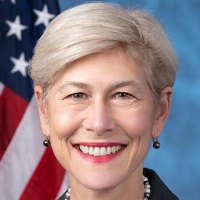
Deborah Ross
Representative
NC
Deborah Ross
Representative
NC
The End Prison Gerrymandering Act changes how incarcerated individuals are counted in the U.S. Census, requiring them to be counted at their last known home address before incarceration, starting with the 2030 census. This change mandates that states must use this pre-incarceration residence when drawing congressional districts. The goal is to prevent prison populations from artificially inflating the political power of districts where prisons are located.
This bill reauthorizes and expands federal funding and services for victims of family and dating violence while strengthening prevention efforts, especially for Tribal and underserved communities.
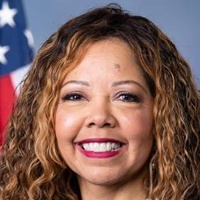
Lucy McBath
Representative
GA
Lucy McBath
Representative
GA
The Family Violence Prevention and Services Improvement Act of 2026 reauthorizes and expands critical federal programs to improve services and prevention for victims of domestic and dating violence through 2031. It significantly increases funding and broadens support, especially for Tribal communities and underserved populations, by allowing for culturally specific and digital services. Additionally, the bill enhances efforts to prevent teen dating violence through increased funding for broader educational programs.
This bill ensures Medicare reimburses qualified providers for essential on-scene and support ambulance services even when patient transportation does not occur.
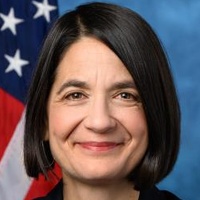
Becca Balint
Representative
VT
Becca Balint
Representative
VT
This bill, the Emergency Medical Services Reimbursement for On-Scene and Support Act, amends Medicare rules to ensure payment for certain ambulance services even when the patient is not transported. Beginning in 2026, Medicare will cover these on-scene or support services provided by qualified suppliers at a rate comparable to standard transport reimbursement.
This resolution urges immediate action to dismantle the political and economic dominance of billionaires and reinvest in the American people to defend democracy.
Rashida Tlaib
Representative
MI
Rashida Tlaib
Representative
MI
This resolution declares that the dominance of billionaire oligarchs poses the gravest threat to American democracy. It calls for urgent action by the President and Congress to curb corporate subsidies, break up monopolies, and increase taxes on the ultrarich. The bill demands reinvestment of public funds into essential needs like healthcare and education to build a truly democratic economy.
This resolution condemns violence and oppression against ethnic minorities in the Democratic Republic of the Congo and urges comprehensive action from the DRC government, social media companies, neighboring countries, and the U.S. government to promote peace, accountability, and protection.
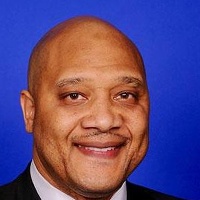
André Carson
Representative
IN
André Carson
Representative
IN
This resolution strongly condemns all acts of violence, oppression, and abuse targeting ethnic minorities in the Democratic Republic of the Congo (DRC). It highlights findings of escalating hate speech, atrocities committed by armed groups and state forces, and the potential for ethnic cleansing. The bill urges the DRC government to protect its citizens, calls on social media companies to curb hate speech, and directs the U.S. government to investigate atrocities and impose targeted sanctions.
This Act establishes a grant program administered by the Attorney General to fund library services in prisons to advance reintegration, reduce recidivism, and increase educational opportunities for incarcerated individuals.
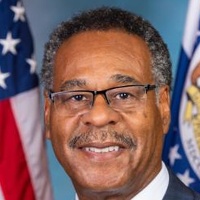
Emanuel Cleaver
Representative
MO
Emanuel Cleaver
Representative
MO
The Prison Libraries Act of 2026 establishes a federal grant program, administered by the Attorney General, to fund essential library services for incarcerated individuals. These grants aim to reduce recidivism and boost reintegration efforts by supporting education, job training, and access to modern library materials. States and territories can apply for these renewable, multi-year grants, which must be used strictly for library-related activities and cannot charge inmates for access to resources.
This bill seeks to disapprove and nullify the Department of Veterans Affairs' final rule regarding "Reproductive Health Services."
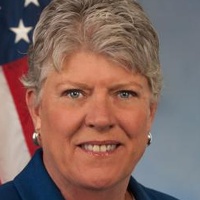
Julia Brownley
Representative
CA
Julia Brownley
Representative
CA
This resolution seeks to disapprove the Department of Veterans Affairs' final rule concerning "Reproductive Health Services" issued in September 2024. If enacted, this disapproval, made under the Congressional Review Act, would prevent the VA rule from taking legal effect.