Legislative Activity
Track Michael's sponsored bills, co-sponsored legislation, and voting record
Tyler's Law mandates a study and subsequent guidance on the routine testing for fentanyl in hospital emergency departments during overdose treatment.
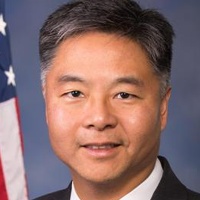
Ted Lieu
Representative
CA
Ted Lieu
Representative
CA
Tyler's Law mandates a comprehensive study by the Secretary of Health and Human Services on the frequency, cost, and impact of fentanyl testing in hospital emergency departments during overdose cases. Following the study, the Secretary must issue guidance on whether routine fentanyl testing should become standard practice for overdose patients. This guidance will also address staff training regarding existing drug test panels and the long-term health implications of such testing.
This bill establishes a federal standard requiring large industrial electricity customers to fully cover the costs of necessary utility infrastructure upgrades and provide financial assurances before construction begins.
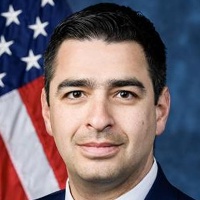
Gabe Evans
Representative
CO
Gabe Evans
Representative
CO
The Ratepayer Protection Act establishes a new federal standard requiring electric utilities to ensure large industrial customers (100 MW or more) fully cover the costs of necessary infrastructure upgrades. This mandates that large-load customers provide financial assurances before construction begins, protecting existing ratepayers from bearing the risk of future contract terminations. States must consider and adopt this standard within two years, unless they have already implemented similar requirements.
This Act authorizes the Treasury to provide $3 billion in annual loans to the U.S. Victims of State Sponsored Terrorism Fund from 2027 to 2029 to ensure mandatory distributions to victims.
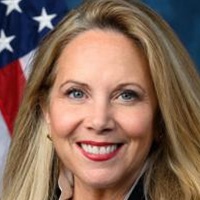
Laura Gillen
Representative
NY
Laura Gillen
Representative
NY
The Never Forget the Victims of Terrorism: Joseph D. Mistrulli and Alan Kleinberg USVSST Fund Solvency Act ensures the continued support of victims by authorizing the Treasury to loan $3 billion to the U.S. Victims of State Sponsored Terrorism Fund annually from 2027 through 2029. These funds are mandated for immediate distribution to eligible claimants, providing a critical financial bridge for those affected by state-sponsored terrorism. The act establishes a clear repayment structure for these loans, utilizing future civil and criminal penalties collected from state sponsors of terrorism.
This resolution directs the Federal Trade Commission to investigate and report on anticompetitive practices and potential antitrust violations within the fire truck manufacturing industry.
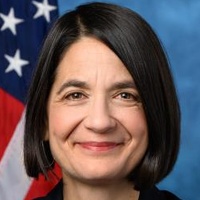
Becca Balint
Representative
VT
Becca Balint
Representative
VT
This bill directs the Federal Trade Commission (FTC) to conduct a formal investigation into potential antitrust violations within the fire truck manufacturing industry. The inquiry aims to address concerns regarding market consolidation, surging equipment prices, and extended delivery delays. The FTC is required to report its findings and recommendations for corrective legislative action to Congress within one year.
This bill reauthorizes the C.W. Bill Young Cell Transplantation Program and the National Cord Blood Inventory through 2031 to ensure a high-quality, scientifically managed supply of stem cell units for patients in need.
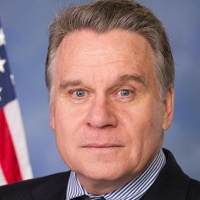
Christopher Smith
Representative
NJ
Christopher Smith
Representative
NJ
The Stem Cell Therapeutic and Research Reauthorization Act of 2025 extends critical funding and support for the C.W. Bill Young Cell Transplantation Program and the National Cord Blood Inventory through 2031. This legislation modernizes the management of cord blood supplies by prioritizing clinical utility, genetic diversity, and the use of the latest scientific standards. By streamlining inventory operations, the bill ensures that life-saving transplant resources remain accessible and effective for patients in need.
The FDA Modernization Act 3.0 mandates updates to federal regulations to replace references to animal testing with broader "nonclinical" terminology and corrects technical errors in the Federal Food, Drug, and Cosmetic Act.
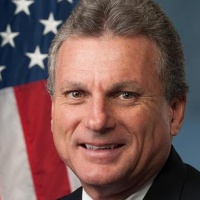
Earl Carter
Representative
GA
Earl Carter
Representative
GA
The FDA Modernization Act 3.0 directs the FDA to update federal regulations by replacing references to "animal testing" with the broader term "nonclinical tests." This update ensures regulatory consistency with modern testing standards and includes a technical correction to the Federal Food, Drug, and Cosmetic Act.
The Modernizing Opioid Treatment Access Act 2.0 of 2026 expands access to methadone treatment by allowing qualified practitioners to prescribe it for pharmacy dispensing.
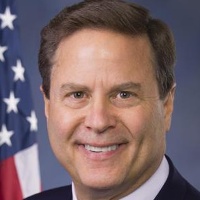
Donald Norcross
Representative
NJ
Donald Norcross
Representative
NJ
The Modernizing Opioid Treatment Access Act 2.0 of 2026 expands access to methadone for opioid use disorder by allowing qualified practitioners to prescribe it for pharmacy dispensing. This legislation aims to increase treatment flexibility through electronic prescribing and telemedicine while maintaining rigorous practitioner standards. States retain the authority to opt out of these provisions, and the DEA is required to provide annual reports on the program's implementation.
This bill mandates electronic prior authorization, increases transparency through required data reporting, and establishes faster decision timelines for Medicare Advantage plans to improve timely access to care for seniors.
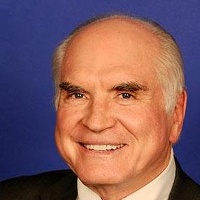
Mike Kelly
Representative
PA
Mike Kelly
Representative
PA
The Improving Seniors’ Timely Access to Care Act of 2025 aims to streamline and modernize the prior authorization process within Medicare Advantage plans. This bill mandates the adoption of electronic prior authorization systems and significantly increases transparency regarding approval rates and decision times starting in 2027. Furthermore, it establishes new enrollee protections and grants the Secretary authority to enforce faster decision timeframes for medical services.
The Advancing Water Research and Collaboration Act of 2025 updates the Water Resources Research Act to include the artificial intelligence sector in research partnerships and authorizes $16 million annually for interstate water resource studies through 2029.

Robert Wittman
Representative
VA
Robert Wittman
Representative
VA
The Advancing Water Research and Collaboration (AWRC) Act of 2025 updates the Water Resources Research Act of 1984 to formally integrate the artificial intelligence industry into national water research efforts. The bill authorizes $16 million annually from 2026 through 2029 to support regional and interstate water research initiatives. Additionally, it restructures funding allocations to prioritize collaborative projects that address complex, multi-state water challenges.
The Essential Caregivers Act of 2026 mandates that long-term care facilities allow residents to designate essential caregivers who maintain in-person visitation rights even during periods when regular visitation is suspended.
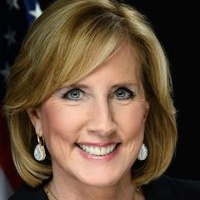
Claudia Tenney
Representative
NY
Claudia Tenney
Representative
NY
The Essential Caregivers Act of 2026 ensures that residents in long-term care facilities maintain access to designated essential caregivers, even when general visitation is suspended. The bill mandates that facilities allow residents to appoint up to two caregivers who can provide in-person support, provided they adhere to established safety protocols. It also prioritizes the investigation of access complaints and guarantees that these visitation rights cannot be waived during emergencies.
This resolution designates July 10th as Journeyman Lineworkers Recognition Day to honor the essential service and sacrifices of the professionals who maintain our nation’s power grid.

Linda Sánchez
Representative
CA
Linda Sánchez
Representative
CA
This resolution designates July 10th as Journeyman Lineworkers Recognition Day to honor the essential, high-risk work performed by these skilled professionals. It pays tribute to the lineworkers who provide critical service during emergencies and recognizes those who have made the ultimate sacrifice in the line of duty.
This resolution honors the life, selfless service, and heroic sacrifice of Corey Comperatore, a dedicated volunteer firefighter and community leader from Sarver, Pennsylvania.
Mike Kelly
Representative
PA
Mike Kelly
Representative
PA
This resolution honors the life and legacy of Corey Comperatore, a dedicated volunteer firefighter, U.S. Army Reserve veteran, and community leader from Sarver, Pennsylvania. It recognizes his selfless sacrifice and heroic actions in protecting his family, while extending the House of Representatives' deepest condolences to his loved ones.
The **21st Century ROAD to Housing Act** aims to significantly increase housing supply and affordability through regulatory reforms, new financing tools, increased transparency, and restrictions on large institutional home purchases.

J. Hill
Representative
AR
J. Hill
Representative
AR
The **21st Century ROAD to Housing Act** is a comprehensive bill designed to significantly increase housing supply, improve affordability, and modernize federal housing programs. It tackles issues from streamlining construction regulations and incentivizing local zoning reform to restricting large corporate home purchases and enhancing financing for manufactured homes. Ultimately, the Act aims to create more pathways to homeownership and ensure safer, more stable rental conditions across the country.
This bill amends the Internal Revenue Code to eliminate the marriage penalty in the state and local tax (SALT) deduction by establishing equitable deduction limits and income thresholds based on filing status.
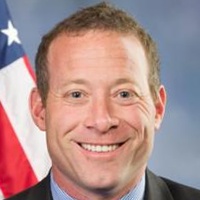
Josh Gottheimer
Representative
NJ
Josh Gottheimer
Representative
NJ
This bill amends the Internal Revenue Code to eliminate the marriage penalty within the state and local tax (SALT) deduction. Beginning in 2027, it establishes new, higher deduction limits and income phase-out thresholds tailored to filing status, ensuring married couples filing jointly receive double the deduction capacity of single filers. These limits and thresholds will be adjusted annually for inflation to maintain consistent tax treatment.
The Healthy Mothers, Healthy Babies Act of 2026 authorizes funding and strategic initiatives to reduce global maternal and child mortality by expanding access to essential healthcare, including life-saving multiple micronutrient prenatal supplements.

Young Kim
Representative
CA
Young Kim
Representative
CA
The Healthy Mothers, Healthy Babies Act of 2026 strengthens U.S. global health leadership by prioritizing maternal and child survival in foreign assistance programs. The bill establishes a strategic initiative to scale up access to life-saving interventions, including multiple micronutrient supplement (MMS) prenatal vitamins, to reduce preventable deaths in high-need countries. By setting clear targets and reporting requirements, the Act aims to improve birth outcomes and child health while advancing U.S. foreign policy and economic interests.
The Informed Investor Access Act expands the definition of "accredited investor" to include individuals receiving personalized investment advice from registered financial professionals.
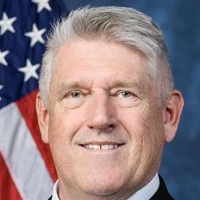
Troy Downing
Representative
MT
Troy Downing
Representative
MT
The Informed Investor Access Act expands the definition of an "accredited investor" to include individuals who receive personalized investment advice or recommendations from registered financial professionals. This change allows more investors to participate in private securities offerings by recognizing the professional guidance they receive. The bill directs the SEC to update its regulations to reflect this expanded eligibility.
The Clarity for Compensation Act amends the Securities Exchange Act of 1934 to allow registered representatives to receive compensation through personal services entities without those entities being classified as brokers.
Zachary (Zach) Nunn
Representative
IA
Zachary (Zach) Nunn
Representative
IA
The Clarity for Compensation Act amends the Securities Exchange Act of 1934 to allow registered representatives to receive compensation through personal services entities without those entities being classified as brokers. This legislation establishes clear regulatory guardrails, including strict oversight, supervision, and liability requirements, to ensure these entities remain accountable for securities-related activities.
The STOP Payments Fraud Act of 2026 amends the Expedited Funds Availability Act to grant financial institutions greater authority to delay funds availability when there is a reasonable suspicion of check or wire transfer fraud.
Young Kim
Representative
CA
Young Kim
Representative
CA
The STOP Payments Fraud Act of 2026 amends the Expedited Funds Availability Act to provide financial institutions with greater authority to delay the availability of funds when there is a reasonable suspicion of fraud. The bill empowers the Federal Reserve and the CFPB to establish new regulatory frameworks for managing high-risk check deposits and suspicious wire transfers. Additionally, it mandates a comprehensive study by the Comptroller General to evaluate the effectiveness of these fraud protections and identify further opportunities for reform.
The Ounce of Prevention Act amends the Housing and Community Development Act of 1974 to authorize the use of Community Development Block Grant funds for natural disaster mitigation activities.
Sam Liccardo
Representative
CA
Sam Liccardo
Representative
CA
The Ounce of Prevention Act amends the Housing and Community Development Act of 1974 to allow Community Development Block Grant (CDBG) funds to be used for natural disaster mitigation activities. This legislation empowers communities in high-risk areas to invest in projects that increase resilience and reduce the long-term impact of weather-related disasters. Additionally, the bill mandates technical assistance from HUD and requires updated federal rulemaking to streamline the implementation of these mitigation efforts.
This bill mandates a study on the feasibility and benefits of updating military building codes to allow for point-access block design in military housing construction.

Scott Peters
Representative
CA
Scott Peters
Representative
CA
The Military Housing Innovation Act directs the Comptroller General to conduct a comprehensive study on the feasibility of updating Department of Defense building codes to allow for "point-access block" designs in military housing projects. This study will evaluate the potential for these designs to improve housing quality, reduce construction costs, and increase the availability of affordable housing for service members. The findings and recommendations will be reported to Congress to help modernize military construction standards.