Legislative Activity
Track Michael's sponsored bills, co-sponsored legislation, and voting record
This bill codifies the annual veteran suicide prevention report and directs the VA to study the impact of its Chaplain Service on veteran suicide risk.
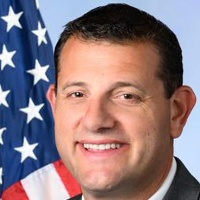
David Valadao
Representative
CA
David Valadao
Representative
CA
This bill, the TOURS Act, codifies the annual report on veteran suicide prevention and requires the VA Secretary to submit it to Congress. It also directs the VA to conduct a two-year study on the impact of the Department's Chaplain Service and faith-based programs on veteran suicide risk. The study must analyze engagement data while strictly protecting veteran privacy and confidentiality.
The BUSES Act establishes a national minimum 15-minute idling standard for buses, preempting stricter state and local rules, while also barring citizen lawsuits and bounty-based enforcement programs related to bus idling.
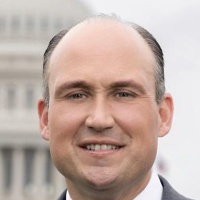
Nicholas Langworthy
Representative
NY
Nicholas Langworthy
Representative
NY
The BUSES Act establishes a national minimum idling standard of 15 minutes for over-the-road buses and school buses, preempting any stricter state or local rules. This legislation also bars private citizens from filing civil lawsuits over idling violations under the Clean Air Act and prohibits bounty-based enforcement programs targeting over-the-road bus idling.
This Act establishes the United States-Abraham Accords Defense Cooperation Initiative to enhance military collaboration among the U.S. and Abraham Accords countries to deter Iranian aggression.
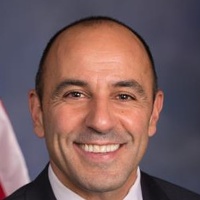
Jimmy Panetta
Representative
CA
Jimmy Panetta
Representative
CA
This Act establishes the United States-Abraham Accords Defense Cooperation Initiative to enhance military collaboration between the U.S. and Abraham Accords nations. The initiative focuses on deterring Iranian aggression and improving regional defense capabilities, such as air defense and intelligence sharing. The Secretary of Defense is required to develop a strategy and report funding needs to Congress.
This bill establishes a Congressional Advisory Commission to study the national and global security challenges of extreme heat and develop coordinated action plans to reduce heat-related illness and death.
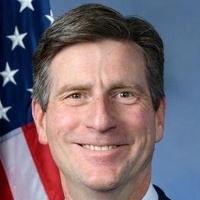
Greg Stanton
Representative
AZ
Greg Stanton
Representative
AZ
This bill establishes the National Advisory Commission on Extreme Heat and Global Security to study the national and global security risks posed by extreme heat. The Commission will develop and report to Congress and the President on both short-term and long-term action plans to reduce heat-related illnesses and deaths. This body aims to create coordinated strategies for mitigation and adaptation over the next decade.
This resolution commends Taiwan on the 30th anniversary of its first direct presidential election and expresses continued U.S. support for its democratic institutions.

James Walkinshaw
Representative
VA
James Walkinshaw
Representative
VA
This resolution commemorates the 30th anniversary of Taiwan's first direct presidential election in 1996, commending its successful transition to a robust democracy. It expresses strong support for Taiwan in preserving its democratic institutions against external pressure. The resolution reaffirms the enduring U.S. commitment to the U.S.-Taiwan relationship as established by existing policy frameworks.
This bill extends the authorization period for the African American Civil Rights Network from seven to ten years.

James Clyburn
Representative
SC
James Clyburn
Representative
SC
This bill, the Renewing the African American Civil Rights Network Act, extends the authorization period for the African American Civil Rights Network. It amends existing law to increase the network's authorization from seven years to ten years following the enactment of this Act.
The **Take Care of America’s Veterans Act** comprehensively reforms veteran benefits, healthcare access, education opportunities, and VA organizational structure to improve services and increase accountability across the board.
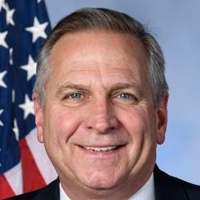
Mike Bost
Representative
IL
Mike Bost
Representative
IL
The **Take Care of America’s Veterans Act** is a comprehensive bill designed to strengthen benefits and modernize services across compensation, education, health care, and VA operations. It eliminates benefit offsets for disabled retirees, expands educational flexibility, sets new standards for timely health care access, and invests in VA technology and infrastructure. Overall, the legislation aims to provide faster, fairer, and more comprehensive support for veterans and their families.
This Act mandates a report to Congress detailing Moldova's energy landscape, infrastructure vulnerabilities, and renewable energy potential to enhance U.S.-Moldova strategic cooperation.
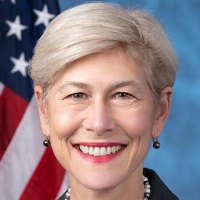
Deborah Ross
Representative
NC
Deborah Ross
Representative
NC
The POWER Moldova Act of 2026 directs the Secretary of State and Secretary of Energy to submit a comprehensive report to Congress within 180 days. This report will detail Moldova's current energy landscape, including infrastructure vulnerabilities and pricing transparency. Furthermore, it will assess the potential for developing renewable energy sources in Moldova to enhance its energy resilience.
The ON TIME Act mandates that the VA ensure a suicide prevention coordinator is available at every VA medical center, including outside normal operating hours, without authorizing new hires.
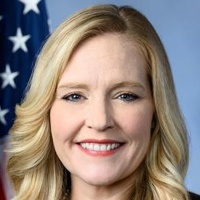
Erin Houchin
Representative
IN
Erin Houchin
Representative
IN
The ON TIME Act mandates that the Department of Veterans Affairs ensure a Suicide Prevention Coordinator is available at every VA medical center, including outside of normal operating hours, to assist veterans needing suicide prevention planning services. This requirement focuses on optimizing existing staffing resources rather than authorizing new hires.
This bill establishes a mandatory timeline and binding arbitration process to expedite the negotiation of first-time collective bargaining agreements between employers and newly certified unions.
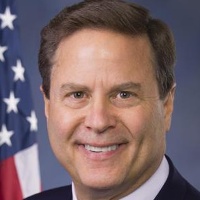
Donald Norcross
Representative
NJ
Donald Norcross
Representative
NJ
The Faster Labor Contracts Act aims to speed up the process of securing a first collective bargaining agreement after a union is certified. It establishes a mandatory timeline, including mediation and binding arbitration, if an agreement is not reached within 90 days of bargaining. This process is designed to prevent lengthy delays that currently weaken the union's position. The bill also requires a GAO report on current time-to-contract averages.
This bill establishes high-priority research and extension grants for natural climate solutions focused on carbon sequestration and greenhouse gas reduction across agricultural lands, forests, and wetlands.
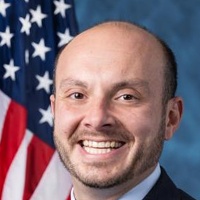
Andrew Garbarino
Representative
NY
Andrew Garbarino
Representative
NY
This bill, the Natural Climate Solutions Research and Extension Act of 2026, aims to authorize high-priority research and extension grants focused on natural climate solutions. These grants will support land management practices across agricultural lands, forests, and wetlands that effectively store carbon and reduce greenhouse gas emissions. The funding will also encourage the incorporation of traditional ecological knowledge and practices that enhance biodiversity and resilience.
The Jewish American Security Act aims to combat rising antisemitism through enhanced security grants, new protections for Jewish students in education, and increased transparency requirements for online platforms regarding hate speech.

Dan Goldman
Representative
NY
Dan Goldman
Representative
NY
The Jewish American Security Act addresses the rising threat of antisemitism across the nation. This bill mandates new protections for Jewish students in educational settings and significantly increases funding and administrative support for securing Jewish community institutions. Furthermore, it requires increased transparency from large online platforms regarding their moderation of antisemitic content and mandates federal assessments of domestic and transnational antisemitic threats.
This act mandates the State Department to develop and report on a strategy encouraging allied nations to purchase U.S. defense equipment through coordinated multinational deals rather than individual sales.
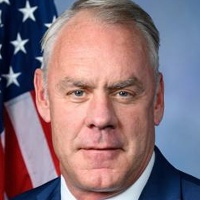
Ryan Zinke
Representative
MT
Ryan Zinke
Representative
MT
The Allied Defense Sales Act directs the State Department to create a strategy encouraging allied nations to purchase U.S. defense equipment through multinational group deals rather than individual purchases. This aims to improve interoperability, strengthen the U.S. defense industry, and streamline the sales process. The Secretary of State must regularly report to Congress on the strategy's implementation, challenges encountered, and any necessary legislative changes.
This bill strengthens U.S. access to critical minerals by authorizing international partnerships, establishing energy security compacts, and creating specialized State Department roles and workforce development programs to counter reliance on adversaries.

Young Kim
Representative
CA
Young Kim
Representative
CA
This bill strengthens U.S. access to critical minerals by authorizing international partnerships and agreements to build secure, transparent supply chains with allies. It establishes Energy Security Compacts to diversify energy and mineral sources while protecting American jobs and the environment. Finally, the legislation creates new leadership roles and exchange programs at the State Department to build a skilled domestic mining workforce and counter foreign leverage over essential resources.
This Act mandates sanctions against Iranian individuals and organizations found to be issuing or amplifying religious decrees that incite violence against U.S. and Israeli leaders.
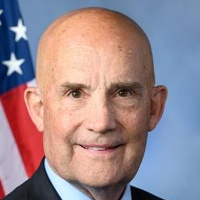
Keith Self
Representative
TX
Keith Self
Representative
TX
The Tehran Incitement to Violence Act targets Iranian clerics and organizations that have issued religious decrees (fatwas) calling for violence against U.S. and Israeli leaders. This bill mandates that the President determine which specific individuals and entities are involved in issuing or amplifying these threats for the imposition of mandatory sanctions. Sanctions include blocking property and rendering those individuals inadmissible to the United States.
The PEACE Act directs the State Department to take diplomatic action to address the growing threat of antisemitism in Europe and requires regular briefings to Congress on these efforts.
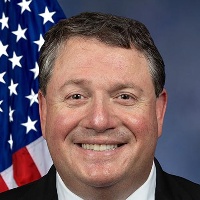
Randall Fine
Representative
FL
Randall Fine
Representative
FL
The PEACE Act directs the State Department to take diplomatic action to address the growing threat of antisemitism and related extremism in Europe. It requires senior State Department officials to regularly brief Congress on these efforts to promote transatlantic cooperation against these threats.
This bill reauthorizes the United States Commission on International Religious Freedom through December 31, 2028, including funding through that date.
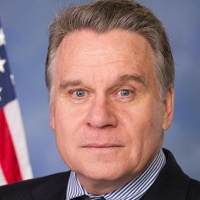
Christopher Smith
Representative
NJ
Christopher Smith
Representative
NJ
This bill, the United States Commission on International Religious Freedom Reauthorization Act of 2026, extends the authorization and funding for the U.S. Commission on International Religious Freedom. It specifically updates the Commission's operational period through the end of 2028. This action ensures the continued function of the body tasked with monitoring religious freedom abroad.
This bill mandates the development of strategies across the Commerce, State, and Defense Departments to prevent the export of transatlantic technology used in Iranian-made drones.
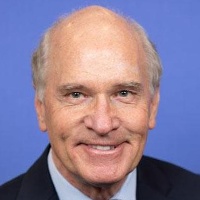
William Keating
Representative
MA
William Keating
Representative
MA
This bill aims to block the use of transatlantic technology in Iranian-made drones, which are supplied to U.S. adversaries like Russia and terrorist groups. It directs the Departments of Commerce, State, and Defense to develop strategies to stop the export of critical drone components, such as specific microelectronics, to Iran. The legislation emphasizes preventing U.S. technology from supporting Russia's war in Ukraine and attacks on Israel.
This bill adjusts individual income tax brackets based on regional cost-of-living differences starting in 2027.
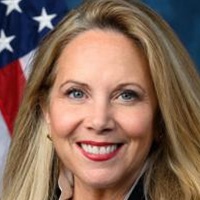
Laura Gillen
Representative
NY
Laura Gillen
Representative
NY
The Cost of Living Tax Cut Act adjusts federal income tax brackets based on regional differences in the cost of living, starting in 2027. This means taxpayers in areas with a higher cost of living will see their tax bracket thresholds adjusted accordingly. The Treasury Department will annually publish multipliers based on cost-of-living indexes calculated by the Department of Commerce.
This bill mandates health insurance coverage for drugs treating autoimmune diseases and certain blood disorders while limiting prior authorization requirements for these treatments to once every 12 months.
Julie Johnson
Representative
TX
Julie Johnson
Representative
TX
This bill, the Prior Authorization Reform for Autoimmune and Blood Disorders Act, mandates that health plans cover prescribed drugs for autoimmune diseases and certain blood disorders. It also significantly limits insurers from requiring prior authorization for these specific treatments more than once every 12 months. These new coverage and authorization requirements take effect starting in 2027.