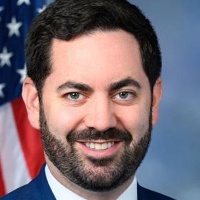
Legislative Activity
Track Michael's sponsored bills, co-sponsored legislation, and voting record
This Act establishes a grant program for installing suicide deterrents on public structures and clarifies funding eligibility for bridge safety barriers.
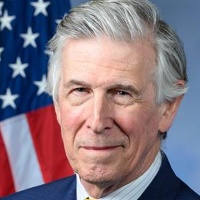
Donald Beyer
Representative
VA
Donald Beyer
Representative
VA
The Barriers to Suicide Act of 2025 establishes a new grant program through the Department of Transportation to fund the installation of suicide deterrents like nets and barriers at high-risk locations such as bridges and rail stations. The bill also amends existing law to explicitly allow National Highway System funds to be used for these safety barriers on bridges. Finally, it mandates a study on the effectiveness of suicide prevention measures for structures other than bridges.
This act modifies federal securities laws to establish specific fiduciary and investment approval requirements for certain 403(b) retirement plans offered by charities and educational institutions to maintain their exemptions from registration.
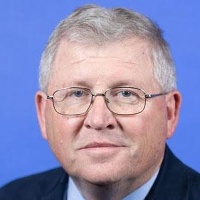
Frank Lucas
Representative
OK
Frank Lucas
Representative
OK
The Retirement Fairness for Charities and Educational Institutions Act of 2025 modifies federal securities laws to update exemptions for 403(b) retirement plans. This legislation clarifies requirements under the Investment Company Act, the Securities Act, and the Securities Exchange Act. The changes generally condition these exemptions on the employer taking on specific fiduciary responsibilities regarding the selection and approval of investment options offered to participants.
This Act establishes grants, amends anti-kickback statutes to cover participant expenses and digital tools, and provides a tax exclusion to modernize clinical trials and increase enrollment from underrepresented populations.
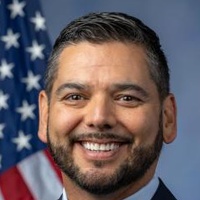
Raul Ruiz
Representative
CA
Raul Ruiz
Representative
CA
The Clinical Trial Modernization Act aims to increase diversity and accessibility in medical research by funding outreach to underrepresented populations. It updates anti-kickback laws to allow sponsors to cover participant expenses and provide necessary digital health tools to encourage enrollment. Furthermore, the bill exempts up to \$2,000 annually in payments received by participants from federal income tax.
This bill establishes a new excise tax on proceeds received by parties from third-party litigation financing agreements, effective after 2025.
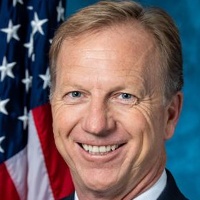
Kevin Hern
Representative
OK
Kevin Hern
Representative
OK
The Tackling Predatory Litigation Funding Act establishes a new federal excise tax on proceeds received from third-party litigation financing agreements. This tax is calculated at the highest income tax rate plus an additional 3.8 percentage points, applied annually to the proceeds received by a "covered party." The bill also institutes specific withholding requirements on payments made to financiers and reclassifies litigation funding proceeds to ensure this new tax structure is applied.
This Act prohibits life insurance companies from discriminating against individuals based solely on their status as a living kidney donor.
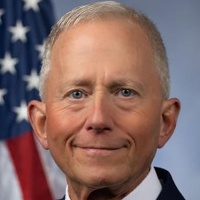
Jefferson Van Drew
Representative
NJ
Jefferson Van Drew
Representative
NJ
The Kidney Donation Anti-Discrimination Act prohibits life insurance companies from denying coverage, increasing premiums, or canceling policies solely because an individual is a living kidney donor. This federal law ensures that living donors are not penalized financially for their altruistic act, unless unrelated health risks are present. Individuals harmed by discrimination under this Act have the right to sue in federal court.
This Act establishes the new Forest Conservation Easement Program to protect and restore private and Tribal forests through easements, while simultaneously repealing the existing Healthy Forests Reserve Program.
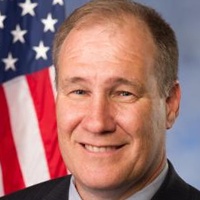
Trent Kelly
Representative
MS
Trent Kelly
Representative
MS
The Forest Conservation Easement Program Act of 2025 establishes a new federal program to protect and restore private and Tribal forest lands through conservation easements. This program offers two types of easements—Forest Land and Forest Reserve—with federal cost-share assistance available to eligible entities and landowners, prioritizing working forests and species recovery. The Act also allocates $100 million annually for this new program from 2026 through 2030 while simultaneously repealing the existing Healthy Forests Reserve Program, ensuring existing contracts remain honored. Finally, Congress stipulates that the costs associated with implementing this Act must be offset by savings or new revenue.
This resolution honors law enforcement officers killed in the line of duty, specifically recognizing those who died in 2024, and expresses support for active officers and their need for proper resources.
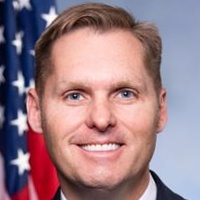
Michael Guest
Representative
MS
Michael Guest
Representative
MS
This resolution formally honors law enforcement officers killed in the line of duty, specifically recognizing the 345 officers whose service ended in 2024. It reaffirms support for all active officers and emphasizes the need to ensure they have the proper resources and training to perform their duties safely. The bill serves as a formal expression of gratitude and remembrance for their ultimate sacrifice.
This Act reinstates and extends the ability for taxpayers to deduct personal casualty losses from unexpected events like crimes, scams, and disasters without previous limitations.
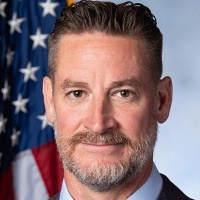
W. Steube
Representative
FL
W. Steube
Representative
FL
The Tax Relief for Victims of Crimes, Scams, and Disasters Act reinstates and removes limitations on the federal income tax deduction for personal casualty losses resulting from unexpected events like fires or floods. This legislation also extends the deadline for taxpayers to file claims for refunds related to these casualty loss deductions for past tax years. These changes apply to tax years beginning after December 31, 2017.
This Act codifies the Six Assurances made to Taiwan and establishes a mandatory Congressional review process for any executive action that would alter U.S. policy regarding arms sales, mediation, or Taiwan's sovereignty status.
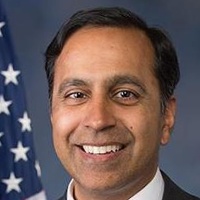
Raja Krishnamoorthi
Representative
IL
Raja Krishnamoorthi
Representative
IL
The Six Assurances to Taiwan Act codifies the historical U.S. commitments known as the Six Assurances, reinforcing the foundation of U.S. policy toward Taiwan. It explicitly states that the U.S. has not agreed to set a date for ending arms sales or to consult with Beijing on those sales. Furthermore, the Act establishes a mandatory Congressional review process before the President can pause arms sales or take actions that significantly alter the U.S. position on Taiwan's sovereignty. This legislation aims to ensure stability in the Taiwan Strait by upholding these long-standing policy guidelines.
This Act restricts federal subpoena power over insurance data, enhances confidentiality protections for data shared by the Federal Insurance Office, and limits the Office of Financial Research's ability to subpoena insurance companies while imposing new requirements on financial regulators when collecting data from them.
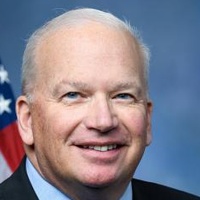
Scott Fitzgerald
Representative
WI
Scott Fitzgerald
Representative
WI
The Insurance Data Protection Act aims to adjust federal regulatory authority over insurance data by limiting the subpoena power of the Office of Financial Research against insurance companies. It also strengthens confidentiality protections for data shared with and held by the Federal Insurance Office and other financial regulators. Furthermore, the bill mandates that financial regulators must seek existing data from other sources before directly collecting information from insurance companies, ensuring data privacy is maintained.
The Law Enforcement Education Grant Program Act of 2025 establishes a new federal grant program to fund up to $16,000 for individuals pursuing degrees in law enforcement or criminal justice, contingent upon a four-year service commitment as an officer afterward, while simultaneously repealing existing university sustainability programs.
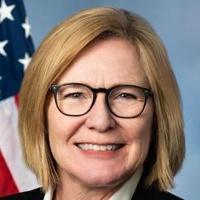
Michelle Fischbach
Representative
MN
Michelle Fischbach
Representative
MN
The Law Enforcement Education Grant Program Act of 2025 establishes a new federal grant program to provide up to $4,000 annually for individuals pursuing associate's or bachelor's degrees in law enforcement or criminal justice. Recipients must agree to serve as a full-time law enforcement officer for four years after graduation or repay the funds with interest. Additionally, this Act repeals existing federal programs related to university sustainability found under Part U of the Higher Education Act of 1965.
This resolution officially recognizes Jewish American Heritage Month while urging leaders to combat rising antisemitism through public education on Jewish American contributions and ensuring the safety of the Jewish community.
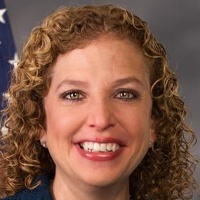
Debbie Wasserman Schultz
Representative
FL
Debbie Wasserman Schultz
Representative
FL
This resolution officially recognizes and celebrates Jewish American Heritage Month while strongly condemning the recent surge in antisemitism across the nation. It calls upon elected officials and civil society leaders to actively counter hate by educating the public on the significant contributions of the Jewish American community. Furthermore, the bill demands robust action to ensure the safety, security, and dignity of American Jews in all aspects of public life.
This bill reauthorizes and increases the funding for the Historic Preservation Fund through 2035.
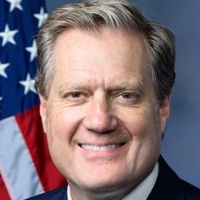
Michael Turner
Representative
OH
Michael Turner
Representative
OH
The Historic Preservation Fund Reauthorization Act extends the life of the Historic Preservation Fund through the year 2035. This legislation also increases the maximum annual funding available for the program from \$150 million to \$250 million. Essentially, this bill ensures continued and increased financial support for preserving historic sites across the nation.
This resolution condemns Hamas for its brutal October 7th terrorist attacks on Israel and demands the immediate release of all remaining hostages.

Haley Stevens
Representative
MI
Haley Stevens
Representative
MI
This resolution strongly condemns Hamas for its premeditated and brutal terrorist attacks against Israel on October 7, 2023. It details the resulting casualties and the ongoing hostage crisis, emphasizing the severe mistreatment of those held captive. The bill demands that Hamas immediately release all remaining hostages and allow them safe return.
This resolution formally expresses Congress's support, gratitude, and recognition for the dedication and sacrifices of local law enforcement officers.
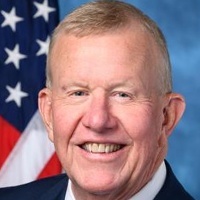
Mike Ezell
Representative
MS
Mike Ezell
Representative
MS
This Concurrent Resolution formally expresses the appreciation of Congress for the dedication and service of local law enforcement officers across the nation. It recognizes the sacrifices made by officers and their families in keeping communities safe. The resolution also encourages strong partnerships between police departments and the communities they serve.
This resolution calls upon local communities to support organizations that aid Gold Shield Families—the loved ones of first responders who died in the line of duty.
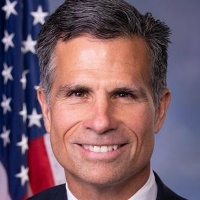
Daniel Meuser
Representative
PA
Daniel Meuser
Representative
PA
This resolution expresses gratitude to the families of first responders who died in the line of duty, known as Gold Shield Families. It recognizes the profound sacrifice made by these families and calls upon local communities to support the nonprofit organizations that provide them with essential resources and aid during their time of need. The bill emphasizes the nation's ongoing commitment to honoring both the fallen heroes and their surviving loved ones.
This Act doubles the tax-free amount public safety officers can receive from government retirement plans to cover health and long-term care insurance premiums, increasing the exclusion from $3,000 to $6,000 starting in tax years after 2025.
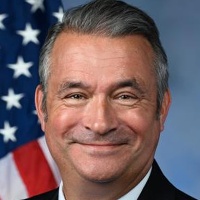
Don Bacon
Representative
NE
Don Bacon
Representative
NE
The Public Safety Retirees Healthcare Protection Act of 2025 aims to increase the amount of tax-free income public safety officers can receive from their government retirement plans to cover healthcare costs. Specifically, this bill doubles the current annual exclusion limit from $\$3,000$ to $\$6,000$. This increased tax benefit will apply to distributions taken in tax years beginning after December 31, 2025.
The EAGLE Act of 2025 establishes a federal grant program to help small local law enforcement agencies cover the costs of achieving or maintaining professional accreditation.
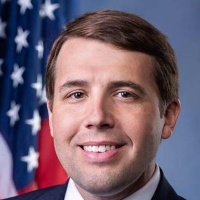
Chris Pappas
Representative
NH
Chris Pappas
Representative
NH
The EAGLE Act of 2025 establishes a new federal grant program to help small, local law enforcement agencies cover the costs associated with achieving or renewing official professional accreditation. This funding is specifically designated to pay for accreditation fees, on-site assessments, and related expenses from recognized organizations like CALEA. The program is funded with $10 million for Fiscal Year 2025 to support agencies with fewer than 350 employees.
This Act establishes a comprehensive U.S. strategy for the Pacific Islands region, mandates regular strategy reports, extends diplomatic immunities to the Pacific Islands Forum, and requires coordination with allies on regional assistance.
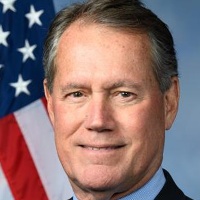
Ed Case
Representative
HI
Ed Case
Representative
HI
The Pacific Partnership Act formally establishes the U.S. commitment to strengthening its comprehensive policy toward the Pacific Islands region, emphasizing peace, security, and prosperity. It mandates the President to develop and submit a detailed "Strategy for Pacific Partnership" to Congress by 2026 and 2030, outlining diplomatic, economic, and security goals. Furthermore, the bill enhances coordination with allies on aid delivery and grants the Pacific Islands Forum diplomatic immunities. Finally, it requires enhanced reporting from the State Department on transnational issues affecting the region.
This bill mandates that school food service worker training must be paid, occur during work hours when possible, and prohibits penalizing staff for non-attendance.
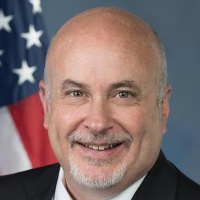
Mark Pocan
Representative
WI
Mark Pocan
Representative
WI
The Improving Training for School Food Service Workers Act of 2025 establishes new federal standards for required training programs for school food service personnel. This bill mandates that all required training must be paid for by the employer, conducted during regular work hours whenever possible, and offered at no cost to the employee. Furthermore, the Act strictly prohibits employers from penalizing staff who are unable to attend training sessions.