Legislative Activity
Track Nicolas's sponsored bills, co-sponsored legislation, and voting record
This bill establishes a 25% tax credit for purchasing U.S.-made circuit boards and substrates while also creating a $3 billion federal incentive program to boost domestic manufacturing and research in these critical electronic components.
Blake Moore
Representative
UT
Blake Moore
Representative
UT
The Protecting Circuit Boards and Substrates Act establishes a 25% tax credit for purchasing U.S.-made printed circuit boards and integrated circuit substrates starting in 2026. It also creates a federal incentive program, managed by the Commerce Department, to provide up to $3 billion in funding to boost domestic manufacturing and research and development in these critical electronic components. The program prioritizes national security needs, workforce development, and supports for small and diverse-owned businesses.
This Act mandates the National Park Service to establish a program to reduce and eliminate the sale and distribution of disposable plastic products, like single-use water bottles and utensils, across all national park units.

Mike Quigley
Representative
IL
Mike Quigley
Representative
IL
The Reducing Waste in National Parks Act mandates the National Park Service (NPS) to establish a program to significantly reduce or eliminate the sale and distribution of disposable plastic products, including single-use water bottles, across all park units. Regional directors must implement these changes while considering operational costs, visitor safety regarding water access, and vendor contracts. The law also requires proactive visitor education and biennial reviews to assess the program's effectiveness and public impact.
The DEFIANCE Act of 2025 establishes a federal civil right of action against the creation, possession with intent to share, or sharing of nonconsensual sexually explicit digital forgeries, or "deepfakes."
Alexandria Ocasio-Cortez
Representative
NY
Alexandria Ocasio-Cortez
Representative
NY
The DEFIANCE Act of 2025 establishes a federal civil cause of action against the creation, possession with intent to share, or sharing of nonconsensual intimate digital forgeries, often known as deepfakes. This legislation updates existing law to specifically address image-based sexual abuse created through AI or digital manipulation, regardless of whether the image is labeled as fake. Victims can sue for significant statutory damages, attorney's fees, and injunctive relief to stop the spread of the harmful content. The Act ensures that this new federal standard does not preempt or limit stronger existing State or Tribal laws.
This act establishes a federal grant program to help law enforcement officers afford and access childcare during their off-hours.
Scott Peters
Representative
CA
Scott Peters
Representative
CA
The Providing Child Care for Police Officers Act of 2025 establishes a new federal grant program to help law enforcement officers secure childcare during non-traditional hours. Administered by HHS, these competitive grants will fund local agencies to offer subsidies, start new facilities, or cover operational costs for officers. The program requires state agencies to apply and secure matching funds, with a sunset date of September 30, 2030.
This Act enhances the FAA's Collegiate Training Initiative, establishes new grant programs, funds training equipment, creates retention incentives for air traffic controllers, and mandates improvements to mental health support and airport radar safety reporting.
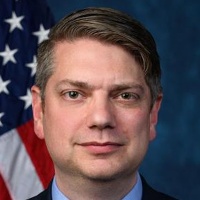
Nicholas Begich
Representative
AK
Nicholas Begich
Representative
AK
The Air Traffic Control Workforce Development Act of 2025 aims to strengthen the air traffic control pipeline by improving the Collegiate Training Initiative (CTI) program and establishing new grants for participating colleges. The bill also funds new training equipment and creates financial incentives to both encourage trainees to complete their certification and retain experienced controllers. Finally, it mandates improvements to mental health support for controllers and requires a report on the future of airport radar safety systems.
This Act terminates clean energy tax credits for wind and solar projects beginning construction after 2030 and denies clean energy tax benefits to companies connected to designated countries of concern.
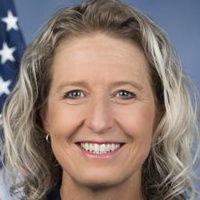
Jennifer Kiggans
Representative
VA
Jennifer Kiggans
Representative
VA
The Certainty for Our Energy Future Act modifies existing clean energy tax credits by terminating eligibility for new wind and solar facilities beginning construction after December 31, 2030. Furthermore, the bill denies various clean energy tax benefits to companies controlled by or established in designated "countries of concern." These changes aim to provide certainty regarding future tax incentives while restricting benefits for entities linked to specific foreign governments.
This Act streamlines the transition of medically disqualified service members into DoD civilian roles while also connecting non-qualifying individuals with defense industry career opportunities.
Jennifer Kiggans
Representative
VA
Jennifer Kiggans
Representative
VA
The Defense Workforce Integration Act of 2025 aims to streamline the transition of separating service members into civilian Department of Defense (DoD) roles, particularly for those medically disqualified from service. It also establishes a new program to connect medically ineligible individuals with career opportunities in the defense industrial base and related national security sectors. Furthermore, the bill mandates that the Navy inform separating personnel about career opportunities within the Military Sealift Command. The DoD must report to Congress within one year on the implementation of these integration and information-sharing provisions.
This resolution establishes a "Bill of Rights" to support U.S. law enforcement personnel by outlining specific due process protections during investigations and strongly opposing efforts to defund the police.
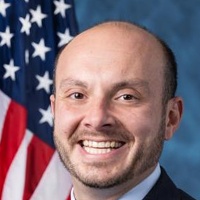
Andrew Garbarino
Representative
NY
Andrew Garbarino
Representative
NY
This resolution establishes a "Bill of Rights" to support U.S. law enforcement personnel nationwide, emphasizing the importance of upholding the rule of law. It strongly opposes any efforts to defund or abolish police departments while outlining specific due process rights for officers under investigation. The bill encourages states to adopt similar protections to ensure fair investigations and recognizes the dangerous work officers perform daily.
The CHOICE for Veterans Act of 2025 establishes new federal standards, oversight, and penalties for agents and attorneys who assist veterans in filing Department of Veterans Affairs benefit claims while extending certain pension payment limitations.
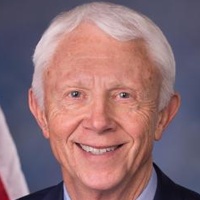
Jack Bergman
Representative
MI
Jack Bergman
Representative
MI
The CHOICE for Veterans Act of 2025 aims to overhaul how veterans receive assistance with their Department of Veterans Affairs (VA) benefit claims. It establishes new rules for the recognition, fees, and conduct of agents and attorneys who represent veterans. The bill also mandates increased transparency regarding available assistance and requires a review of the entire representative recognition process.
The ACES Act mandates a National Academies study on cancer prevalence and mortality among active duty fixed-wing aircraft crew members and extends certain pension payment limits.
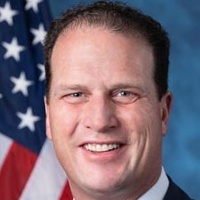
August Pfluger
Representative
TX
August Pfluger
Representative
TX
The ACES Act mandates a comprehensive study by the National Academies to investigate the prevalence and mortality rates of various cancers among active duty fixed-wing aircraft crew members due to potential service-related exposures. This legislation also extends the expiration date for certain limitations on veteran pension payments by one month. The study will analyze specific cancer types and utilize data from the VA, DoD, and other federal sources.
This act establishes research grants and training programs to develop and implement PFAS-free, next-generation turnout gear to protect firefighters from occupational illness and injury.

Debbie Dingell
Representative
MI
Debbie Dingell
Representative
MI
The PFAS Alternatives Act aims to protect firefighters by funding research and development for next-generation turnout gear that eliminates harmful PFAS chemicals. The bill establishes grants through NIOSH to create safer, PFAS-free protective equipment and separate funding for training programs on the proper care of this new gear. Ultimately, this legislation seeks to reduce occupational illness and injury among fire and EMS personnel.
The Shipbuilding and Harbor Infrastructure for Prosperity and Security for America Act of 2025 establishes a centralized maritime authority, creates a dedicated funding trust, strengthens sealift capability, mandates increased use of U.S.-flagged vessels, invests heavily in domestic shipbuilding, and enhances workforce development and tax incentives for the maritime industry.
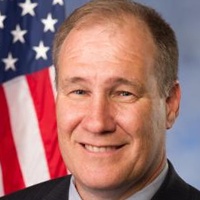
Trent Kelly
Representative
MS
Trent Kelly
Representative
MS
The **Shipbuilding and Harbor Infrastructure for Prosperity and Security for America Act of 2025** is a comprehensive bill designed to revitalize the U.S. maritime industry and secure critical supply chains. It establishes new centralized oversight for maritime policy, creates a dedicated Maritime Security Trust Fund financed by new vessel taxes, and mandates significant federal investment in domestic shipbuilding and workforce development. The legislation also imposes stricter cargo preference rules and tax incentives to ensure U.S.-flagged vessels dominate international commerce and defense sealift operations.
This bill designates the United States Postal Service facility located at 216 Cumberland Street in Rochester, New York, as the "Minister Franklin Florence Memorial Post Office."
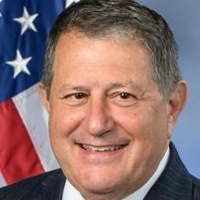
Joseph Morelle
Representative
NY
Joseph Morelle
Representative
NY
This bill officially designates the United States Postal Service facility located at 216 Cumberland Street in Rochester, New York, as the "Minister Franklin Florence Memorial Post Office." All official government records and documents will reflect this new name moving forward.
This bill prohibits the Small Business Administration from facilitating voter registration and restricts recipients of SBA assistance from engaging in such activities.
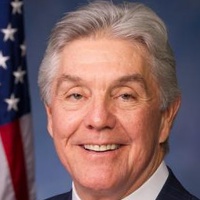
Roger Williams
Representative
TX
Roger Williams
Representative
TX
The Business over Ballots Act reaffirms that the Small Business Administration's (SBA) primary mission is solely to support small businesses. This legislation explicitly prohibits the SBA from engaging in or facilitating voter registration activities. Furthermore, it mandates that all new contracts and existing assistance agreements must restrict recipients from using SBA funds for voter registration efforts.
The Better CARE for Animals Act of 2025 strengthens the enforcement of the Animal Welfare Act by expanding investigative authority, establishing new civil penalties up to \$10,000 per day, and explicitly granting the Attorney General power to file civil actions, including seeking seizure and forfeiture of animals.
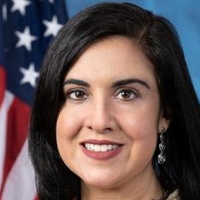
Nicole Malliotakis
Representative
NY
Nicole Malliotakis
Representative
NY
The Better CARE for Animals Act of 2025 significantly strengthens enforcement of the Animal Welfare Act by clarifying definitions and expanding the scope of investigations. It grants the Attorney General explicit authority to file civil actions seeking penalties up to $10,000 per day, and mandates that collected fines help cover temporary animal care costs. The bill also requires the Secretary of Agriculture and the Attorney General to establish a formal agreement for coordinated enforcement.
This Act mandates that group health plans and insurers must cover diagnostic and supplemental breast examinations without any out-of-pocket cost-sharing requirements for plan years beginning on or after January 1, 2026.
Debbie Dingell
Representative
MI
Debbie Dingell
Representative
MI
The Access to Breast Cancer Diagnosis Act of 2025 ensures that group health plans and insurers must cover diagnostic and supplemental breast examinations with no out-of-pocket costs for patients. This means no deductibles, copayments, or coinsurance will apply to these necessary exams. These provisions take effect for plan years beginning on or after January 1, 2026.
This act updates federal law to specifically prohibit the taking or transmitting of video of national defense information, treating it the same as photographic material.
Jennifer Kiggans
Representative
VA
Jennifer Kiggans
Representative
VA
The Drone Espionage Act updates federal law to specifically prohibit the unauthorized taking or transmission of **video** of national defense information. This amendment modernizes existing statutes, ensuring that capturing sensitive material via video is treated the same as capturing it via photographs or negatives. The bill aims to strengthen protections against the illicit sharing of defense secrets using modern recording technology.
The Safeguard American Voter Eligibility (SAVE) Act mandates that individuals registering to vote in federal elections must present documentary proof of U.S. citizenship.

Chip Roy
Representative
TX
Chip Roy
Representative
TX
The Safeguard American Voter Eligibility Act (SAVE Act) significantly amends federal law to require individuals registering to vote in federal elections to present documentary proof of U.S. citizenship. This legislation mandates that states actively clean their voter rolls and cooperate with federal agencies to verify citizenship status. It establishes new criminal penalties for officials who fail to enforce these documentation requirements.
The No Rogue Rulings Act of 2025 severely limits federal district courts from issuing injunctions that affect non-parties, with an exception for multi-state lawsuits against the executive branch heard by a randomly selected three-judge panel.
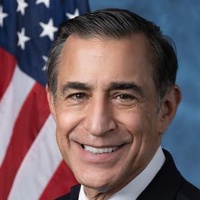
Darrell Issa
Representative
CA
Darrell Issa
Representative
CA
The No Rogue Rulings Act of 2025 significantly restricts federal district courts from issuing injunctions that affect parties not directly involved in a lawsuit. An exception allows a specially convened, randomly selected three-judge panel to issue broad injunctions in multi-state lawsuits against the executive branch. Decisions made by this panel regarding injunctions can be appealed directly to the Supreme Court or the relevant circuit court at the losing party's discretion.
This resolution expresses Congressional support for recognizing open water lifeguards as first responders and emergency response providers due to their critical, life-saving work.
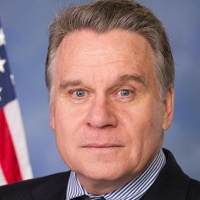
Christopher Smith
Representative
NJ
Christopher Smith
Representative
NJ
This resolution expresses the sense of Congress that open water lifeguards should be formally recognized as first responders and emergency response providers. It highlights the critical, life-saving work they perform, often under dangerous conditions, aligning their duties with those of traditional emergency personnel. The bill advocates for federal recognition that matches the essential nature of their daily service.