Legislative Activity
Track Nicolas's sponsored bills, co-sponsored legislation, and voting record
This bill adds Parkinson's disease to the list of illnesses presumed to be proximately caused by employment in fire protection activities for benefit purposes.
Valerie Hoyle
Representative
OR
Valerie Hoyle
Representative
OR
This bill amends federal law to officially include Parkinson's disease in the list of illnesses presumed to be proximately caused by employment in fire protection activities. This addition aims to simplify the process for federal firefighters and emergency responders to qualify for related benefits when diagnosed with Parkinson's.
The DIGNIDAD Act of 2025 comprehensively overhauls U.S. immigration policy by simultaneously increasing border security, establishing new pathways to legal status for certain long-term residents, mandating E-Verify for all employers, and reforming asylum and employment visa processes.
Maria Salazar
Representative
FL
Maria Salazar
Representative
FL
The DIGNIDAD Act of 2025 is a comprehensive bill that significantly overhauls U.S. immigration policy across five major divisions. Division A focuses on aggressive border security enhancements, infrastructure modernization, and increased criminal penalties for immigration offenses, while Division B establishes pathways to legal status for long-term residents who entered as children and creates a temporary protection program for others. Finally, Division C aims to improve legal immigration by reducing green card backlogs, streamlining employment and student visas, and providing new discretionary relief for family separation cases.
This Act mandates that VA medical staff promptly certify the deaths of veterans who died from natural causes within 48 hours to expedite burial and survivor benefits.
Tom Emmer
Representative
MN
Tom Emmer
Representative
MN
The Veteran Burial Timeliness and Death Certificate Accountability Act addresses significant delays in obtaining death certificates for veterans who die from natural causes, often due to VA medical staff delays. This bill mandates that VA medical providers must certify a veteran's death within 48 hours or allow the local medical examiner to step in. Furthermore, the VA must annually report on its compliance with this new timely certification requirement.
This bill mandates that elementary, secondary, and higher education institutions must certify compliance with biological fairness requirements in women's sports to receive federal funding, with penalties for non-compliance.
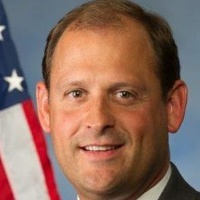
Garland Barr
Representative
KY
Garland Barr
Representative
KY
The Defend Girls Athletics Act mandates that elementary, secondary, and higher education institutions must certify compliance with Executive Order 14201 regarding biological fairness in women's sports to receive federal funding. This certification must be renewed annually for K-12 districts and by July 1st for colleges and universities. Failure to comply or report results in the immediate requirement to return unobligated federal funds and ineligibility for future federal financial assistance until compliance is restored.
This resolution expresses support for designating July 10th as Journeyman Lineworkers Recognition Day to honor the dangerous and essential service provided by these workers, especially during crises.
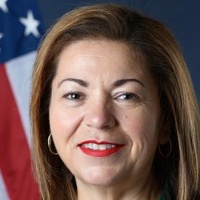
Linda Sánchez
Representative
CA
Linda Sánchez
Representative
CA
This resolution expresses support for designating July 10th as Journeyman Lineworkers Recognition Day. It honors the essential and dangerous work performed by these skilled professionals, especially their heroic efforts in restoring power after major disasters. The day serves to recognize their service and remember those who have lost their lives performing this vital work.
This act amends tax law to allow taxpayers to deduct wagering losses dollar-for-dollar against their wagering winnings, up to the full amount of those winnings.
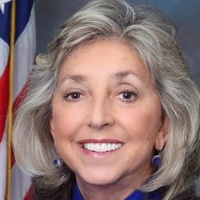
Dina Titus
Representative
NV
Dina Titus
Representative
NV
The FAIR Bet Act amends tax law to allow taxpayers to deduct wagering losses dollar-for-dollar against their wagering winnings, up to 100% of those winnings. This change modifies the previous limitation on deducting gambling losses. Essentially, it ensures that gambling losses can fully offset gambling income for tax purposes.
This Act officially defines and clarifies the scope of U.S. assistance for humanitarian demining and the safe management of stockpiled conventional munitions overseas.
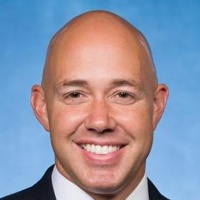
Brian Mast
Representative
FL
Brian Mast
Representative
FL
The Defining Humanitarian Demining Assistance Act of 2025 updates U.S. law to clearly define "humanitarian demining assistance" and "stockpiled conventional munitions assistance." This legislation specifies the types of training, equipment, and technical support the U.S. military can provide to help foreign nations clear landmines and safely manage dangerous leftover explosives. The goal is to standardize and enhance U.S. foreign assistance aimed at reducing explosive hazards overseas.
The CONNECT for Health Act of 2025 permanently expands Medicare telehealth access by removing geographic restrictions, increasing practitioner flexibility, bolstering program integrity, and mandating supports for quality remote care delivery.
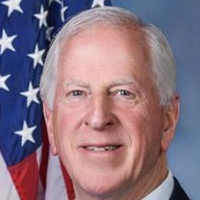
Mike Thompson
Representative
CA
Mike Thompson
Representative
CA
The CONNECT for Health Act of 2025 significantly expands and permanently secures access to Medicare telehealth services by eliminating outdated geographic restrictions and allowing more practitioners to offer remote care. The bill also strengthens program integrity by dedicating funds for telehealth oversight while clarifying rules around providing necessary technology to patients. Finally, it mandates the creation of tailored educational resources and public reporting to improve quality measurement and transparency in remote care delivery.
The VET Act of 2025 establishes a grant program to incentivize energy industry employers to hire and train transitioning service members, veterans, and their spouses.
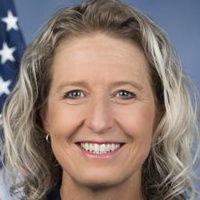
Jennifer Kiggans
Representative
VA
Jennifer Kiggans
Representative
VA
The Veterans Energy Transition Act of 2025 (VET Act) establishes a new grant program administered by the Secretary of Labor to incentivize organizations to hire active duty military members, veterans, and their spouses for jobs in the energy industry. These grants reimburse employers for training, recruitment, and other costs associated with employing these "covered individuals." The program prioritizes hiring those with relevant skills and aims to coordinate with existing transition services to ensure effective job placement.
The FIGHT Act of 2025 strengthens federal prohibitions against animal fighting, enhances enforcement mechanisms, and allows citizens to sue violators of animal fighting provisions.
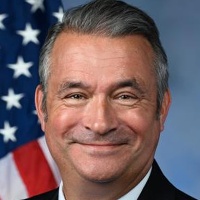
Don Bacon
Representative
NE
Don Bacon
Representative
NE
The FIGHT Act of 2025 significantly strengthens federal prohibitions against animal fighting ventures, specifically targeting the sponsorship, exhibition, and gambling associated with these events. This legislation clarifies the definition of a rooster for legal purposes and bans the interstate transport of roosters for fighting. Furthermore, it empowers private citizens to file lawsuits against violators, allowing for civil penalties and the potential seizure of property used to facilitate illegal animal fighting.
This bill grants a federal charter to the Veterans Association of Real Estate Professionals to support veterans' housing, financial literacy, and economic stability.
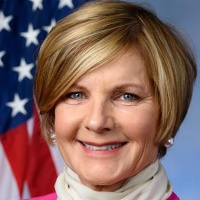
Susie Lee
Representative
NV
Susie Lee
Representative
NV
This bill grants a Federal charter to the Veterans Association of Real Estate Professionals, officially recognizing it as a nonprofit veterans service organization. The organization is tasked with promoting sustainable homeownership, financial literacy, and economic opportunity for veterans and service members. It must adhere to strict operational rules, including prohibitions on political activity and the distribution of profits to members. The charter remains contingent upon the organization maintaining its tax-exempt status and compliance with California corporate law.
This resolution expresses the House of Representatives' strong commitment to preserving and protecting Social Security for both current beneficiaries and future generations.
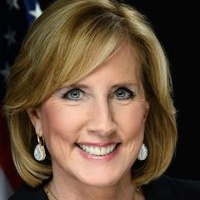
Claudia Tenney
Representative
NY
Claudia Tenney
Representative
NY
This resolution expresses the strong sense of the House of Representatives that Social Security must be preserved and protected. It affirms the commitment to safeguard the program for current beneficiaries who rely on its benefits. Furthermore, the resolution emphasizes the importance of ensuring the system remains sound for future generations.
This bill mandates the relocation of Small Business Administration offices out of designated "sanctuary jurisdictions" within 120 days or face immediate shutdown and reassignment of staff.
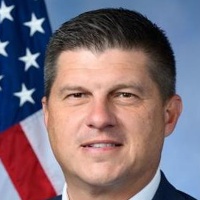
Brad Finstad
Representative
MN
Brad Finstad
Representative
MN
The Save SBA from Sanctuary Cities Act of 2025 mandates the relocation of Small Business Administration (SBA) offices situated in designated "sanctuary jurisdictions." If an office is not moved within 120 days of being identified, it must cease operations and its employees reassigned. The bill also prohibits the establishment of any new SBA offices in these jurisdictions.
This resolution expresses support for designating the month of July as "American Patriotism Month" to honor the nation's history, values, and sacrifices.
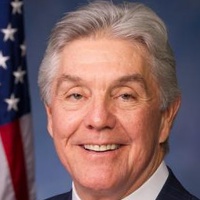
Roger Williams
Representative
TX
Roger Williams
Representative
TX
This resolution expresses support for officially designating the month of July as "American Patriotism Month." It recognizes the historical significance of American patriotism and encourages citizens and groups to observe the month with appropriate ceremonies celebrating U.S. history and values. The bill further asks the President to issue a yearly proclamation supporting this designation.
This bill mandates that only formally certified Women-Owned Small Businesses (WOSBs) count toward federal contracting goals, excluding those that are self-certified.
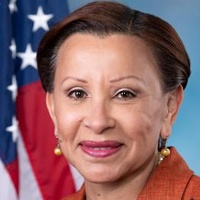
Nydia Velázquez
Representative
NY
Nydia Velázquez
Representative
NY
The WOSB Accountability Act mandates that federal agencies only count formally certified Women-Owned Small Businesses (WOSBs) toward their contracting goals, excluding those that are only self-certified. This change ensures greater accuracy in tracking government support for legitimate WOSBs. The Small Business Administration (SBA) is required to establish new rules for this process and provide regular progress reports to Congress.
This act mandates that FHA loan disclosures include comparable VA loan information and requires lenders to ask about military service on standard loan applications.
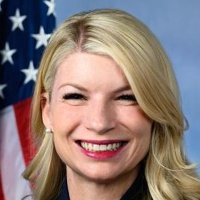
Brittany Pettersen
Representative
CO
Brittany Pettersen
Representative
CO
The VA Loan Informed Disclosure Act of 2025 (VALID Act) aims to increase awareness of VA loan options among homebuyers. It requires lenders to include comparative information about potential VA loan terms on standard FHA disclosure forms. Furthermore, the Act mandates that the Uniform Residential Loan Application include a prominent question regarding the applicant's military service.
This resolution officially designates the Friday before Memorial Day as National Poppy Day to honor veterans and encourage the wearing of the poppy as a symbol of remembrance.
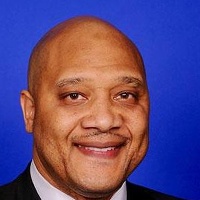
André Carson
Representative
IN
André Carson
Representative
IN
This resolution officially designates the Friday before Memorial Day as **National Poppy Day** to honor U.S. veterans. It recognizes the poppy as a long-standing symbol of remembrance for those who died in service, inspired by World War I. The bill encourages all citizens to wear a red poppy on this day to show appreciation for our fallen service members.
This bill ensures that the service member's military department, not the Defense Health Agency, retains ultimate accountability and authority over fitness-for-duty decisions throughout the Integrated Disability Evaluation System (IDES) process and grants wounded warriors an additional appeal right.
Brian Mast
Representative
FL
Brian Mast
Representative
FL
The Wounded Warrior Bill of Rights Act of 2025 clarifies that the service member's military department, not the Defense Health Agency (DHA), retains ultimate authority over fitness-for-duty decisions during the Integrated Disability Evaluation System (IDES). This ensures service members maintain full due process rights throughout the medical separation process. Furthermore, the bill establishes a new, mandatory appeal right within the military chain of command for those disagreeing with a fitness determination.
This Act mandates that colleges and universities must print or post essential suicide prevention contact information, including the 988 Lifeline, on student IDs or websites.
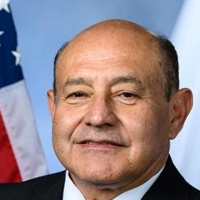
J. Correa
Representative
CA
J. Correa
Representative
CA
The Improving Mental Health Access for Students Act mandates that colleges and universities must prominently display essential mental health and suicide prevention contact information on student ID cards or official websites. This includes the 988 Suicide and Crisis Lifeline, the Crisis Text Line, and the campus mental health center. These requirements take effect one year after the Act is signed into law.
The Oath of Exit Act establishes an optional "separation oath" for departing service members to commit to supporting fellow veterans, maintaining their well-being, and seeking/offering help.
Brian Mast
Representative
FL
Brian Mast
Representative
FL
The Oath of Exit Act establishes a new, voluntary "separation oath" for members of the Armed Forces upon leaving service. This oath encourages departing service members to commit to supporting fellow veterans, seeking and offering help, and maintaining their well-being. By taking this oath, veterans reaffirm their commitment to the values learned in service as they transition to civilian life.