Legislative Activity
Track Sydney's sponsored bills, co-sponsored legislation, and voting record
This resolution urges the President to order U.S. flags flown at half-staff to honor the life and legacy of civil rights leader Reverend Jesse Jackson.
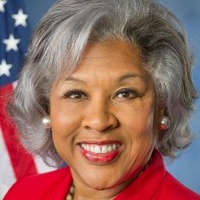
Joyce Beatty
Representative
OH
Joyce Beatty
Representative
OH
This resolution formally honors the life and enduring legacy of civil rights leader Reverend Jesse Louis Burns Jackson, Sr. It recognizes his significant contributions to the Civil Rights Movement, including his work with Dr. Martin Luther King, Jr. and his founding of Operation PUSH. The bill specifically urges the President to order that the U.S. flag be flown at half-staff in his memory.
This bill strengthens democracy by banning foreign spending in U.S. elections, increasing transparency for "dark money" in politics, and mandating clear disclosure of funders in political advertising.
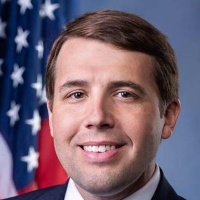
Chris Pappas
Representative
NH
Chris Pappas
Representative
NH
The Democracy Is Strengthened by Casting Light On Spending in Elections Act of 2026 aims to increase transparency and security in U.S. elections. It closes loopholes to ban foreign national spending in elections, mandates disclosure for "dark money" political spending, and requires clear funding disclosures on political ads. The bill also centralizes legal challenges to campaign finance laws in Washington, D.C., for faster resolution.
This resolution honors the life, legacy, and enduring commitment to civil rights and equality of Reverend Jesse Louis Jackson, Sr.
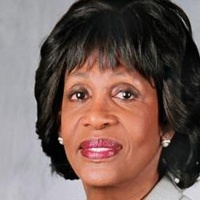
Maxine Waters
Representative
CA
Maxine Waters
Representative
CA
This resolution honors the life, leadership, and enduring legacy of Reverend Jesse Louis Jackson, Sr. It recognizes his pivotal role as a civil rights leader, his groundbreaking political campaigns, and his global advocacy for human rights and equality. The measure encourages all Americans to continue his work by moving forward with hope rather than fear and division.
The African American History Act of 2026 authorizes the National Museum of African American History and Culture to develop and support educational programs, resources, and curricula to enhance the teaching of African American history nationwide.
Kweisi Mfume
Representative
MD
Kweisi Mfume
Representative
MD
The African American History Act of 2026 authorizes the National Museum of African American History and Culture to develop and expand educational resources, curricula, and digital programming for students and educators nationwide. By providing $10 million in annual funding through 2030, the Act aims to promote a deeper understanding of African American history through a social justice and anti-bias lens. Additionally, the legislation encourages the development of similar educational initiatives across other Smithsonian museums dedicated to diverse American histories.
This resolution recognizes the vital historical significance, economic impact, and essential role of Black history museums and cultural institutions in telling the full American story, especially leading up to the nation's 250th anniversary.
Ayanna Pressley
Representative
MA
Ayanna Pressley
Representative
MA
This resolution formally recognizes the vital historical significance and contributions of Black history museums and cultural institutions across the United States. It affirms that these essential pillars correct historical omissions by preserving irreplaceable records and telling a full, accurate American story. The bill encourages federal agencies and the public to support these institutions, especially as the nation approaches its 250th anniversary.
This bill mandates that the Bureau of Prisons employ obstetrician-gynecologists at facilities with female prisoners to ensure comprehensive gynecological, prenatal, and postpartum care.
Valerie Foushee
Representative
NC
Valerie Foushee
Representative
NC
The Ensuring OBGYN Care in Prisons Act mandates that the Bureau of Prisons employ full-time obstetrician-gynecologists at all facilities housing female prisoners. This bill ensures comprehensive gynecological, prenatal, and postpartum care, including required initial visits within 14 days of incarceration. Furthermore, it establishes patient protections like informed consent and the right to refuse non-emergency care. The Bureau of Prisons must also submit annual reports detailing staffing, services provided, and pregnancy outcomes.
The Healthy Hair Act prohibits the use of formaldehyde in hair straightening and smoothing products and mandates an FDA study on the associated health risks.
Shontel Brown
Representative
OH
Shontel Brown
Representative
OH
The Healthy Hair Act prohibits the sale of hair straightening and smoothing products that contain formaldehyde or formaldehyde-releasing substances. Additionally, the bill mandates that the FDA and NIOSH conduct comprehensive studies on the health impacts of these chemicals, particularly for salon workers, to inform future regulatory actions.
This resolution designates Black History Month 2026, honors the contributions of Black Americans through the "Unsung Souls" and "Righteous Intercessors" recognitions, and affirms the importance of a complete national narrative.
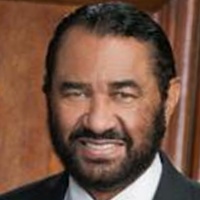
Al Green
Representative
TX
Al Green
Representative
TX
This resolution officially recognizes Black History Month and adopts "A Century of Black History Commemorations" as the theme for 2026. It honors the contributions of Black Americans by establishing categories for "Unsung Souls" and "Righteous Intercessors." Ultimately, the bill affirms that Black history commemorations are essential for a complete national narrative and inspiring future progress toward liberty and justice for all.
The Ceasefire Compliance Act of 2026 mandates that U.S. defense transfers to Israel be conditioned on verified compliance with ceasefire agreements, humanitarian aid access, and the protection of Palestinian civilians in Gaza and the West Bank.
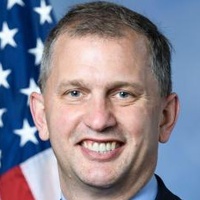
Sean Casten
Representative
IL
Sean Casten
Representative
IL
The Ceasefire Compliance Act of 2026 establishes U.S. policy to uphold the October 2025 ceasefire and peace plan in Gaza while prohibiting the transfer of U.S. defense articles to Israel for use in Gaza or the West Bank unless specific humanitarian and diplomatic conditions are met. The bill mandates regular reporting to Congress to certify Israel's compliance with these requirements and establishes an end-use monitoring group to track the deployment of U.S.-provided weapons. While restricting offensive arms transfers, the Act preserves U.S. support for Israeli missile defense systems and ongoing humanitarian aid to Gaza.
This bill officially recognizes the cultural and historical significance of Lunar New Year in 2026 and expresses respect for those who celebrate it.

Grace Meng
Representative
NY
Grace Meng
Representative
NY
This bill officially recognizes the cultural and historical significance of Lunar New Year, specifically in 2026, the Year of the Horse. It expresses deep respect for Asian American communities and all who celebrate this important occasion. The resolution concludes by offering wishes for a happy and prosperous new year to all observers.
This Act prohibits the discharge of plastic pellets and pre-production plastic materials into U.S. waters from industrial facilities through EPA regulations and permitting requirements.
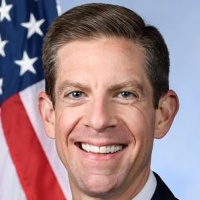
Mike Levin
Representative
CA
Mike Levin
Representative
CA
The Plastic Pellet Free Waters Act prohibits the discharge of plastic pellets and other pre-production plastic materials into U.S. waters from industrial facilities. This requires the EPA to swiftly issue a rule banning these discharges from facilities involved in the manufacturing, use, packaging, or transport of these plastics. The prohibition will be enforced through existing permitting and regulatory systems under the Federal Water Pollution Control Act.
This bill terminates the national emergency declared by the President on February 1, 2025, under the National Emergencies Act.
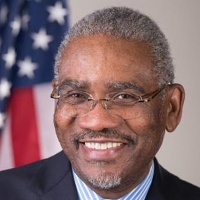
Gregory Meeks
Representative
NY
Gregory Meeks
Representative
NY
This bill officially terminates the national emergency that the President declared on February 1, 2025, under Executive Order 14193. It acts to end the authorities granted under the National Emergencies Act related to that specific declaration.
This bill appropriates funding and establishes operational rules for the Department of Homeland Security for Fiscal Year 2026 across management, security, preparedness, and research functions, while imposing strict oversight and spending restrictions.
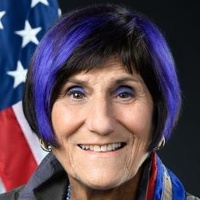
Rosa DeLauro
Representative
CT
Rosa DeLauro
Representative
CT
This bill provides the funding and establishes the operational rules for the Department of Homeland Security (DHS) for Fiscal Year 2026 across all major components, including intelligence, security operations, emergency management, and research. It allocates billions for agencies like TSA, Coast Guard, FEMA, and CISA while imposing strict new requirements for congressional oversight, spending transparency, and management of federal grants. The legislation also includes specific policy directives, such as mandating security screening for senior officials and restricting certain intelligence and contracting activities.
This bill establishes a comprehensive Transgender Bill of Rights to codify and protect the rights of transgender and nonbinary people across healthcare, employment, legal recognition, and safety.
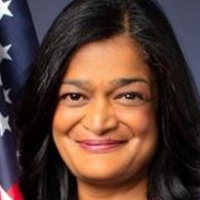
Pramila Jayapal
Representative
WA
Pramila Jayapal
Representative
WA
This resolution establishes a comprehensive Transgender Bill of Rights to codify and protect the rights of transgender and nonbinary people across the United States. It mandates federal action to ensure equal access to healthcare, employment, housing, legal recognition, and safety. The bill aims to eliminate discrimination and affirm bodily autonomy by amending existing federal civil rights laws.
This resolution recognizes January 2026 as National Mentoring Month to honor mentors and promote quality mentoring programs for America's youth.
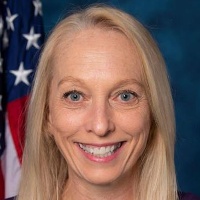
Mary Scanlon
Representative
PA
Mary Scanlon
Representative
PA
This resolution officially recognizes January 2026 as National Mentoring Month to honor the dedicated staff and volunteers in mentoring programs. It highlights the significant benefits of mentoring, such as boosting educational achievement and reducing juvenile delinquency. The bill encourages the growth of quality mentoring programs nationwide to ensure more young people have supportive adult connections.
This bill recognizes the historic significance of the Greensboro Four sit-in, which launched a nationwide movement against racial inequality, and encourages its inclusion in educational curricula.
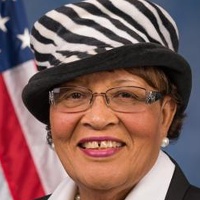
Alma Adams
Representative
NC
Alma Adams
Representative
NC
This bill recognizes the historic 1960 Greensboro Four sit-in, honoring the students whose peaceful protest launched a nationwide movement against segregation. It designates February 1, 2026, as the 66th anniversary, coinciding with the start of Black History Month. Furthermore, the bill encourages states to include the Greensboro Four's contributions in educational curricula.
This bill prohibits the use of hydrofluoric acid in all petroleum refineries, requiring existing facilities to convert to safer alternatives within five years.
Maxine Waters
Representative
CA
Maxine Waters
Representative
CA
This bill prohibits the use of hydrofluoric acid (hydrogen fluoride) in all petroleum refineries, citing its extreme danger to surrounding communities. It immediately bans its use in any new refinery and mandates that existing refineries phase out its use within five years. The legislation aims to prevent mass casualty events by requiring the adoption of safer, commercially available alternative technologies.
This resolution supports the goals of National Black HIV/AIDS Awareness Day by encouraging testing, commending service organizations, and advocating for strategies to reduce HIV disparities in Black communities.
Maxine Waters
Representative
CA
Maxine Waters
Representative
CA
This resolution supports the goals of National Black HIV/AIDS Awareness Day by recognizing the disproportionate impact of HIV on Black Americans. It encourages testing, commends organizations providing culturally competent care, and supports the implementation of the National HIV/AIDS Strategy to reduce disparities. The bill also calls for prioritizing funding for minority-led agencies and addressing systemic barriers to care.
This bill establishes mandatory minimum humanitarian standards for health screening, water, sanitation, food, and shelter for all individuals in ICE and CBP custody.
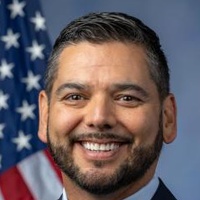
Raul Ruiz
Representative
CA
Raul Ruiz
Representative
CA
The Humanitarian Standards for Individuals in ICE and CBP Custody Act establishes minimum standards for health screening, nutrition, sanitation, and shelter for individuals detained by ICE and CBP. This bill mandates specific protocols for medical care, facility conditions, and personnel training to ensure humane treatment. It also requires regular inspections and public reporting on compliance and sexual abuse complaints.
This bill ends the national emergency declared in July 2025 concerning imports from Brazil.
Gregory Meeks
Representative
NY
Gregory Meeks
Representative
NY
This bill officially ends the national emergency that was declared by the President in July 2025. This action specifically terminates the authority used to impose duties on articles imported from Brazil.