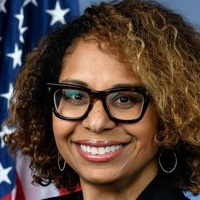
Legislative Activity
Track Sydney's sponsored bills, co-sponsored legislation, and voting record
This act mandates a report by the Comptroller General investigating and detailing deaths resulting from the cessation of USAID activities.
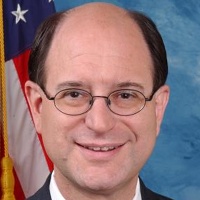
Brad Sherman
Representative
CA
Brad Sherman
Representative
CA
The Evan Anzoo Memorial Act mandates a comprehensive report by the Comptroller General investigating deaths resulting from the cessation of USAID activities. This report must estimate fatalities in 2025 and the subsequent five years, and specifically determine if ten named individuals died due to these actions. An interim update is required within 180 days, with the final report due one year after enactment.
This Act establishes a grant program administered by the Attorney General to fund library services in prisons to advance reintegration, reduce recidivism, and increase educational opportunities for incarcerated individuals.
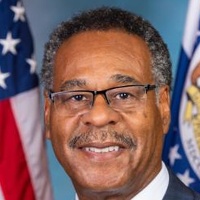
Emanuel Cleaver
Representative
MO
Emanuel Cleaver
Representative
MO
The Prison Libraries Act of 2026 establishes a federal grant program, administered by the Attorney General, to fund essential library services for incarcerated individuals. These grants aim to reduce recidivism and boost reintegration efforts by supporting education, job training, and access to modern library materials. States and territories can apply for these renewable, multi-year grants, which must be used strictly for library-related activities and cannot charge inmates for access to resources.
This act establishes the Domestic Cotton Consumption Credit to incentivize businesses to use U.S.-grown cotton through a verified supply chain with varying credit percentages based on processing location.
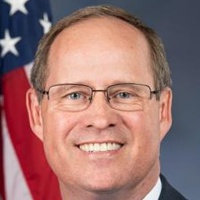
Gregory Murphy
Representative
NC
Gregory Murphy
Representative
NC
The Buying American Cotton Act of 2026 establishes the Domestic Cotton Consumption Credit to incentivize the use of U.S.-grown cotton in products sold domestically. This new business tax credit is calculated based on the volume of U.S. cotton used, the market price, and where the product was processed. The bill mandates digital tracing to verify the supply chain and offers significantly increased credit multipliers for products containing U.S.-made cotton yarn or fabric.
This resolution expresses the House's sense that protecting women's rights and leadership is critical for Haiti's stability while condemning current failures in centering their needs and calling for urgent human rights measures.
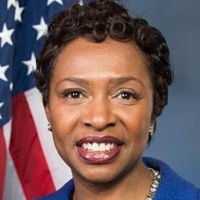
Yvette Clarke
Representative
NY
Yvette Clarke
Representative
NY
This resolution asserts that advancing the rights of women and girls in Haiti is crucial for the nation's stability and successful transition from crisis. It condemns the widespread gender-based violence and the exclusion of women from leadership roles in the transitional government. The bill calls for urgent measures to center women's needs, ensure their representation in government, and prioritize funding for survivor services and accountability for violence.
The Language Access for All Act of 2026 mandates that federal agencies implement comprehensive language assistance services, including translation and interpretation, to ensure meaningful access for individuals with limited English proficiency.
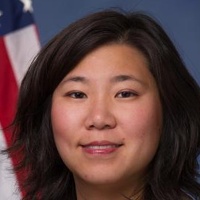
Grace Meng
Representative
NY
Grace Meng
Representative
NY
The Language Access for All Act of 2026 mandates that federal agencies provide meaningful access to programs and services for individuals with limited English proficiency. The bill requires agencies to implement comprehensive language access plans, establish technical standards for translation and interpretation, and appoint dedicated coordinators to ensure compliance. Additionally, it creates a public complaint system and sets strict guidelines for the use of AI in language services to ensure accuracy and accountability.
The AI OVERWATCH Act establishes a strict licensing requirement for exporting advanced integrated circuits to designated countries of concern while creating exemptions for trusted U.S. entities and mandating a comprehensive national security review for all approved transfers.
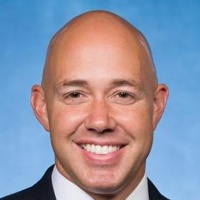
Brian Mast
Representative
FL
Brian Mast
Representative
FL
The AI OVERWATCH Act establishes strict new licensing requirements for exporting advanced integrated circuits to designated countries of concern, including China and Russia. This legislation mandates detailed national security certifications to Congress before any license can be approved for these high-performance technologies. Furthermore, the bill creates an exemption process for trusted U.S. companies while terminating existing licenses for these sensitive exports.
This act prohibits the US government from using funds to purchase any NATO member country or NATO-protected territory.
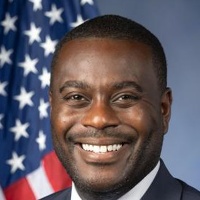
Gabe Amo
Representative
RI
Gabe Amo
Representative
RI
This bill, the "NO NATO for Purchase Act," strictly prohibits any federal department or agency from using funds or taking action to purchase a country that is a member of NATO or any territory protected under the North Atlantic Treaty. Essentially, it bans the U.S. government from acquiring NATO member nations or their protected territories.
This resolution honors the 97th anniversary of Dr. Martin Luther King, Jr.’s birth by reaffirming his legacy of equality, condemning hate, and promoting tolerance and civil discourse.

Shontel Brown
Representative
OH
Shontel Brown
Representative
OH
This resolution honors the 97th anniversary of the birth of Reverend Dr. Martin Luther King, Jr. by celebrating his legacy of equality, diversity, and civil discourse. It reaffirms a national commitment to his values of justice and tolerance while explicitly condemning all forms of hate, discrimination, and prejudice.
This bill impeaches Secretary of Homeland Security Kristi Lynn Arnold Noem for high crimes and misdemeanors, citing willful refusal to comply with oversight law, violating the Impoundment Control Act, directing unlawful ICE misconduct, and misusing federal funds for personal gain.
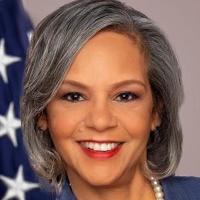
Robin Kelly
Representative
IL
Robin Kelly
Representative
IL
This resolution initiates impeachment proceedings against Secretary of Homeland Security Kristi Lynn Arnold Noem for high crimes and misdemeanors. The articles of impeachment charge her with willfully refusing to comply with Congressional oversight laws and violating the Impoundment Control Act by improperly withholding funds. Further articles allege she directed widespread misconduct by ICE agents that violated federal law and constitutional rights, and misused taxpayer funds for personal gain through improper contracting.
This act establishes special sentencing considerations for young offenders whose crimes were committed following prior victimization through trafficking, abuse, or assault.
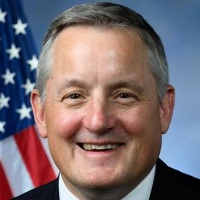
Bruce Westerman
Representative
AR
Bruce Westerman
Representative
AR
Sara’s Law and the Preventing Unfair Sentencing Act of 2026 creates special sentencing considerations for young offenders who committed crimes while being victims of prior trafficking, abuse, or assault. This legislation grants courts the authority to sentence these "youthful victim offenders" below mandatory minimums and suspend portions of their sentences to account for past trauma. The law specifically targets individuals under 18 whose offense was committed against a recent abuser.
This resolution designates January 13th as Korean American Day to honor the contributions of Korean Americans and recognize the anniversary of the first Korean immigrants' arrival.
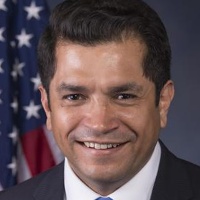
Jimmy Gomez
Representative
CA
Jimmy Gomez
Representative
CA
This resolution officially designates January 13th as Korean American Day. It expresses support for the day's ideals and encourages Americans to observe it. The resolution also honors the 123rd anniversary of the first Korean immigrants arriving in the United States.
This bill expresses support for the Iranian people protesting for a free and democratic Iran while condemning the Islamic Republic's violent repression.
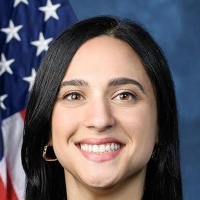
Yassamin Ansari
Representative
AZ
Yassamin Ansari
Representative
AZ
This resolution expresses strong support for the Iranian people protesting for freedom, democracy, and basic human rights against the repressive Islamic Republic. It condemns the regime's brutal crackdown on demonstrators and demands an end to violence and the release of political prisoners. Furthermore, it urges the U.S. government to work with allies to deter further lethal violence against protesters.
This bill establishes controls on the remote access of sensitive items by foreign persons under the Export Control Reform Act of 2018, requiring consultation with Congress before new regulations are issued.
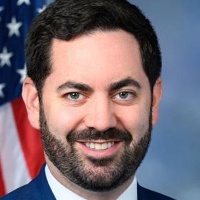
Michael Lawler
Representative
NY
Michael Lawler
Representative
NY
The Remote Access Security Act amends the Export Control Reform Act of 2018 to establish new controls on the remote access of sensitive U.S. items by foreign persons. This legislation grants the Secretary of Commerce authority to regulate such access when it poses a serious risk to national security. Furthermore, the bill mandates that the Secretary consult with key congressional committees before issuing new regulations on remote access controls.
This bill designates Burma for Temporary Protected Status (TPS) for eligible nationals present in the U.S. since enactment.
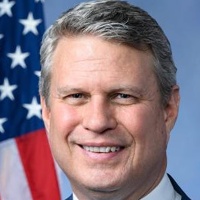
Bill Huizenga
Representative
MI
Bill Huizenga
Representative
MI
This bill designates Burma for Temporary Protected Status (TPS) for an initial period of 18 months, beginning November 25, 2025. It establishes eligibility requirements for Burmese nationals already present in the U.S. and outlines conditions for emergency travel authorization.
This act prohibits the use of federal funds and official action for any invasion of NATO member territory.
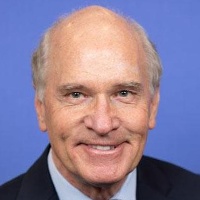
William Keating
Representative
MA
William Keating
Representative
MA
The **No Funds for NATO Invasion Act** prohibits the use of any federal funds for an invasion of any territory belonging to a member nation of the North Atlantic Treaty Organization (NATO). Furthermore, the bill bars U.S. officials from taking any action to execute such an invasion.
This resolution declares elective declawing of cats inhumane and urges states to prohibit the practice except when medically necessary.
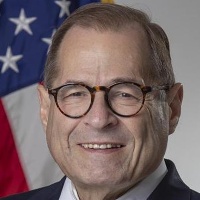
Jerrold Nadler
Representative
NY
Jerrold Nadler
Representative
NY
This resolution expresses strong opposition to elective declawing (onychectomy) of cats, deeming the procedure inhumane due to the lifelong pain and adverse behavioral effects it causes. It defines declawing broadly to include any procedure that disables a cat's claws and affirms that it should only be performed when medically necessary for the cat's health. The bill urges states to prohibit the practice on animal welfare and public health grounds, noting that humane alternatives exist.
This resolution recognizes the 15th anniversary of the 2011 Tucson shooting, honoring the victims, survivors, and the ongoing advocacy of Gabby Giffords.
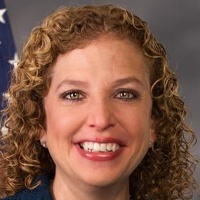
Debbie Wasserman Schultz
Representative
FL
Debbie Wasserman Schultz
Representative
FL
This resolution commemorates the 15th anniversary of the tragic January 8, 2011, Tucson shooting, honoring the six lives lost and the thirteen injured. It specifically commends the courage and ongoing advocacy of gun violence survivor and former Congresswoman Gabby Giffords. The resolution also recognizes the resilience of the community and reaffirms a commitment to ending political violence.
This resolution observes the one-year anniversary of the devastating 2025 Southern California wildfires, honoring victims and first responders while affirming commitment to ongoing community rebuilding efforts.
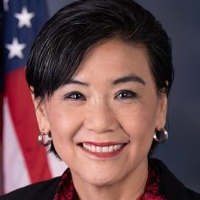
Judy Chu
Representative
CA
Judy Chu
Representative
CA
This resolution observes the one-year anniversary of the devastating 2025 Southern California wildfires. It honors the 31 lives lost, recognizes the heroic efforts of thousands of emergency responders, and affirms commitment to supporting the ongoing rebuilding efforts in affected communities.
The Disaster Survivors Tax Relief and Recovery Act provides targeted tax relief, retirement account flexibility, and housing credit support for individuals and businesses affected by major federally declared disasters occurring in 2025.
Judy Chu
Representative
CA
Judy Chu
Representative
CA
The Disaster Survivors Tax Relief and Recovery Act provides essential financial support to individuals and businesses impacted by major disasters occurring in 2025. The bill offers temporary tax relief, including flexible income calculations for tax credits, penalty-free access to retirement funds, and expanded deductions for charitable contributions and casualty losses. Additionally, it incentivizes the development of affordable housing in disaster-stricken areas and extends tax exclusions for wildfire-related compensation.
This bill establishes a five-year prohibition and strict licensing requirements for exporting advanced integrated circuits to designated countries of concern.
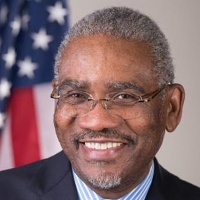
Gregory Meeks
Representative
NY
Gregory Meeks
Representative
NY
The RESTRICT Act establishes a five-year prohibition on exporting certain advanced integrated circuits to designated "countries of concern." It amends export control laws to require a license for exporting these sensitive chips to any "covered country." The bill also sets strict criteria for U.S. persons to qualify for an exemption from these licensing requirements.