Legislative Activity
Track Sydney's sponsored bills, co-sponsored legislation, and voting record
The Tech to Save Moms Act establishes grant programs and mandates studies to leverage technology, telehealth, and collaborative learning models to reduce maternal mortality and severe maternal morbidity, especially among minority groups.
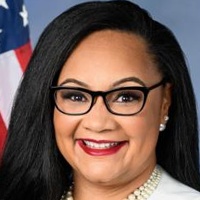
Nikema Williams
Representative
GA
Nikema Williams
Representative
GA
The Tech to Save Moms Act establishes grant programs to improve maternal health outcomes by leveraging technology for better identification, monitoring, and response to pregnancy-related risks. It directs the Secretary of HHS to fund projects using remote monitoring, telehealth, and digital tools to reduce maternal mortality and severe morbidity, with a focus on underserved populations. The legislation also mandates studies and reports on integrating technology into maternity care and improving telehealth models for Medicaid recipients.
This bill establishes a commission of medical and former government experts to evaluate a President's physical or mental capacity to discharge the duties of the office when directed by Congress.
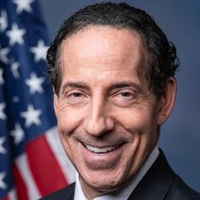
Jamie Raskin
Representative
MD
Jamie Raskin
Representative
MD
This bill establishes the Commission on Presidential Capacity to Discharge the Powers and Duties of the Office, a body tasked with evaluating the physical or mental fitness of the President. The Commission, composed of medical experts and former high-ranking officials, can be directed by Congress to examine the President. Its findings regarding the President's ability to execute their duties are then reported to Congress and the Vice President.
This resolution honors the Grandassa Models for their pioneering role in the "Black is Beautiful" movement and their enduring legacy of redefining beauty standards and promoting Black cultural pride.
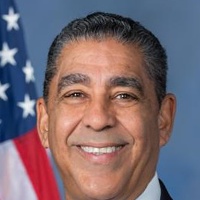
Adriano Espaillat
Representative
NY
Adriano Espaillat
Representative
NY
This resolution honors the Grandassa Models, a pioneering collective that redefined beauty standards and championed Black cultural pride during the civil rights era. By launching the "Naturally 62" movement, these women challenged Eurocentric norms and promoted African heritage through fashion and activism. The bill recognizes their historic impact as icons of the "Black is Beautiful" movement and celebrates their enduring legacy in fostering racial pride and community empowerment.
The Maternal Vaccination Act establishes a federal awareness and equity campaign to increase vaccination rates among pregnant and postpartum individuals and their children.
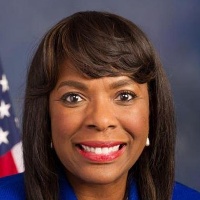
Terri Sewell
Representative
AL
Terri Sewell
Representative
AL
The Maternal Vaccination Act establishes a dedicated awareness and equity campaign to increase vaccination rates among pregnant and postpartum individuals. By providing targeted funding and expanding immunization program grants, the bill ensures that healthcare providers are better equipped to support maternal health, with a specific focus on reaching underserved and minority communities.
This resolution formally recognizes the persistence of the gender wage gap in the United States and reaffirms a commitment to achieving equal pay for equal work.
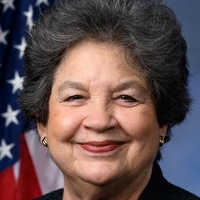
Lois Frankel
Representative
FL
Lois Frankel
Representative
FL
This resolution formally recognizes the persistent gender wage gap in the United States and its significant negative impact on women, families, and the national economy. It highlights the systemic factors contributing to pay disparities across various demographics and occupations. Ultimately, the resolution reaffirms Congress's commitment to achieving equal pay for equal work.
This bill mandates the Secretary of State to report regularly on participation in U.S. and Chinese educational and cultural exchange programs to assess their impact on U.S. strategic interests.
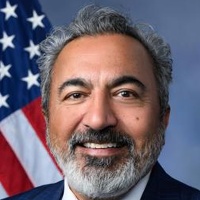
Ami Bera
Representative
CA
Ami Bera
Representative
CA
This bill mandates that the Secretary of State submit regular, detailed reports to Congress regarding participation in U.S. and Chinese educational and cultural exchange programs. These reports aim to assess the impact of these exchanges on U.S. national security and strategic interests. The required data includes specific metrics on U.S. program effectiveness and a country-by-country list of participants in both U.S. and Chinese-sponsored programs.
This bill prohibits the use of federal funds for military force in or against Cuba through 2026, unless explicitly authorized by Congress or permitted under the War Powers Resolution.
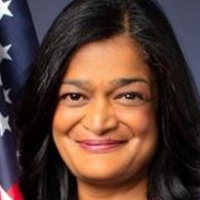
Pramila Jayapal
Representative
WA
Pramila Jayapal
Representative
WA
This bill prohibits the use of federal funds for military action in or against Cuba through December 31, 2026. Exceptions are only permitted if Congress declares war, provides specific statutory authorization, or if the action aligns with the War Powers Resolution.
This bill prohibits U.S. courts from enforcing foreign judgments or arbitral awards based on actions taken by persons complying with U.S. sanctions.

Wesley Hunt
Representative
TX
Wesley Hunt
Representative
TX
This bill, the Protecting Americans from Russian Litigation Act of 2025, aims to shield U.S. persons from lawsuits attempting to enforce foreign judgments or arbitral awards based on compliance with U.S. sanctions. It prohibits U.S. courts from recognizing or enforcing such foreign rulings when they stem from actions taken to adhere to U.S. sanctions or export controls. The legislation ensures that foreign entities cannot use U.S. courts to gain compensation when U.S. persons acted in good faith to comply with federal law.
The Data to Save Moms Act directs federal funding and research toward improving maternal health data collection, supporting maternal mortality review committees, and addressing disparities in maternal health outcomes for minority and underserved populations.
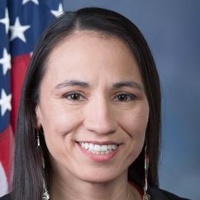
Sharice Davids
Representative
KS
Sharice Davids
Representative
KS
The Data to Save Moms Act aims to improve maternal health outcomes and eliminate disparities by enhancing data collection, research, and public awareness. The bill provides funding for Maternal Mortality Review Committees, supports community-based organizations addressing social determinants of health, and mandates training for providers on implicit bias and culturally congruent care. Additionally, it authorizes comprehensive studies and grant programs focused on high-risk populations, including racial and ethnic minority groups and American Indian and Alaska Native communities.
The Perinatal Workforce Act establishes grant programs and national initiatives to grow, diversify, and train a culturally competent maternal health workforce to improve health equity and patient outcomes.
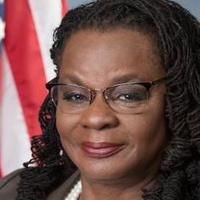
Gwen Moore
Representative
WI
Gwen Moore
Representative
WI
The Perinatal Workforce Act aims to improve maternal health outcomes by expanding and diversifying the perinatal health workforce. The bill establishes grant programs to support training for midwives, nurses, and other perinatal health workers, with a focus on recruiting individuals from underserved and minority communities. Additionally, it mandates national campaigns, federal coordination, and research to promote culturally congruent care and address systemic barriers to maternal health access.
The Kira Johnson Act establishes grant programs and research initiatives to advance maternal health equity, reduce bias and discrimination in maternity care, and improve health outcomes for high-risk demographic groups.
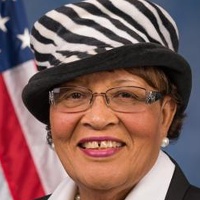
Alma Adams
Representative
NC
Alma Adams
Representative
NC
The Kira Johnson Act aims to eliminate maternal health disparities by funding community-based organizations that provide evidence-based support to high-risk populations. The legislation also establishes grant programs to implement anti-bias training for maternity care providers and creates compliance programs to address racism and discrimination in clinical settings. Through these initiatives, the bill seeks to ensure respectful, culturally congruent care and improve health outcomes for pregnant and postpartum individuals.
This bill extends WIC eligibility and enhanced food benefits for postpartum and breastfeeding mothers from one year to 24 months.
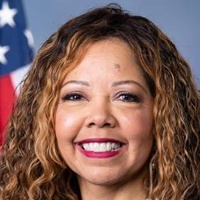
Lucy McBath
Representative
GA
Lucy McBath
Representative
GA
The Extending WIC for New Moms Act increases the duration of WIC eligibility for postpartum mothers from six months to 24 months. It also extends the period for receiving enhanced breastfeeding food packages to 24 months. Additionally, the bill mandates a comprehensive report to Congress evaluating the impact of these extensions on maternal and infant health outcomes.
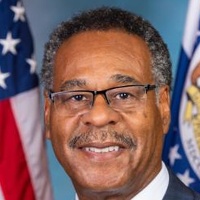
This act extends minimum wage and overtime protections under the Fair Labor Standards Act to incarcerated workers, prohibiting certain deductions from their pay.
Emanuel Cleaver
Representative
MO
Emanuel Cleaver
Representative
MO
The Fair Wages for Incarcerated Workers Act of 2026 amends the Fair Labor Standards Act to extend minimum wage and overtime protections to incarcerated workers. This legislation ensures that individuals employed in correctional facilities, whether by public or private entities, receive fair compensation. The bill also prohibits employers from deducting the cost of board, lodging, or court-imposed fees from these workers' wages.
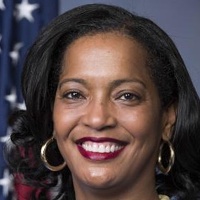
The Social Determinants for Moms Act establishes federal grant programs and a dedicated task force to improve maternal health outcomes by addressing the nonclinical social factors that impact pregnant and postpartum individuals.
Jahana Hayes
Representative
CT
Jahana Hayes
Representative
CT
The Social Determinants for Moms Act aims to reduce maternal mortality and health disparities by addressing the nonclinical factors that impact pregnancy and postpartum outcomes. The bill establishes federal grant programs to provide essential services—such as housing, nutrition, transportation, and childcare—to pregnant and postpartum individuals. Additionally, it creates a federal task force to coordinate cross-agency strategies to improve maternal health and support community-led initiatives across the country.
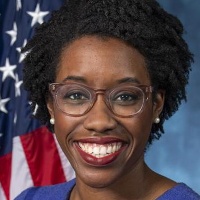
The Momnibus Act is a comprehensive legislative package designed to improve maternal health outcomes and reduce racial disparities by addressing social determinants, expanding nutritional and mental health support, diversifying the perinatal workforce, and investing in data-driven, community-based care.
Lauren Underwood
Representative
IL
Lauren Underwood
Representative
IL
The Momnibus Act is a comprehensive legislative package designed to end preventable maternal mortality and close racial and ethnic disparities in maternal health outcomes. By addressing social determinants of health, expanding nutritional and mental health support, and investing in a diverse, culturally competent workforce, the bill provides a holistic framework for improving care. Through targeted federal grants, enhanced data collection, and innovative technology, the Act aims to ensure that all pregnant and postpartum individuals receive the equitable, high-quality care they deserve.
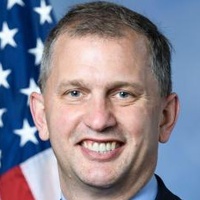
The Energy Bills Relief Act aims to lower energy costs for families by reversing clean energy rollbacks, expanding assistance programs, streamlining grid upgrades, and increasing transparency in utility regulation.
Sean Casten
Representative
IL
Sean Casten
Representative
IL
The Energy Bills Relief Act is a comprehensive bill designed to lower energy costs for American families, accelerate the deployment of low-cost, clean energy, and modernize the nation's electricity grid. It achieves this by reversing harmful policies against renewables, expanding energy assistance programs, streamlining grid connection processes, and increasing transparency in utility regulation. Ultimately, the legislation aims to create a more reliable, affordable, and cleaner energy system while ensuring communities have a stronger voice in energy development.
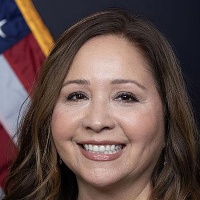
This bill protects the Chí’chil Biłdagoteel Historic District by prohibiting mineral extraction and land transfers to ensure the preservation of this sacred site for Native American tribes.
Adelita Grijalva
Representative
AZ
Adelita Grijalva
Representative
AZ
The Preserve the Traditional Cultural Place Chí’chil Biłdagoteel Historic District Act seeks to protect the sacred Oak Flat area by prohibiting all mineral exploration, development, and extraction activities on National Forest System land within the district. The bill mandates that the Secretary of Agriculture manage the area to preserve its cultural and historical integrity in consultation with affected Indian Tribes. Additionally, it prevents the transfer of these lands to Resolution Copper, ensuring the site remains protected from industrial development.
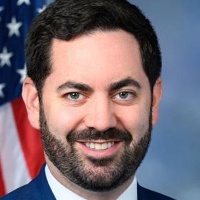
The Enhanced Iran Sanctions Act of 2025 mandates broad economic and immigration sanctions on foreign individuals, entities, and financial institutions that support Iran’s nuclear, missile, drone, or terrorist activities, while specifically targeting the country's petroleum and petrochemical sectors.
Michael Lawler
Representative
NY
Michael Lawler
Representative
NY
The Enhanced Iran Sanctions Act of 2025 strengthens U.S. policy by imposing mandatory sanctions on foreign persons and financial institutions that support Iran’s nuclear, ballistic missile, drone, and terrorist activities. The bill specifically targets Iran’s petroleum and petrochemical sectors to cut off funding for these malign programs. Additionally, it expands the State Department’s "Rewards for Justice" program to incentivize the reporting of individuals who evade these sanctions.
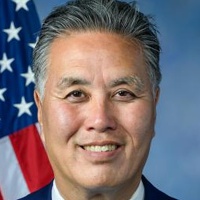
The PrEP Access and Coverage Act of 2026 mandates comprehensive, cost-free insurance coverage for HIV prevention services across public and private health plans while prohibiting discriminatory insurance practices and funding national education and outreach programs.
Mark Takano
Representative
CA
Mark Takano
Representative
CA
The PrEP Access and Coverage Act of 2026 mandates comprehensive, cost-free insurance coverage for HIV prevention services (PrEP and PEP) across private health plans, Medicare, Medicaid, TRICARE, and veteran health programs. The bill prohibits insurers from denying coverage or increasing premiums based on the use of HIV prevention medication and establishes robust patient confidentiality protections. Additionally, it authorizes national public health education campaigns and provides grant funding to expand access to prevention services for uninsured and underinsured populations.
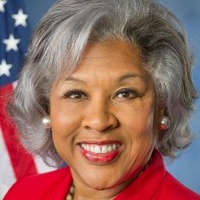
This resolution urges the President to order U.S. flags flown at half-staff to honor the life and legacy of civil rights leader Reverend Jesse Jackson.
Joyce Beatty
Representative
OH
Joyce Beatty
Representative
OH
This resolution formally honors the life and enduring legacy of civil rights leader Reverend Jesse Louis Burns Jackson, Sr. It recognizes his significant contributions to the Civil Rights Movement, including his work with Dr. Martin Luther King, Jr. and his founding of Operation PUSH. The bill specifically urges the President to order that the U.S. flag be flown at half-staff in his memory.