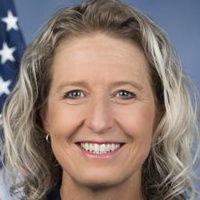
Legislative Activity
Track Jennifer's sponsored bills, co-sponsored legislation, and voting record
This Act expands Medicare coverage for hereditary cancer genetic testing, preventative surgeries, and evidence-based cancer screenings for at-risk individuals.
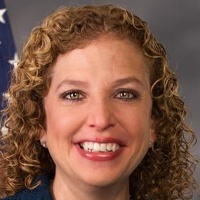
Debbie Wasserman Schultz
Representative
FL
Debbie Wasserman Schultz
Representative
FL
The Reducing Hereditary Cancer Act expands Medicare coverage for individuals with a family or personal history suggestive of hereditary cancer. This legislation mandates Medicare coverage for appropriate genetic testing and risk-reducing preventive surgeries. Furthermore, it allows for expanded, evidence-based cancer screenings for individuals already diagnosed with a hereditary cancer gene mutation.
This bill mandates a comprehensive study to investigate potential links between military rotary-wing operations and increased cancer prevalence or mortality among pilots and support personnel.
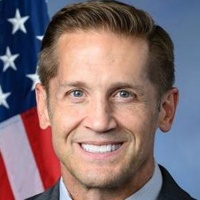
Rich McCormick
Representative
GA
Rich McCormick
Representative
GA
The ROTOR Act mandates a comprehensive study to investigate cancer prevalence and mortality rates among military rotary-wing pilots and aviation support personnel. This research, conducted by the Defense Health Agency in partnership with the NIH and NCI, will first compare cancer rates in these service members against the general population. If elevated rates are found, a second phase will seek to identify potential toxic exposures or environmental factors linked to helicopter operations that may be causing the increased risk.
This bill prohibits denying veterans' claims solely for missing a medical exam and mandates numerous improvements to VA claims processing, Board of Veterans Appeals efficiency, and quality assurance.
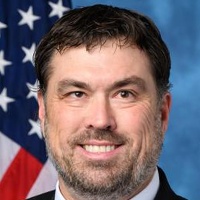
Morgan Luttrell
Representative
TX
Morgan Luttrell
Representative
TX
The Review Every Veterans Claim Act of 2025 aims to significantly improve the efficiency and fairness of the VA claims and appeals process. This bill prohibits the VA from denying a veteran's claim solely because they missed a medical examination and mandates comprehensive tracking and reporting on claim adjudication times. Furthermore, it introduces quality assurance programs, enhanced training for Board of Veterans' Appeals members, and new authority for the Board to aggregate related appeals.
The SAVES Act establishes a VA pilot program to award grants to nonprofits providing service dogs and veterinary insurance to eligible veterans managing specific service-connected conditions.
Morgan Luttrell
Representative
TX
Morgan Luttrell
Representative
TX
The SAVES Act establishes a Department of Veterans Affairs (VA) pilot program to award grants to nonprofit organizations that provide service dogs to eligible veterans. These grants, up to $\$2,000,000$ each, will fund the training and provision of service dogs for veterans with qualifying conditions like PTSD or TBI. The bill also extends the expiration date for certain limits on veterans' pension payments until February 2033.
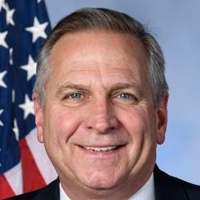
The Veterans’ ACCESS Act of 2025 improves veteran health care by establishing clear eligibility standards for community care, mandating timely mental health treatment, and streamlining administrative processes to ensure faster, more transparent access to services.
Mike Bost
Representative
IL
Mike Bost
Representative
IL
The Veterans’ ACCESS Act of 2025 strengthens the Veterans Community Care Program by establishing clear, enforceable standards for care eligibility and wait times while streamlining the referral process. The legislation also overhauls access to residential mental health and substance abuse treatment, ensuring veterans receive timely, localized care with robust oversight. Additionally, it mandates the development of digital tools and pilot programs to reduce bureaucratic hurdles and improve transparency across the VA healthcare system.
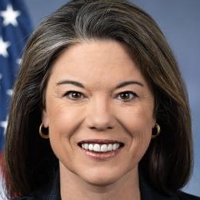
The Supporting Apprenticeship Colleges Act of 2025 establishes grant programs to boost outreach for construction and manufacturing apprenticeships and to fund academic advising and student support services for apprentices in those fields.
Angie Craig
Representative
MN
Angie Craig
Representative
MN
The Supporting Apprenticeship Colleges Act of 2025 establishes two grant programs totaling \$10 million annually to boost construction and manufacturing apprenticeships. The first program funds community outreach to recruit students and connect programs with local employers, particularly in rural areas. The second program provides funds for expanded academic advising and student support services to improve program retention and completion rates. The Act also formally defines specialized apprenticeship colleges and sets reporting requirements for grant recipients.
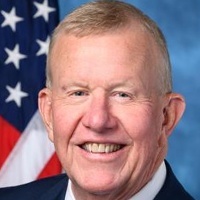
The Port Crane Tax Credit Act of 2025 establishes new federal tax credits to incentivize the domestic manufacturing and investment in facilities for building U.S.-made port cranes.
Mike Ezell
Representative
MS
Mike Ezell
Representative
MS
The Port Crane Tax Credit Act of 2025 establishes new federal tax incentives to bolster the domestic manufacturing of port cranes. It introduces a 25% investment tax credit for building or equipping U.S. facilities dedicated to crane production. Additionally, the bill creates a production credit for manufacturers selling qualifying U.S.-made port cranes, with higher rates for those using significant domestic components. Both credits offer flexible options for businesses, including transferability and elective payment.
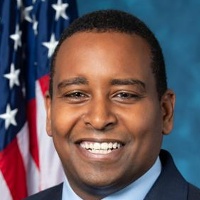
Ally's Act mandates that certain private health insurance plans must cover auditory implant devices, related services, and upgrades for qualifying individuals without imposing stricter cost-sharing or treatment limitations than other medical benefits.
Joe Neguse
Representative
CO
Joe Neguse
Representative
CO
The Ally's Act mandates that certain private health insurance plans must cover auditory implant devices, related supplies, and necessary services for qualifying individuals. This coverage must be comparable to other medical and surgical benefits regarding cost-sharing and treatment limitations. Furthermore, plans cannot deny coverage if a physician or qualified audiologist determines the required hearing items or services are medically necessary. These new requirements take effect for plan years beginning on or after January 1, 2026.
This Act establishes a competitive grant program to fund career pathway training for the forestry workforce in eligible low-income rural areas.
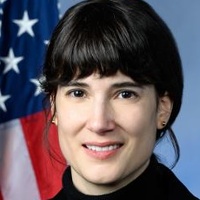
Marie Gluesenkamp Perez
Representative
WA
Marie Gluesenkamp Perez
Representative
WA
The Jobs in the Woods Act establishes a new competitive grant program administered by the Secretary of Agriculture to fund career pathway training in forestry. These grants aim to support workforce development in eligible rural areas by focusing on forestry operations and product processing industries. Priority will be given to programs that address aging workforces, retain young residents, and partner with educational institutions. Funding is authorized from Fiscal Year 2026 through 2030.
The NOPAIN for Veterans Act mandates the Department of Veterans Affairs to promptly add specific non-opioid pain medications to its National Formulary.
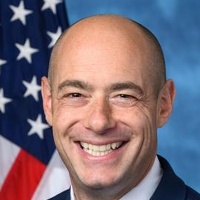
Greg Landsman
Representative
OH
Greg Landsman
Representative
OH
The NOPAIN for Veterans Act mandates that the Department of Veterans Affairs (VA) must promptly add specific, FDA-approved non-opioid pain medications to its National Formulary. This ensures veterans have access to alternative pain management options that do not rely on opioids. The VA is required to implement these changes within 90 days of the Act becoming law.
This Act mandates that electronic communication and remote computing service providers must report actual knowledge of illegal online activity involving fentanyl, methamphetamine, or counterfeit prescription drugs to the Attorney General within 60 days.
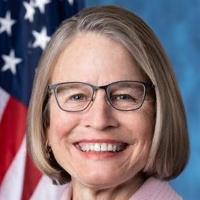
Mariannette Miller-Meeks
Representative
IA
Mariannette Miller-Meeks
Representative
IA
The Cooper Davis and Devin Norring Act mandates that electronic communication and remote computing service providers must report to the Attorney General within 60 days upon gaining actual knowledge of illegal activity involving fentanyl, methamphetamine, or counterfeit prescription drugs. This legislation outlines specific reporting requirements, penalties for non-compliance, and privacy protections that limit monitoring and data retention. The Act also requires the Attorney General to issue an annual public report detailing the statistics of these reports.
This Act prohibits the District of Columbia from establishing or maintaining Sister City relationships with foreign adversary nations and restricts the use of federal funds for related outreach without certification of compliance.

John Moolenaar
Representative
MI
John Moolenaar
Representative
MI
The District of Columbia Sister City Integrity Act prohibits the District from establishing new Sister City relationships with any city or region located in a country designated as a foreign adversary. Existing partnerships with such nations must be terminated within 180 days or upon the agreement's expiration. Furthermore, the District cannot use federal funds for international liaison services without certifying compliance with this Act to the President.
This Act extends funding allocation rules for sport fish restoration, removes spending caps for the Interstate Fisheries Commission, prioritizes alternative fuel infrastructure for recreational boating, and reduces the excise tax on portable, electronically-aerated bait containers.

Debbie Dingell
Representative
MI
Debbie Dingell
Representative
MI
The Sport Fish Restoration, Recreational Boating Safety, and Wildlife Restoration Act of 2025 extends the timeline for current Sport Fish Restoration funding allocation rules until 2031 and removes the spending cap for Interstate Fisheries Commission activities. The bill also updates boating infrastructure priorities to specifically include funding for alternative marine fuel facilities for larger vessels. Finally, it significantly reduces the federal excise tax rate on portable, electronically-aerated bait containers from 10 percent to 3 percent.
This resolution formally condemns the violent attack on the U.S. Border Patrol facility in McAllen, Texas, on July 7, 2025, while expressing support for law enforcement personnel.
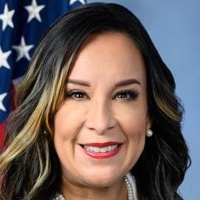
Mónica De La Cruz
Representative
TX
Mónica De La Cruz
Representative
TX
This resolution formally condemns the violent attack on the U.S. Border Patrol facility in McAllen, Texas, on July 7, 2025. It expresses support for the injured agents and reaffirms Congress's strong backing for the dedicated men and women of the Border Patrol. The bill emphasizes that such violence against law enforcement is unacceptable and undermines national security efforts.
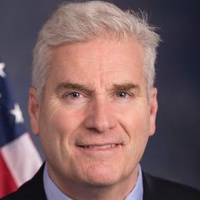
This Act mandates that VA medical staff promptly certify the deaths of veterans who died from natural causes within 48 hours to expedite burial and survivor benefits.
Tom Emmer
Representative
MN
Tom Emmer
Representative
MN
The Veteran Burial Timeliness and Death Certificate Accountability Act addresses significant delays in obtaining death certificates for veterans who die from natural causes, often due to VA medical staff delays. This bill mandates that VA medical providers must certify a veteran's death within 48 hours or allow the local medical examiner to step in. Furthermore, the VA must annually report on its compliance with this new timely certification requirement.
This Act establishes a pilot program to fund state-level nursing workforce centers to collect data, analyze workforce needs, and develop strategies to address nursing shortages.

Young Kim
Representative
CA
Young Kim
Representative
CA
The National Nursing Workforce Center Act of 2025 establishes a new two-year pilot program to fund and evaluate state-based nursing workforce centers through competitive grants. These centers will focus on critical statewide activities like data analysis, studying nursing education capacity, and developing strategies to recruit and retain nurses. The bill also expands existing health workforce analysis grants to ensure dedicated funding and technical assistance for nursing-focused research and evaluation.
The DIGNIDAD Act of 2025 comprehensively overhauls U.S. immigration policy by simultaneously increasing border security, establishing new pathways to legal status for certain long-term residents, mandating E-Verify for all employers, and reforming asylum and employment visa processes.

Maria Salazar
Representative
FL
Maria Salazar
Representative
FL
The DIGNIDAD Act of 2025 is a comprehensive bill that significantly overhauls U.S. immigration policy across five major divisions. Division A focuses on aggressive border security enhancements, infrastructure modernization, and increased criminal penalties for immigration offenses, while Division B establishes pathways to legal status for long-term residents who entered as children and creates a temporary protection program for others. Finally, Division C aims to improve legal immigration by reducing green card backlogs, streamlining employment and student visas, and providing new discretionary relief for family separation cases.
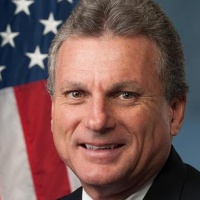
The PBM Reform Act of 2025 mandates sweeping changes to increase transparency, ensure fair pharmacy access in Medicare, and prohibit abusive spread pricing in Medicaid by holding Pharmacy Benefit Managers accountable for their financial dealings.
Earl Carter
Representative
GA
Earl Carter
Representative
GA
The Pharmacy Benefit Manager Reform Act of 2025 aims to increase transparency and accountability across the prescription drug supply chain. It mandates fairer pharmacy network access for Medicare beneficiaries and imposes strict new financial reporting and service fee requirements on Pharmacy Benefit Managers (PBMs) working with Medicare and private health plans. Furthermore, the bill establishes new federal mechanisms to accurately track drug acquisition costs in Medicaid and explicitly bans the practice of "spread pricing" in state Medicaid contracts.
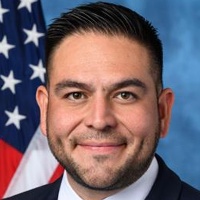
This bill lowers the distance threshold for TRICARE travel reimbursement for specialty care from 100 miles to 50 miles for military retirees and their dependents.
Gabriel (Gabe) Vasquez
Representative
NM
Gabriel (Gabe) Vasquez
Representative
NM
The TRICARE Travel Improvement Act lowers the distance requirement for military families to receive reimbursement for travel expenses when seeking specialty medical care. This bill mandates that the Department of Defense must now cover travel costs if a specialist is more than 50 miles away, down from the previous 100-mile threshold. This updated reimbursement rule specifically applies to military retirees and their dependents.
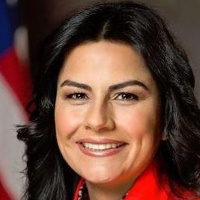
This resolution supports Alzheimer's and Brain Awareness Month by urging the public to learn about, advocate for research on, and support those affected by Alzheimer's disease and related dementias.
Nanette Barragán
Representative
CA
Nanette Barragán
Representative
CA
This resolution supports the goals of Alzheimer's and Brain Awareness Month by recognizing the significant national impact of Alzheimer's disease on health, finances, and caregivers. It highlights the urgent need to address the growing crisis, including disparities in risk and diagnosis among different populations. The resolution encourages the public to get informed, advocate for increased research and support services, and offer assistance to those affected by the disease.