
Legislative Activity
Track Amy's sponsored bills, co-sponsored legislation, and voting record
This resolution celebrates Black History Month by recognizing the history, acknowledging the injustices, and commemorating the profound contributions of African Americans to the United States.
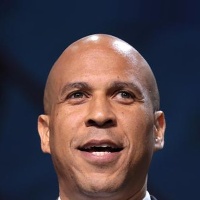
Cory Booker
Senator
NJ
Cory Booker
Senator
NJ
This resolution celebrates Black History Month by recognizing the profound history and enduring contributions of African Americans to the United States. It acknowledges past injustices while honoring the achievements across all fields that have shaped the nation. The resolution encourages continued reflection and unity as we move forward with liberty and justice for all.
The ROTOR Act reforms transparency and oversight for rotorcraft operations by narrowing exceptions to ADS-B Out requirements, mandating ADS-B In installation on certain aircraft, and establishing new FAA-DOD safety coordination and reporting mechanisms.
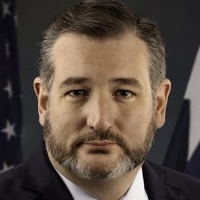
Ted Cruz
Senator
TX
Ted Cruz
Senator
TX
The ROTOR Act focuses on enhancing aviation safety and transparency, primarily by reforming exceptions that allow aircraft to disable their ADS-B Out tracking systems. It mandates that the FAA require most aircraft to install and use ADS-B In technology for improved situational awareness. Furthermore, the bill establishes new coordination offices and requires comprehensive safety reviews of airspace operations, particularly around major airports, involving both civil and military aviation.
The Railway Safety Act of 2026 enhances freight rail safety and hazardous materials emergency preparedness through stricter operational standards, increased oversight, and improved funding for local first responders.
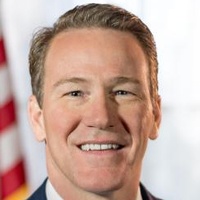
Jon Husted
Senator
OH
Jon Husted
Senator
OH
The Railway Safety Act of 2026 enhances national rail safety by mandating stricter operational standards, advanced defect detection technology, and more frequent equipment inspections for freight trains. Additionally, the legislation strengthens emergency preparedness by establishing new funding streams, improved training, and a reimbursement program to support local communities in responding to hazardous material incidents.
The American Homeownership Act disincentivizes large-scale corporate investment in residential real estate by restricting tax deductions and federal financing for institutional investors, while reinvesting those savings into affordable housing construction and first-generation homebuyer assistance.

Elizabeth Warren
Senator
MA
Elizabeth Warren
Senator
MA
The American Homeownership Act aims to increase housing affordability by restricting tax incentives for large-scale corporate investors and prohibiting federal agencies from financing their real estate acquisitions. The bill redirects savings from these tax changes to fund affordable housing construction and provide down payment assistance to first-generation homebuyers. Additionally, it strengthens antitrust oversight to prevent excessive market concentration in the residential real estate sector.
The **BE HEARD in the Workplace Act** comprehensively strengthens federal anti-discrimination laws, mandates new employer policies and training, phases out the tipped minimum wage, and establishes nationwide grant programs to support worker rights and legal assistance.
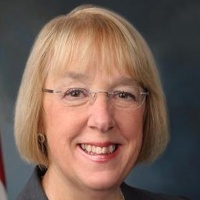
Patty Murray
Senator
WA
Patty Murray
Senator
WA
The **BE HEARD in the Workplace Act** comprehensively strengthens federal workplace protections by requiring new anti-discrimination policies, expanding legal rights for employees, and phasing out the tipped minimum wage. It aims to prevent harassment through mandated training, broadens protections to nearly all workers, and restricts employers' use of secrecy agreements. The Act also establishes grants to increase access to legal aid and worker advocacy nationwide.
This Act establishes an independent expert panel to review the FAA's Safety Management System (SMS) and mandates the FAA to act upon the panel's findings and report progress to Congress.

Maria Cantwell
Senator
WA
Maria Cantwell
Senator
WA
The FAA SMS Compliance Review Act of 2026 establishes an independent expert panel to conduct a comprehensive review of the Federal Aviation Administration's (FAA) Safety Management System (SMS). This panel will assess the SMS's effectiveness, compliance, and integration across the agency. The FAA Administrator is required to act on the panel's findings and report progress on implementation to Congress.
The Healthy Families Act establishes a national standard requiring most employers to provide employees with earned paid sick time for personal or family health needs, domestic violence, sexual assault, or stalking.
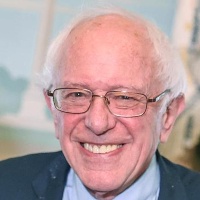
Bernard Sanders
Senator
VT
Bernard Sanders
Senator
VT
The Healthy Families Act establishes a national standard requiring most employers to provide employees with earned paid sick time, accruing at a rate of one hour for every 30 hours worked. This protected leave can be used for the employee's or a family member's illness, medical care, or for reasons related to domestic violence, sexual assault, or stalking. The Act strictly prohibits employers from retaliating against employees for using or requesting this time and mandates clear notice requirements regarding these new rights.
This bill mandates a comprehensive report and public index of all federal criminal statutory and regulatory offenses, including prosecution data and *mens rea* requirements.
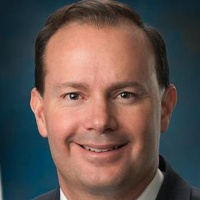
Mike Lee
Senator
UT
Mike Lee
Senator
UT
The Count the Crimes to Cut Act mandates a comprehensive accounting of all federal criminal offenses, both statutory and regulatory. It requires the Attorney General and numerous federal agencies to report detailed information on these crimes, including penalties and prosecution history. Finally, the bill mandates the creation of public, online indexes for all identified criminal offenses.
This resolution condemns the Government of Iran for its violent suppression of peaceful protests and widespread human rights abuses against its citizens.
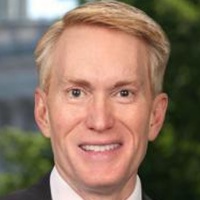
James Lankford
Senator
OK
James Lankford
Senator
OK
This resolution strongly condemns the Government of Iran for its violent suppression of peaceful protests and widespread human rights abuses against its citizens. It highlights the regime's use of deadly force, internet blackouts, and severe persecution in response to demonstrations sparked by economic hardship. The resolution commends the courage of the Iranian people and calls for free and fair elections.
This resolution recognizes January 2026 as National Mentoring Month to raise awareness, recruit mentors, and promote quality mentoring programs for youth across the United States.
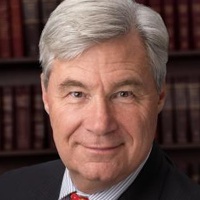
Sheldon Whitehouse
Senator
RI
Sheldon Whitehouse
Senator
RI
This resolution officially recognizes January 2026 as National Mentoring Month to raise awareness and encourage the expansion of quality mentoring programs nationwide. It highlights the significant benefits mentoring provides for youth development, academic success, and community strength. The bill also acknowledges the vital role of volunteer mentors and supports efforts to close the gap for the millions of young people currently without one.
This resolution designates the week beginning February 2, 2026, as "National Tribal Colleges and Universities Week" to encourage support and celebration of these institutions.
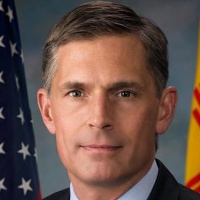
Martin Heinrich
Senator
NM
Martin Heinrich
Senator
NM
This resolution officially designates the week beginning February 2, 2026, as "National Tribal Colleges and Universities Week." It encourages the nation to observe this week with activities that celebrate and demonstrate support for the vital contributions of Tribal Colleges and Universities.
This resolution authorizes legal action against the President and Department of Justice for failing to comply with the mandated release of Epstein-related records under Public Law 11938.
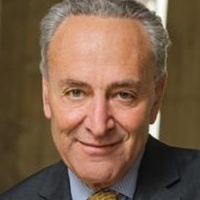
Charles Schumer
Senator
NY
Charles Schumer
Senator
NY
This resolution authorizes the Senate Majority Leader to initiate litigation against the President and Department of Justice officials for failing to comply with the bipartisan mandate of Public Law 11938 regarding the release of Epstein-related records. It specifically addresses the DOJ's insufficient document production, improper redactions, and failure to meet the statutory deadline. The measure directs the Senate to legally challenge these actions to ensure full compliance with the law.
The GUARD Act allows federal grant funds to be used by state and local agencies to investigate elder financial fraud, "pig butchering," and general financial fraud, while also mandating comprehensive federal reports on these scams.
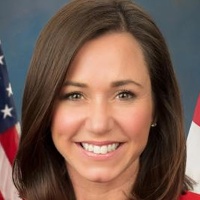
Katie Britt
Senator
AL
Katie Britt
Senator
AL
The GUARD Act aims to combat financial fraud targeting seniors and others by allowing law enforcement to use specific federal grant funds to investigate elder financial fraud, "pig butchering," and general financial fraud. The bill also mandates comprehensive reports from the Treasury Department and FinCEN detailing the scope of these scams and federal enforcement efforts. Furthermore, it permits federal agencies to assist local law enforcement with advanced blockchain tracing tools.
This Act significantly strengthens federal efforts to combat money laundering, terrorist financing, and counterfeiting by increasing penalties, expanding investigative authority, and closing loopholes in financial crime statutes.
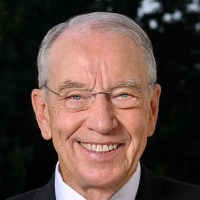
Charles Grassley
Senator
IA
Charles Grassley
Senator
IA
The Combating Money Laundering, Terrorist Financing, and Counterfeiting Act of 2026 significantly strengthens federal efforts against illicit finance. This bill increases penalties for bulk cash smuggling, expands the scope of money laundering statutes to cover commingled funds and informal value transfer systems like hawalas, and enhances investigative tools like wiretap authority. Furthermore, it explicitly targets the use of remittances for criminal financing and strengthens laws against counterfeiting equipment.
This resolution recognizes the 15th anniversary of the January 8, 2011, Tucson shooting, honoring the victims, survivors, and the ongoing courage of former Congresswoman Gabby Giffords in the fight against gun violence.

Kirsten Gillibrand
Senator
NY
Kirsten Gillibrand
Senator
NY
This concurrent resolution commemorates the 15th anniversary of the tragic January 8, 2011, Tucson, Arizona, shooting. It honors the six individuals who lost their lives and recognizes the survivors, including former Congresswoman Gabby Giffords. The resolution reaffirms the importance of civility in democracy and Congress's dedication to preventing gun violence.
This Act prohibits online platforms from displaying fraudulent paid advertisements unless they implement strict identity verification and scam detection procedures, while also allowing for FTC enforcement and private lawsuits.
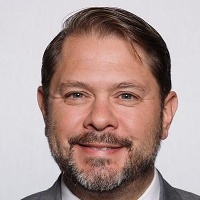
Ruben Gallego
Senator
AZ
Ruben Gallego
Senator
AZ
The Safeguarding Consumers from Advertising Misconduct Act (SCAM Act) holds online platforms accountable for displaying fraudulent or deceptive paid advertisements. It mandates that platforms implement strict advertiser verification and robust detection systems to prevent scams. The bill empowers the FTC, state attorneys general, and private citizens to enforce these new standards against platforms that fail to take reasonable steps to stop advertising misconduct.
This resolution designates the week of February 2 through 6, 2026, as National School Counseling Week to recognize the vital role school counselors play in student development and success.
Patty Murray
Senator
WA
Patty Murray
Senator
WA
This resolution officially designates the week of February 2 through 6, 2026, as "National School Counseling Week." It recognizes the vital role school counselors play in supporting students' academic, social-emotional, and career development. The measure aims to increase public awareness of the essential services school counselors provide despite often facing high student-to-counselor ratios.
The SAF Act extends the clean fuel production tax credit and reinstates a higher credit rate specifically for sustainable aviation fuel.
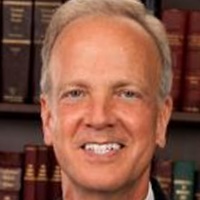
Jerry Moran
Senator
KS
Jerry Moran
Senator
KS
The Securing America's Fuels Act (SAF Act) extends the clean fuel production tax credit through 2033. This legislation specifically reinstates and increases the tax credit rate for sustainable aviation fuel (SAF) produced at facilities that capture or sequester carbon. The bill also establishes a clear definition for what qualifies as sustainable aviation fuel for the purpose of this credit.
This Act establishes a tiered tax on large investors purchasing single-family homes, with revenues dedicated to increasing funding for the Housing Trust Fund and the Capital Magnet Fund.
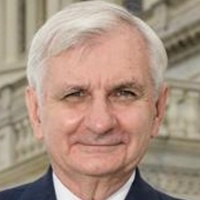
John Reed
Senator
RI
John Reed
Senator
RI
The Affordable Housing and Homeownership Protection Act of 2026 establishes a tiered tax on large investors who purchase single-family homes. Revenues generated from this tax will be allocated to bolster the Housing Trust Fund and the Capital Magnet Fund. Additionally, the bill modifies the minimum funding formula for small states within the Housing Trust Fund.
This bill amends Medicare to reimburse ambulance services for on-scene care even when patient transportation does not occur, beginning in 2027.
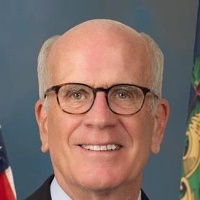
Peter Welch
Senator
VT
Peter Welch
Senator
VT
This act ensures that Medicare will reimburse qualified providers for essential on-scene emergency medical services, even when patient transportation is not required. This change takes effect starting in 2027. The reimbursement rate for these non-transport services will be comparable to what is paid for transport services.