
Legislative Activity
Track Mike's sponsored bills, co-sponsored legislation, and voting record
Partisan Hack-O-Meter
This Act establishes a national policy to achieve dominance in hardrock mineral production by analyzing import reliance, expediting domestic mining projects on federal lands, and reviewing burdensome regulations.
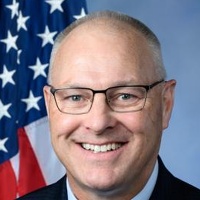
Pete Stauber
Representative
MN
Pete Stauber
Representative
MN
The Critical Mineral Dominance Act establishes a national policy to make the U.S. the world's leading producer of hardrock minerals to strengthen supply chains and national security. The bill mandates economic impact reports on mineral import reliance and directs the expedited approval of priority mining projects on federal lands. Furthermore, it requires identifying all federal lands with hardrock mineral potential and reviewing regulations that impede domestic mining development.
This resolution establishes the House procedures for considering a fiscal year 2026 appropriations bill, a joint resolution disapproving a D.C. tax act, and a bill codifying domestic mining executive orders.
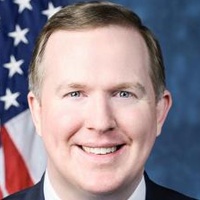
Brian Jack
Representative
GA
Brian Jack
Representative
GA
This resolution establishes the House procedures for considering three specific legislative items. It sets the rules for voting on Senate amendments to a fiscal year 2026 consolidated appropriations bill. Additionally, it outlines the process for the House to vote on disapproving a temporary D.C. tax law and for considering a bill to codify executive orders related to domestic hardrock mineral resources.
This act ensures that a veteran's pension, awarded before death but paid after, goes to their surviving family or estate according to a specified order of priority.
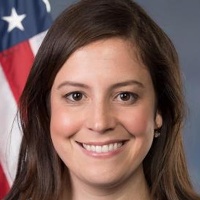
Elise Stefanik
Representative
NY
Elise Stefanik
Representative
NY
The Ernest Peltz Accrued Veterans Benefits Act establishes a clear process for paying a veteran's pension that was awarded by the VA before their death but issued afterward. This legislation prioritizes payment to the veteran's spouse, children, or dependent parents before the estate. The bill also makes a minor extension to the expiration date of certain existing pension payment restrictions.
This massive legislative package appropriates funding across the federal government for Fiscal Year 2026, covering everything from defense and education to transportation and health programs, while setting numerous policy conditions on spending.
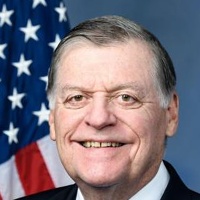
Tom Cole
Representative
OK
Tom Cole
Representative
OK
The **Consolidated Appropriations Act, 2026** is a massive, multi-division bill funding nearly all non-defense and defense operations of the federal government for Fiscal Year 2026. It allocates hundreds of billions for the Department of Defense, while also funding the Departments of Labor, HHS, Education, Transportation, HUD, State, and Treasury. The legislation sets specific spending levels, extends numerous existing health and trade programs, and imposes detailed policy restrictions and oversight requirements across all funded agencies.
This bill modernizes veteran readiness and employment benefits by allowing non-degree flight training, streamlining counseling requirements, improving outreach, and setting deadlines for program extension decisions.
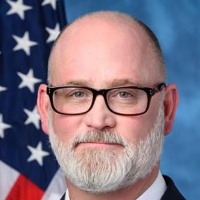
Derrick Van Orden
Representative
WI
Derrick Van Orden
Representative
WI
The Veterans Readiness and Employment Improvement Act of 2025 streamlines VA counseling requirements and expands vocational rehabilitation options for disabled veterans by allowing approval of non-degree flight training. The bill also enhances the Veteran Readiness and Employment (VRE) program by establishing dedicated contact points and mandating timely 30-day decisions on program extension requests. Finally, it includes a minor extension of certain pension payment limits.
This massive omnibus bill funds the Commerce, Justice, Science, Energy, Interior, and Environmental Protection agencies for Fiscal Year 2026, covering everything from NASA research and DOJ operations to water infrastructure and wildfire management.
Tom Cole
Representative
OK
Tom Cole
Representative
OK
This omnibus legislation provides fiscal year 2026 funding for key federal departments including Commerce, Justice, Science, Interior, and Energy, alongside related agencies. It allocates billions for law enforcement, scientific research (NASA/NSF), infrastructure projects (water/energy), and public land management. The bill also imposes numerous spending restrictions, oversight requirements, and policy directives across all funded agencies.
This bill mandates the removal of U.S. Armed Forces from Venezuela unless explicitly authorized by Congress.
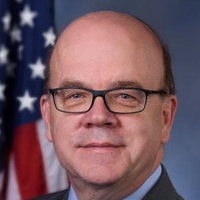
James McGovern
Representative
MA
James McGovern
Representative
MA
This bill mandates the President to withdraw all United States Armed Forces from Venezuela. This action is required unless Congress has formally declared war or passed specific legislation authorizing the use of military force in that country.
This act requires colleges and universities to inform students about their rights, accommodations, and resources available if they choose to carry a pregnancy to term.
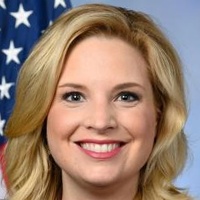
Ashley Hinson
Representative
IA
Ashley Hinson
Representative
IA
The Pregnant Students' Rights Act mandates that colleges and universities inform students about their rights, available accommodations, and resources supporting pregnant students who choose to carry their babies to term. Institutions must proactively share this information annually via email, handbooks, and on their websites. This ensures students are aware of support options and complaint procedures related to Title IX protections.
This resolution establishes the expedited and restricted procedural rules for the House to consider and vote on a consolidated fiscal year 2026 appropriations bill.
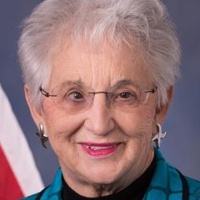
Virginia Foxx
Representative
NC
Virginia Foxx
Representative
NC
This resolution establishes the specific procedural rules for the House of Representatives to consider and vote on consolidated appropriations bills for Fiscal Year 2026 (H.R. 7148 and H.R. 7147). It limits debate, pre-approves certain amendments, and streamlines the process for passing the necessary funding legislation. The measure also includes technical instructions for combining the text of several bills into the final engrossed version of H.R. 7148.
This bill allows states to use TANF funds to support pregnancy centers that offer resources to expectant and parenting families.
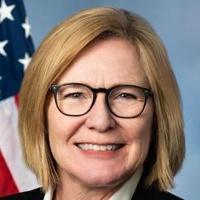
Michelle Fischbach
Representative
MN
Michelle Fischbach
Representative
MN
The Supporting Pregnant and Parenting Women and Families Act aims to ensure states can use Temporary Assistance for Needy Families (TANF) funds to support pregnancy centers. This legislation specifically defines pregnancy centers as organizations that promote the life of the mother and unborn child while offering various resources and services to expecting and new parents.
This resolution sets the expedited House procedures for considering bills related to state funding for pregnancy centers and student rights, alongside a joint resolution disapproving a Bureau of Land Management land withdrawal rule in Minnesota.
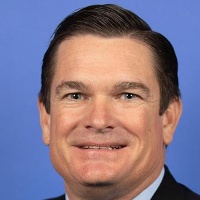
Austin Scott
Representative
GA
Austin Scott
Representative
GA
This resolution establishes the special rules and debate procedures for the House of Representatives to consider three separate items. These items include a bill clarifying state use of funds for pregnancy centers, a bill requiring colleges to inform pregnant students of their rights, and a joint resolution disapproving a Bureau of Land Management land withdrawal rule in Minnesota. The resolution waives most procedural objections to expedite the consideration and voting process for all three measures.
This act mandates that Small Business Development Centers assist small businesses in evaluating and implementing artificial intelligence for their operations.
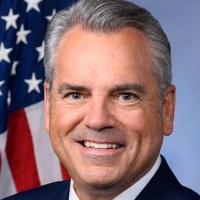
Mark Alford
Representative
MO
Mark Alford
Representative
MO
The AI for Main Street Act directs Small Business Development Centers (SBDCs) to assist small businesses in evaluating and implementing artificial intelligence in their operations. This support includes providing guidance, training on best practices, and outreach regarding AI use for planning, security, and compliance. The bill also formally defines artificial intelligence within the Small Business Act.
This bill modifies the Small Business Investment Act to change the eligibility criteria for business facility acquisition, construction, conversion, or expansion loans.
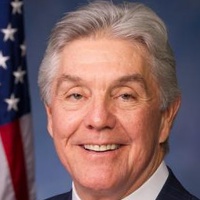
Roger Williams
Representative
TX
Roger Williams
Representative
TX
The Main Street Parity Act modifies the criteria for Small Business Investment Act loans used for acquiring, building, or expanding business facilities. Specifically, it removes certain restrictive clauses related to facility loan eligibility under Section 502(3)(C). This aims to streamline or broaden the requirements for small businesses seeking capital for physical expansion.
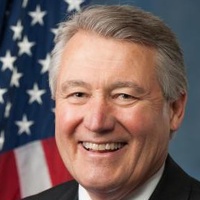
This comprehensive bill modifies retirement savings rules to increase contribution limits, restricts investment decisions in retirement plans to financial factors, prohibits discrimination in federal benefits, and mandates greater fee and investment transparency for savers.
Rick Allen
Representative
GA
Rick Allen
Representative
GA
This comprehensive bill focuses on strengthening retirement security through several key areas. It enhances savings opportunities by increasing catch-up contributions for older workers and expanding access to workplace plans. Furthermore, it aims to protect retirement assets by requiring investment decisions to prioritize financial returns and mandating greater fee transparency for savers. Finally, it promotes fairness by prohibiting discrimination in federal benefits administration and service provider selection.
This comprehensive appropriations bill funds the Treasury Department, the Executive Office of the President, the Judiciary, the District of Columbia, and various independent agencies, while also allocating significant resources for State Department operations and international security and economic assistance.
Tom Cole
Representative
OK
Tom Cole
Representative
OK
This comprehensive appropriations bill funds the federal government for Fiscal Year 2026 across three major divisions: Financial Services/General Government, National Security/State Department, and other related programs. It allocates billions for the Treasury Department, the Judiciary, the Executive Office of the President, and extensive foreign aid, while imposing numerous spending restrictions and oversight requirements across all funded agencies. The legislation directs resources toward domestic financial enforcement, international diplomacy, global health, and security assistance, all subject to specific policy conditions.
This bill establishes expedited procedures for the House to consider and pass a consolidated appropriations bill for fiscal year 2026.
Virginia Foxx
Representative
NC
Virginia Foxx
Representative
NC
This bill establishes special, expedited procedures for the House to consider and pass a specific consolidated appropriations bill for Fiscal Year 2026 (H.R. 7006). It significantly limits debate time and restricts amendments to only those pre-approved and printed by the Rules Committee. The process is designed to quickly move the major spending bill to a final vote.
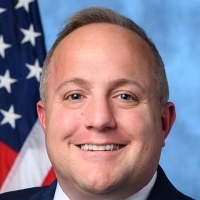
This bill redefines "showerhead" based on industry standards and excludes safety showerheads, aiming to reduce homeowner overregulation.
Russell Fry
Representative
SC
Russell Fry
Representative
SC
The SHOWER Act revises the federal definition of a "showerhead" to align with the current industry standard, ASME A112.18.1/2024. This legislation specifically excludes safety shower showerheads from the federal definition. The Secretary of Energy is mandated to update federal regulations to reflect this change within 180 days of enactment.
This act amends the Fair Labor Standards Act to exclude certain voluntary training time and specific changing/washing time from the calculation of "hours worked" for minimum wage and overtime purposes.
Ashley Hinson
Representative
IA
Ashley Hinson
Representative
IA
The Flexibility for Workers Education Act amends the Fair Labor Standards Act to clarify which time is excluded from "hours worked" for minimum wage and overtime calculations. Specifically, it excludes time spent changing clothes or washing if covered by a collective-bargaining agreement. The bill also excludes time spent attending voluntary, non-work-related educational or training activities that occur outside of regular hours.
This resolution establishes special rules for the House to debate and vote on five specific bills concerning ERISA, FLSA, and NLRA employment standards.
Michelle Fischbach
Representative
MN
Michelle Fischbach
Representative
MN
This resolution establishes the rules for considering five separate bills related to labor and retirement law in the House of Representatives. The measures address topics including fiduciary duties under ERISA, defining hours worked under the Fair Labor Standards Act (FLSA), overtime calculations, the definition of a "tipped employee," and clarifying joint employer status. The resolution waives procedural objections to allow for expedited debate and votes on these bills.
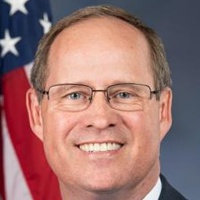
This bill extends special trade benefits for Haiti under the Caribbean Basin Economic Recovery Act until 2028 and retroactively restores duty-free treatment for certain eligible goods.
Gregory Murphy
Representative
NC
Gregory Murphy
Representative
NC
This bill extends special duty-free trade benefits for Haiti under the Caribbean Basin Economic Recovery Act until December 31, 2028. It also restores preferential treatment for certain Caribbean goods that previously lost eligibility due to tariff schedule changes. Furthermore, the Act allows for the retroactive application of duty-free treatment for qualifying Haitian goods imported after September 30, 2025, pending importer requests.