
Legislative Activity
Track Mike's sponsored bills, co-sponsored legislation, and voting record
Partisan Hack-O-Meter
This bill extends the Social Security Administration’s authority to conduct disability insurance demonstration projects through 2031 while implementing new participant income protections and enhanced oversight requirements.
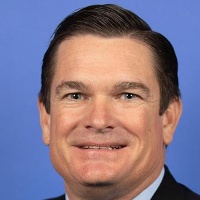
Austin Scott
Representative
GA
Austin Scott
Representative
GA
The Removing Barriers to Work for Disabled Americans Act extends the Social Security Administration’s authority to conduct disability insurance demonstration projects through 2031. This legislation enhances participant protections by ensuring no reduction in income for those involved in these projects and strengthens oversight through updated waiver requirements and evaluation metrics.
This bill directs the President to remove U.S. Armed Forces from hostilities against Iran unless Congress has declared war or specifically authorized the use of military force.
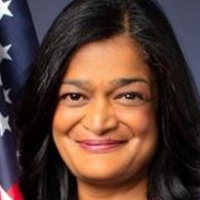
Pramila Jayapal
Representative
WA
Pramila Jayapal
Representative
WA
This bill directs the President to remove U.S. Armed Forces from hostilities against Iran unless Congress has explicitly declared war or authorized the use of military force. It preserves the right of the U.S. to defend against imminent attacks and ensures that intelligence-sharing activities remain unaffected. The resolution clarifies that it does not serve as an authorization for the use of military force.
This resolution establishes a 10-year federal budget blueprint for fiscal years 2027 through 2036, outlining spending priorities, deficit projections, and procedural rules for legislative reconciliation.
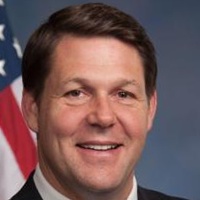
Jodey Arrington
Representative
TX
Jodey Arrington
Representative
TX
This resolution establishes a 10-year federal budget blueprint for fiscal years 2027 through 2036, projecting continued annual deficits and a rising national debt. It sets spending limits across major government sectors while utilizing reconciliation procedures to fast-track legislative changes in key areas like defense and agriculture. Additionally, the bill implements enforcement rules to manage discretionary spending and provides mechanisms for emergency funding adjustments.
This bill restricts stock trading by Members of Congress and their families while establishing new federal requirements for voters to provide photo identification in federal elections.
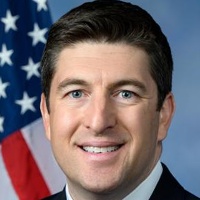
Bryan Steil
Representative
WI
Bryan Steil
Representative
WI
The Stop Insider Trading Act restricts Members of Congress, their spouses, and dependent children from purchasing or selling individual stocks to prevent conflicts of interest. Additionally, the bill mandates that voters provide valid photo identification when voting in person or by mail in federal elections.
The National Defense Authorization Act for Fiscal Year 2027 authorizes funding and sets policy for Department of Defense programs, military personnel, and national security activities while implementing new requirements for voter registration and identification.
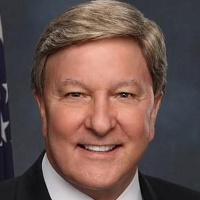
Mike Rogers
Representative
AL
Mike Rogers
Representative
AL
The National Defense Authorization Act for Fiscal Year 2027 authorizes funding and sets policy for Department of Defense activities, military personnel, and national security programs. It prioritizes defense industrial base readiness, emerging technology development, and infrastructure improvements while establishing new requirements for contractor accountability and supply chain security. Additionally, the legislation includes the "SAVE America Act," which mandates documentary proof of citizenship for federal voter registration and requires photo identification for voting in federal elections.
The Continuing Appropriations Act, 2027, provides temporary funding for federal government operations and projects at fiscal year 2026 levels through December 4, 2026.
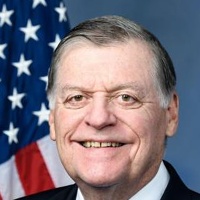
Tom Cole
Representative
OK
Tom Cole
Representative
OK
The Continuing Appropriations Act, 2027, provides temporary funding to maintain federal government operations through December 4, 2026. This legislation extends fiscal year 2026 funding levels and authorities for federal departments and agencies to prevent a government shutdown. It also includes specific provisions for mandatory payments, disaster relief, and targeted operational adjustments for various federal programs.
The Main Street Act aims to foster economic growth by reducing regulatory burdens on community banks, streamlining the application and merger processes, and enhancing transparency in financial supervision.
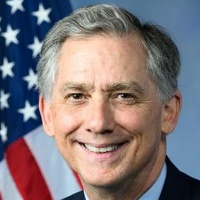
J. Hill
Representative
AR
J. Hill
Representative
AR
The Main Street Act is comprehensive legislation designed to foster a more competitive and accessible banking environment by reducing regulatory burdens on community banks and credit unions. The bill streamlines application processes, modernizes supervision standards, and enhances transparency across federal financial agencies to encourage local lending and economic growth. Additionally, it promotes innovation and financial stability by facilitating bank-fintech partnerships and improving the tools available for managing liquidity and bank resolutions.
This resolution establishes the legislative procedures for House consideration of the FY2027 National Defense Authorization Act, the FY2027 budget resolution, continuing appropriations, and bills concerning congressional stock restrictions, disability insurance, and federal banking laws.
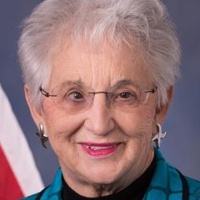
Virginia Foxx
Representative
NC
Virginia Foxx
Representative
NC
This resolution establishes the procedural framework for the House of Representatives to consider several key pieces of legislation, including the FY2027 National Defense Authorization Act, the federal budget resolution, and a stopgap funding measure. It also sets terms for debating bills regarding Social Security disability insurance, congressional stock trading restrictions, and federal banking law improvements. These rules streamline floor proceedings by limiting debate, defining amendment processes, and waiving procedural objections to facilitate efficient voting.
The Value Over Cost Act of 2026 mandates that federal Multiple Award Schedule contracts be awarded based on "best value" rather than the lowest overall cost.
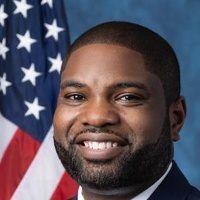
Byron Donalds
Representative
FL
Byron Donalds
Representative
FL
The Value Over Cost Act of 2026 updates federal procurement policy to prioritize "best value" over "lowest overall cost" when selecting vendors. This shift allows federal agencies to weigh quality, technical capability, and past performance alongside price when purchasing goods and services. The legislation aims to ensure that government contracts deliver superior results and long-term reliability.
This bill authorizes the Secretary of Labor to suspend payments to medical providers convicted of fraud related to federal or state health care programs.
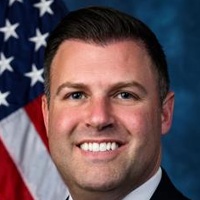
Ryan Mackenzie
Representative
PA
Ryan Mackenzie
Representative
PA
The "Putting Patients First by Strengthening Provider Accountability in FECA Act" authorizes the Secretary of Labor to suspend payments to medical providers convicted of fraud related to federal or state health care programs. This legislation aims to protect the integrity of the Federal Employees' Compensation Act (FECA) by ensuring that fraudulent providers are barred from receiving further government compensation.
The EARLY Act Reauthorization of 2025 extends breast health education for young women and modernizes the National Breast and Cervical Cancer Early Detection Program to improve screening access, equity, and funding through 2030.
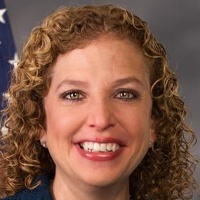
Debbie Wasserman Schultz
Representative
FL
Debbie Wasserman Schultz
Representative
FL
The EARLY Act Reauthorization of 2025 extends critical breast health education initiatives through 2031 and bolsters the National Breast and Cervical Cancer Early Detection Program. By streamlining grant requirements and increasing funding through 2030, this legislation aims to reduce health disparities, improve access to life-saving screenings, and enhance patient support services. Additionally, it mandates a GAO study to identify and address barriers to equitable cancer care.
This bill designates the Department of Veterans Affairs multispecialty clinic in Marietta, Georgia, as the "Colonel Michael H. Boyce Department of Veterans Affairs Multispecialty Clinic."
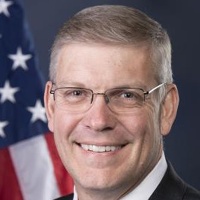
Barry Loudermilk
Representative
GA
Barry Loudermilk
Representative
GA
This bill designates the Department of Veterans Affairs multispecialty clinic in Marietta, Georgia, as the "Colonel Michael H. Boyce Department of Veterans Affairs Multispecialty Clinic." This renaming honors the late Colonel Michael H. Boyce for his distinguished military career and his dedicated service to the Cobb County veterans community.
This legislation appropriates fiscal year 2027 funding for national security, the Department of State, and foreign assistance programs, while also establishing new federal requirements for voter registration and identification.
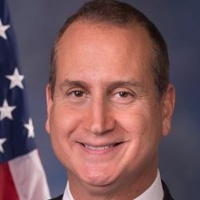
Mario Diaz-Balart
Representative
FL
Mario Diaz-Balart
Representative
FL
The **National Security, Department of State, and Related Programs Appropriations Act, 2027** provides federal funding for national security, foreign diplomacy, international aid, and global development programs for the 2027 fiscal year. Additionally, the bill includes the **SAVE America Act**, which mandates documentary proof of U.S. citizenship for federal voter registration and requires voters to present photo identification in federal elections. Together, these measures establish both foreign policy spending priorities and new federal requirements for election integrity.
This Act prohibits payment card networks and processors from assigning specific merchant category codes to identify firearms retailers, protecting the privacy of firearm and ammunition purchases.
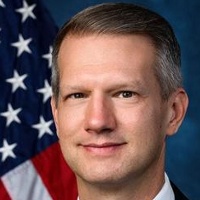
Riley Moore
Representative
WV
Riley Moore
Representative
WV
The Protecting Privacy in Purchases Act prohibits payment card networks and processors from assigning specific merchant category codes to firearms retailers. This legislation aims to protect consumer privacy by preventing the tracking of firearm and ammunition purchases through specialized financial classification. The Attorney General is tasked with enforcing these provisions and reporting annually on compliance.
The Sunshine Protection Act of 2025 establishes daylight saving time as the permanent, year-round standard time across the United States, while providing states the option to maintain their current standard time.
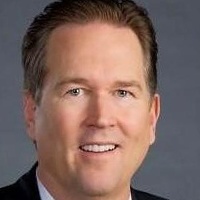
Vern Buchanan
Representative
FL
Vern Buchanan
Representative
FL
The Sunshine Protection Act of 2025 proposes making daylight saving time the permanent, year-round standard time across the United States. By advancing standard time zones by one hour, the bill eliminates the need for biannual clock changes. Additionally, it provides states that currently observe standard time year-round the option to maintain their existing timekeeping practices.
This resolution establishes the procedural rules for House consideration of legislation regarding permanent daylight saving time, national security appropriations, veterans' benefits, and firearm retailer merchant category codes.
Virginia Foxx
Representative
NC
Virginia Foxx
Representative
NC
This resolution establishes the procedural framework for the House of Representatives to debate and vote on four distinct pieces of legislation. These include bills to make daylight saving time permanent, authorize fiscal year 2027 national security and State Department appropriations, improve veterans' benefits, and prohibit the use of specific merchant category codes for firearms retailers. The resolution sets specific rules for floor debate, amendment processes, and final voting procedures for each measure.
This act expands and improves the Emergency Conservation Program and the Emergency Forest Restoration Program by broadening eligible activities, offering advance payment options, and extending response timelines.
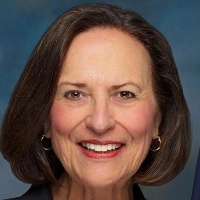
Deb Fischer
Senator
NE
Deb Fischer
Senator
NE
The Emergency Conservation Program Improvement Act of 2025 updates critical disaster assistance programs for farmers and forest landowners. This legislation expands eligible conservation activities, clarifies wildfire damage coverage, and introduces advance payment options for producers undertaking emergency repairs. It also extends the timeline for producers to complete necessary restoration work following a disaster.
The **21st Century ROAD to Housing Act** aims to significantly increase housing supply and affordability through regulatory reforms, new financing tools, increased transparency, and restrictions on large institutional home purchases.
J. Hill
Representative
AR
J. Hill
Representative
AR
The **21st Century ROAD to Housing Act** is a comprehensive bill designed to significantly increase housing supply, improve affordability, and modernize federal housing programs. It tackles issues from streamlining construction regulations and incentivizing local zoning reform to restricting large corporate home purchases and enhancing financing for manufactured homes. Ultimately, the Act aims to create more pathways to homeownership and ensure safer, more stable rental conditions across the country.
This resolution directs the Committee on Ethics to publicly disclose a consolidated list of taxpayer-funded settlements involving sexual harassment or misconduct by Members of the House.
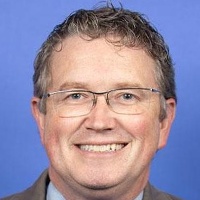
Thomas Massie
Representative
KY
Thomas Massie
Representative
KY
This resolution directs the Committee on Ethics and the Office of Congressional Workplace Rights to increase government transparency by publicly disclosing records of taxpayer-funded settlements related to sexual harassment and misconduct. It requires the publication of a consolidated list identifying Members of Congress involved in such cases alongside the total taxpayer funds paid for these settlements. Additionally, the bill mandates the disclosure of aggregate financial data regarding settlements involving House employees to ensure full accountability.
This bill directs the President to remove U.S. Armed Forces from hostilities in Lebanon within seven days, pursuant to the War Powers Resolution.
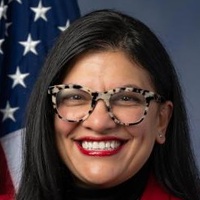
Rashida Tlaib
Representative
MI
Rashida Tlaib
Representative
MI
This resolution directs the President to withdraw U.S. Armed Forces from hostilities in Lebanon within seven days, utilizing authority under the War Powers Resolution. It explicitly clarifies that this action does not authorize the use of military force or limit security cooperation with Lebanese forces or the protection of diplomatic facilities.