Legislative Activity
Track Pablo's sponsored bills, co-sponsored legislation, and voting record
The No WAR Act establishes a point of order preventing the use of budget reconciliation to fund unauthorized military hostilities against Iran.
Valerie Hoyle
Representative
OR
Valerie Hoyle
Representative
OR
The No WAR Act establishes a procedural barrier, a "point of order," in Congress to prevent funding for unauthorized military action against Iran through the budget reconciliation process. This means that any reconciliation bill providing budget authority for hostilities against Iran will be out of order unless Congress has first formally authorized that military force. The Act ensures that funding for military conflict against Iran requires explicit prior congressional approval.
This Act expands eligibility for certain Small Business Administration loans to include businesses owned by lawfully present non-citizens and those with principal residences outside the U.S.
Nydia Velázquez
Representative
NY
Nydia Velázquez
Representative
NY
The Investing in the American Dream Act expands eligibility for Small Business Administration (SBA) loans and guarantees. It allows small businesses owned by certain lawfully present immigrants, refugees, and even some individuals residing outside the U.S. to qualify for covered loans. This legislation ensures that businesses meeting specific ownership and location criteria are not denied SBA assistance solely based on the immigration status of their eligible owners.
This bill, the PRICE Act, mandates transparent and standardized pricing practices for third-party delivery platforms, regulating how delivery fees are calculated and displayed to consumers.

Dan Goldman
Representative
NY
Dan Goldman
Representative
NY
This bill, the PRICE Act, establishes new transparency and fairness requirements for third-party delivery platforms regarding how they calculate and display fees. It mandates that delivery fees must be based only on the order total and delivery factors, not on user characteristics or store negotiations. The legislation ensures users see clear breakdowns of item prices and fees before payment, with enforcement handled by the Federal Trade Commission and state attorneys general.
This Act establishes grant programs to support career and technical education for clean energy jobs and to upgrade educational facilities with renewable energy practices.
Seth Magaziner
Representative
RI
Seth Magaziner
Representative
RI
The Clean Energy Workforce Act establishes grant programs to bolster career and technical education for jobs in clean energy and related fields. These grants will support the development of specialized curricula and the modernization of educational facilities to align with renewable energy practices. The goal is to prepare students for in-demand careers in climate change mitigation, energy efficiency, and renewable energy sectors.
This act establishes a pilot program to reduce vessel strikes on large whales in the San Francisco Bay region through enhanced communication, data sharing, and specialized staffing.
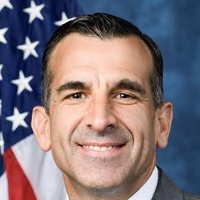
Sam Liccardo
Representative
CA
Sam Liccardo
Representative
CA
The Save Willy Act of 2026 establishes a four-year pilot program to reduce vessel strikes on large whales in the San Francisco Bay region. This program mandates the creation of a dedicated Cetacean Desk within the Vessel Traffic Service to coordinate real-time data sharing and communication with vessel operators. The goal is to enhance compliance with protective measures through improved technology, training, and engagement with maritime and local stakeholders. Annual reports will track the program's effectiveness, including quantifiable reductions in vessel strikes.
This bill mandates a 15 percent increase in the annual base pay for all career Transportation Security Administration (TSA) employees.
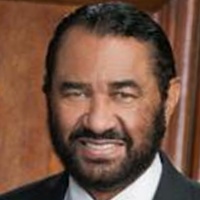
Al Green
Representative
TX
Al Green
Representative
TX
This bill, officially titled the "Original Legislation to Give TSA Employees a Raise," mandates a 15 percent increase to the annual base pay for all TSA career employees and corresponding pay bands. This pay raise will take effect starting with the first pay period immediately following the law's enactment.
This resolution designates April as "National Language Access Month" to promote awareness of and equitable access to essential public services for individuals with limited English proficiency.
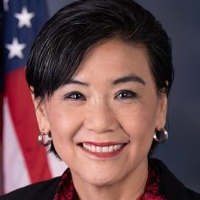
Judy Chu
Representative
CA
Judy Chu
Representative
CA
This resolution designates April as "National Language Access Month" to highlight the critical importance of providing language services for individuals with limited English proficiency. It encourages federal, state, and local entities to promote awareness of language rights and ensure equitable access to essential public programs and services for all Americans.
This Act mandates the Secretary of the Interior to submit an annual public report detailing the status, compliance, and enforcement actions related to decommissioning offshore oil and gas infrastructure.
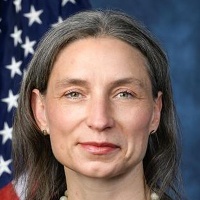
Maxine Dexter
Representative
OR
Maxine Dexter
Representative
OR
The Plug Offshore Wells Act mandates the Secretary of the Interior to produce an annual public report detailing the status of decommissioning offshore oil and gas infrastructure. This report will track applications, compliance rates, approvals for in-place decommissioning, and enforcement actions taken against non-compliant operators. The goal is to increase transparency regarding the plugging of aging offshore wells, platforms, and pipelines.
The Momnibus Act is a comprehensive legislative package designed to improve maternal health outcomes and reduce racial disparities by addressing social determinants, expanding nutritional and mental health support, diversifying the perinatal workforce, and investing in data-driven, community-based care.
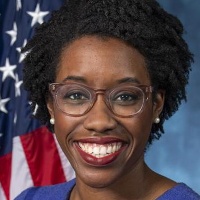
Lauren Underwood
Representative
IL
Lauren Underwood
Representative
IL
The Momnibus Act is a comprehensive legislative package designed to end preventable maternal mortality and close racial and ethnic disparities in maternal health outcomes. By addressing social determinants of health, expanding nutritional and mental health support, and investing in a diverse, culturally competent workforce, the bill provides a holistic framework for improving care. Through targeted federal grants, enhanced data collection, and innovative technology, the Act aims to ensure that all pregnant and postpartum individuals receive the equitable, high-quality care they deserve.
The Energy Bills Relief Act aims to lower energy costs for families by reversing clean energy rollbacks, expanding assistance programs, streamlining grid upgrades, and increasing transparency in utility regulation.
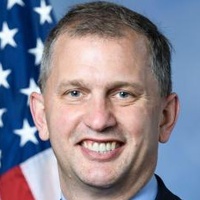
Sean Casten
Representative
IL
Sean Casten
Representative
IL
The Energy Bills Relief Act is a comprehensive bill designed to lower energy costs for American families, accelerate the deployment of low-cost, clean energy, and modernize the nation's electricity grid. It achieves this by reversing harmful policies against renewables, expanding energy assistance programs, streamlining grid connection processes, and increasing transparency in utility regulation. Ultimately, the legislation aims to create a more reliable, affordable, and cleaner energy system while ensuring communities have a stronger voice in energy development.
This bill exempts H-1B healthcare workers from a $100,000 entry fee to help address workforce shortages.
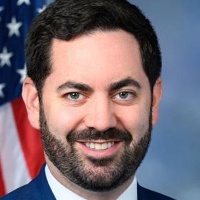
Michael Lawler
Representative
NY
Michael Lawler
Representative
NY
The H-1Bs for Physicians and the Healthcare Workforce Act exempts healthcare workers from a $100,000 entry fee requirement currently imposed on certain H-1B nonimmigrant visa petitions. This legislation aims to remove financial barriers for medical professionals, ensuring they are not subject to fees exceeding standard immigration costs.
The Small AI Innovators Empowerment Act mandates a comprehensive study to identify and address the unique funding, regulatory, and operational challenges faced by small U.S.-based artificial intelligence businesses.
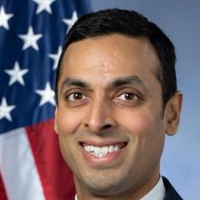
Suhas Subramanyam
Representative
VA
Suhas Subramanyam
Representative
VA
The Small AI Innovators Empowerment Act mandates a comprehensive study to identify the unique challenges faced by small U.S.-based artificial intelligence businesses. This study will analyze critical barriers—including funding, regulatory uncertainty, talent acquisition, and infrastructure access—to provide actionable recommendations for supporting their growth and competitiveness.
This resolution urges the President to order U.S. flags flown at half-staff to honor the life and legacy of civil rights leader Reverend Jesse Jackson.
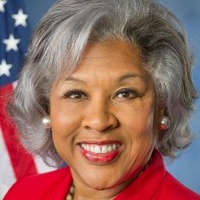
Joyce Beatty
Representative
OH
Joyce Beatty
Representative
OH
This resolution formally honors the life and enduring legacy of civil rights leader Reverend Jesse Louis Burns Jackson, Sr. It recognizes his significant contributions to the Civil Rights Movement, including his work with Dr. Martin Luther King, Jr. and his founding of Operation PUSH. The bill specifically urges the President to order that the U.S. flag be flown at half-staff in his memory.
This bill requires public colleges and universities receiving federal funding to charge in-state tuition rates to eligible U.S. national residents of Guam, the Northern Mariana Islands, American Samoa, and the U.S. Virgin Islands.
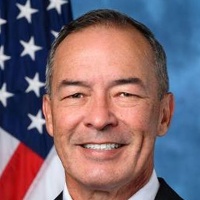
James (Jim) Moylan
Representative
GU
James (Jim) Moylan
Representative
GU
The Territorial Student Access to Higher Education Act requires public colleges and universities receiving federal funding to offer in-state tuition rates to eligible U.S. nationals residing in Guam, the Northern Mariana Islands, American Samoa, and the U.S. Virgin Islands. This legislation aims to increase educational affordability and accessibility for students from these U.S. territories.
This bill strengthens democracy by banning foreign spending in U.S. elections, increasing transparency for "dark money" in politics, and mandating clear disclosure of funders in political advertising.
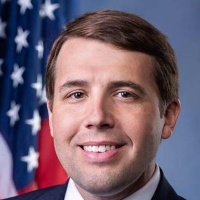
Chris Pappas
Representative
NH
Chris Pappas
Representative
NH
The Democracy Is Strengthened by Casting Light On Spending in Elections Act of 2026 aims to increase transparency and security in U.S. elections. It closes loopholes to ban foreign national spending in elections, mandates disclosure for "dark money" political spending, and requires clear funding disclosures on political ads. The bill also centralizes legal challenges to campaign finance laws in Washington, D.C., for faster resolution.
This bill amends existing law to mandate minimum staffing levels and adequate resources for the Institutes of Tropical Forestry and Pacific Islands Forestry.
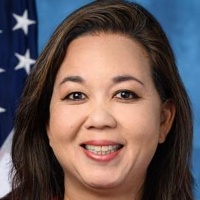
Jill Tokuda
Representative
HI
Jill Tokuda
Representative
HI
This bill amends existing law to rename and strengthen the Institutes of Tropical and Pacific Islands Forestry. It mandates minimum staffing levels—50 personnel for the Puerto Rico institute and 30 for the Pacific Islands institute—and ensures both have adequate resources. The goal is to substantially advance the science, research, and knowledge exchange activities conducted by these vital forestry centers.
This bill allows certain states to directly purchase food commodities using their allocated federal funds under the Emergency Food Assistance Act.
Jill Tokuda
Representative
HI
Jill Tokuda
Representative
HI
This bill amends the Emergency Food Assistance Act of 1983 to grant certain eligible states the option to receive their allocated federal funds as cash instead of commodities. States choosing this option can then directly purchase food commodities from the private commercial marketplace. This provides flexibility in how states procure food assistance resources.
The Rebuild America’s Schools Act of 2026 establishes federal grant and bond programs to provide billions of dollars for the long-term improvement, modernization, and repair of public school facilities, prioritizing health, safety, and environmental conditions in high-need districts.
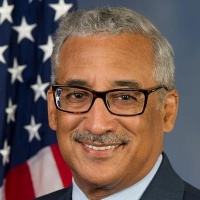
Robert Scott
Representative
VA
Robert Scott
Representative
VA
The **Rebuild America’s Schools Act of 2026** establishes major federal funding streams, including grants and tax-credit bonds, to modernize and repair public school facilities nationwide from 2027 through 2031. The legislation prioritizes districts with the greatest need, focusing on improving student health, safety, and environmental conditions in school buildings. It also mandates increased transparency through public databases tracking facility conditions and requires specific labor and "Buy America" standards for funded construction projects.
This resolution condemns federal workforce reductions at FEMA that threaten national preparedness, response, and recovery capabilities, and expresses concern over proposed future staffing cuts.
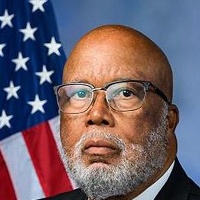
Bennie Thompson
Representative
MS
Bennie Thompson
Representative
MS
This resolution condemns current and proposed staffing cuts at the Federal Emergency Management Agency (FEMA), arguing they undermine national preparedness and disaster response capabilities. It highlights that workforce reductions endanger the ability to effectively manage increasingly severe disasters and critical counterterrorism programs. The bill expresses concern that these cuts compromise institutional knowledge and slow vital assistance to communities recovering from events like recent hurricanes. Ultimately, it commits Congress to supporting a stable and adequately resourced FEMA workforce.
This act establishes a 90 percent government guarantee for Small Business Administration 7(a) loans made to businesses operating in covered territories, with specific exceptions.
James (Jim) Moylan
Representative
GU
James (Jim) Moylan
Representative
GU
The Territorial SBA Loan Guaranty Adjustment Act of 2026 increases the Small Business Administration's loan guarantee percentage for businesses operating in covered territories. This act establishes a 90 percent government guarantee for eligible 7(a) program loans made to these businesses. Certain specific provisions and pilot programs within the 7(a) program are excluded from this higher guarantee level.