This act establishes a pilot program to reduce vessel strikes on large whales in the San Francisco Bay region through enhanced communication, data sharing, and specialized staffing.
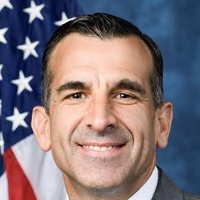
Sam Liccardo
Representative
CA-16
The Save Willy Act of 2026 establishes a four-year pilot program to reduce vessel strikes on large whales in the San Francisco Bay region. This program mandates the creation of a dedicated Cetacean Desk within the Vessel Traffic Service to coordinate real-time data sharing and communication with vessel operators. The goal is to enhance compliance with protective measures through improved technology, training, and engagement with maritime and local stakeholders. Annual reports will track the program's effectiveness, including quantifiable reductions in vessel strikes.
New 'Save Willy' Program Launches to Protect Whales in San Francisco Bay, Boosts Tech and Data Sharing
Alright, listen up, because there's a new bill on the block, the aptly named “Save Willy Act of 2026,” and it’s all about protecting our big ocean-faring buddies—whales—from getting tangled up with ships in the San Francisco Bay and Golden Gate Strait. This isn't just some feel-good measure; it's setting up a four-year pilot program to get serious about whale protection.
The Cetacean Desk: Your Whale Watch HQ
So, what's actually happening? Within a year, the Coast Guard is tasked with setting up a dedicated “Cetacean Desk” right inside the San Francisco Vessel Traffic Service. Think of it like air traffic control, but for whales and ships. This desk will have a small team—no more than two full-time people—whose main gig is to keep an eye out for large whales (that’s baleen whales, sperm whales, and killer whales, specifically) and then tell ship operators where these giants are hanging out. They’ll be sharing real-time sightings to make sure everyone on the water is playing by the rules and voluntary guidelines designed to keep whales safe. This isn't just about avoiding collisions; it's about giving these magnificent creatures the space they need to thrive, especially in busy shipping lanes. (Section 2, paragraph (b)(1) and (3))
Tech, Teamwork, and Training
This isn't just about a couple of folks with binoculars. The bill pushes for some serious tech upgrades. The Coast Guard and the Under Secretary are going to be sharing data with California, NOAA, and other groups, using existing data collection methods and public information to get the most accurate picture of whale locations. They’re also tasked with evaluating and adopting new technologies to better detect, track, and communicate whale movements to ships. Imagine better sonar, AI-powered detection, or enhanced satellite tracking—all aimed at giving ships a heads-up. (Section 2, paragraph (b)(4))
But it’s not just about gadgets; it’s about people too. The Secretary will be chatting with everyone from Tribal governments and universities to the maritime industry and local ports. The goal is to create a collaborative effort, even allowing for “local variances” to make sure communication flows smoothly without messing with safe navigation. Plus, the folks working at the Vessel Traffic Service will get specialized training on everything from whale behavior and migration routes to understanding buffer zones and critical habitats. This means the people guiding ships will have a much deeper understanding of the marine life they’re sharing the waters with. (Section 2, paragraph (b)(5) and (6))
What This Means for You and the Bay
For anyone who cares about the health of our oceans or just enjoys seeing a whale breach off the coast, this bill is a pretty big deal. It’s a concrete step towards reducing the number of vessel strikes, which can be devastating for these large animals. For vessel operators, especially those in the San Francisco Bay, it means more real-time information to help them navigate safely and responsibly. While the program emphasizes voluntary guidance, it also sets up a framework for better communication that could reduce incidents and potential headaches for everyone. There will be annual reports to Congress, too, so we'll get to see how well this Cetacean Desk is actually performing, including quantifying reductions in vessel strikes and assessing communication efficacy. (Section 2, paragraph (b)(7))
Ultimately, this pilot program is a smart move, leveraging technology and collaboration to protect some of the ocean's most iconic residents. It's about finding that balance between a thriving maritime industry and a thriving marine ecosystem, making sure that Willy (and all his friends) can swim freely and safely in our busy waters.