This Act expands eligibility for certain Small Business Administration loans to include businesses owned by lawfully present non-citizens and those with principal residences outside the U.S.
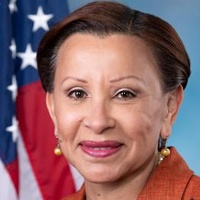
Nydia Velázquez
Representative
NY-7
The Investing in the American Dream Act expands eligibility for Small Business Administration (SBA) loans and guarantees. It allows small businesses owned by certain lawfully present immigrants, refugees, and even some individuals residing outside the U.S. to qualify for covered loans. This legislation ensures that businesses meeting specific ownership and location criteria are not denied SBA assistance solely based on the immigration status of their eligible owners.
New Small Business Bill Expands SBA Loan Access to DACA Recipients and Legal Residents Starting in 2024.
The 'Investing in the American Dream Act' is looking to open the doors of the Small Business Administration (SBA) to a lot more people. Specifically, it aims to make sure that entrepreneurs who are lawfully in the U.S.—including DACA recipients, refugees, and those with green cards—can apply for the same SBA 7(a) loans and microloans that help so many local shops get off the ground. The bill sets a clear standard: as long as a business is located in the U.S. and is at least 51% owned and controlled by U.S. citizens or these 'eligible individuals' who are authorized to work here, they can’t be denied a loan just because of the owner's immigration status (Section 3).
Opening the Capital Kitchen
Think of this like a neighborhood bakery that’s been running on personal savings because the owner, a DACA recipient, couldn’t tap into traditional federal support. Under this bill, that owner could finally apply for a microloan (Section 7(m)) to buy a new industrial oven or a surety bond to bid on a city construction contract. By broadening the definition of an 'eligible individual' in Section 2, the bill basically says that if you’re legally here, working here, and building a business here, you should have a fair shot at the same financial tools your neighbors use. It also puts a leash on the SBA, preventing them from arbitrarily raising that 51% ownership requirement to make it harder for these groups to qualify.
The Fine Print on 'Control'
While the bill is a big win for inclusivity, there’s a bit of a head-scratcher in the definitions. Section 2 includes people whose 'principal residence is outside the United States' as eligible individuals. This creates a slightly murky scenario: if a business is 51% owned by someone living abroad, how does the SBA verify they are actually 'controlling' the day-to-day operations of a U.S.-based shop? For a local contractor or a tech startup founder, this might feel like a loophole that could be stretched. Without crystal-clear rules on how 'control' is measured for overseas owners, there’s a risk that the program could face some administrative headaches or oversight challenges down the road.
Who Wins and What to Watch
The clear winners here are the thousands of legal residents and DACA entrepreneurs who have been locked out of the SBA system. It’s about more than just money; it’s about stability for the local economy. However, because the pool of applicants is getting bigger, some might worry about increased competition for the same pot of SBA resources. For the average person running a business, the bill doesn't change your current eligibility, but it does mean the landscape of who you’re competing with for those government-backed guarantees might get a bit more crowded—and a lot more diverse.