This bill allows certain states to directly purchase food commodities using their allocated federal funds under the Emergency Food Assistance Act.
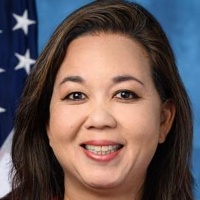
Jill Tokuda
Representative
HI-2
This bill amends the Emergency Food Assistance Act of 1983 to grant certain eligible states the option to receive their allocated federal funds as cash instead of commodities. States choosing this option can then directly purchase food commodities from the private commercial marketplace. This provides flexibility in how states procure food assistance resources.
Emergency Food Assistance Act Update: States Gain Direct Cash Option for Local Food Purchases
This bill introduces a significant shift in how some states handle federal food aid. Currently, the federal government typically buys food commodities in bulk and ships them to states for distribution through programs like food banks. This amendment to the Emergency Food Assistance Act of 1983 changes the game for 'eligible states' by allowing them to bypass the federal shopping list. Instead of receiving crates of pre-selected food, these states can opt to receive 100% of their 'entitlement funds' as cold, hard cash to spend directly in the private commercial marketplace.
Cutting Out the Middleman
Under the current system, if you're a state official in a region with a surplus of local produce, you might still receive federal shipments of the same items from halfway across the country because that’s what was in the national stockpile. Section 1 of this bill creates a 'Direct Purchase Authority.' This means if a state chooses this route, they get their full dollar allocation—the same amount the Secretary of Agriculture would have spent on their behalf—and can go shopping themselves. For a food bank manager, this could mean the difference between waiting on a federal shipment of canned corn and using cash to buy fresh, local crops from a nearby farm or a regional wholesaler.
Market Flexibility vs. Logistics
By allowing states to buy directly from the private market, the bill aims to fix the 'one-size-fits-all' problem of federal procurement. Think of it like a grocery stipend versus a pre-packed box: the stipend lets you react to what’s actually on sale or what’s missing from your pantry. For residents relying on these programs, this could result in food that is more culturally relevant or simply fresher because it didn't spend weeks in a federal supply chain. However, the bill puts the responsibility of navigating the private market entirely on the state. While this offers freedom, it also means states have to handle the logistics and price negotiations that the USDA used to manage, which could be a heavy lift for smaller state agencies.
Who Gets the Keys?
The bill specifically targets 'Eligible States' as defined by the 2018 Farm Bill. This isn't a free-for-all for every territory; it’s a targeted expansion for states that meet specific federal criteria for managing these programs. For the private sector, this is a notable opening. Local food suppliers, regional distributors, and commercial wholesalers could see a new influx of business as state agencies move from being passive recipients of federal goods to active customers in the local economy. It’s a move toward decentralization that bets on the idea that state officials know their own neighborhoods’ hunger needs better than a federal office in D.C.