Legislative Activity
Track Abraham's sponsored bills, co-sponsored legislation, and voting record
The SHORT Act redefines "firearm" to exclude certain collector's items, eliminates disparate federal treatment of short-barreled rifles and shotguns, preempts state and local registration/tax burdens on these items, and mandates the destruction of certain existing NFA records.
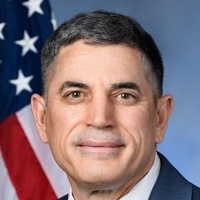
Andrew Clyde
Representative
GA
Andrew Clyde
Representative
GA
The SHORT Act aims to reform federal firearms regulations by redefining what constitutes a "firearm" for tax purposes, largely excluding antique or collector's items. It eliminates disparate federal treatment for short-barreled rifles and shotguns used lawfully and preempts state and local governments from imposing special taxes or registration requirements on these specific weapons. Furthermore, the bill mandates the destruction of certain existing federal registration and transfer records related to defined firearms.
This Act prohibits state and local governments from imposing excise taxes on the sale of firearms, ammunition, or related parts in interstate or foreign commerce.
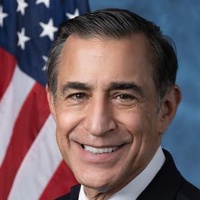
Darrell Issa
Representative
CA
Darrell Issa
Representative
CA
The Freedom from Unfair Gun Taxes Act of 2025 prohibits state and local governments from imposing excise taxes on the sale of firearms, ammunition, or firearm parts. This restriction specifically targets taxes levied on sales that involve interstate or foreign commerce. The Act explicitly preserves existing federal laws, such as the Pittman-Robertson Wildlife Restoration Act.
This act prohibits colleges and universities receiving federal funding from allowing or supporting any campus event that promotes antisemitism, adopting the IHRA working definition.
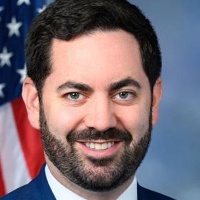
Michael Lawler
Representative
NY
Michael Lawler
Representative
NY
The Stop Antisemitism on College Campuses Act prohibits colleges and universities receiving federal funding from allowing, supporting, or paying for any event on campus that promotes antisemitism. This legislation mandates the adoption of the International Holocaust Remembrance Alliance (IHRA) working definition of antisemitism for enforcement. The goal is to ensure federally funded institutions do not host or endorse antisemitic activities.
This bill amends the Internal Revenue Code to allow distributions from Health Savings Accounts (HSAs) for the account beneficiary's funeral expenses, up to a $\$5,000$ limit, to be treated as qualified distributions.
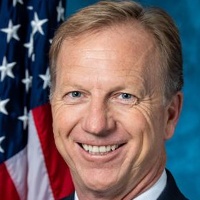
Kevin Hern
Representative
OK
Kevin Hern
Representative
OK
This bill amends the Internal Revenue Code to allow distributions from a Health Savings Account (HSA) for the funeral expenses of the account beneficiary to be treated as qualified, tax-free distributions. These expenses, which include burial, cremation, and related services, are capped at a total of \$5,000 per beneficiary. The legislation also clarifies that funeral expenses incurred within 90 days after the account holder's death can be treated as if they occurred before death for tax purposes.
This resolution formally recognizes the 250th anniversary of the United States Marine Corps, honoring its legacy, service, and core values.
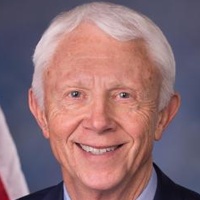
Jack Bergman
Representative
MI
Jack Bergman
Representative
MI
This resolution formally recognizes the upcoming 250th anniversary of the United States Marine Corps in 2025. Congress is honoring the Corps' long history, core values of honor, courage, and commitment, and its consistent readiness to defend the nation. The bill encourages the public to join in celebrating this significant milestone and acknowledging the service and sacrifice of all Marines.
This act establishes expedited judicial review and shifts the burden of proof to the government when individuals challenge NICS denials, while also mandating annual reporting on record challenges.
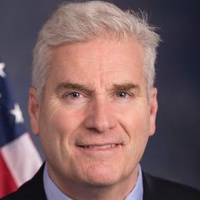
Tom Emmer
Representative
MN
Tom Emmer
Representative
MN
The Firearm Due Process Protection Act of 2025 aims to strengthen due process rights for individuals challenging denials in the National Instant Criminal Background Check System (NICS). It mandates expedited court hearings for record correction lawsuits and shifts the burden of proof onto the government to demonstrate why a person should be ineligible to own a firearm. Additionally, the bill requires the FBI to submit annual reports detailing the outcomes and timelines of all NICS record challenges.
This bill establishes national reciprocity for concealed carry permits, allowing individuals legally permitted to carry in their home state to carry a handgun in any other state that allows concealed carry.
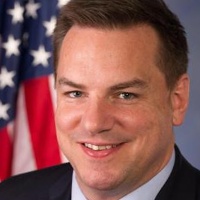
Richard Hudson
Representative
NC
Richard Hudson
Representative
NC
The Constitutional Concealed Carry Reciprocity Act of 2025 establishes a national standard for carrying concealed handguns across state lines. This act allows individuals legally permitted to carry in their home state to carry concealed in any other state that allows its residents to carry concealed firearms. The law does not override private property restrictions or prohibitions on government property, but it provides protections and legal recourse for those traveling in compliance with the new federal standard.
This resolution officially recognizes the longstanding friendship between the United States and the Kingdom of Morocco as they approach the 250th anniversary of diplomatic relations.
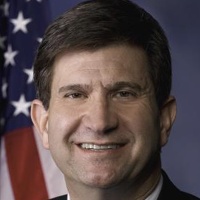
Bradley Schneider
Representative
IL
Bradley Schneider
Representative
IL
This resolution celebrates the longstanding friendship between the United States and the Kingdom of Morocco, recognizing Morocco as the first nation to establish relations with the U.S. It highlights the historical significance of this bond, including the 250th anniversary of recognition approaching in 2027. Furthermore, the bill affirms the importance of the current strategic partnership across trade, security, and cultural cooperation.
The Knife Owners’ Protection Act of 2025 establishes federal protections for the lawful interstate transportation of knives, ensuring individuals can travel across state lines without fear of arrest or local legal interference, provided specific storage requirements are met.

Andy Biggs
Representative
AZ
Andy Biggs
Representative
AZ
The Knife Owners’ Protection Act of 2025 establishes federal protections for individuals transporting knives across state lines, provided the knives are stored in accordance with specific safety requirements. The bill shields compliant travelers from state and local arrest or detention and allows individuals to raise these protections as a legal defense. Additionally, it creates a civil right of action for those whose rights under this act are violated by state or local authorities.
This bill requires the Coast Guard to retain enlisted members with 18 or more, but less than 20, years of service until they qualify for retirement, with specific provisions for Reserve members.
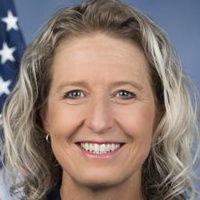
Jennifer Kiggans
Representative
VA
Jennifer Kiggans
Representative
VA
This bill amends federal law to require the Coast Guard to retain certain enlisted members who have served 18 or more, but less than 20, years of service. It prevents the involuntary separation or non-reenlistment of these long-serving members until they reach 20 years of service for retirement eligibility. This provision applies to both Regular and Reserve enlisted personnel serving on active duty.
The Air America Act of 2025 authorizes one-time monetary awards to former Air America employees or their survivors for service supporting the CIA between 1950 and 1976.
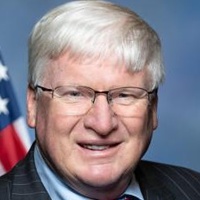
Glenn Grothman
Representative
WI
Glenn Grothman
Representative
WI
The Air America Act of 2025 recognizes the sacrifices of former Air America employees who served the U.S. Government between 1950 and 1976. This Act authorizes a one-time monetary award, up to $40,000 plus potential additional amounts, for qualifying service members or their survivors. The CIA Director is responsible for administering these payments, which are capped at a total of $60 million, and establishing the application procedures. Decisions made by the Director regarding these awards are final and not subject to judicial review.
This bill mandates that institutions of higher education immediately report to SEVIS any awareness of an F-1 or J-1 student endorsing a foreign terrorist organization, leading to visa revocation and deportation proceedings.
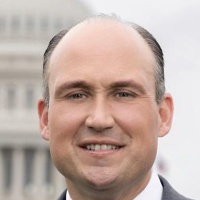
Nicholas Langworthy
Representative
NY
Nicholas Langworthy
Representative
NY
This bill requires institutions of higher education to immediately report to SEVIS if they become aware that an F-1 or J-1 visa student has endorsed or supported a designated foreign terrorist organization. Upon confirmation, the Secretary of State must revoke the student's visa, and the Secretary of Homeland Security must initiate deportation proceedings. This measure aims to swiftly address national security risks posed by international students supporting terrorism.
This bill impeaches Chief Judge James E. Boasberg for allegedly abusing his power to obstruct the President's enforcement of immigration laws related to a designated terrorist organization.
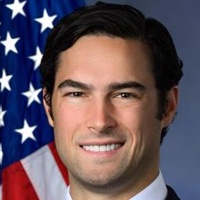
Brandon Gill
Representative
TX
Brandon Gill
Representative
TX
This bill impeaches Judge James E. Boasberg, Chief Judge for the District of Columbia, for high crimes and misdemeanors. The impeachment accuses Boasberg of abusing judicial power for political gain by obstructing the President's authority to remove aliens associated with a designated Foreign Terrorist Organization. Boasberg is accused of interfering with the President's enforcement of laws, jeopardizing national safety, and undermining the separation of powers. The bill seeks his removal from office.
The Major Richard Star Act ensures that military retirees with combat-related disabilities can concurrently receive their full military retirement pay and VA disability compensation without reduction.

Gus Bilirakis
Representative
FL
Gus Bilirakis
Representative
FL
The Major Richard Star Act ensures that military retirees with combat-related disabilities can receive both their military retirement pay and VA disability compensation concurrently without reduction. This law removes previous restrictions that caused military retirement pay to be offset by VA disability payments for these specific cases. The changes take effect on the first day of the month following the Act's enactment.
The Fair and Open Competition Act of 2025 prohibits the federal government from requiring or penalizing bidders or contractors on federally funded construction projects based on their agreement or non-agreement with labor unions.
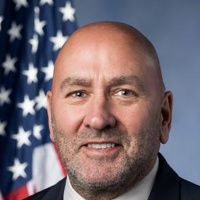
Clay Higgins
Representative
LA
Clay Higgins
Representative
LA
The Fair and Open Competition Act of 2025 ensures fair competition on federally funded construction projects by prohibiting the government from requiring or penalizing bidders based on union agreements. This legislation aims to keep federal agencies neutral in labor relations while promoting cost savings and opening opportunities for all businesses. Exceptions to this neutrality rule are strictly limited to specific public health, safety, or national security emergencies.
This bill updates federal firearms laws to allow spouses of active-duty service members stationed overseas to receive firearms and ammunition, and ensures a spouse's residency for federal gun laws mirrors that of the service member.
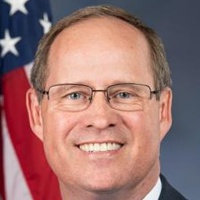
Gregory Murphy
Representative
NC
Gregory Murphy
Representative
NC
The Protect Our Military Families’ 2nd Amendment Rights Act updates federal firearms laws to better support military families stationed overseas. It allows spouses of service members stationed abroad to receive firearms and ammunition at that duty station. Furthermore, the bill ensures that a service member's spouse is considered a resident for federal firearms laws based on the service member's official residency or duty station. These changes will take effect six months after the Act is signed into law.
This act redefines "State of Residence" for federal firearms law, particularly for military personnel, and updates background check requirements to include the buyer's home address.

Dusty Johnson
Representative
SD
Dusty Johnson
Representative
SD
The Travelers Gun Rights Act updates the federal definition of "State of Residence" for firearm laws, particularly for active-duty military personnel. This change also modifies background check requirements to ensure a buyer's home address is documented on the necessary paperwork. The bill clarifies residency rules for individuals who may reside in multiple states or lack a traditional physical home.
The Unmasking Hamas Act of 2025 establishes new federal penalties for interfering with constitutional rights or destroying property while wearing a disguise, particularly in response to disruptive, masked protests linked to Hamas activities on campuses and in public spaces.
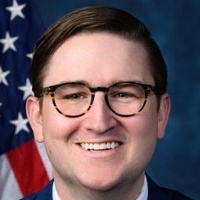
Addison McDowell
Representative
NC
Addison McDowell
Representative
NC
The Unmasking Hamas Act of 2025 aims to address disruptions and violence on college campuses linked to protests supporting Hamas. This bill establishes a new federal crime punishing individuals who interfere with constitutional rights while wearing a disguise, such as a mask. Additionally, it imposes an enhanced mandatory sentence for destroying property within federal jurisdiction while masked.
This bill censures Representative Al Green for disrupting the President's address to Congress and requires him to receive a formal reprimand before the House.
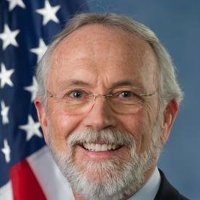
Dan Newhouse
Representative
WA
Dan Newhouse
Representative
WA
This bill censures Representative Al Green of Texas for disrupting the President's address to Congress on March 4, 2025. It condemns his actions and orders him to appear before the House of Representatives to receive a formal reprimand. During this time the Speaker of the House will publicly read the resolution of censure.
The "Delphi Retirees Pension Restoration Act" restores full pension benefits to eligible Delphi retirees and beneficiaries, compensating for past underpayments with interest, using existing funds and allowing for favorable tax treatment of lump-sum payments.

Victoria Spartz
Representative
IN
Victoria Spartz
Representative
IN
The Delphi Retirees Pension Restoration Act aims to restore the full pension benefits to eligible participants and beneficiaries under specific terminated pension plans, such as the Delphi Hourly-Rate Employees Pension Plan. It mandates the recalculation of benefits to match the full vested plan benefit, provides for lump-sum payments to cover past underpayments with interest, and funds these increased benefits through existing resources. The bill also includes provisions for the tax treatment of these payments, allowing recipients to spread the income over three years.