Legislative Activity
Track Diana's sponsored bills, co-sponsored legislation, and voting record
This act mandates the creation of a real-time, exclusive online portal for Members of Congress to access detailed federal award and spending information, including payments to individuals.
Chip Roy
Representative
TX
Chip Roy
Representative
TX
The Make DOGE Permanent Act mandates the creation of a special, real-time access portal for members of Congress to view federal award spending data. This exclusive access will provide Congress with the latest information, including details on payments made to individuals and federal employees, which may be restricted on the public website. The Office of Management and Budget (OMB) must establish this dedicated link within six months of the bill's enactment.
This resolution supports designating a "Family Month" to emphasize the importance of the traditional married mother and father family structure while withdrawing recognition from Pride Month.
Mary Miller
Representative
IL
Mary Miller
Representative
IL
This resolution supports designating a "Family Month" to emphasize the importance of the traditional married mother and father family structure as the foundation of a healthy society. It criticizes current policies and cultural trends for discouraging marriage and notes the decline of the nuclear family. Ultimately, the bill calls for a national rededication to strengthening this specific family unit.
This bill establishes federal criminal penalties for performing gender transition procedures on minors, with specific exceptions for certain medical conditions.
Doug LaMalfa
Representative
CA
Doug LaMalfa
Representative
CA
The Protecting Children from Experimentation Act of 2025 establishes a new federal crime prohibiting healthcare professionals from performing specific gender transition procedures on minors under 18. This bill imposes criminal penalties, including fines and imprisonment, for violations connected to interstate commerce. Minors subjected to these procedures are explicitly protected from prosecution and granted the right to sue those involved. The Act broadly defines banned procedures, including the use of puberty blockers, cross-sex hormones, and various surgeries, while carving out exceptions for certain medical conditions and life-saving measures.
This resolution formally declares the inherent value of every human life, recognizes the *Dobbs* decision, and establishes an annual "Life Month" to support policies and resources that protect the unborn and assist new families.
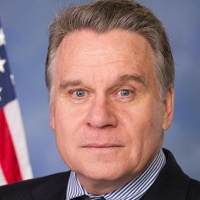
Christopher Smith
Representative
NJ
Christopher Smith
Representative
NJ
This joint resolution formally establishes "Life Month" to affirm the fundamental value and inherent dignity of every human life as an unalienable right. It recognizes the Supreme Court's *Dobbs* decision and urges Congress to enact laws protecting unborn life. Furthermore, the resolution commends organizations and individuals who support pregnant women and new families.
This resolution formally recognizes the significant and growing economic contributions of independent workers and contractors to the American economy while expressing concern over potential legislative restrictions on their flexibility.
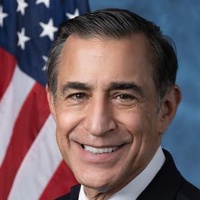
Darrell Issa
Representative
CA
Darrell Issa
Representative
CA
This resolution officially recognizes the significant and growing contributions of independent workers, freelancers, and sole proprietors to the American economy. It highlights the substantial economic impact of this sector, which provides flexibility and opportunity for millions of Americans. Furthermore, the resolution expresses concern over potential legislation that could restrict the freedom and flexibility enjoyed by these independent workers.
This Act mandates a comprehensive study by the Inspector General and annual public reporting to increase oversight and transparency regarding changes to Medicare billing codes.
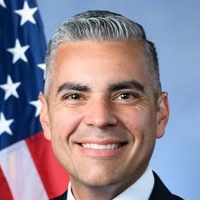
Juan Ciscomani
Representative
AZ
Juan Ciscomani
Representative
AZ
The Oversight of Medicare Billing Code Cost Act mandates a comprehensive study by the Inspector General to review the process and data used by Medicare when adding, changing, or removing billing codes. This legislation requires the Inspector General to report findings and recommendations to Congress within one year. Furthermore, the Secretary of HHS must annually publish a public report detailing all new billing codes added in the previous year, including associated spending data.
This bill creates a new federal tax credit for homeowners who install qualifying energy-efficient home improvements made from domestically sourced, solid American hardwood.
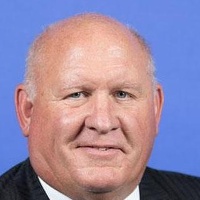
Glenn Thompson
Representative
PA
Glenn Thompson
Representative
PA
The Solid American Hardwood Tax Credit Act amends the existing energy-efficient home improvement credit to include a new category for "natural carbon sink expenditures." This allows homeowners to claim a tax credit for installing qualifying items like flooring, windows, and millwork made from domestically grown and processed deciduous hardwood. The bill also extends the deadline for claiming this energy credit through the end of 2035.
The ETHIC Act limits patent infringement lawsuits against drug and biological product manufacturers to one patent per "Patent Group" to curb the practice of creating excessive patent thickets.
Jodey Arrington
Representative
TX
Jodey Arrington
Representative
TX
The Eliminating Thickets to Increase Competition Act (ETHIC Act) aims to curb anti-competitive practices by limiting the number of patents a company can assert in a single patent infringement lawsuit against drug or biological product competitors. This prevents brand-name manufacturers from overwhelming generic challengers with numerous, related patents, often referred to as "patent thickets." Specifically, it restricts plaintiffs to asserting only one patent per defined "Patent Group" in these actions.
This bill removes federal tax and registration requirements for firearm silencers, preempts certain state regulations, mandates the destruction of existing federal silencer owner records, and updates related definitions and marking requirements.
Andrew Clyde
Representative
GA
Andrew Clyde
Representative
GA
The Constitutional Hearing Protection Act aims to treat firearm silencers equally under federal tax law by updating definitions and removing certain registration requirements if existing firearm laws are followed. The bill also preempts state and local governments from imposing special taxes or registration burdens on silencers. Furthermore, it mandates the destruction of existing federal records identifying silencer owners within one year of enactment.
The MOMS Act establishes a federal resource hub for expecting mothers, improves access to prenatal and postnatal care through grants, and allows for the enforcement of child support obligations for unborn children.
Michelle Fischbach
Representative
MN
Michelle Fischbach
Representative
MN
The MOMS Act aims to support expecting and new mothers through three main initiatives. It establishes a centralized federal resource website, Pregnancy.gov, to connect mothers with local support services and adoption agencies. The bill also creates grant programs to fund organizations offering positive alternatives to abortion and expanding access to at-home prenatal and postnatal telehealth care in underserved areas. Finally, it allows states to establish and enforce child support obligations against biological fathers for unborn children upon the mother's request.
Violet's Law mandates that federal research facilities establish procedures to place retired dogs, cats, nonhuman primates, guinea pigs, hamsters, and rabbits with approved rescue organizations, sanctuaries, shelters, or individuals.
Nancy Mace
Representative
SC
Nancy Mace
Representative
SC
Violet's Law mandates that federal research facilities establish procedures to place retired research animals, including dogs, cats, and primates, into new homes. These facilities must adhere to the Animal Welfare Act standards and ensure animals are certified healthy by a veterinarian before adoption. Eligible placements include registered animal rescue organizations, sanctuaries, shelters, or private individuals.
This act officially recognizes accounting education as part of a well-rounded curriculum to improve access to accounting programs, especially for underrepresented students.
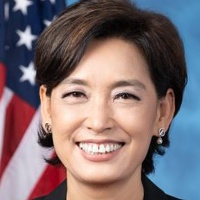
Young Kim
Representative
CA
Young Kim
Representative
CA
The Accounting STEM Pursuit Act of 2025 officially recognizes accounting education as a vital component of a well-rounded K-12 curriculum. This legislation amends federal education law to ensure accounting is counted within core curriculum planning frameworks. The Act specifically directs states and districts to improve access to quality accounting programs, with a focus on increasing opportunities for underrepresented students.
The Safeguard American Voter Eligibility (SAVE) Act mandates that individuals registering to vote in federal elections must present documentary proof of U.S. citizenship.
Chip Roy
Representative
TX
Chip Roy
Representative
TX
The Safeguard American Voter Eligibility Act (SAVE Act) significantly amends federal law to require individuals registering to vote in federal elections to present documentary proof of U.S. citizenship. This legislation mandates that states actively clean their voter rolls and cooperate with federal agencies to verify citizenship status. It establishes new criminal penalties for officials who fail to enforce these documentation requirements.
Sammy's Law mandates that large social media platforms must provide secure, real-time access to third-party safety software chosen by parents to monitor and manage their children's accounts.
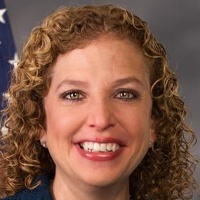
Debbie Wasserman Schultz
Representative
FL
Debbie Wasserman Schultz
Representative
FL
Sammy's Law aims to empower parents by requiring large social media platforms to provide secure access for third-party safety software to monitor and manage their children's accounts. This legislation establishes a national standard for this specific data access, while granting enforcement authority to the Federal Trade Commission (FTC). The law mandates strict data handling and deletion requirements for the third-party safety providers who register with the FTC.
This Act mandates the designation of specific Iranian-aligned groups as Foreign Terrorist Organizations (FTOs) and requires the imposition of corresponding sanctions.
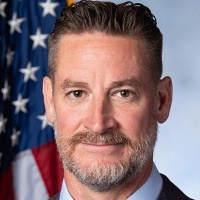
W. Steube
Representative
FL
W. Steube
Representative
FL
The Iranian Terror Prevention Act mandates the swift designation of specific Iranian-linked groups as Foreign Terrorist Organizations (FTOs) by the Secretary of State. It requires the President to impose existing sanctions on these designated groups and any affiliated entities within 60 days of enactment. Furthermore, the bill establishes ongoing reporting requirements to Congress regarding designations and the application of sanctions.
This Act permits 501(c)(3) organizations to make political campaign statements within the ordinary course of their tax-exempt activities, provided the cost is de minimis.
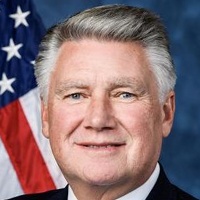
Mark Harris
Representative
NC
Mark Harris
Representative
NC
The Free Speech Fairness Act amends tax law to allow 501(c)(3) organizations to make political campaign statements without jeopardizing their tax-exempt status. This protection applies only if the statement is made as part of the organization's ordinary course of activities and incurs only a de minimis (trivial) cost. This ensures non-profits can speak on political matters related to their mission without penalty, provided spending remains minimal.
The SHORT Act redefines "firearm" to exclude certain collector's items, eliminates disparate federal treatment of short-barreled rifles and shotguns, preempts state and local registration/tax burdens on these items, and mandates the destruction of certain existing NFA records.
Andrew Clyde
Representative
GA
Andrew Clyde
Representative
GA
The SHORT Act aims to reform federal firearms regulations by redefining what constitutes a "firearm" for tax purposes, largely excluding antique or collector's items. It eliminates disparate federal treatment for short-barreled rifles and shotguns used lawfully and preempts state and local governments from imposing special taxes or registration requirements on these specific weapons. Furthermore, the bill mandates the destruction of certain existing federal registration and transfer records related to defined firearms.
This bill makes the designation of English as the official language of the United States, established by Executive Order 14224, permanent.
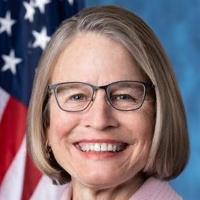
Mariannette Miller-Meeks
Representative
IA
Mariannette Miller-Meeks
Representative
IA
This bill seeks to make the provisions of Executive Order 14224, which designated English as the official language of the United States, permanent. It ensures that all existing rules and actions taken by government agencies under this order remain in full effect indefinitely. Essentially, this legislation codifies the requirement for English as the official language.
This act eliminates the Optional Practical Training (OPT) program, ending work authorization for F-1 visa students unless explicitly authorized by future Congressional action.

Paul Gosar
Representative
AZ
Paul Gosar
Representative
AZ
The Fairness for High-Skilled Americans Act of 2025 aims to eliminate the Optional Practical Training (OPT) program, which currently allows F-1 student visa holders to gain temporary work authorization after completing their studies. This bill removes the government's authority to grant such work permission unless explicitly authorized by a future Act of Congress.
This bill establishes national reciprocity for concealed carry permits, allowing individuals legally permitted to carry in their home state to carry a handgun in any other state that allows concealed carry.
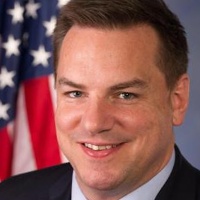
Richard Hudson
Representative
NC
Richard Hudson
Representative
NC
The Constitutional Concealed Carry Reciprocity Act of 2025 establishes a national standard for carrying concealed handguns across state lines. This act allows individuals legally permitted to carry in their home state to carry concealed in any other state that allows its residents to carry concealed firearms. The law does not override private property restrictions or prohibitions on government property, but it provides protections and legal recourse for those traveling in compliance with the new federal standard.