Legislative Activity
Track Steven's sponsored bills, co-sponsored legislation, and voting record
This Act amends tax law to allow Regulated Investment Companies to count income derived from certain precious metals as qualifying income.
Kevin Hern
Representative
OK
Kevin Hern
Representative
OK
The Precious Metals Parity Act amends tax law to allow Regulated Investment Companies (RICs), such as mutual funds, to include income derived from certain physical precious metals like gold, silver, platinum, and palladium as qualifying income. This change expands the types of assets that RICs can hold while maintaining their favorable tax status.
This bill establishes the Smithsonian American Women's History Museum, designates its site on the National Mall, and sets requirements for its mission, construction, and diverse representation of viewpoints.
Nicole Malliotakis
Representative
NY
Nicole Malliotakis
Representative
NY
This act officially establishes the Smithsonian American Women’s History Museum and designates its location on the National Mall, requiring the transfer of land jurisdiction to the Smithsonian Institution. The museum is mandated to preserve and present the history and achievements of biological women in the United States. Furthermore, the legislation requires that exhibits and programs reflect diverse political viewpoints and authentic experiences of women, as guided by a broad array of knowledgeable sources.
This bill prohibits the use of federal funds to pay any claims submitted to the Anti-Weaponization Fund established by the Department of Justice.
Brian Fitzpatrick
Representative
PA
Brian Fitzpatrick
Representative
PA
The Bipartisan Transparency for American Taxpayers Act prohibits the use of any federal funds, including those from the Judgment Fund, to pay claims submitted to the Anti-Weaponization Fund. This measure ensures taxpayer money is not used to cover payments from the fund established by the Department of Justice.
This act prohibits a sitting President from filing civil lawsuits against the United States and voids the settlement agreement in *Trump v. Internal Revenue Service*, banning federal funds for such settlements.

Lizzie Fletcher
Representative
TX
Lizzie Fletcher
Representative
TX
This Act prohibits a sitting President from filing civil lawsuits against the United States. It also voids the settlement agreement in the specific case of *Trump v. Internal Revenue Service*. Furthermore, the bill bans the use of federal funds to establish any compensation fund to settle civil actions brought by a President or former President against the U.S.
This bill authorizes the minting and sale of commemorative gold and silver coins to honor the 25th anniversary of the September 11, 2001, terrorist attacks, with surcharges supporting the National September 11 Memorial and Museum.

Dan Goldman
Representative
NY
Dan Goldman
Representative
NY
This bill authorizes the Secretary of the Treasury to mint and issue commemorative gold and silver coins marking the 25th anniversary of the September 11, 2001, terrorist attacks. The coins will honor the victims, first responders, and survivors, with designs selected in consultation with the National September 11 Memorial and Museum. All surcharges from the sale of these coins will be paid directly to the Memorial and Museum to support its operations and maintenance.
This bill grants the Secretary of Energy the authority to exempt the Department of Energy from existing prohibitions on procuring, operating, and funding unmanned aircraft systems originating from covered foreign entities.
Susie Lee
Representative
NV
Susie Lee
Representative
NV
The Department of Energy Drone Defense Act grants the Secretary of Energy the authority to exempt the Department of Energy from existing federal prohibitions concerning the procurement, operation, and funding of unmanned aircraft systems originating from covered foreign entities. This allows the DOE flexibility to utilize necessary drone technology while also providing an exception from related reporting requirements.
This bill prohibits using federal funds for specific settlement payments, particularly those related to the *Trump, et al. v. IRS, et al.* case, and restricts certain compromise settlements from the Judgment Fund to high-ranking officials and specific types of claims.
Jamie Raskin
Representative
MD
Jamie Raskin
Representative
MD
This Act prohibits the use of federal funds for specific settlement payments, including those related to the *Trump, et al. v. IRS, et al.* case. It places new restrictions on the Judgment Fund, barring payments to high-ranking officials, their relatives, and certain entities for specific types of claims. The bill also establishes strict reporting and notification requirements for large government compromise settlements.
This bill mandates the creation of a combat status identifier equivalent for remotely piloted aircraft (RPA) crews conducting combat operations.
Susie Lee
Representative
NV
Susie Lee
Representative
NV
The CARE for RPA Crews Act mandates the military departments to establish a combat status identifier for remotely piloted aircraft (RPA) crews who conduct combat operations. This new identifier must be equivalent in merit to existing combat status identifiers. The goal is to formally recognize the service of RPA crews engaged in combat.
The Digital Asset PARITY Act simplifies the tax treatment for regulated stablecoin transactions, expands safe harbors for foreign digital asset trading, extends wash sale rules to digital assets, and establishes new rules for taxing staking and mining income.

Max Miller
Representative
OH
Max Miller
Representative
OH
The Digital Asset PARITY Act aims to modernize the tax code for digital assets by simplifying the treatment of stablecoin transactions and clarifying rules for trading, lending, and staking. It extends existing tax concepts like wash sales and constructive sales to digital assets and establishes new rules for income recognition from validation activities like mining or staking. The bill also mandates a study on potential relief for small consumer digital asset transactions.
This bill imposes a 100% tax and public reporting requirements on certain settlement payments received by former Presidents, their families, and related entities from civil actions against the United States.
Mike Thompson
Representative
CA
Mike Thompson
Representative
CA
The SLUSH FUND Act of 2026 imposes a 100% tax on certain settlement payments received by former Presidents, their families, and related entities from funds originating from civil actions against the United States. This new tax is treated separately from standard income tax and cannot be deducted. The Act also mandates strict reporting requirements for those making these payments, with penalties for non-compliance.
This bill establishes a demonstration project for states to test alternative payment models in Medicaid and CHIP to improve maternal health outcomes for pregnant and postpartum individuals.

Janice Schakowsky
Representative
IL
Janice Schakowsky
Representative
IL
The IMPACT to Save Moms Act establishes a demonstration project for states to test alternative payment models for maternity care within Medicaid and CHIP programs. This project aims to improve maternal health outcomes, particularly for high-risk groups, by considering factors like risk stratification and social determinants of health. The Secretary of HHS must evaluate the project's impact and report recommendations to Congress on potential national expansion.
This Act restores overtime pay protections by phasing in higher minimum salary thresholds and tightening the duties test for executive, administrative, and professional employees exempt from federal overtime requirements.
Mark Takano
Representative
CA
Mark Takano
Representative
CA
The Restoring Overtime Pay Act of 2026 significantly updates overtime exemptions under the Fair Labor Standards Act. It establishes a phased-in, rising minimum salary threshold for executive, administrative, and professional employees to qualify for overtime exemption, eventually tying it to national earnings data. Additionally, the bill tightens the "duties test," reducing the amount of non-exempt work an employee can perform while remaining exempt from overtime pay. These changes aim to restore overtime eligibility to more salaried workers.
This bill mandates improved financial literacy training, clearer notification of Servicemembers Civil Relief Act (SCRA) benefits upon entry or mobilization, and requires creditors to retroactively apply interest rate caps to all pre-service debts starting from the date active duty began.
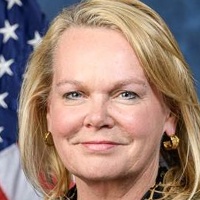
April McClain Delaney
Representative
MD
April McClain Delaney
Representative
MD
The Improving SCRA Benefit Utilization Act aims to strengthen consumer protections for service members under the Servicemembers Civil Relief Act (SCRA). This bill mandates improved financial literacy training focusing on SCRA interest rate caps and requires specific notifications of these benefits upon entry or mobilization to active duty. Additionally, it ensures financial institutions must retroactively apply maximum interest rates to pre-service debts from the start of active duty and expand those protections to all debts held by the creditor.
This Act funds data collection, research, public communication, and task force recommendations to improve maternal health outcomes during public health emergencies.

Lauren Underwood
Representative
IL
Lauren Underwood
Representative
IL
The Maternal Health Pandemic Response Act aims to improve maternal and infant health outcomes during public health emergencies. It authorizes significant funding for enhanced data collection, surveillance, and research across various CDC programs. Furthermore, the bill mandates public data disclosure, requires public health communication campaigns, and establishes a task force to develop federal recommendations for ensuring safe, respectful, and equitable maternity care during crises.
The Moms Matter Act establishes grant programs to improve maternal mental health equity and expand the diverse workforce providing maternal mental and behavioral health care.
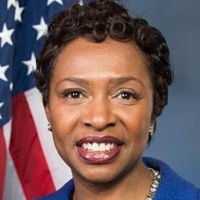
Yvette Clarke
Representative
NY
Yvette Clarke
Representative
NY
The Moms Matter Act establishes two grant programs to improve maternal mental health. The first program funds initiatives to expand mental health and substance use disorder services for pregnant and postpartum individuals, prioritizing high-risk populations. The second program provides grants to grow and diversify the workforce of mental and behavioral health providers specializing in maternal health.
This bill establishes the Combating Organized Retail Crime Act of 2025 to enhance federal prosecution tools against organized retail and supply chain crime and create a DHS-led coordination center to align law enforcement efforts.
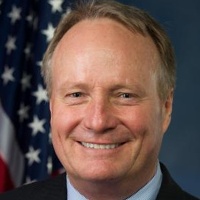
David Joyce
Representative
OH
David Joyce
Representative
OH
The Combating Organized Retail Crime Act of 2025 aims to combat sophisticated, cross-jurisdictional organized retail and supply chain theft. It achieves this by strengthening federal laws regarding money laundering and stolen property offenses, including lowering monetary thresholds for prosecution. Furthermore, the bill establishes a dedicated Center within the Department of Homeland Security to coordinate federal, state, and local enforcement efforts against these criminal organizations.
This resolution demands the President provide the House with records concerning the alleged copying and sharing of sensitive Social Security Administration data by a Department of Government Efficiency individual, and any related statements about a presidential pardon.
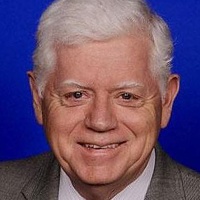
John Larson
Representative
CT
John Larson
Representative
CT
This resolution demands the President provide the House of Representatives with specific records concerning the alleged unauthorized copying and sharing of sensitive Social Security Administration data (like NUMIDENT and death information) by an individual associated with the Department of Government Efficiency. It also seeks documents related to any reported expectations of a presidential pardon concerning these actions. The requested materials must be delivered within 14 days of the resolution's adoption.
This Act establishes federal programs to address the impact of climate change risks, like extreme heat and pollution, on maternal and infant health through grants, education, research, and risk zone identification.
Lauren Underwood
Representative
IL
Lauren Underwood
Representative
IL
The Protecting Moms and Babies Against Climate Change Act directs the Department of Health and Human Services to address how climate change risks, like extreme heat and pollution, harm maternal and infant health. The bill establishes grant programs to support local efforts and education, and mandates research and strategies to identify high-risk zones for pregnant individuals and young children. Its goal is to reduce adverse outcomes such as preterm birth, low birth weight, and maternal mortality linked to climate change.
This bill nullifies the February 2026 presidential import surcharge, prohibits future similar actions, and mandates the refund of all tariffs collected under the proclamation.
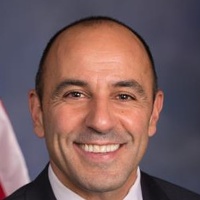
Jimmy Panetta
Representative
CA
Jimmy Panetta
Representative
CA
This bill nullifies Presidential Proclamation 11012, effectively repealing the temporary import surcharge imposed on February 20, 2026. It prohibits the implementation or enforcement of similar future surcharges and mandates a full refund of all tariffs collected under the proclamation.
The Maternal Vaccination Act establishes a federal awareness and equity campaign to increase vaccination rates among pregnant and postpartum individuals and their children.
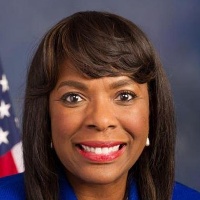
Terri Sewell
Representative
AL
Terri Sewell
Representative
AL
The Maternal Vaccination Act establishes a dedicated awareness and equity campaign to increase vaccination rates among pregnant and postpartum individuals. By providing targeted funding and expanding immunization program grants, the bill ensures that healthcare providers are better equipped to support maternal health, with a specific focus on reaching underserved and minority communities.