This bill establishes a permanent Special Envoy for the Human Rights of LGBTQI+ Peoples within the Department of State to advance U.S. policy countering global criminalization, violence, and discrimination against LGBTQI+ individuals.
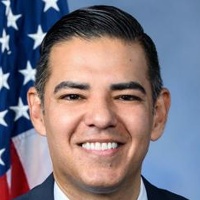
Robert Garcia
Representative
CA-42
This bill, the International Human Rights Defense Act of 2025, establishes a permanent Special Envoy for the Human Rights of LGBTQI+ Peoples within the Department of State. It codifies U.S. policy to actively combat international criminalization, violence, and discrimination against LGBTQI+ individuals worldwide. The legislation also mandates enhanced reporting on these abuses in annual human rights reports and authorizes assistance to support related protection efforts abroad.
New Bill Creates Permanent LGBTQI+ Human Rights Envoy: Elevating Global Policy and Aid Requirements
The newly proposed International Human Rights Defense Act of 2025 is straightforward: it makes the U.S. government’s commitment to protecting the human rights of LGBTQI+ people worldwide an official, permanent, and integrated part of its foreign policy. This isn't just a policy memo; it’s a structural shift that puts a high-ranking official in charge of coordinating all related U.S. efforts and resources.
The Policy Driver: Making the Envoy Permanent
Right now, the role of a Special Envoy for LGBTQI+ rights at the State Department exists at the pleasure of the current administration. This bill, under Section 4, locks that position in permanently. This new Special Envoy for the Human Rights of LGBTQI+ People will be the Secretary of State's main advisor on the issue and will direct all State Department activities, funding, and programs related to international LGBTQI+ human rights. Think of it as centralizing a previously scattered effort. The Envoy is also required to develop and update a comprehensive global strategy every two years, ensuring the U.S. approach isn't just reactive but strategic.
New Rules for U.S. Dollars Overseas
One of the biggest real-world impacts is how U.S. funds are distributed internationally. Section 3 mandates that all recipients of U.S. federal funding—including contractors, grantees, and development aid partners—must establish nondiscrimination policies that specifically cover sexual orientation, gender identity, and sex characteristics.
What does this mean on the ground? Say a large American NGO receives federal money to build schools in a developing country. Under this bill, that NGO would have to ensure its hiring practices, student admissions, and overall operations explicitly prohibit discrimination against LGBTQI+ individuals. For organizations accustomed to operating without such requirements, this creates a new compliance hurdle, but it ties U.S. aid directly to U.S. values on inclusion.
Shining a Light on Global Abuses
The bill also tightens the screws on human rights reporting. Under Section 5, the annual U.S. Country Reports on Human Rights Practices—the documents the State Department uses to grade other nations—must now include specific, detailed information on violence, criminalization, and discrimination against LGBTQI+ people. This includes identifying countries that have laws criminalizing same-sex relations or restricting freedom of expression based on sexual orientation or gender identity.
This is a big deal for accountability. If a country is receiving U.S. security or development assistance, this new reporting requirement ensures that their treatment of LGBTQI+ citizens is explicitly documented. It puts foreign governments that engage in state-sanctioned discrimination or fail to protect their citizens on notice, increasing diplomatic pressure.
Beyond Diplomacy: Practical Assistance
Section 6 authorizes the State Department to provide international assistance aimed at preventing violence and addressing the exclusion of LGBTQI+ people. This isn't just high-level talk; it’s funding for practical programs. This assistance can go toward training foreign police and judicial officials, supporting civil and criminal legal protections, and enhancing health sectors to combat HIV/AIDS and violence in these communities. Essentially, it provides a dedicated funding stream to help international activists and local governments push back against the criminalization and violence detailed in the bill’s findings—like the 64 countries that still criminalize same-sex relations.