This Act strengthens the Public Service Loan Forgiveness program by establishing a new, phased cancellation schedule for newer federal direct loans and streamlining employment certification.
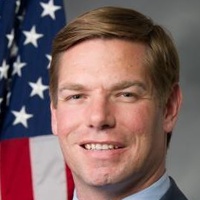
Eric Swalwell
Representative
CA-14
This Act amends the Public Service Loan Forgiveness program to streamline requirements for existing loans and establish a new, tiered cancellation schedule for newer Federal Direct Loans. Borrowers employed in public service will now receive partial loan cancellation after making 24, 48, 72, and 96 qualifying payments. Full cancellation of the remaining balance is granted after 120 qualifying payments, and the bill also simplifies the employment certification process and cancels accrued interest.
New PSLF Bill Offers Tiered Forgiveness for Future Loans: 15% Canceled Every Two Years
The Strengthening Loan Forgiveness for Public Service Workers Act is designed to make the Public Service Loan Forgiveness (PSLF) program less of a 10-year cliffhanger and more of a manageable journey. For anyone taking out a Federal Direct Loan after this bill becomes law, it introduces a new, graduated cancellation schedule that chips away at the debt early on, rather than making borrowers wait a full decade for relief.
The New PSLF Playbook: Quicker Wins, Less Waiting
Right now, PSLF is all-or-nothing: you make 120 qualifying payments while working in public service, and the balance is forgiven. This bill changes the game for future borrowers by creating check points along the way. After every 24 qualifying monthly payments (that’s two years), the Secretary must cancel 15 percent of the total loan amount due when the borrower first entered repayment. This means a public service worker—say, a nurse or a teacher—gets 15% relief at year two, another 15% at year four, another at year six, and a final 15% at year eight. If they stick with it for the full 120 payments (ten years), the remaining balance of principal and interest is canceled, just like the current program.
This tiered approach is a big deal because it addresses one of the biggest psychological hurdles of PSLF: the fear of dropping out or changing jobs after eight years and walking away with zero forgiveness. Now, if a small-town public defender leaves their job after four years, they’ve already had 30% of their original loan balance wiped out. This provides tangible progress, making the commitment to public service less financially risky.
Cutting the Red Tape and the Interest Load
Beyond the new schedule, the bill tackles two major administrative headaches. First, it streamlines the employment certification process (Section 2). Instead of forcing the borrower (the busy teacher or social worker) to chase down forms, the Department of Education must try to confirm employment internally first. Only if they can’t confirm it automatically does the borrower need to submit a form. This is a common-sense change that recognizes the government often already has the employment data it needs. The bill also requires the Secretary to automatically place the loan into deferment while the final cancellation is being processed, which is a small but critical detail that prevents unnecessary interest accrual during bureaucratic delays.
Second, the bill provides relief from interest. If you receive one of the partial 15% cancellations in a given year, the entire amount of interest that accrued on that loan for that same year is also canceled. Furthermore, any interest that accrues while the borrower’s application for cancellation is being processed is also wiped out. This means public servants won't be penalized by the clock while the government takes its time reviewing their paperwork.
The Fine Print: What Stays the Same
It’s important to note that this new tiered schedule is only for Federal Direct Loans issued after the bill’s enactment. If you are already five years into PSLF, you are still operating under the current rules—you have to hit the 120-payment mark for full forgiveness. The bill also maintains the strict requirement for existing forgiveness rules (Section 2, paragraph 5) that the borrower must have been employed in a public service job during the entire period when they made each of the 120 required payments. This means the existing program's high bar for qualifying payments remains in place for older loans, which is a detail that has tripped up countless borrowers in the past. In short, this bill is a huge improvement for the next generation of public servants, but it doesn't retroactively fix the administrative flaws for those already deep into the 10-year waiting game.