The VA Work-Study Improvement Act expands eligible work-study activities, clarifies minimum wage standards, mandates electronic timesheets, and requires annual publication of program data.
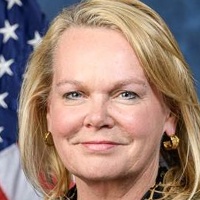
April McClain Delaney
Representative
MD-6
The VA Work-Study Improvement Act expands approved work-study locations to include state/local government agencies and nonprofits that benefit veterans. It establishes a clear standard for the minimum hourly wage paid to participants and mandates the use of electronic timesheets. Furthermore, the bill requires the VA to annually publish detailed data regarding the work-study program's activities and participants.
VA Work-Study Bill Guarantees Higher Pay and Expands Job Options for Student Veterans, Effective 2028
The VA Work-Study Improvement Act is a straightforward upgrade to the existing Department of Veterans Affairs (VA) Work-Study program. This bill makes four key changes: it expands where student veterans can work, guarantees them a higher minimum wage, mandates the use of electronic timesheets for efficiency, and requires the VA to publish annual data on the program’s performance. While these changes are significant, they won't kick in until January 1, 2028.
More Places to Put Your Skills to Work
Currently, the VA Work-Study program has specific limits on where participants can be placed. This bill, however, significantly broadens the playing field. Under the new rules, the VA can approve work-study activities at state or local government agencies, as well as at nonprofit organizations, provided the activity "directly or indirectly benefits veterans or members of the Armed Forces."
Think about the real-world impact here: a student veteran studying public administration might now be able to work directly with a city's veteran services office, gaining valuable, relevant experience while earning their benefit. A student in social work could be placed at a local nonprofit that helps veterans with housing or employment. This isn't just about earning money; it’s about creating career-building opportunities that tie directly into their future goals, making the benefit work harder for them.
The Highest Minimum Wage Wins
One of the most immediate and beneficial changes for participants is the new wage floor. The bill defines the "applicable hourly minimum wage" as the highest of three different rates: the Federal General Schedule or Federal Wage System minimum pay, the State minimum wage, or the local government minimum wage. This is a big deal, especially for student veterans living in high-cost areas.
For example, if the federal minimum pay rate for this work is $15/hour, but the state minimum wage is $16/hour, and the local city minimum wage is $18/hour, the work-study participant must be paid $18/hour. This provision ensures that student veterans are compensated fairly based on their location, protecting their earning power against regional cost-of-living differences. It’s a smart way to guarantee that the benefit keeps pace with economic reality.
Bringing the Program into the Digital Age
To cut down on paperwork and administrative headaches, the bill requires the Secretary of the VA to ensure that participants can record their hours using electronic timesheets and that supervisors can approve those records electronically. While this sounds like a small, bureaucratic detail, anyone who has dealt with paper forms and slow government processes knows this is a huge win for efficiency. It means faster, more accurate payment processing, which is critical for students relying on this income.
Mandatory Transparency and Data Sharing
Finally, the legislation mandates that the VA annually publish specific data about the program. This isn't just a general overview; the VA must report the total number of participants, their demographics, the types of activities performed, the total wages paid, the hours worked, and a list of the educational institutions involved. This level of transparency is excellent for accountability. By making this data public, starting in 2028, policymakers and the public can clearly see who is benefiting from the program, how much they are earning, and where the resources are being utilized, ensuring the program is working as intended.