This bill establishes a five-year pilot program to expand work-study allowance eligibility for student veterans enrolled at least half-time and mandates annual reporting on participant outcomes.
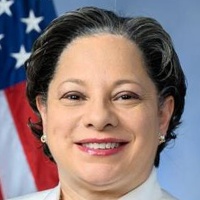
Jennifer McClellan
Representative
VA-4
The Student Veteran Work Study Modernization Act establishes a five-year pilot program to expand eligibility for the VA work-study allowance to veterans pursuing certain educational or training programs at a half-time enrollment level. This allows more student veterans to benefit from work-study opportunities without meeting the current three-quarter-time enrollment requirement. Additionally, the Secretary of Veterans Affairs is required to submit annual reports detailing participation and outcomes for veterans in the work-study program.
VA Work-Study Pilot Program Lowers Enrollment Bar to Half-Time for Student Veterans
If you’re a student veteran trying to juggle classes, family, and the need to earn some money, the Student Veteran Work Study Modernization Act is designed to give you a little more breathing room. This bill sets up a five-year pilot program through the Department of Veterans Affairs (VA) that significantly expands who can qualify for the VA’s work-study allowance. Currently, to get that allowance, you generally need to be enrolled at least three-quarter-time. This pilot program drops that requirement down to half-time enrollment for veterans pursuing approved rehabilitation, education, or training programs.
The Half-Time Lifeline
Think of this change as recognizing the reality of modern life. For a veteran transitioning out of service, jumping straight into a full-time or even three-quarter-time college schedule might not be feasible, especially if they have a family or need to manage service-connected issues. A half-time schedule is often the sweet spot for those who need to pace themselves or who are working another job while they train. By lowering the required credit load, the VA is opening the door to work-study opportunities—which are often VA-related jobs that provide valuable experience—for a wider group of student veterans who are trying to ease back into civilian education.
Specifically, Section 2 directs the VA Secretary to apply all existing work-study rules (found in section 3485 of title 38) to these new half-time participants, with the single, crucial exception that they don't have to meet the three-quarter-time minimum. This means the program is leveraging an established system but making the entry requirements more flexible. The pilot program is set to run for five years from the start date, giving the VA time to test the waters and gather data on how this flexibility impacts student success.
Data Points on Success
While expanding access is the main goal, the bill also focuses heavily on accountability and measuring results. Section 3 mandates that the VA Secretary submit an annual report to Congress detailing the program's performance. This isn't just about counting heads; the report must include three specific metrics that cut right to the heart of the program's effectiveness:
- The total number of participating veterans.
- The percentage of those veterans who successfully earn a four-year degree.
- The number of those veterans who secure full-time employment at the Department of Veterans Affairs.
These reporting requirements are smart because they track the desired outcomes: educational completion and career placement, especially within the VA itself. For a veteran using the work-study program to gain experience, landing a full-time gig at the VA is often the ultimate win. By tracking degree completion rates, the report will give policymakers a clear picture of whether this increased flexibility actually helps veterans finish their education, rather than just stretching it out indefinitely.