This Act modernizes electric utility integrated resource planning by establishing new guidelines, providing technical assistance, and creating a grant program to help states align their planning with modern resource adequacy and reliability considerations.
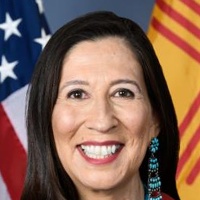
Teresa Leger Fernandez
Representative
NM-3
The Integrated Resource Planning Modernization Act directs the Secretary of Energy to develop updated guidelines and best practices for electric utility planning, focusing on modern resource adequacy analysis and diverse energy solutions. The bill also establishes a grant program to help states align their planning requirements with these new federal standards. This effort aims to ensure the reliability and cost-effectiveness of the future electricity system through comprehensive, forward-looking planning.
Federal Guidelines Mandate Utilities Use Modern Modeling for Grid Planning, Offer Grants for State Adoption
If you’ve ever lost power during a heat wave or an ice storm, you know that the way utility companies plan for the future of the electric grid matters—a lot. The Integrated Resource Planning Modernization Act is basically a federal push to drag that planning process into the 21st century, moving it beyond old-school spreadsheets and into a world where extreme weather and renewable energy are factored in.
This bill tasks the Secretary of Energy with developing new, mandatory guidelines and best practices for Integrated Resource Planning (IRP). Think of IRP as the utility company’s long-term shopping list for power generation and transmission. The new guidelines, which must be published within two years, will require utilities to use advanced modeling that explicitly considers things like grid-enhancing technologies, large-scale storage, rooftop solar, and even demand-side interventions (like programs that pay you to use less electricity). Crucially, the guidelines must also mandate the use of probabilistic models to account for uncertainty, like forecasting errors and the impact of severe weather events, ensuring the system can handle the next big emergency.
The New Planning Playbook: Resilience and Transparency
For most people, the biggest takeaway from this bill is that it aims to make the grid more reliable and transparent. Right now, many utilities plan their systems using models that don't fully account for modern resources or the increasing frequency of extreme weather. This Act forces them to change that. Section 2 requires the new guidelines to emphasize interregional planning, meaning utilities and regional transmission organizations must figure out how sharing resources across state lines can improve reliability and keep costs down. This is a huge deal for preventing regional blackouts.
Furthermore, the Secretary must provide guidance on how state utility commissions can ensure public engagement and comment on these plans, including transparent access to the data and models used. For consumers, this means more opportunities to weigh in on how their future energy system is being built, potentially leading to better local solutions and cost controls.
Show Me the Money: Grants for State Modernization
Knowing that changing state regulations is complex and expensive, the bill establishes the Integrated Resource Planning Modernization Grants Program (Section 4). States can apply for grants to update their existing IRP requirements to align with the new federal guidelines. The money can be used for practical expenses like hiring consultants, buying new modeling software, and funding necessary staff and stakeholder engagement activities. For states that are “vertically integrated” (where one company handles everything from generation to distribution) and “restructured” (where generation and transmission are separated), the grant money is designed to smooth the transition to modern planning.
This grant program is a lifeline for state regulators who are often under-resourced but are expected to oversee massive, multi-billion dollar infrastructure decisions. The catch, as always with federal funding, is that the money is subject to appropriation. Taxpayers need to be aware that while the goal is long-term cost savings through better planning, there will be an upfront cost to fund this modernization program.
The Real-World Impact: Why This Matters to You
Imagine you own a small manufacturing plant that relies on consistent power. Today, your utility might only plan for a “normal” summer peak. Under these new guidelines, the utility must use advanced modeling that considers multiple future scenarios—say, a 1-in-100-year heat dome combined with a natural gas pipeline outage. This mandated rigor means the utility is more likely to invest in diverse, resilient resources, like battery storage or transmission upgrades, reducing the chance that your business gets hit with an expensive, disruptive blackout.
For the average homeowner, the benefit is twofold: improved resource adequacy (meaning the lights stay on) and potentially more cost-effective investments. By forcing utilities to consider low-cost alternatives like demand response and energy efficiency alongside expensive new power plants, the guidelines aim to minimize infrastructure costs, which ultimately get passed down to consumers through their monthly bills. This bill is a foundational layer of bureaucracy, yes, but it’s the kind of bureaucratic update that could make the difference between a minor inconvenience and a catastrophic grid failure the next time severe weather hits.