This concurrent resolution affirms the duty of Congress to protect working women by addressing systemic wage disparities, workplace discrimination, and economic barriers to ensure equal opportunity and dignity for all.
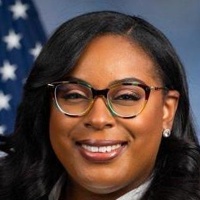
LaMonica McIver
Representative
NJ-10
This concurrent resolution recognizes the economic challenges and systemic barriers facing working women, including wage disparities, discrimination, and the erosion of workplace protections. It affirms Congress's duty to champion policies that ensure equal opportunity, fair pay, and safe working conditions for all women. Ultimately, the resolution calls for collaborative action to strengthen labor rights and promote economic security as essential components of national prosperity.
Congress Moves to Reset the Rules for Working Women: New Resolution Targets Pay Gaps, Childcare, and Workplace Rights.
This concurrent resolution acts as a high-level blueprint for how Congress intends to handle the economic realities of women in the workforce. It isn’t just a pat on the back; it’s a formal acknowledgment that the current system is lagging. Specifically, the resolution cites Bureau of Labor Statistics data showing that over 455,000 women left the workforce in 2025—with Black mothers seeing the steepest declines—and that the wage gap has widened for two straight years. By putting these numbers on the record, the resolution sets a baseline for future laws aimed at fixing wage disparities in the Fair Labor Standards Act and addressing the spike in unemployment for women of color, which has climbed above 7 percent.
The Daily Grind and the Bottom Line
For anyone balancing a job with the rising costs of living, this resolution outlines a specific wishlist of protections. It commits to passing laws for predictable scheduling—no more last-minute shift changes that ruin your childcare plans—and establishing national standards for paid family and medical leave. For the retail worker or the server, the resolution specifically calls for the elimination of subminimum and tipped wages, aiming to move everyone toward a standard federal minimum wage. It also highlights the 'caregiving crisis,' recognizing that without affordable, high-quality childcare, many women are effectively locked out of higher-paying career paths or forced to exit the workforce entirely.
Restoring the Safety Net
A significant portion of the text focuses on 'course correction' for federal agencies. The resolution calls for a reversal of recent staff cuts and funding reductions at the Department of Labor and the EEOC (Equal Employment Opportunity Commission). For an office worker facing harassment or a construction worker dealing with safety violations, this means a push for more 'boots on the ground' to actually investigate claims rather than letting them sit in a bureaucratic backlog. It also explicitly protects the right to join a union without interference, framing collective bargaining as a primary tool for women to secure fair pay and dignity on the job.
Who Stands to Gain (and Who Needs to Prepare)
The clear winners here are the 75 million women in the workforce who would benefit from more aggressive enforcement of equal pay and better access to benefits like paid sick days. However, the resolution also signals a shift for certain business models. Employers who rely heavily on tipped wages or subminimum pay structures for disabled workers would face a total overhaul of their payroll logic if these commitments become law. While the resolution itself doesn't change the law tomorrow, it serves as a formal 'notice' to federal contractors and private employers that the focus is shifting back toward strict gender and racial equity obligations and away from recent deregulatory trends.