This bill prohibits using federal funds for specific settlement payments, particularly those related to the *Trump, et al. v. IRS, et al.* case, and restricts certain compromise settlements from the Judgment Fund to high-ranking officials and specific types of claims.
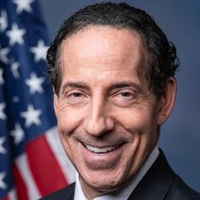
Jamie Raskin
Representative
MD-8
This Act prohibits the use of federal funds for specific settlement payments, including those related to the *Trump, et al. v. IRS, et al.* case. It places new restrictions on the Judgment Fund, barring payments to high-ranking officials, their relatives, and certain entities for specific types of claims. The bill also establishes strict reporting and notification requirements for large government compromise settlements.
No Taxpayer-Funded Settlement Slush Funds Act Bars High-Level Officials from Payouts and Blocks January 6th Claims Starting 2025
The No Taxpayer-Funded Settlement Slush Funds Act of 2026 targets how the federal government settles legal disputes, specifically cutting off the flow of taxpayer money to high-ranking officials and their families. At its core, the bill prohibits federal funds from being used for a specific compensation fund related to the Trump v. IRS lawsuit and permanently changes the rules for the Treasury’s Judgment Fund—the pot of money used to pay out claims against the government. Starting January 20, 2025, the bill bans any compromise settlements or awards from going to the President, Vice President, Cabinet members, or political appointees, extending that ban even to their parents, spouses, and children.
Closing the Vault on Political Payouts This legislation essentially creates a 'no-go' zone for federal settlements involving the upper echelons of government. Under Section 3, if a high-level official or a 'presidentially-owned entity'—defined as a business where the President or VP has a significant stake—files a claim against the government, they can no longer receive a payout from the Judgment Fund. For example, if a Cabinet member’s spouse sued a federal agency over a contract dispute, this law would prevent the Treasury from settling that case with federal funds. While this aims to prevent 'slush funds' or sweetheart deals for the powerful, it also means that even if a government official has a legitimate legal grievance, they are effectively barred from the standard settlement process available to other citizens.
Off-Limits Topics and Legal Roadblocks The bill doesn’t just look at who gets paid, but what they are suing about. It specifically prohibits any settlement payments for claims involving the January 6, 2021, Capitol attack or foreign interference in the 2016 election. For a Capitol Police officer or a staffer seeking damages for trauma or injury sustained on January 6th, this provision would mean the government cannot settle their claim out of court using the Judgment Fund. Additionally, the bill blocks payments for any claim that mirrors a case previously dismissed 'with prejudice.' This is a high-stakes change for anyone seeking redress for these specific events, as it forces them to either win a full trial or seek a rare, individual appropriation from Congress.
Waiting Periods and Paper Trails For the settlements that are still allowed, the bill adds a significant layer of red tape and transparency. Any settlement over $100,000 now requires a detailed report to the House and Senate Judiciary Committees, including the names of the attorneys involved and the officials who approved the deal. If a settlement exceeds $250,000, the Treasury Secretary must notify Congress and then wait 120 days—four full months—before the money can be released. For a small business owner or an individual who has spent years in litigation against the government, this mandatory delay could create a serious financial squeeze, even after they've technically 'won' their case.
Enforcement and the Fine Print The bill gives the Attorney General the power to sue to claw back any money paid out in violation of these rules. It also includes a complex definition of 'presidentially-owned entities' to exempt large, publicly traded companies or diversified investment funds, provided the President’s stake is under 5%. This ensures that a President owning a few shares of a major corporation wouldn't accidentally trigger a settlement ban for that entire company. However, for smaller, more closely held family businesses, the restrictions remain absolute. By tying these rules to the Judgment Fund, the bill fundamentally shifts the balance of power, giving Congressional committees a 120-day window to scrutinize and potentially publicize the details of major legal settlements before the check is ever signed.