The **Protecting Our Democracy Act** imposes sweeping restrictions on presidential power, enhances congressional oversight, strengthens ethics and anti-corruption laws, and bolsters accountability for federal officials.
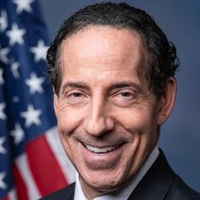
Jamie Raskin
Representative
MD-8
The **Protecting Our Democracy Act** imposes sweeping reforms across the executive branch to strengthen accountability and restore checks and balances. It restricts presidential pardon power, closes loopholes to ensure no President is above the law, and enforces constitutional emoluments clauses to prevent self-enrichment. Furthermore, the Act enhances congressional oversight by strengthening subpoena enforcement, increasing transparency around White House visitors and tax returns, and protecting federal whistleblowers from retaliation.
Protecting Our Democracy Act Sets New Limits on Presidential Power and Mandates Tax Transparency
The Protecting Our Democracy Act is a massive overhaul designed to pull back the curtain on the executive branch and shift power back toward Congress. At its core, the bill aims to ensure that no president is above the law by explicitly banning self-pardons and pausing the clock on criminal statutes of limitations while a president is in office. It also turns long-standing traditions into hard rules, such as requiring presidential candidates to release 10 years of tax returns and forcing the public disclosure of visitor logs for the White House and the Vice President’s residence. For the average person, this means the 'unwritten rules' of politics are being codified into federal law with actual teeth for enforcement.
The End of the 'Get Out of Jail Free' Card
A major chunk of this bill (Division A) focuses on the pardon power. It makes it a federal crime to trade a pardon for a bribe and requires the Attorney General to hand over all evidence to Congress if a president pardons a family member or a political ally. Think of it like an internal audit: if a president uses their power to help a friend, the bill ensures the details don't stay behind closed doors. Additionally, it strips post-presidency perks—like your tax dollars paying for their office and staff—if a former president is convicted of a felony. This ensures that the financial benefits of the office are tied to a standard of conduct that lasts even after they leave the White House.
Keeping the 'Power of the Purse' in Check
For those who care about how their tax dollars are spent, Division B tightens the 'Impoundment Control Act.' Essentially, if Congress approves money for a specific project—like a local bridge or a veterans' program—the president can’t just decide to sit on that cash in the final months of their term to let it expire. The bill gives the Government Accountability Office (GAO) the power to sue the executive branch to force the release of that money. It also creates a mandatory paper trail for any communication between the White House and the Justice Department regarding ongoing investigations, aiming to prevent political pressure from steering legal cases.
Ethics, Whistleblowers, and Your Digital Feed
The bill also hits the ground level of government and elections. It turns Hatch Act violations—using a government position for partisan politics—into a crime for political appointees, carrying potential jail time. For workers in the federal system, it expands whistleblower protections, making it illegal to retaliate by opening 'investigative' probes into employees who speak up. On the digital front, if you spend time on social media, you’ll notice changes: online political ads will be required to have the same 'paid for by' disclosures as TV ads, and platforms will have to maintain public databases showing who bought the ad and who they were targeting. While this adds a layer of transparency to your feed, it will likely increase compliance costs for tech platforms and political campaigns alike.