Legislative Activity
Track Maggie's sponsored bills, co-sponsored legislation, and voting record
The AI–WISE Act directs the Small Business Administration to develop and publish accessible educational resources and modules on artificial intelligence for small businesses.
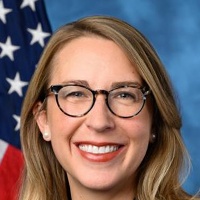
Hillary Scholten
Representative
MI
Hillary Scholten
Representative
MI
The AIWISE Act directs the Small Business Administration (SBA) to develop and publish free, publicly accessible educational resources and modules about artificial intelligence (AI) for small businesses. These materials must cover topics like how AI works, risk management, privacy, and best practices for adoption. The SBA must ensure the content is accurate, current, and actionable, coordinating with experts and resource partners to support small business understanding and effective use of AI.
This bill mandates annual portfolio risk analysis and reporting to Congress on the SBA's 504 loan program, with public availability of the report.
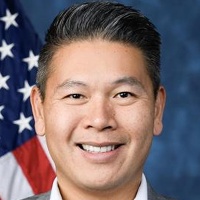
Derek Tran
Representative
CA
Derek Tran
Representative
CA
The 504 Program Risk Oversight Act mandates that the Small Business Administration (SBA) conduct and report on an annual portfolio risk analysis for all loans guaranteed under the 504 program. This detailed report, submitted to Congress and made publicly available, must analyze program risk across various dimensions, including industry concentration, loan size, borrower stage, and property type. The legislation also requires the SBA to detail the steps taken to mitigate identified risks.
This Act expands the Small Business Administration's microloan program to include the Commonwealth of the Northern Mariana Islands.
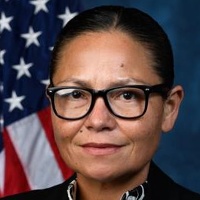
Kimberlyn King-Hinds
Representative
MP
Kimberlyn King-Hinds
Representative
MP
The Northern Mariana Islands Small Business Access Act amends the Small Business Act to officially include the Commonwealth of the Northern Mariana Islands (CNMI) in the federal microloan program. This legislation expands access to vital microloans for small businesses operating within the CNMI. The bill also includes minor technical corrections to existing statutory language.
This bill redirects federal enforcement funding to significantly increase resources for local police departments through the COPS Hiring Program and the Byrne JAG Program.
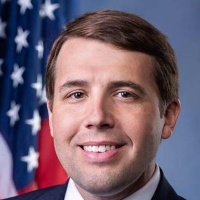
Chris Pappas
Representative
NH
Chris Pappas
Representative
NH
This bill, the PUBLIC SAFETY Act, redirects $2 billion from U.S. Immigration and Customs Enforcement (ICE) to significantly boost the COPS Hiring Program to support local law enforcement. It also allocates an additional $45 billion to the Edward Byrne Memorial Justice Assistance Grant (JAG) Program for local criminal justice initiatives. The legislation aims to increase federal funding available directly to local police departments for hiring and operations.
This bill automatically appropriates funds to ensure federal employees and essential contractors receive their regular pay during a government shutdown.
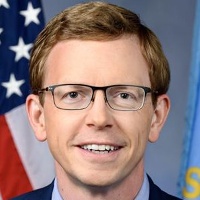
Dusty Johnson
Representative
SD
Dusty Johnson
Representative
SD
The Shutdown Fairness Act automatically appropriates necessary funds to ensure federal employees and essential contractors receive their regular pay during a government shutdown. This legislation mandates timely payment for covered personnel, regardless of whether they were deemed "excepted" or furloughed. The funds are charged against the agency's subsequent regular appropriations once they are enacted.
This Act mandates that newly elected House members from special elections must be sworn in within five legislative days of their election certification.
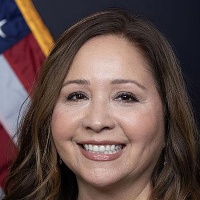
Adelita Grijalva
Representative
AZ
Adelita Grijalva
Representative
AZ
The No Delay in Representation Act ensures that individuals elected to the House of Representatives through special elections are seated promptly. It mandates that these new members must be given the opportunity to take the oath of office within five legislative days of their election certification. This act aims to prevent delays in representation for newly elected members.
This bill establishes a special base pay system that increases the salaries of Bureau of Prisons correctional officers and certain hourly employees by 35 percent for a five-year period, subject to review.

Dan Goldman
Representative
NY
Dan Goldman
Representative
NY
The Federal Correctional Officer Paycheck Protection Act of 2026 establishes a special pay system to increase the base pay for Bureau of Prisons (BOP) correctional officers by 35 percent. This legislation also provides a similar 35 percent wage increase for certain hourly BOP employees involved in inmate custody. The new pay authority is set to expire after five years, unless the Department of Justice Inspector General reports measurable progress in reducing the use of non-custodial staff for officer duties and excessive overtime.
This bill modifies deposits into the Crime Victims Fund by excluding certain False Claims Act recoveries and mandates an Inspector General audit of the Fund's sustainability.
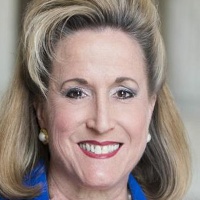
Ann Wagner
Representative
MO
Ann Wagner
Representative
MO
This bill amends the Victims of Crime Act of 1984 to temporarily exclude certain False Claims Act recoveries from being deposited into the Crime Victims Fund through fiscal year 2029. It also mandates a comprehensive audit by the Department of Justice Inspector General on the Fund's sustainability and the impact of recent legislative changes. The resulting report will provide recommendations for improving the Fund's effectiveness and oversight.
This act prohibits the use of federal funds and official action for any invasion of NATO member territory.
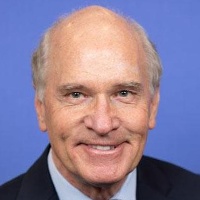
William Keating
Representative
MA
William Keating
Representative
MA
The **No Funds for NATO Invasion Act** prohibits the use of any federal funds for an invasion of any territory belonging to a member nation of the North Atlantic Treaty Organization (NATO). Furthermore, the bill bars U.S. officials from taking any action to execute such an invasion.
This resolution recognizes the 15th anniversary of the 2011 Tucson shooting, honoring the victims, survivors, and the ongoing advocacy of Gabby Giffords.
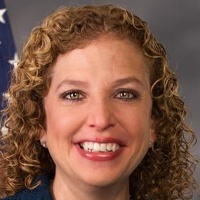
Debbie Wasserman Schultz
Representative
FL
Debbie Wasserman Schultz
Representative
FL
This resolution commemorates the 15th anniversary of the tragic January 8, 2011, Tucson shooting, honoring the six lives lost and the thirteen injured. It specifically commends the courage and ongoing advocacy of gun violence survivor and former Congresswoman Gabby Giffords. The resolution also recognizes the resilience of the community and reaffirms a commitment to ending political violence.
This act reforms the requirements and procedures for determining and maintaining duty status.
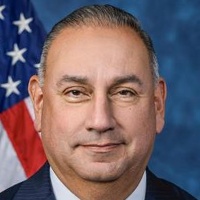
Gilbert Cisneros
Representative
CA
Gilbert Cisneros
Representative
CA
The Duty Status Reform Act aims to modernize and streamline the process for determining and managing duty status for federal employees. This legislation seeks to clarify existing regulations and ensure fair and consistent application of duty status rules across government agencies.
This bill directs the President to issue an annual proclamation establishing Democracy Day on January 6th to commemorate the 2021 attack on the U.S. Capitol and affirm the importance of the peaceful transition of power.
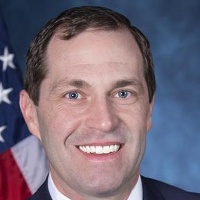
Jason Crow
Representative
CO
Jason Crow
Representative
CO
This bill proposes establishing an annual observance called "Democracy Day" by directing the President to issue a yearly proclamation. The observance is set for January 6th to commemorate the 2021 attack on the U.S. Capitol and affirm the importance of the peaceful transition of presidential power. It calls upon all levels of government and the public to observe the day with appropriate activities.
This bill prohibits the use of federal funds for military force in or against Venezuela through 2026 unless Congress declares war or passes a specific authorizing law, with exceptions for defensive actions.
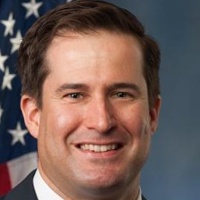
Seth Moulton
Representative
MA
Seth Moulton
Representative
MA
This bill prohibits the use of federal funds for military force in or against Venezuela through the end of 2026. This restriction remains in place unless Congress formally declares war or passes a new, specific authorization for military action that complies with the War Powers Resolution. An exception is made for necessary defensive actions, such as repelling a sudden attack.
This act mandates the Department of Veterans Affairs to conduct a comprehensive review of veteran suicides and associated prescription practices over the preceding five years, followed by a public report to Congress.
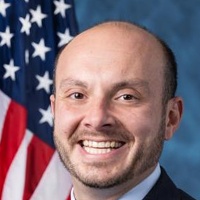
Andrew Garbarino
Representative
NY
Andrew Garbarino
Representative
NY
The Veteran Suicide Prevention Act mandates the Department of Veterans Affairs (VA) to conduct a comprehensive review of veteran suicides over the preceding five years, focusing on prescription practices. This review will analyze medication use, diagnoses, and demographic data for veterans who died by suicide while receiving VA care. The VA must then submit a detailed report of its findings and recommendations to Congress and the public.
This bill imposes comprehensive sanctions on Russia for its war against Ukraine while permanently extending the U.S. sanctions authority against Iran.
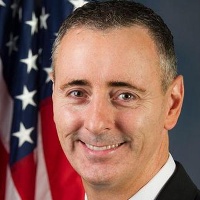
Brian Fitzpatrick
Representative
PA
Brian Fitzpatrick
Representative
PA
The Peace Through Strength Against Russia Act of 2025 imposes comprehensive sanctions on Russia's financial, military, and energy sectors in response to its war against Ukraine. This legislation cuts off major Russian banks from the U.S. financial system and bans new American investment in Russia. Additionally, the bill makes the existing sanctions authority against Iran permanent by removing its expiration date.
This bill mandates the removal of U.S. Armed Forces from hostilities within or against Venezuela unless explicitly authorized by Congress.
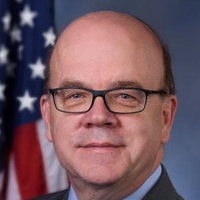
James McGovern
Representative
MA
James McGovern
Representative
MA
This bill mandates the President to immediately remove all United States Armed Forces from hostilities within or against Venezuela. This action is required unless Congress has specifically authorized the use of military force. The legislation aims to ensure that military engagement in Venezuela requires explicit Congressional approval.
This bill directs the President to withdraw U.S. Armed Forces from hostilities with presidentially designated terrorist organizations in the Western Hemisphere unless Congress authorizes the action.
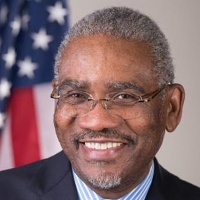
Gregory Meeks
Representative
NY
Gregory Meeks
Representative
NY
This bill directs the President to withdraw U.S. Armed Forces from hostilities involving designated terrorist organizations in the Western Hemisphere. Such withdrawal must occur unless Congress has explicitly authorized the military action through a declaration of war or a specific use of force authorization. The directive is issued under the authority of the War Powers Resolution.
This bill establishes a digital system for military beneficiaries to file and track complaints about access to care at military medical facilities and mandates an annual report analyzing these issues.
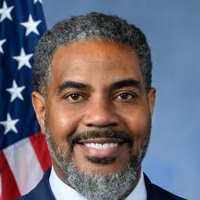
Steven Horsford
Representative
NV
Steven Horsford
Representative
NV
The Military CARE Act establishes a digital system for military beneficiaries to easily file and track complaints regarding access to care at military medical facilities. It mandates the creation of an annual report analyzing these complaints to identify trends and inform improvements. This aims to enhance transparency and accountability in military healthcare access.
This bill extends the 2026 open enrollment period, creates a special enrollment period for low-income individuals, modifies Navigator grant rules, and provides dedicated funding for Navigators on federal exchanges.
Chris Pappas
Representative
NH
Chris Pappas
Representative
NH
The Protecting Access to Affordable Coverage Act of 2025 aims to make health insurance enrollment easier and more accessible. It extends the 2026 open enrollment period and establishes a monthly special enrollment period for certain low-income individuals. The bill also revises rules for Navigator grants, ensuring local entities receive funding and prohibiting Navigators from charging fees.
This bill, the ESTUARIES Act, amends the National Estuary Program to officially add the Mississippi Sound and extends its funding authorization through fiscal year 2031, while placing specific restrictions on using funds for the Mississippi Sound's inclusion in fiscal years 2025 and 2026.
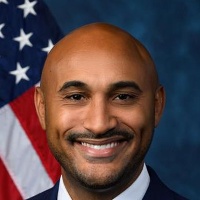
Shomari Figures
Representative
AL
Shomari Figures
Representative
AL
The ESTUARIES Act amends the Federal Water Pollution Control Act to officially add the Mississippi Sound to the National Estuary Program and extends the program's funding authorization through fiscal year 2031. However, the bill places specific restrictions on the EPA Administrator regarding the use of funds to implement this addition during fiscal years 2025 and 2026. This ensures that the expansion of the program is contingent upon specific funding levels in the near term.