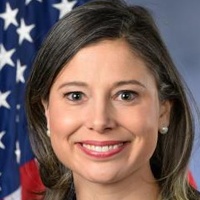
Legislative Activity
Track Maggie's sponsored bills, co-sponsored legislation, and voting record
This bill directs the President to remove U.S. Armed Forces from hostilities with Iran, unless necessary for self-defense or authorized by Congress.
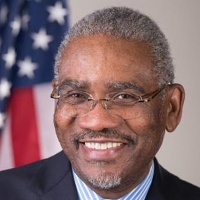
Gregory Meeks
Representative
NY
Gregory Meeks
Representative
NY
This bill directs the President to withdraw U.S. Armed Forces from hostilities involving Iran, utilizing the authority provided by the War Powers Resolution. The President may only keep forces deployed if they are necessary to defend the U.S. or its allies from an imminent attack. This directive does not apply if Congress has already provided a formal authorization for military action against Iran.
This bill requires businesses to disclose when they use personalized algorithms to set different prices for individuals based on their personal data and grants consumers the right to opt out of such pricing.
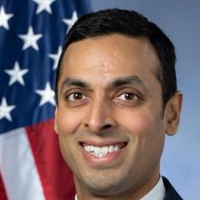
Suhas Subramanyam
Representative
VA
Suhas Subramanyam
Representative
VA
This bill, the "SLASH Prices Act," requires businesses to disclose when they use personalized algorithms based on consumer data to set individual prices. Consumers must be given a clear, immediate way to opt out of this algorithmic pricing without penalty. The legislation grants the Federal Trade Commission (FTC) authority to enforce these transparency and anti-discrimination requirements.
This Act mandates a study on the impact of the Buy American Act on affordable housing, temporarily pauses its requirements for HUD-funded projects, and establishes a 90-day deadline for waiver decisions, after which waivers are automatically granted.
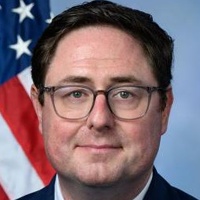
Mike Flood
Representative
NE
Mike Flood
Representative
NE
The Build Housing Affordably Act directs HUD to study the impact of the *Build America, Buy America Act* on affordable housing projects, including associated costs and waiver processes. It temporarily pauses the *Buy America* requirements for federally funded housing projects until the study is reported to Congress. Furthermore, the bill mandates a 90-day deadline for HUD to decide on waiver requests for these housing projects, with automatic approval if the deadline is missed.
This Act prohibits the federal government from paying judgments or settlements resulting from lawsuits filed by the President or Vice President.
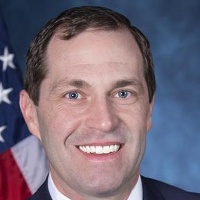
Jason Crow
Representative
CO
Jason Crow
Representative
CO
The Drain the Slush Fund Act prohibits the federal government from paying any judgments, awards, or settlements resulting from lawsuits filed by the President or Vice President. This restriction applies to all current and future cases arising on or after January 20, 2025.
This bill establishes a mandatory timeline and binding arbitration process to expedite the negotiation of first-time collective bargaining agreements between employers and newly certified unions.
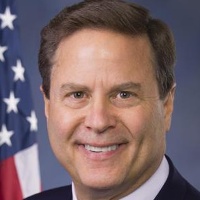
Donald Norcross
Representative
NJ
Donald Norcross
Representative
NJ
The Faster Labor Contracts Act aims to speed up the process of securing a first collective bargaining agreement after a union is certified. It establishes a mandatory timeline, including mediation and binding arbitration, if an agreement is not reached within 90 days of bargaining. This process is designed to prevent lengthy delays that currently weaken the union's position. The bill also requires a GAO report on current time-to-contract averages.
This Act establishes a nonregulatory partnership program and a voluntary grant program to coordinate and fund restoration and protection activities across the five-state Connecticut River Watershed.
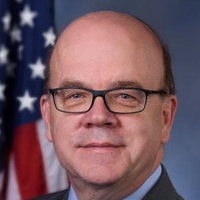
James McGovern
Representative
MA
James McGovern
Representative
MA
This Act establishes the nonregulatory Connecticut River Watershed Partnership program to coordinate restoration and protection activities across the five-state region. It also creates a voluntary grant program to fund projects focused on habitat restoration, water quality improvement, and community resilience. The legislation emphasizes collaboration with federal, state, Tribal, and local partners, with special consideration for environmental justice communities. Funding is authorized through 2030 to support these coordinated conservation efforts.
The Ukraine Support Act strengthens U.S. diplomatic, military, and economic support for Ukraine while imposing comprehensive sanctions on Russia to counter its ongoing aggression and war crimes.
Gregory Meeks
Representative
NY
Gregory Meeks
Representative
NY
The Ukraine Support Act strengthens U.S. diplomatic, military, and economic support for Ukraine while intensifying pressure on Russia through comprehensive sanctions and export controls. The bill establishes long-term reconstruction and security programs, bolsters independent media, and mandates strategies to reduce European reliance on Russian energy. Additionally, it reinforces NATO’s collective defense and imposes strict oversight on the use of U.S. aid to ensure accountability and strategic impact.
This bill mandates that Small Business Development Centers provide assistance to small businesses in establishing and improving various workforce development programs, including apprenticeships and work-based learning.
Jason Crow
Representative
CO
Jason Crow
Representative
CO
The Small Business Workforce Pipeline Act of 2026 requires Small Business Development Centers to expand their services to help small businesses establish and improve work-based learning, apprenticeship, pre-apprenticeship, and job training programs. This assistance will include providing guidance from the Department of Labor and other federal agencies.
This bill reauthorizes funding for the National Police Athletic/Activities League to expand existing chapters and establish new ones in distressed areas to enrich youth through mentorship, education, and positive law enforcement engagement.
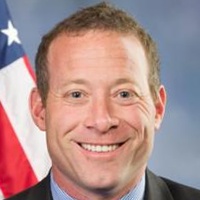
Josh Gottheimer
Representative
NJ
Josh Gottheimer
Representative
NJ
This bill reauthorizes funding for the National Police Athletic/Activities League (PAL) through fiscal year 2032. It aims to expand existing PAL chapters and establish 250 new chapters in distressed areas and public housing projects. The funding supports youth enrichment programs focused on academics, leadership, mentorship, and building positive relationships between law enforcement and young people.
The Provider Reimbursement Stability Act of 2026 reforms Medicare physician payment policies by updating budget neutrality thresholds, establishing a correction process for utilization estimates, mandating periodic updates to practice expense data, and limiting annual conversion factor fluctuations.
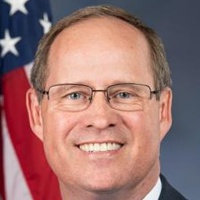
Gregory Murphy
Representative
NC
Gregory Murphy
Representative
NC
The Provider Reimbursement Stability Act of 2026 aims to improve the accuracy and predictability of Medicare physician payments. The bill reforms budget neutrality calculations, mandates periodic updates to practice expense cost data, and establishes a 2.5% cap on annual conversion factor fluctuations. These measures are designed to ensure more stable reimbursement rates for healthcare providers.
This bill prohibits the use of federal funds to pay any claims submitted to the Anti-Weaponization Fund established by the Department of Justice.
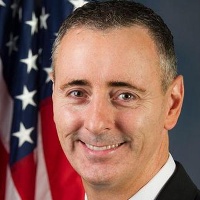
Brian Fitzpatrick
Representative
PA
Brian Fitzpatrick
Representative
PA
The Bipartisan Transparency for American Taxpayers Act prohibits the use of any federal funds, including those from the Judgment Fund, to pay claims submitted to the Anti-Weaponization Fund. This measure ensures taxpayer money is not used to cover payments from the fund established by the Department of Justice.
This bill authorizes the minting and sale of commemorative gold and silver coins to honor the 25th anniversary of the September 11, 2001, terrorist attacks, with surcharges supporting the National September 11 Memorial and Museum.

Dan Goldman
Representative
NY
Dan Goldman
Representative
NY
This bill authorizes the Secretary of the Treasury to mint and issue commemorative gold and silver coins marking the 25th anniversary of the September 11, 2001, terrorist attacks. The coins will honor the victims, first responders, and survivors, with designs selected in consultation with the National September 11 Memorial and Museum. All surcharges from the sale of these coins will be paid directly to the Memorial and Museum to support its operations and maintenance.
This bill expands the Job Corps program to train disadvantaged youth, veterans, and dislocated workers in skilled trades critical to strengthening the national defense industrial base.
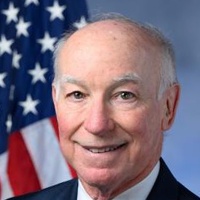
Joe Courtney
Representative
CT
Joe Courtney
Representative
CT
This act strengthens national defense by expanding the Job Corps program to train disadvantaged youth and veterans for critical roles in the defense industrial base. It establishes a Defense Skilled Trades Pipeline Program to provide vocational training in areas like welding, machining, and cybersecurity. The legislation authorizes significant funding to develop these specialized programs in coordination with defense contractors and the Department of Defense.
This bill directs the President to remove U.S. Armed Forces from hostilities with Iran, with a narrow exception for self-defense.
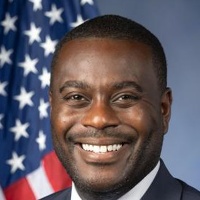
Gabe Amo
Representative
RI
Gabe Amo
Representative
RI
This bill directs the President to withdraw U.S. Armed Forces from hostilities involving Iran, as authorized under the War Powers Resolution. The only exception allows the President to maintain forces necessary for self-defense or the defense of allies against an imminent attack, provided specific reporting requirements are met. Any continued military engagement without a declaration of war requires explicit congressional authorization.
This bill directs the President to remove U.S. Armed Forces from hostilities against Iran within 30 days, pursuant to the War Powers Resolution.
Josh Gottheimer
Representative
NJ
Josh Gottheimer
Representative
NJ
This bill directs the President to remove all U.S. Armed Forces from hostilities against Iran within 30 days, utilizing the authority granted by the War Powers Resolution. Congress asserts this action is necessary as it has not formally declared war or authorized military force against Iran. The resolution explicitly preserves the ability of the U.S. to defend itself, its allies, and its facilities from imminent attack, and does not interfere with intelligence-gathering activities.
This bill establishes a VA Task Force to research, improve healthcare, and set baselines for veterans and service members affected by blast overpressure exposure.
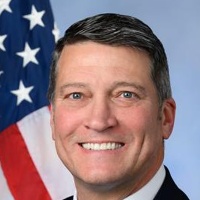
Ronny Jackson
Representative
TX
Ronny Jackson
Representative
TX
This Act establishes the Blast Overpressure Research and Mitigation Task Force within the Department of Veterans Affairs. The Task Force will improve healthcare, align research, and establish baselines for service members and veterans affected by blast overpressure exposure. It is charged with prioritizing research on related conditions and submitting annual reports with recommendations for evaluating service-connected neurological injuries.
This resolution designates specific dates to honor law enforcement officers killed in the line of duty and expresses support for all officers.
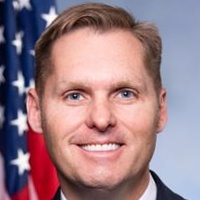
Michael Guest
Representative
MS
Michael Guest
Representative
MS
This resolution officially designates May 15, 2026, as Peace Officers Memorial Day and the week of May 10-16, 2026, as National Police Week. It honors the service and sacrifice of law enforcement officers killed in the line of duty, specifically recognizing 363 officers lost in 2025. The bill expresses unwavering support for law enforcement and acknowledges the need for proper resources to ensure officer safety.
This Act mandates the structural separation of vertically integrated health conglomerates by prohibiting combined ownership of pharmacies and insurance companies or Pharmacy Benefit Managers (PBMs), requiring divestment to restore competition.
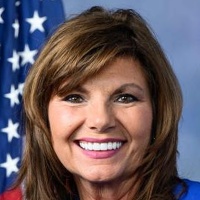
Diana Harshbarger
Representative
TN
Diana Harshbarger
Representative
TN
The Patients Before Monopolies Act aims to break up conflicts of interest within the healthcare industry by prohibiting entities from simultaneously owning a Pharmacy Benefit Manager (PBM) or insurer alongside a pharmacy. This legislation mandates the divestiture of such integrated businesses to foster competition and reduce prescription drug costs. It grants the FTC and DOJ significant authority to enforce this structural separation and allows civil actions, including by private citizens, to ensure compliance.
This bill limits drug costs for TRICARE beneficiaries and veterans to Medicare Part D negotiated prices and caps federal procurement prices for drugs covered under the Medicare Drug Price Negotiation Program.
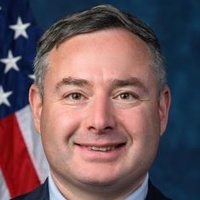
Eugene Vindman
Representative
VA
Eugene Vindman
Representative
VA
The MISSION Rx Act aims to lower prescription drug costs for servicemembers, veterans, and federal procurement programs. It caps the cost-sharing amounts paid by TRICARE beneficiaries and veterans for certain drugs at the level paid by Medicare Part D beneficiaries. Furthermore, the bill limits the price federal agencies pay for these same negotiated drugs under existing procurement agreements.
This act prohibits the use of federal funds for military action in or against Iran through 2026 unless Congress formally declares war or authorizes such force.
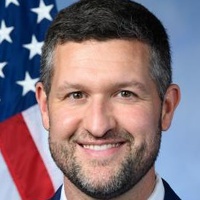
Patrick Ryan
Representative
NY
Patrick Ryan
Representative
NY
The No Funds for Iran War Act prohibits the use of federal funds for military action in or against Iran through the end of 2026. This ban remains in effect unless Congress formally declares war or passes a specific authorization for military force. Exceptions are made only for actions consistent with the War Powers Resolution or necessary self-defense against an imminent attack.