Legislative Activity
Track Maggie's sponsored bills, co-sponsored legislation, and voting record
This bill mandates that the Secretaries of HUD, Agriculture, and Veterans Affairs establish an agreement to share housing data and submit a joint report detailing plans for improved interagency coordination on housing programs.
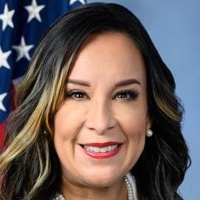
Mónica De La Cruz
Representative
TX
Mónica De La Cruz
Representative
TX
The HUD-USDA-VA Interagency Coordination Act mandates that the Departments of Housing and Urban Development, Agriculture, and Veterans Affairs formally agree to share relevant housing research and market data. This legislation requires the three agencies to submit a joint report to Congress detailing plans for improving interagency coordination on housing programs. Before submission, the proposed coordination plan must undergo a 30-day public review period.
This constitutional amendment grants Congress and the states the authority to regulate campaign contributions and expenditures, and to establish public financing systems for political campaigns.
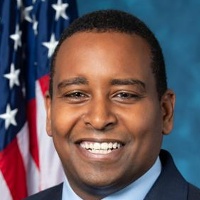
Joe Neguse
Representative
CO
Joe Neguse
Representative
CO
This constitutional amendment seeks to grant Congress and the states the authority to regulate contributions and expenditures in political campaigns. It specifically allows for the establishment of public financing systems to offset the influence of private money in elections. The amendment ensures that any regulations enacted must not infringe upon the freedom of the press.
This Act mandates that new passenger motor vehicles sold in the U.S. must include standard equipment capable of receiving AM broadcast radio signals.

Gus Bilirakis
Representative
FL
Gus Bilirakis
Representative
FL
The AM Radio for Every Vehicle Act of 2025 mandates that the Secretary of Transportation establish a rule requiring AM broadcast radio receivers to be installed as standard equipment in new passenger motor vehicles. This requirement aims to ensure public access to AM radio signals, which are often used for emergency alerts. The bill also directs a GAO study on the effectiveness of AM radio within the national emergency alert system compared to other technologies. Finally, the Act preempts state and local laws on this matter and includes a sunset provision eight years after enactment.
This bill ensures Medicare coverage for certain breakthrough medical devices during a four-year transitional period while accelerating the final coverage decision process.
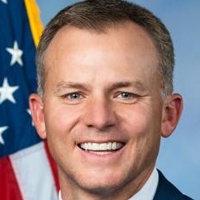
Blake Moore
Representative
UT
Blake Moore
Representative
UT
This Act, the Ensuring Patient Access to Critical Breakthrough Products Act, aims to speed up Medicare coverage for innovative, FDA-approved "breakthrough devices." It establishes a process for manufacturers to gain a four-year transitional coverage period for these devices, ensuring patients have timely access while long-term coverage decisions are finalized. The bill also allocates funding to CMS to manage these expedited reviews and allows for oversight of provider billing practices related to these new technologies.
This bill amends the Social Security Act to provide Medicare coverage for FDA-approved multi-cancer early detection screening tests starting in 2028.
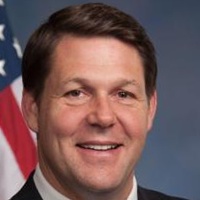
Jodey Arrington
Representative
TX
Jodey Arrington
Representative
TX
The Nancy Gardner Sewell Medicare Multi-Cancer Early Detection Screening Coverage Act amends the Social Security Act to provide Medicare Part B coverage for multi-cancer early detection screening tests starting January 1, 2028. This legislation establishes clear criteria for qualifying tests and outlines payment structures to ensure beneficiaries have access to these advanced diagnostic tools. Importantly, this coverage is designed to complement, rather than replace, existing Medicare-covered cancer screenings.
The FAMILY Act establishes a national paid family and medical leave insurance program administered by the Social Security Administration, providing benefits for caregiving related to serious health conditions or victims of violence.
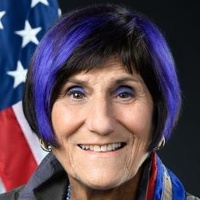
Rosa DeLauro
Representative
CT
Rosa DeLauro
Representative
CT
The FAMILY Act establishes a national Paid Family and Medical Leave Insurance program administered by a new office within the Social Security Administration. This program provides monthly benefits to eligible individuals who take time off for qualified caregiving reasons, including serious health conditions or victims of violence. The Act also sets forth detailed eligibility requirements, benefit calculation formulas, and job protection guarantees for employees utilizing the leave. Finally, it creates a funding mechanism to support existing state-level paid leave programs that meet federal standards.
This Act permanently classifies the entire class of highly potent synthetic opioids known as nitazenes as Schedule I controlled substances to combat overdose deaths.
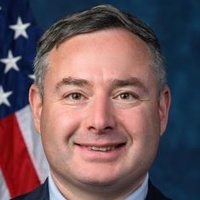
Eugene Vindman
Representative
VA
Eugene Vindman
Representative
VA
The Nitazene Control Act of 2025 permanently classifies the entire class of highly potent synthetic opioids known as nitazenes (2-Benzylbenzimidazole opioids) as Schedule I controlled substances. This action is taken due to their extreme danger, high potential for abuse, and role in fatal overdoses across the country. By scheduling the entire chemical class at once, the bill aims to proactively stop the emergence of new, dangerous analogs. This permanent scheduling subjects nitazenes to the strictest federal controls, mirroring those applied to fentanyl.
This Act ensures the automatic continuation of pay for active duty military personnel and essential civilian support staff if Congress fails to pass a budget for fiscal year 2026.
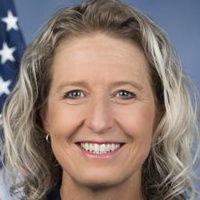
Jennifer Kiggans
Representative
VA
Jennifer Kiggans
Representative
VA
The Pay Our Troops Act of 2026 ensures that active duty military personnel and essential civilian support staff continue to receive their pay if Congress has not yet passed the full budget for fiscal year 2026. This act provides automatic continuing appropriations from the Treasury to prevent a lapse in military salaries due to budget delays. The funding automatically terminates once a new budget or continuing resolution is passed, or on January 1, 2027, whichever comes first.
This bill posthumously awards a Congressional Gold Medal to honor the groundbreaking civil rights achievements of Constance Baker Motley and authorizes the production and sale of bronze duplicates.
Rosa DeLauro
Representative
CT
Rosa DeLauro
Representative
CT
This bill, the Congressional Tribute to Constance Baker Motley Act of 2025, posthumously awards the Congressional Gold Medal to the pioneering civil rights attorney and federal judge, Constance Baker Motley. The legislation recognizes her historic achievements, including her role in *Brown v. Board of Education* and her service as the first African-American woman appointed as a federal judge. The Secretary of the Treasury is authorized to strike the medal, and provisions are made for selling bronze duplicates to cover production costs.
This resolution expresses the House of Representatives' disapproval of the planned WISeR Model, asserting that its expansion of prior authorization requirements will undermine beneficiary access to necessary healthcare.
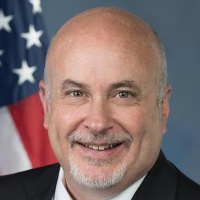
Mark Pocan
Representative
WI
Mark Pocan
Representative
WI
This resolution expresses the sense of the House of Representatives opposing the implementation of the proposed Wasteful and Inappropriate Service Reduction (WISeR) Model. The House believes this model would severely undermine beneficiary access to necessary healthcare by significantly expanding prior authorization requirements in traditional Medicare. It urges the Centers for Medicare and Medicaid Services to terminate the plan due to concerns over patient access and the poor track record of private entities managing these reviews.
This Act expands the Committee on Foreign Investment in the United States (CFIUS) review process to specifically scrutinize foreign investments in critical infrastructure and intelligence community assets, requiring annual agency reporting and mandatory classified congressional briefings upon request.
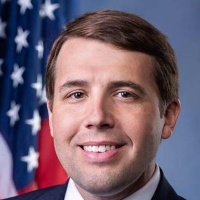
Chris Pappas
Representative
NH
Chris Pappas
Representative
NH
The Critical Infrastructure Security Act enhances the Committee on Foreign Investment in the United States (CFIUS) review process for foreign investments in sensitive U.S. assets. It explicitly mandates that CFIUS consider national security and critical infrastructure risks when reviewing deals involving intelligence community or National Laboratory property. The Act also establishes new annual reporting requirements for agency members on their sensitive facility lists and mandates classified congressional briefings upon request.
This bill mandates the exclusion of the Basic Allowance for Housing (BAH) from the calculation of gross household income when determining eligibility for the basic needs allowance for eligible Armed Forces members.
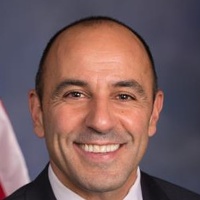
Jimmy Panetta
Representative
CA
Jimmy Panetta
Representative
CA
This bill amends current law to mandate the exclusion of the Basic Allowance for Housing (BAH) when calculating the gross household income for eligible members of the Armed Forces. This change specifically impacts the determination of eligibility for benefits tied to the basic needs allowance. By removing the housing stipend from income calculations, the legislation aims to provide a more accurate assessment of a service member's actual financial need.
This Act mandates that defense contractors provide the Department of Defense with fair and reasonable access to necessary repair materials, parts, tools, and information for the equipment they sell.

Marie Gluesenkamp Perez
Representative
WA
Marie Gluesenkamp Perez
Representative
WA
The Warrior Right to Repair Act of 2025 mandates that defense contractors provide the Department of Defense (DoD) fair and reasonable access to necessary repair materials, including parts, tools, and technical information, under terms equal to those offered to authorized third parties. This act requires the DoD to review existing contracts to remove intellectual property barriers preventing the military from performing its own maintenance and repairs on acquired equipment. The goal is to ensure the DoD can efficiently maintain and fix the advanced systems it purchases.
This act sets the Identified Student Percentage threshold for federal nutrition programs at 25 percent for school years beginning on or after July 1, 2025.
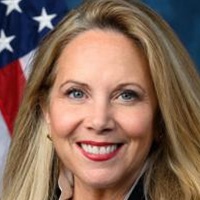
Laura Gillen
Representative
NY
Laura Gillen
Representative
NY
The Feed Hungry Kids Act establishes a fixed threshold of 25 percent for calculating a school's "Identified Student Percentage" starting in the school year beginning on or after July 1, 2025. This change directly impacts how schools qualify for certain federal nutrition programs. The bill standardizes this key metric for future program eligibility.
This bill extends enhanced financial assistance for purchasing health insurance through the Marketplace until the end of 2026.
Jennifer Kiggans
Representative
VA
Jennifer Kiggans
Representative
VA
The Bipartisan Premium Tax Credit Extension Act extends the enhanced financial assistance available for purchasing health insurance through the Marketplace. This legislation pushes the expiration date for these boosted premium tax credits, including those for higher earners, from the end of 2025 through the end of 2026. Essentially, it ensures continued, robust subsidies for Marketplace health coverage.
This Act bans Members of Congress and their immediate families from trading or owning specific investments while in office, requiring divestment within 90 to 180 days or facing significant financial penalties.

Chip Roy
Representative
TX
Chip Roy
Representative
TX
The Restore Trust in Congress Act establishes strict new rules prohibiting Members of Congress and their immediate families from owning or trading specific financial assets, referred to as "covered investments," while in office. Covered individuals must divest existing prohibited holdings within a set timeframe or face significant financial penalties, including fines and forfeiture of profits. The legislation aims to eliminate conflicts of interest arising from personal financial trading while serving in federal office.
This Act repeals recent changes to Medicaid cost-sharing requirements and the exclusion of orphan drugs from the Drug Price Negotiation Program.
Chris Pappas
Representative
NH
Chris Pappas
Representative
NH
The Protect Patients from Costly Care Act aims to reverse recent changes to Medicaid cost-sharing requirements and the Drug Price Negotiation Program. This bill effectively deletes specific sections from a previous reconciliation act that altered these healthcare provisions. By repealing these changes, the Act restores the original rules regarding Medicaid cost-sharing and the exclusion of orphan drugs from price negotiations.
This Act prohibits workforce reductions and hiring freezes at public naval shipyards, protecting essential shipyard jobs regardless of budget constraints or probationary status.
Chris Pappas
Representative
NH
Chris Pappas
Representative
NH
The Protecting Public Naval Shipyards Act of 2025 aims to secure the jobs within public naval shipyards by prohibiting workforce reductions, hiring freezes, or layoffs due to budget constraints or probationary status. This legislation specifically protects essential roles, including welders, engineers, nuclear maintenance staff, and apprentices. The Act ensures the stability of the shipyard workforce while still allowing management to address individual employee performance issues.
The Greyhound Protection Act of 2025 bans commercial greyhound racing, live lure training, and open field coursing nationwide starting in late 2027 due to documented animal welfare concerns.
Salud Carbajal
Representative
CA
Salud Carbajal
Representative
CA
The Greyhound Protection Act of 2025 seeks to end commercial greyhound racing and related cruel training practices nationwide by October 1, 2027. This legislation bans all forms of wagering on greyhound races and prohibits the use of live animals for training or coursing events. Violators face significant fines and potential imprisonment under the strengthened Animal Welfare Act. The bill reflects concerns over widespread animal injuries, drug use, and inhumane confinement within the declining industry.
This Act directs the Departments of HUD and Agriculture to create a joint agreement to streamline environmental reviews and processes for housing projects funded by both agencies.
Marlin Stutzman
Representative
IN
Marlin Stutzman
Representative
IN
The Streamlining Rural Housing Act of 2025 mandates that the Departments of HUD and Agriculture create a joint agreement to speed up environmental reviews for federally funded rural housing projects. This partnership aims to designate a lead agency and streamline the acceptance of environmental documentation between the two departments. The Act also establishes an advisory group composed of diverse stakeholders to guide implementation and requires a final report to Congress suggesting further efficiency improvements without compromising resident safety or environmental standards.